


Real Estate Market Research Basics | 101 Guide
So you want to invest in property but don’t know where to start? I get it. When I first jumped into this field, I felt overwhelmed, too. The good news is that real estate market research doesn’t have to be complicated. It’s really about gathering the right information before you spend your hard-earned money. In this guide, I’ll walk you through everything I’ve learned over the years. We’ll cover housing statistics, trend analysis, and practical tips you can use today.
What Is Real Estate Market Research and Why Does It Matter?
Let me break this down simply. This process involves collecting and analyzing property data systematically. You’re looking at prices, sales volume, rental rates, and economic factors. This information helps you make smart buying or selling decisions. Without it, you’re basically guessing with your investment.
I’ve seen too many people skip this step entirely. They get excited about a property and jump in blind. Then they wonder why their investment isn’t performing well. Proper research protects you from overpaying for purchases. It also helps you spot opportunities others might miss. Trust me, spending time on this upfront saves you headaches later.
Understanding Housing Statistics and Current Trends
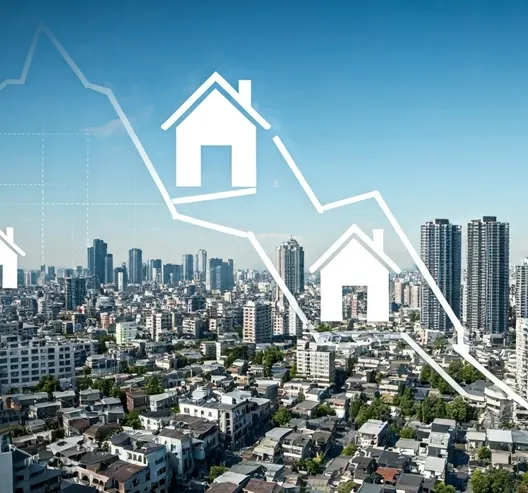
Housing statistics tell you what’s actually happening in an area. I always start by looking at median home prices and days on the listing. These numbers reveal whether buyers or sellers have the advantage. Rising prices with quick sales? That’s a hot area. Falling prices with long listing times? Proceed with caution.
You also want to study housing trends over time carefully. Is the area appreciating steadily or bouncing around unpredictably? I pull data from the past five to ten years when possible. This gives me a clear picture of stability and growth potential. The U.S. Census Bureau and local index reports are great starting points. They provide reliable numbers you can actually trus
How to Conduct Real Estate Market Research Like a Pro
Ready to dig in and get started? Begin with online platforms like Zillow and Redfin. They offer free access to recent sales and pricing data. I use these daily to check comparable properties in target areas. But don’t stop there with your analysis. The best insights often come from multiple sources combined.
Next, tap into local MLS listings through an agent connection. These provide more detailed information than public sites typically offer. I also recommend checking government databases for economic outlook reports. They show job growth, population changes, and infrastructure plans happening soon. This context helps you understand where an area is heading, not just where it’s been.
Using Data Visualizations and Library Resources
Data visualizations make complex information easy to understand quickly. Charts and graphs reveal patterns you might miss in spreadsheets entirely. Many metro area websites now offer interactive tools for this purpose. I’ve spent hours exploring these resources and always learn something new.
Don’t overlook library resources either when doing your homework. Many public libraries provide free access to research databases and reports. These include detailed reports on specific neighbourhoods and commercial zones. Your tax dollars pay for these services already. You might as well use them fully. I’ve found some of my best residential property insights through library subscriptions.

Analyzing Commercial and Residential Property Insights
Commercial and residential properties require different analytical approaches entirely. For residential investments, focus on family-friendly factors first. School ratings, park access, and commute times matter most here. Families drive most residential buying decisions in most areas. Understanding their priorities helps you evaluate properties correctly every time.
Commercial property analysis focuses more on business factors instead. You want to examine foot traffic, nearby competitors, and zoning regulations carefully. Cap rates and lease terms become more important than school districts. I’ve worked on both types of investments throughout my career so far. The process overlaps somewhat, but the priorities shift based on property type.
Local Demographics and Neighbourhood Data
Demographics tell you who lives in an area and how it’s changing. Age distribution, income levels, and education rates all matter significantly. Growing populations typically mean increasing property demand over time. Shrinking populations suggest potential problems ahead for investors. This data is freely available through census reports online.
Neighbourhood-specific analysis goes even deeper than general demographics. Walk the streets, if possible, before buying anything. Talk to local business owners about the area’s direction. Check crime statistics and update reports from city planning departments regularly. I always do this before recommending any investment to clients. Numbers on paper don’t capture everything about a place. Sometimes the best insights come from simply spending time in an area.
Your Next Steps in Real Estate Market Research
You now have a solid foundation for conducting real estate market research effectively. Start small and build your skills over time with practice. Pick one neighbourhood and practice gathering all the data points we discussed. Compare your findings to actual sale prices in that area. This exercise sharpens your analytical abilities quickly and effectively.
Remember, thorough analysis reduces your investment risk significantly over time. It positions you to make confident decisions backed by solid data. Whether you’re buying your first rental property or expanding a portfolio, these basics apply. Take your time, trust the numbers, and don’t rush into anything prematurely. The right opportunity will come when you’re prepared to recognize it clearly.
Frequently Asked Questions
A: For most properties, expect to spend one to two weeks on solid analysis. Quick purchases rarely end well in my experience working in this field. You need time to gather housing statistics, compare similar properties, and verify information. Rush the process, and you’ll likely miss important details entirely. I’ve learned that patience during this phase pays dividends after closing.
A: Zillow, Redfin, and Realtor.com are excellent starting points for beginners today. The U.S. Census Bureau provides reliable demographic data at no cost. Your local library likely offers additional database access, too, for free. I started with these exact tools years ago myself. They give you plenty of information without spending anything upfront.
A: Look for signs like new business openings, infrastructure projects, and permit activity. Rising property values over several years indicate improvement is happening. Increasing vacancy rates and business closures suggest a decline instead. I always check local news for development announcements too. These signals help predict where an area is heading next.
A: It depends entirely on your investment size and experience level. For smaller residential purchases, doing the work yourself usually works fine. Larger commercial deals often benefit from professional analysis and expertise. I recommend learning the basics yourself first before hiring anyone. This knowledge helps you evaluate any professional advice you receive later.
A: Check your target areas monthly for significant changes and shifts. Housing statistics can shift quickly during economic transitions unexpectedly. Set up alerts on listing sites for price changes and new inventory. I review my priority neighbourhoods every few weeks at a minimum personally. Staying current prevents surprises when you’re ready to make offers.
A: Relying on a single data source is the most common error I see. One website or one agent’s opinion isn’t enough for decisions. Cross-reference your findings across multiple platforms and sources always. Also, don’t ignore negative information that contradicts your hopes entirely. Confirmation bias has cost many investors serious money over the years, unfortunately