
10 Must-Have Services for Luxury Home Management: A Complete Decision Guide
April 2, 2026
- By
- 3lmg
- Luxury Home Management Experts
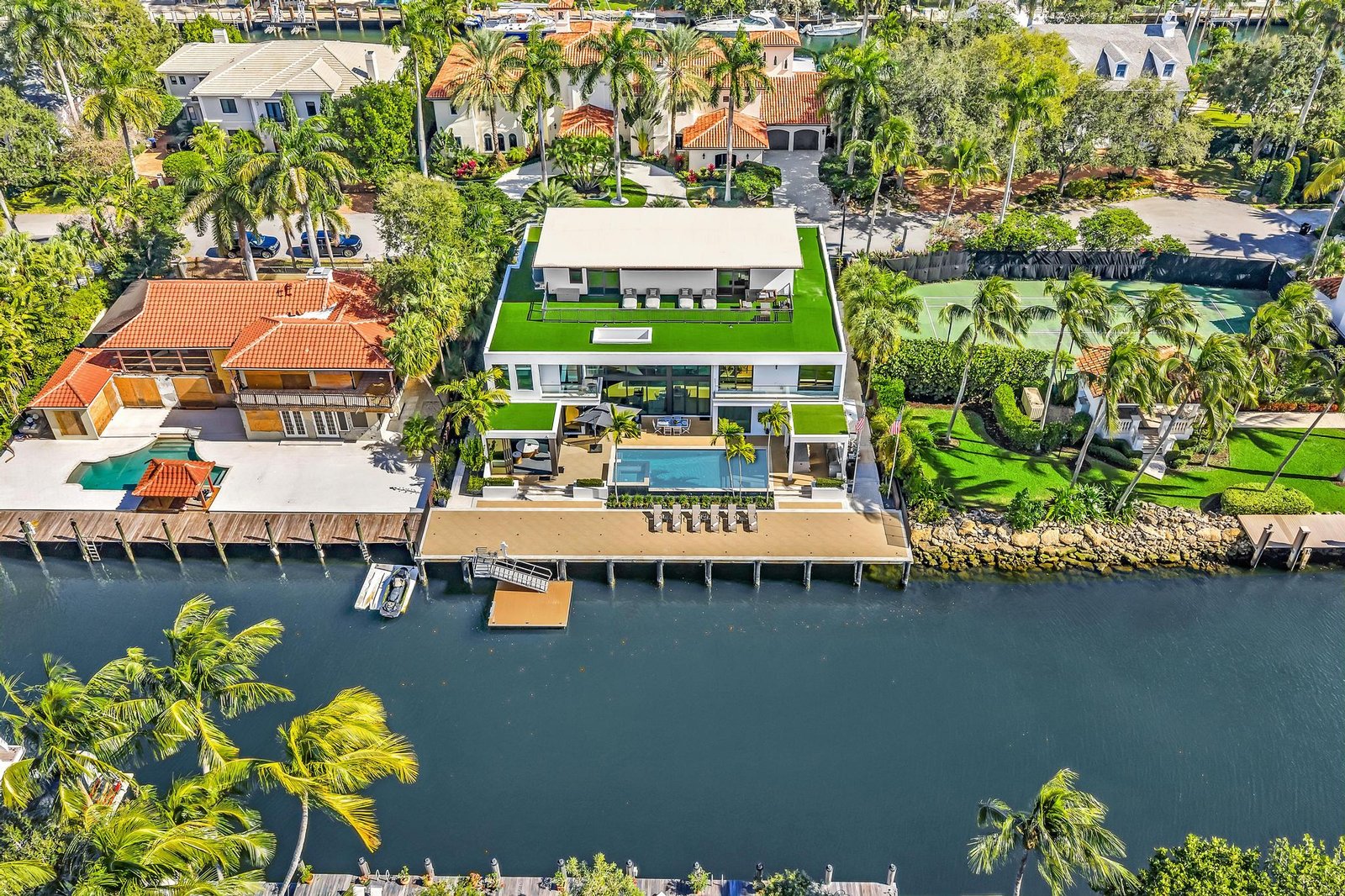
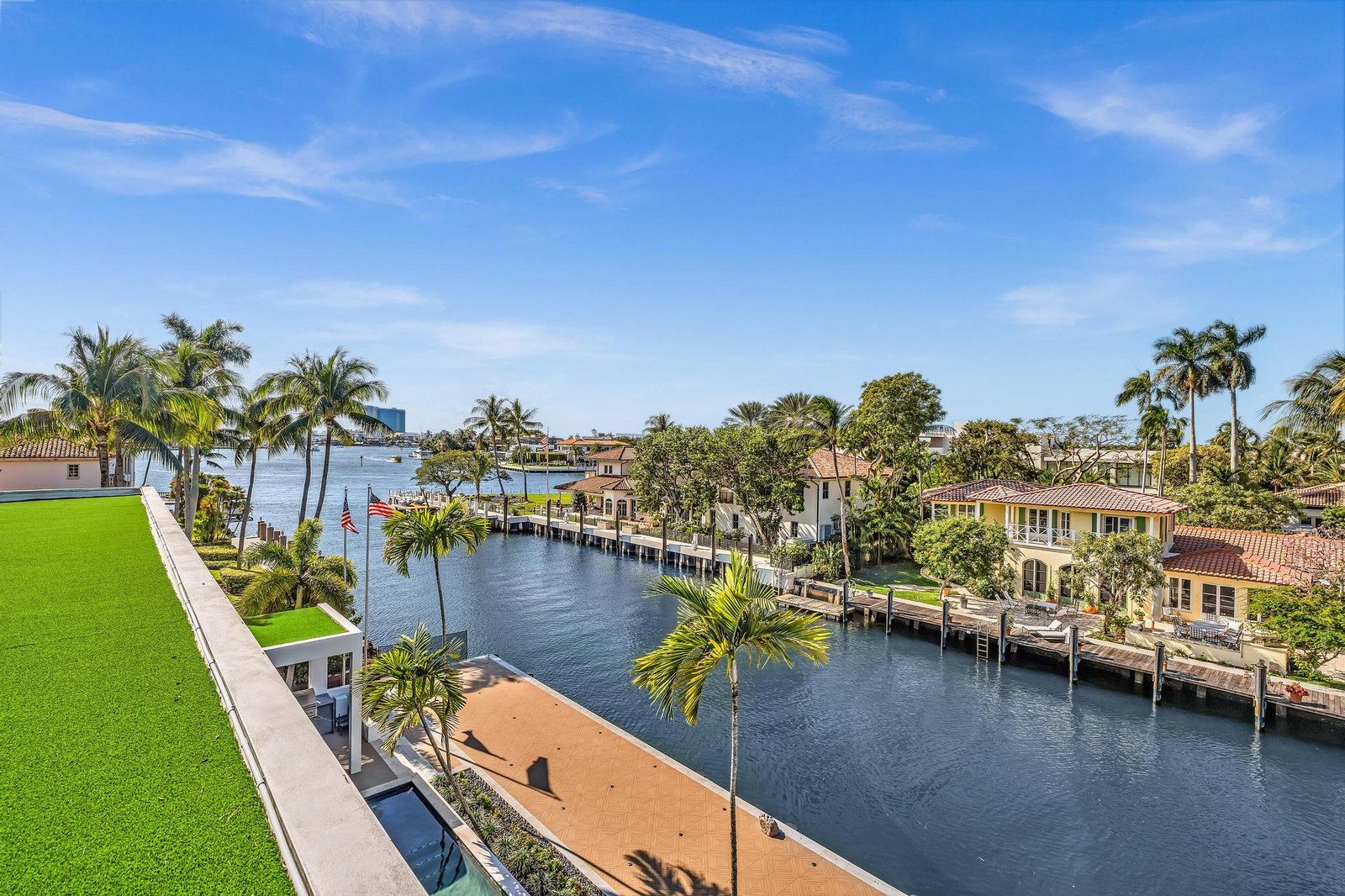
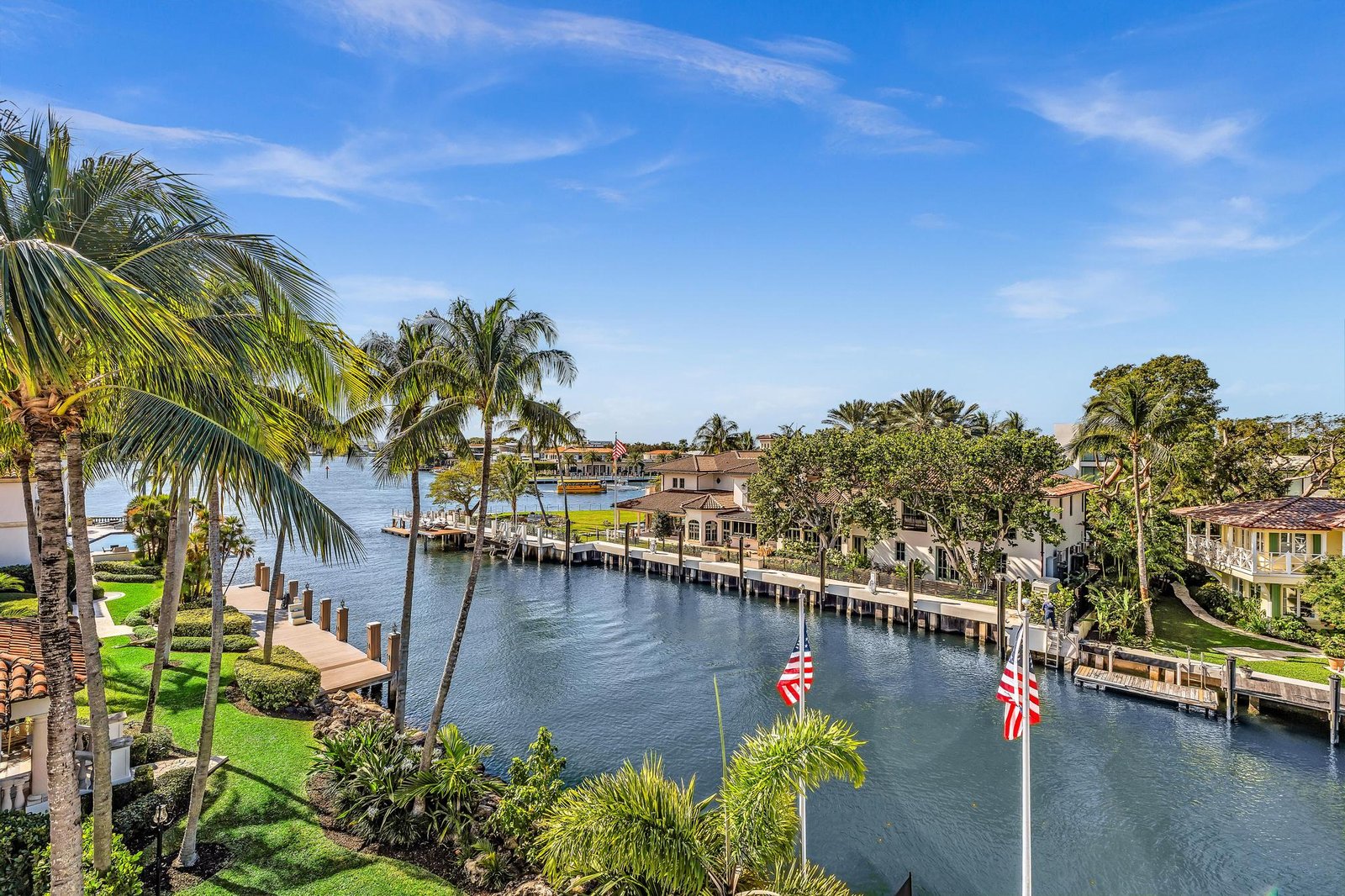
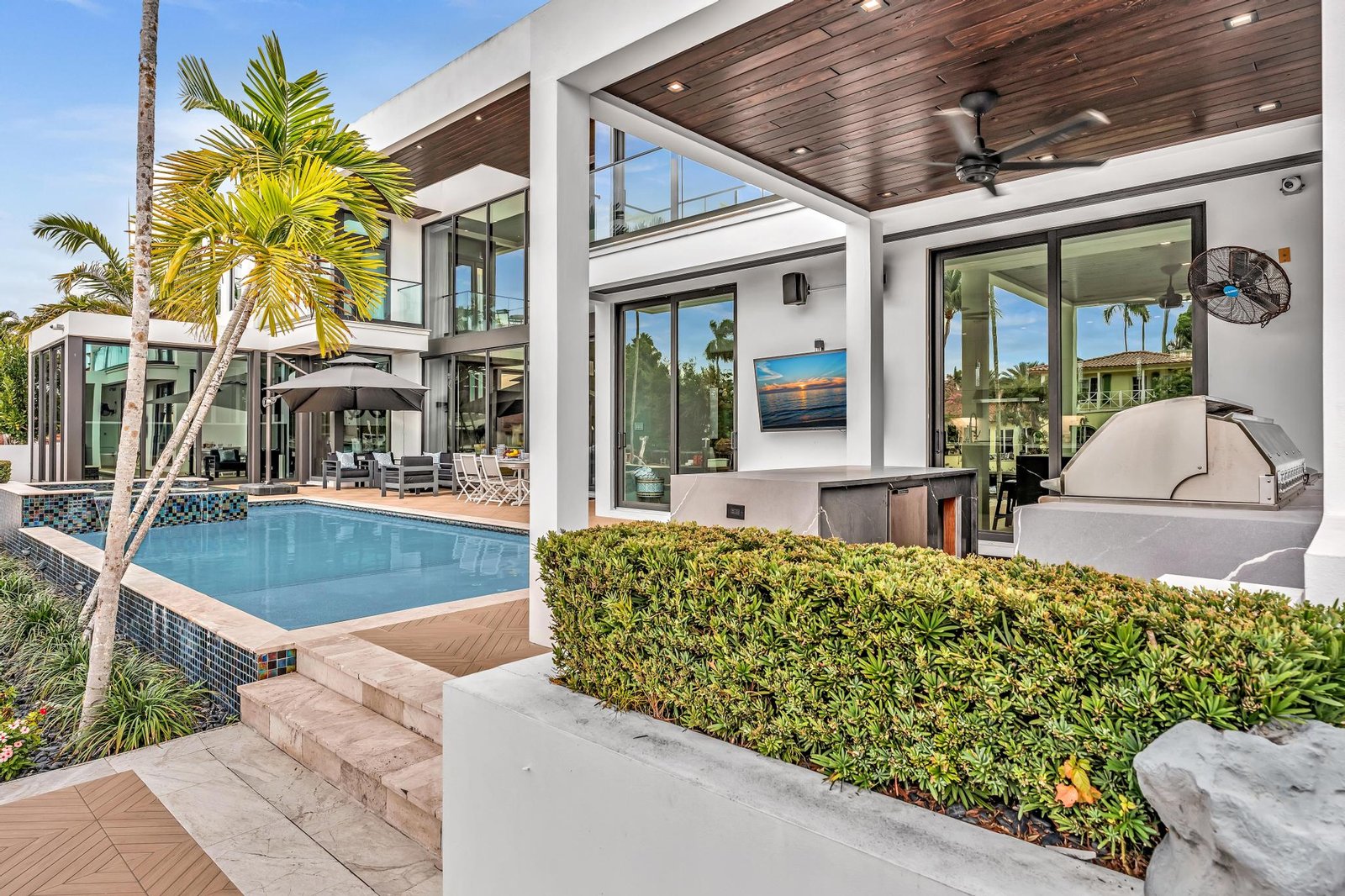
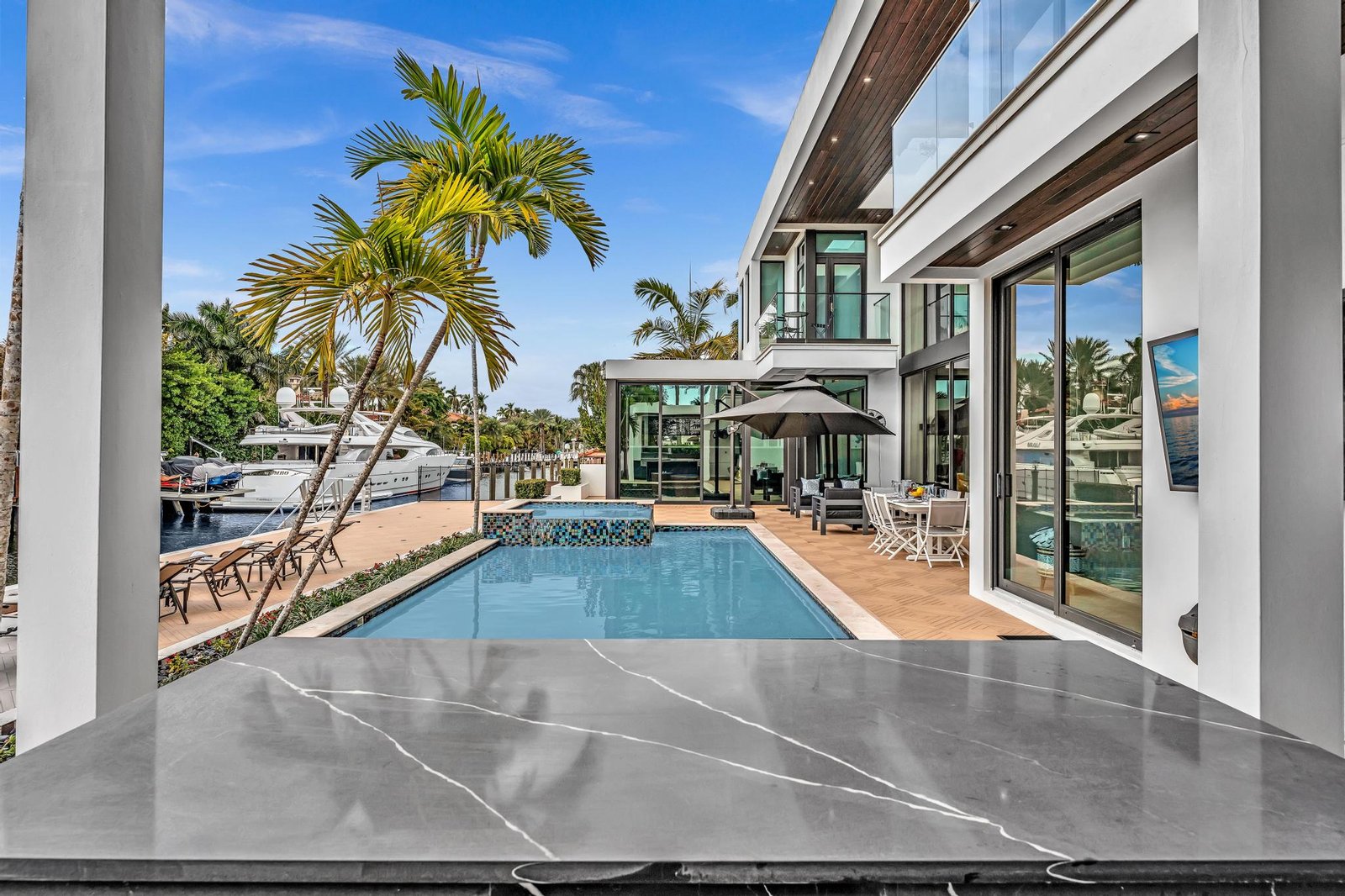
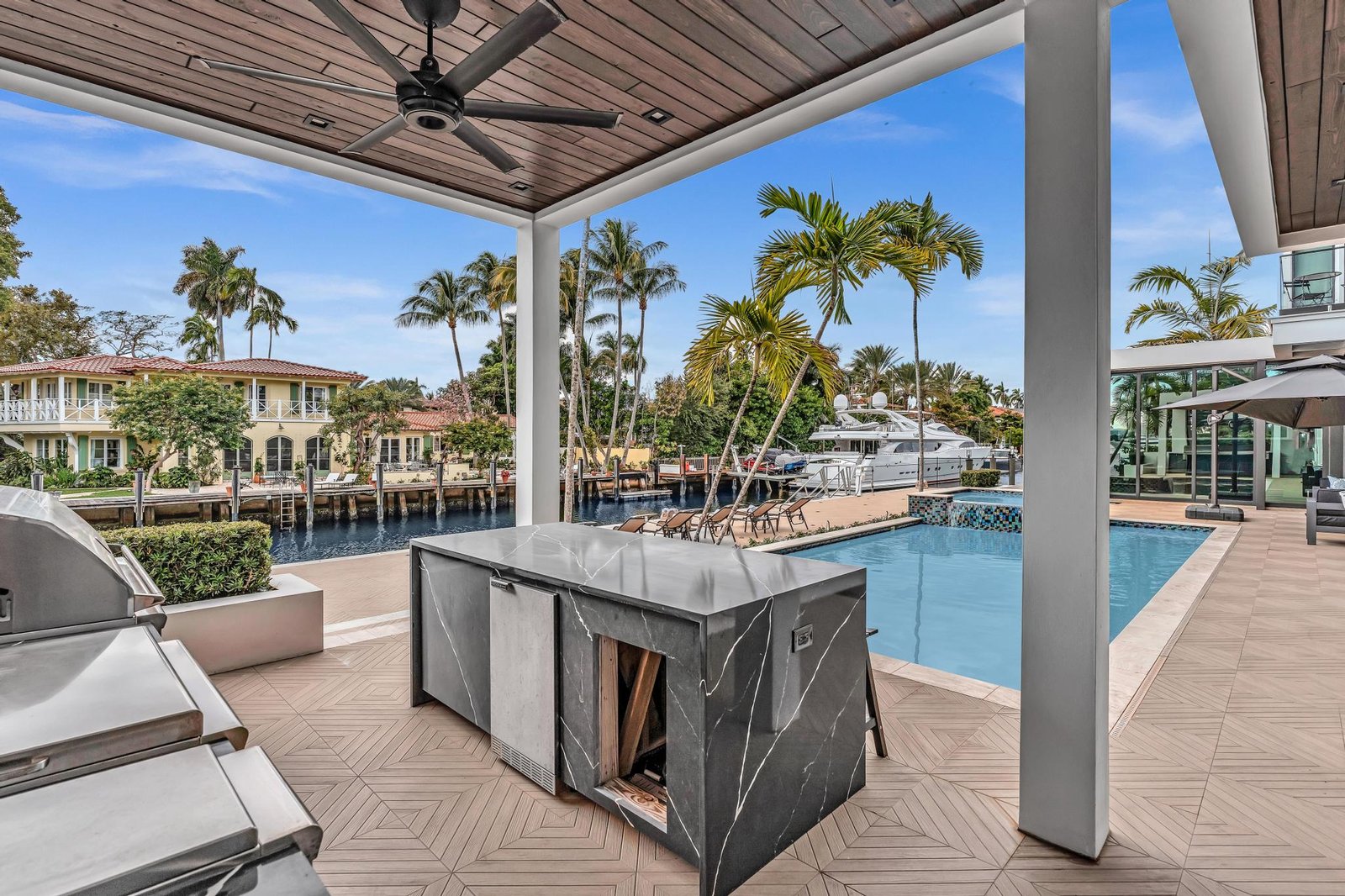
At 3lmg, we’ve been helping property owners protect and optimize high-end homes for years of experience across Fort Lauderdale. Many clients ask the same question: what are the 10 Must-Have Services for Luxury Home Management, and which ones truly protect long-term value? We’ve seen what happens when owners assume a house manager alone is enough. One waterfront homeowner in Fort Lauderdale skipped formal inspection protocols and missed early salt-air corrosion on rooftop HVAC equipment. The repair bill exceeded $40,000. Choosing the right structure matters. If you’re comparing options, start with this property management firm guide to understand how oversight should be structured before committing.
What Excellent Management Includes - and What to Avoid
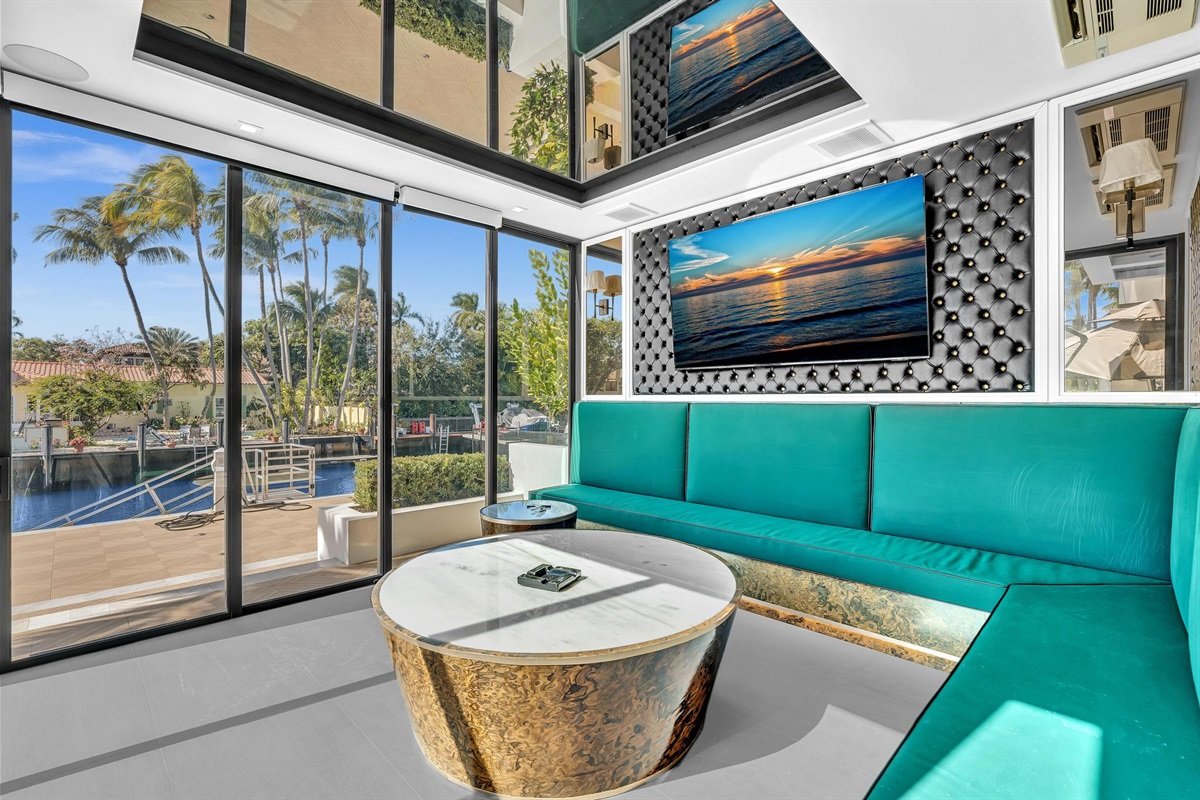
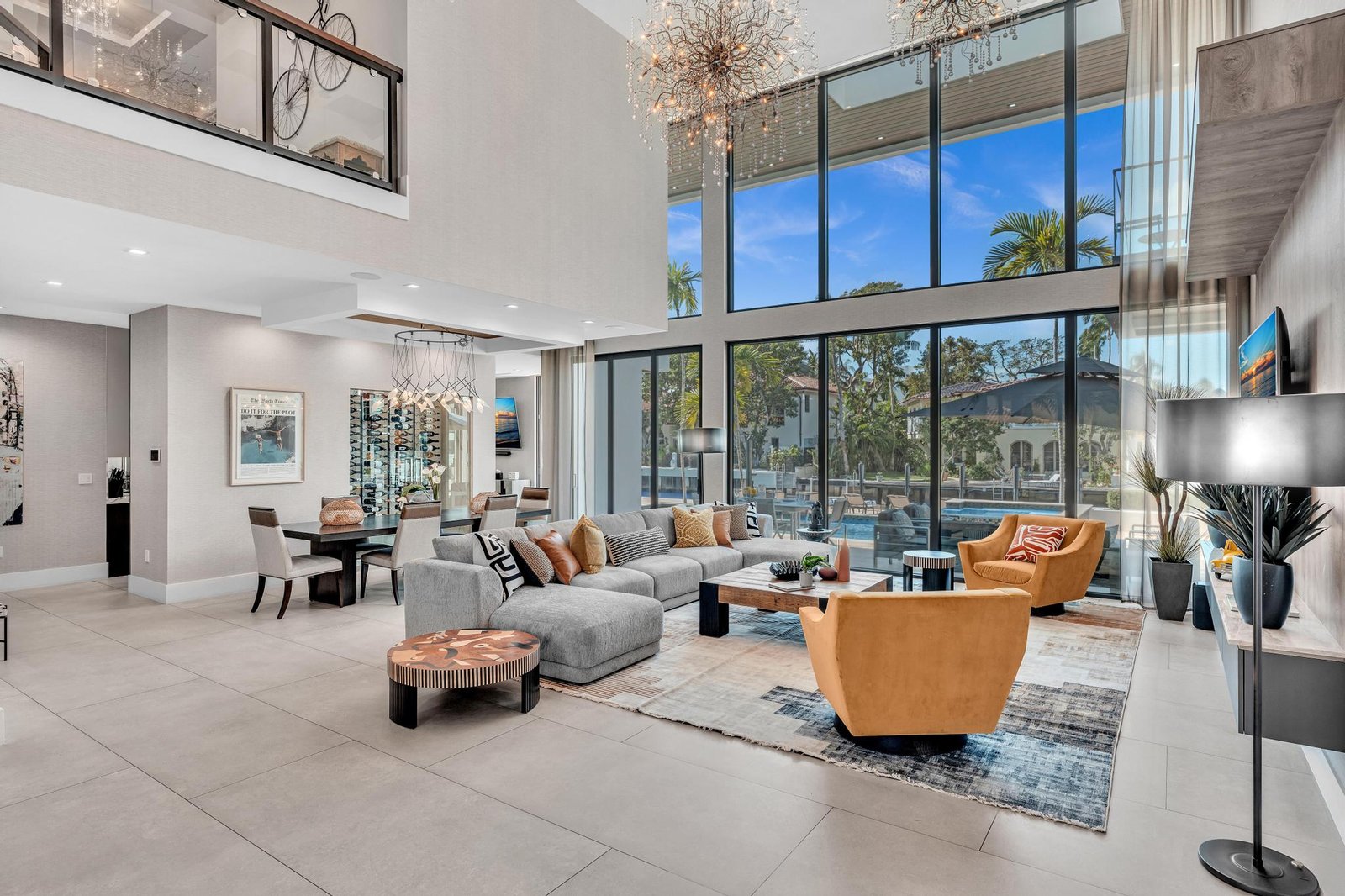
Effective luxury home management is structured, documented, and preventative. The goal is to reduce emergency calls, protect finishes, and maintain insurability. We recommend evaluating services against clear benchmarks rather than marketing promises. The 10 Must-Have Services for Luxury Home Management typically include:
- Comprehensive property inspections with moisture readings, thermal imaging, and photo documentation.
- Preventative HVAC and dehumidification service calibrated for coastal humidity levels (target 45 – 55%).
- Smart home systems monitoring with firmware updates and surge protection.
- Roof and building envelope inspections compliant with Florida Building Code requirements.
- Vendor coordination and accountability tracking.
- Insurance and risk review, including guidance similar to landlord liability insurance coverage standards.
- Storm preparation protocols for hurricane season.
- Financial reporting and budgeting.
- Landscape and irrigation oversight to prevent foundation saturation.
- Security and access control management.

Process, Cost Factors, and What to Expect
Before selecting a team, ask detailed operational questions – not just pricing. Oversight should follow a defined process:
- Initial property audit with systems inventory and risk assessment.
- Creation of a preventative maintenance calendar aligned with manufacturer guidelines (for example, quarterly condensate line flushing per HVAC manufacturer specifications).
- Vendor vetting and license verification.
- Monthly or quarterly reporting with photographic documentation.
Protect Your Investment with Structured Oversight
Luxury homes require coordinated systems management – not scattered vendor calls. We help owners implement structured inspections, preventative maintenance, and risk controls that protect property value and reduce long-term costs. If you’re evaluating the 10 Must-Have Services for Luxury Home Management, get expert guidance before signing a contract or delegating oversight. Our team can assess your property, identify vulnerabilities, and design a management plan aligned with Fort Lauderdale’s climate and regulatory requirements.
FAQs
What makes luxury home management different in Fort Lauderdale?
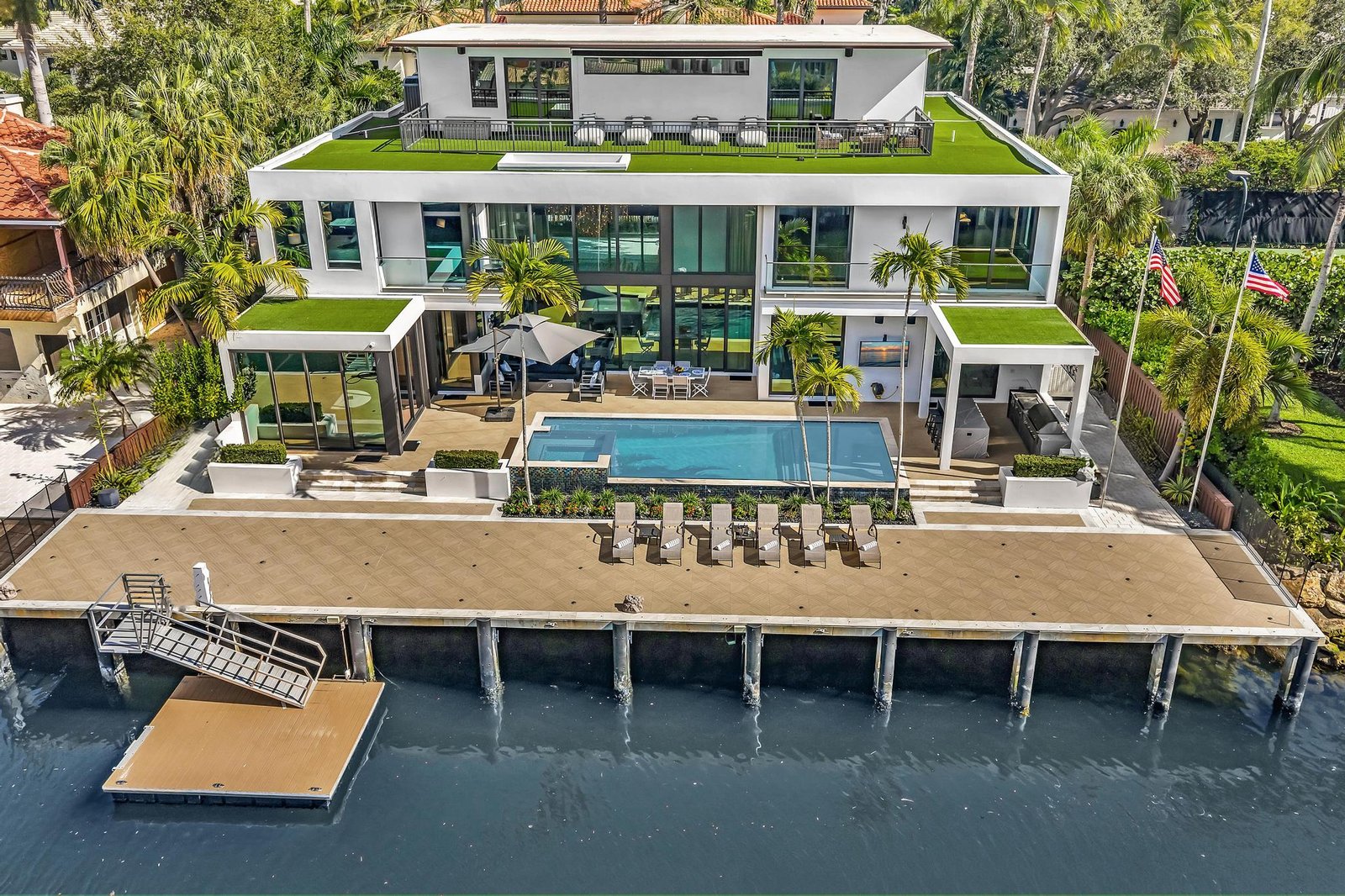
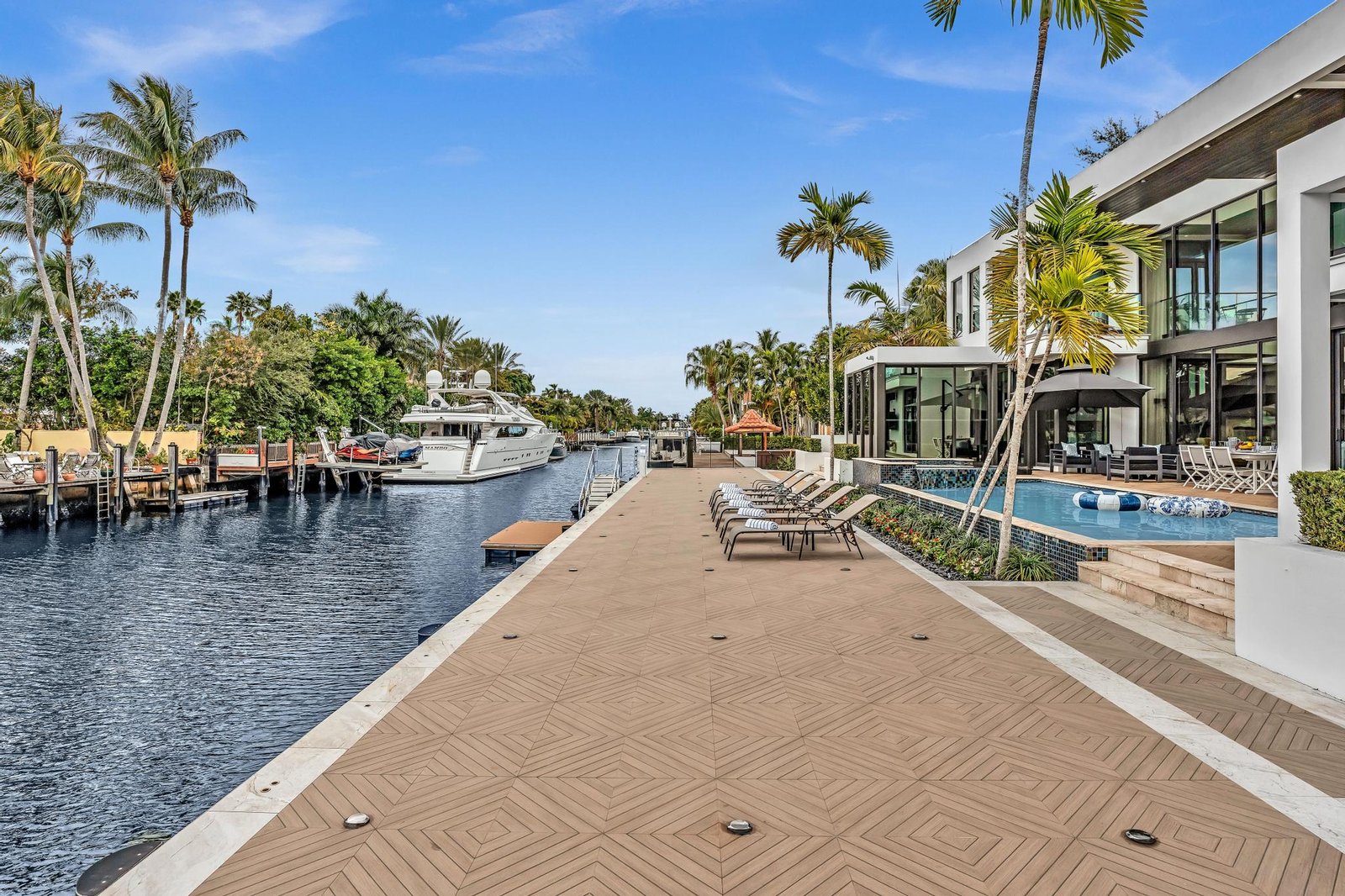
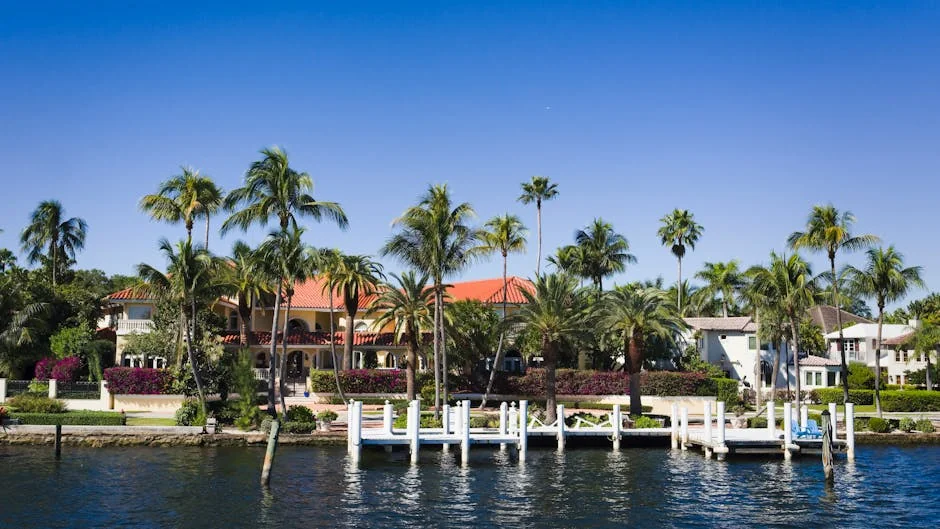
Fort Lauderdale’s coastal climate creates accelerated wear from salt air, high humidity, and hurricane exposure. Luxury properties often include rooftop HVAC systems, impact-rated glazing, dock structures, and smart home automation that require coordinated oversight. Without humidity control between 45 – 55%, mold growth can develop behind millwork and within wall cavities. Seawalls and docks require periodic inspection for corrosion and spalling. Storm preparation protocols must align with Florida Building Code wind-load requirements. Luxury home management here focuses on corrosion prevention, moisture monitoring, storm readiness, and documentation for insurance carriers. Skipping structured oversight typically results in higher long-term repair costs and potential coverage disputes after storms.
How often should a luxury property be inspected?
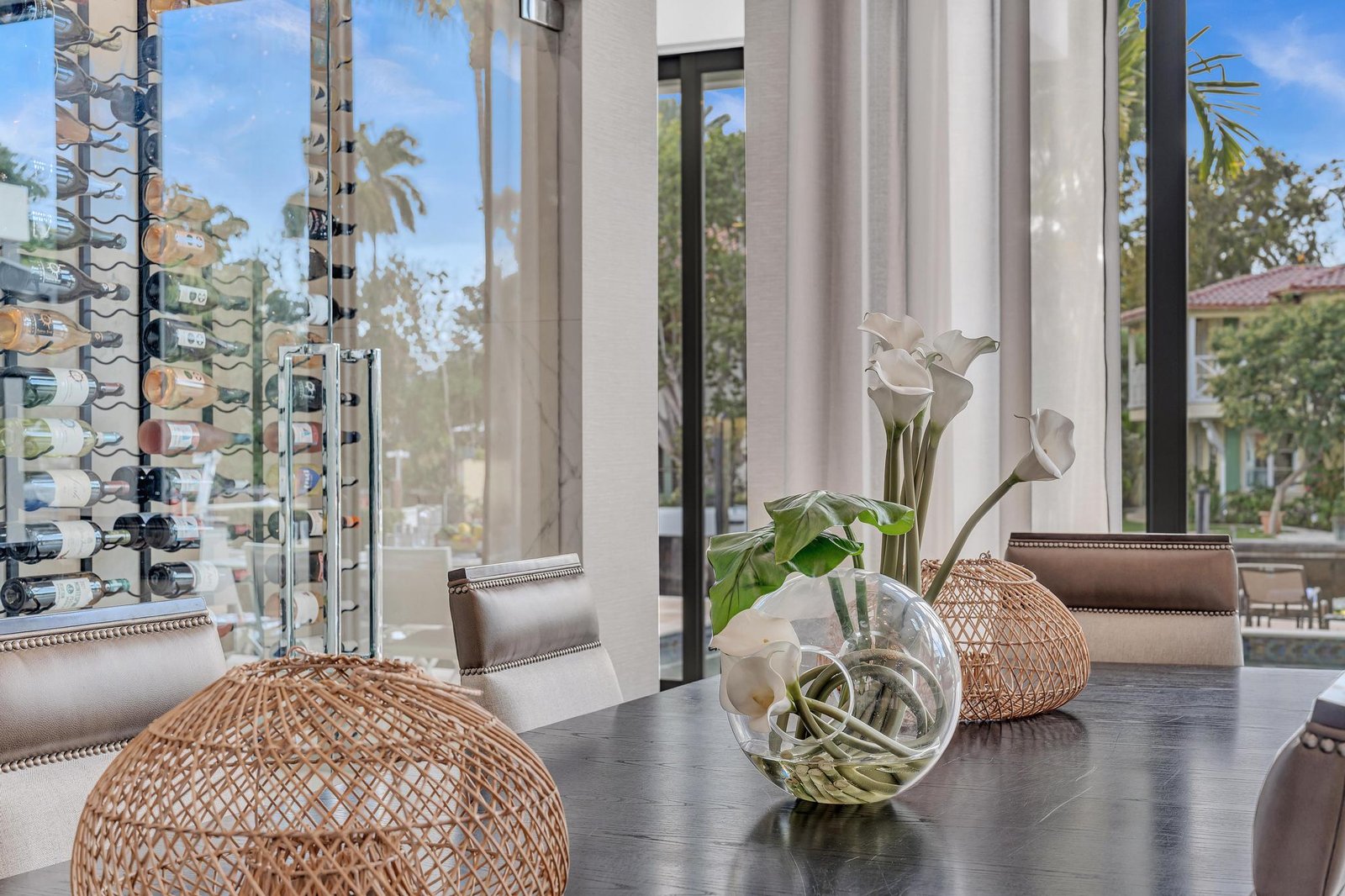
We recommend at least monthly visual inspections and quarterly detailed system reviews for most luxury homes. Waterfront or vacant properties may require biweekly checks during hurricane season. Detailed inspections should include moisture meter readings, HVAC performance checks, roof condition reviews, and plumbing leak detection. Smart home systems should be reviewed for firmware updates and surge protection annually. Homes with custom finishes or wine rooms may require calibrated humidity monitoring systems. The frequency ultimately depends on occupancy, exposure to salt air, and system complexity. A documented schedule reduces deferred maintenance and protects manufacturer warranties.
How much does luxury home management typically cost?
Luxury home management in Fort Lauderdale may range from $2,000 to $10,000 or more per month depending on the property. Costs may fluctuate based on site complexity, material costs, and total scope of services such as staffing, inspection frequency, concierge coordination, and storm preparation. Larger estates with advanced automation and waterfront exposure typically fall at the higher end. Initial audits or setup assessments might add additional one-time costs. Implementation timelines can range from several weeks to two months depending on vendor coordination and documentation needs. These figures are preliminary benchmarks for informational purposes only and do not constitute a binding quote. An on-site evaluation is required for a final proposal.
Can homeowners handle luxury home management themselves?
Owners can manage basic tasks like reviewing invoices, scheduling landscaping, or replacing air filters if they understand system requirements. However, luxury properties often include complex automation, humidity control systems, impact-rated assemblies, and insurance compliance requirements. Without proper documentation, warranty claims may be denied. Coordinating licensed vendors, verifying permits, and maintaining inspection logs requires consistent oversight. Many owners underestimate the time involved until issues surface. For primary residences with simple systems, partial self-management might work. For large estates, waterfront homes, or absentee ownership, professional coordination reduces risk and preserves value.
What warning signs suggest management gaps?
Recurring HVAC condensation issues, musty odors, unexplained increases in energy bills, peeling exterior finishes, and inconsistent irrigation are early indicators. In Fort Lauderdale, corrosion on outdoor fixtures or rooftop equipment signals salt exposure concerns. Water intrusion around impact windows may indicate seal failure. Lack of inspection reports or incomplete vendor documentation suggests reactive oversight. If storm preparation feels rushed each season, planning may be inadequate. Addressing these signals early prevents structural damage, mold remediation, or insurance complications. Routine documentation and preventative maintenance significantly reduce these risks.
What are the most common luxury home problems in Fort Lauderdale?
High humidity and salt-air corrosion top the list. Rooftop HVAC systems often corrode faster than inland properties. Impact-rated windows can develop seal failures if not maintained. Irrigation overspray may saturate foundations, contributing to settlement concerns. Storm surge exposure can weaken seawalls and dock hardware. We also see automation failures when firmware updates are ignored. Many of these issues are preventable with scheduled inspections and documented maintenance. Fort Lauderdale’s environment rewards proactive care and penalizes neglect with accelerated deterioration and higher repair costs.
What credentials should a luxury home management team have?
Look for documented inspection protocols, proof of insurance, and vendor license verification processes. Familiarity with Florida Building Code requirements and FEMA flood zone considerations is essential. Teams should understand HVAC manufacturer maintenance schedules and humidity control standards. Affiliations with professional bodies such as the National Association of Residential Property Managers (NARPM) indicate adherence to ethical and operational standards. Ask for sample reports and emergency response plans. A qualified team provides structured documentation, transparent budgeting, and verified contractor oversight rather than informal coordination.
When should I schedule a professional review if nothing seems wrong?
Schedule a professional audit annually even if no obvious issues appear. Hidden moisture behind walls, minor roof membrane deterioration, or early corrosion may not be visible. Pre-hurricane season reviews in late spring are especially beneficial in Fort Lauderdale. If the property has been vacant, recently purchased, or recently renovated, schedule a comprehensive inspection sooner. Immediately document any small leaks, humidity spikes above 60%, or unusual system noises. These are not emergencies, but they justify prompt evaluation. Early intervention typically costs far less than structural repairs or mold remediation.