
Luxury Condo Management in Miami Beach: 12 Essentials Every Board Should Know
May 6, 2026
- By
- 3lmg
- Luxury Condo Management Experts
Many boards believe luxury condo management is mostly about aesthetics and concierge service. At 3lmg, we’ve been guiding associations through luxury condo management in Miami Beach for years of experience, and we’ve seen that the real work happens behind mechanical rooms, on rooftops, and inside reserve studies. In one oceanfront tower, a “minor” waterproofing issue on a pool deck turned into structural concrete repairs because routine inspections were skipped. The misconception is that high-end finishes automatically mean low risk. In reality, salt air, hurricane exposure, and strict Florida regulations demand proactive oversight. When boards delay maintenance or ignore compliance, the consequences show up as special assessments, insurance disputes, and even safety violations. If you’re exploring reserve planning strategies or reevaluating your management approach, understanding the essentials below can prevent six-figure surprises and protect both property values and resident safety.
Standards, systems, and oversight that protect high-rise value
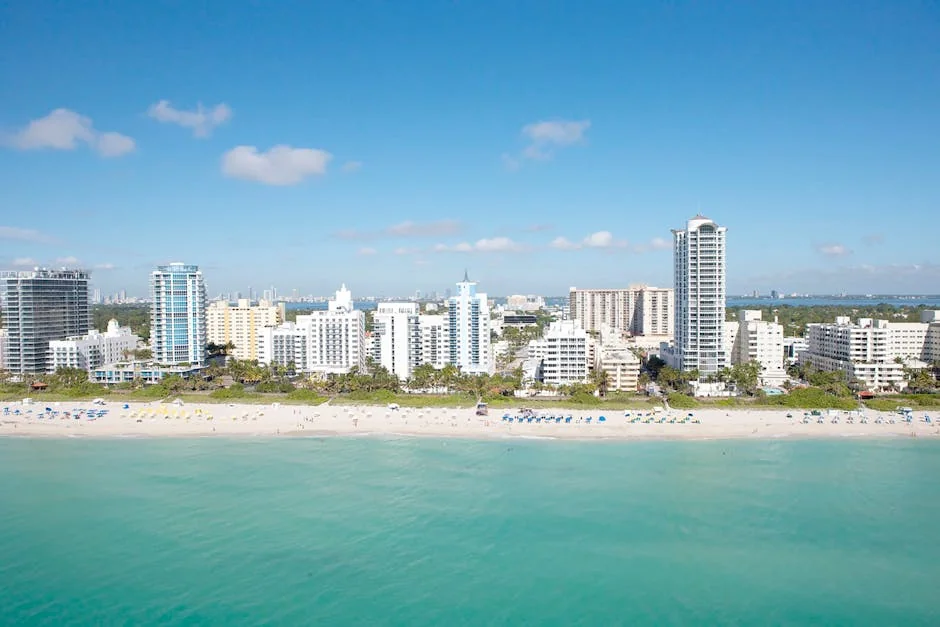
Strong luxury condo management begins with structured oversight, not reactive fixes. We focus first on compliance, second on lifecycle planning, and third on transparent financial forecasting. Those three pillars prevent emergency assessments and insurance complications. Professional management in Miami Beach should include:
- Regulatory compliance tracking: Monitoring Florida Statute 718 (Condominium Act) requirements, milestone inspections under 553.899, and local recertification timelines.
- Preventive maintenance schedules: Quarterly roof inspections, annual façade surveys, chiller oil analysis, and biannual fire pump flow testing per NFPA 25.
- Vendor vetting: Verifying Florida-licensed contractors, insurance certificates, and manufacturer certifications for systems like Trane or Carrier chillers.
- Reserve study updates: Component-based reserve analysis with remaining useful life projections and inflation-adjusted funding plans.
How to phase projects and avoid special assessments
Luxury buildings require multi-year planning. We recommend mapping capital projects on a 5 – 10 year schedule tied directly to a reserve study and engineering reports. Typical large-scale projects in Miami Beach may include:
- Concrete restoration and balcony repairs every 20 – 30 years
- Roof membrane replacement (TPO or modified bitumen) every 15 – 25 years
- Elevator modernization every 20 – 25 years
- Chiller replacement every 18 – 25 years depending on maintenance
- Site complexity and building height
- Material and equipment costs
- Total scope and extent of deterioration
Schedule a Luxury Condo Management Review
If your board is uncertain about reserve adequacy, inspection timelines, or mechanical system planning, we can provide a focused assessment tailored to your building. Our team evaluates compliance status, capital forecasting accuracy, maintenance documentation, and vendor performance. We outline where your building aligns with Florida statutes and where gaps could expose the association to structural, financial, or insurance risk. You receive a clear roadmap with prioritized actions and realistic timelines. Luxury condo management in Miami Beach demands proactive coordination between engineers, contractors, and board members. We help associations move from reactive repairs to structured long-term asset protection.
FAQs
What makes luxury condo management different in Miami Beach?
Luxury condo management in Miami Beach differs because of coastal exposure, high-rise density, and strict state oversight. Salt air accelerates corrosion of reinforcing steel, balcony railings, and mechanical equipment. Hurricane preparedness requires documented emergency plans, generator testing, and impact-rated glazing inspections. Florida Statute 553.899 mandates milestone inspections for certain buildings, and the Condominium Act (Chapter 718) governs reserve funding and disclosures. Luxury properties also include complex amenities – rooftop pools, spa systems, advanced HVAC plants, and smart access controls – that demand technical oversight. Managing these systems requires coordination with licensed engineers, elevator contractors, and fire protection vendors. Without structured preventive maintenance, associations face increased insurance premiums, code violations, and property value decline. In Miami Beach, proactive oversight is not optional; it directly protects structural integrity and financial stability.
How often should reserve studies be updated?
Most associations benefit from a full reserve study update every three to five years, with annual financial reviews in between. In Miami Beach, where construction costs and insurance premiums can shift quickly, more frequent updates may be appropriate. A proper reserve study evaluates remaining useful life for major components such as roofing, waterproofing membranes, elevators, chillers, fire alarm systems, and parking garage coatings. Engineers use site inspections, maintenance history, and cost databases to project replacement timelines. If your building recently completed a milestone inspection or structural integrity report, updating reserves immediately afterward ensures funding aligns with actual conditions. Relying on outdated projections often results in underfunded reserves and sudden special assessments when major systems fail earlier than expected.
What does luxury condo management typically cost in Miami Beach?
Management fees for luxury high-rises in Miami Beach may range from a few thousand dollars per month for smaller boutique buildings to significantly higher amounts for large oceanfront towers with extensive amenities. Full-service oversight that includes compliance tracking, preventive maintenance coordination, financial reporting, and capital planning typically starts higher than administrative-only contracts. Total cost can fluctuate based on:
- Site complexity and number of amenities
- Material and vendor costs in the local market
- Total scope of services and reporting requirements
Can a condo board manage a luxury building without professional help?
While a board can legally self-manage, doing so in a luxury high-rise environment carries risk. Florida statutes, milestone inspection requirements, insurance documentation, and vendor licensing verification require consistent administrative and technical oversight. Volunteer board members often have full-time careers and may not track preventive maintenance intervals, warranty requirements, or engineering follow-ups. Missing a required fire pump test under NFPA 25 or delaying façade repairs identified in a structural report can expose the association to liability. Professional management becomes especially valuable when coordinating large-scale projects such as elevator modernization or concrete restoration. For small boutique buildings with limited systems, partial management support may be sufficient. For most high-rise towers in Miami Beach, comprehensive professional oversight reduces financial and legal exposure.
What warning signs indicate poor luxury condo management?
Common warning signs include repeated emergency repairs, unclear financial reporting, and outdated reserve studies. If maintenance logs are incomplete or vendor contracts cannot be easily produced, oversight may be inconsistent. Physically, look for recurring water intrusion near balconies, rust staining on concrete, frequent elevator shutdowns, or inconsistent HVAC performance. These issues often indicate deferred maintenance rather than isolated failures. Boards should also question unexplained insurance premium spikes or lapsed inspection deadlines. In Miami Beach, ignoring early corrosion or waterproofing deterioration can accelerate structural damage. Addressing minor cracks or sealant failures early is significantly less expensive than full-depth concrete restoration after rebar corrosion spreads.
What are the most common problems for luxury condos in Miami Beach?
The most common problems include concrete spalling from salt intrusion, roof membrane failure from UV exposure, aging elevator control systems, and HVAC corrosion in mechanical rooms. Oceanfront buildings are particularly vulnerable to chloride penetration in reinforced concrete. Parking garages often show early signs of deterioration due to moisture and vehicle traffic. Without protective coatings and regular inspections, cracks allow water to reach reinforcing steel. Another recurring issue is outdated fire alarm systems that no longer meet current code requirements. Insurance pressures also affect Miami Beach properties. Carriers increasingly request documentation of structural inspections and maintenance records. Buildings that cannot produce clear records may face higher premiums or limited coverage options.
What should boards look for when hiring a luxury condo management company?
Boards should verify Florida licensing where applicable, confirm adequate insurance coverage, and request examples of compliance tracking systems. Ask how the company monitors milestone inspection deadlines and reserve funding requirements under Chapter 718. Strong candidates provide structured preventive maintenance calendars, digital documentation systems, and transparent financial reporting. Request references from similar high-rise properties in Miami Beach and review how capital projects were phased. If a company cannot explain how they coordinate with structural engineers or lacks familiarity with Florida Building Code requirements, that gap may create compliance risk. Look for clear communication protocols, defined vendor vetting procedures, and documented experience managing large-scale restorations.
When should a board schedule a professional management assessment?
Boards should consider a professional assessment when preparing for milestone inspections, updating reserve studies, facing repeated mechanical failures, or experiencing rising insurance premiums. Early evaluation helps identify gaps before they escalate. If your building has visible concrete cracking, frequent elevator outages, or inconsistent financial forecasting, scheduling a structured review is prudent. Even without urgent issues, a periodic operational audit every few years helps confirm compliance and maintenance alignment. In non-emergency situations, gather recent financial reports, inspection documents, and maintenance logs before the review. That preparation allows for a focused evaluation and actionable recommendations tailored to your building’s systems and regulatory obligations.