
North Miami Luxury Home Watch Cost Guide (2026): What Owners Should Expect to Pay
May 14, 2026
- By
- 3lmg
- Luxury Home Watch Specialists
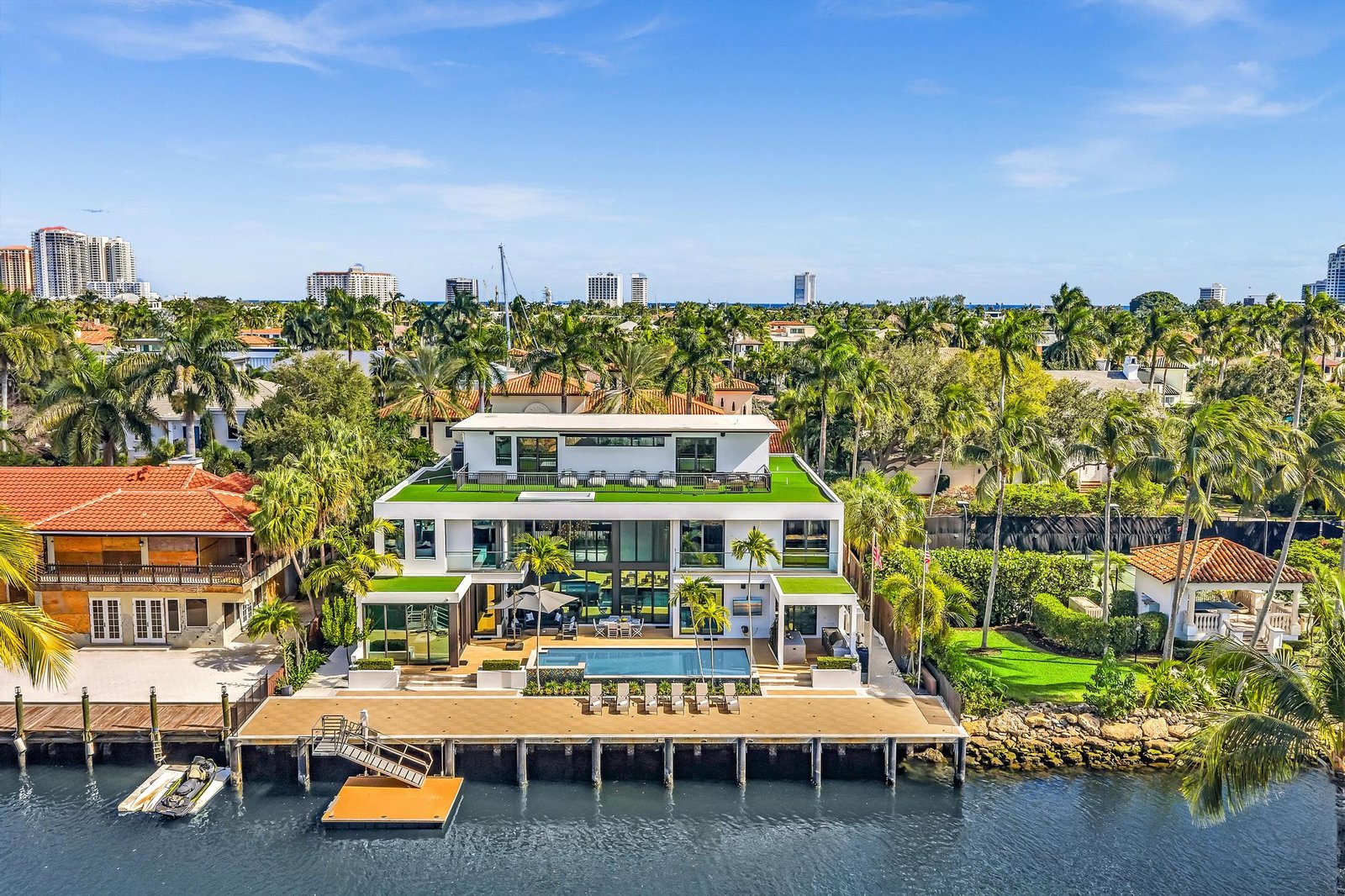
Most luxury home watch services in North Miami range from $50 to $125 per visit in 2026, with comprehensive weekly programs for larger waterfront estates often exceeding $600 to $1,200 per month. At 3lmg, we’ve been helping clients evaluate North Miami luxury home watch cost for years of experience, and we’ve seen how pricing shifts based on property size, complexity, and risk exposure. The real expense isn’t the visit – it’s what happens when no one checks the property. One North Miami owner returned after hurricane season to find a failed condensate drain line that had been leaking for weeks. The drywall replacement and mold remediation cost more than three years of structured home watch visits. If you’re weighing cost, we recommend reviewing how preventive programs like our luxury home watch programs actually protect long-term property value before focusing only on the monthly number.
What Professional Oversight Should Include
The most effective home watch programs follow a written checklist, documented photos, and time-stamped reporting. Without documentation, there is no proof of inspection if an insurance claim arises. We structure inspections around high-risk systems first. A professional visit should include:
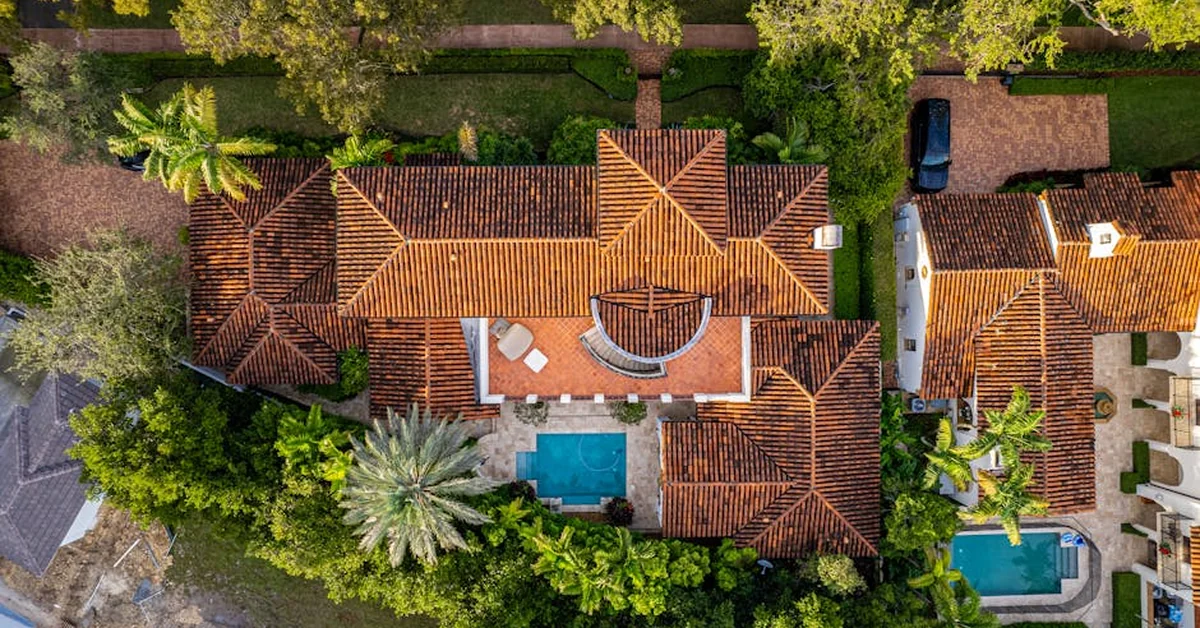
- Visual roofline and exterior envelope check for displaced tiles, flashing gaps, and stucco cracks
- Interior moisture scan around plumbing fixtures using a handheld moisture meter
- HVAC inspection: verify condensate drain flow, inspect air handler pan, confirm thermostat operation
- Electrical panel visual check for tripped breakers and heat discoloration
- Running water at fixtures and flushing toilets to maintain trap seals
- Photographic documentation stored in a client-access portal
How to Budget for 2026 and Avoid Expensive Oversights
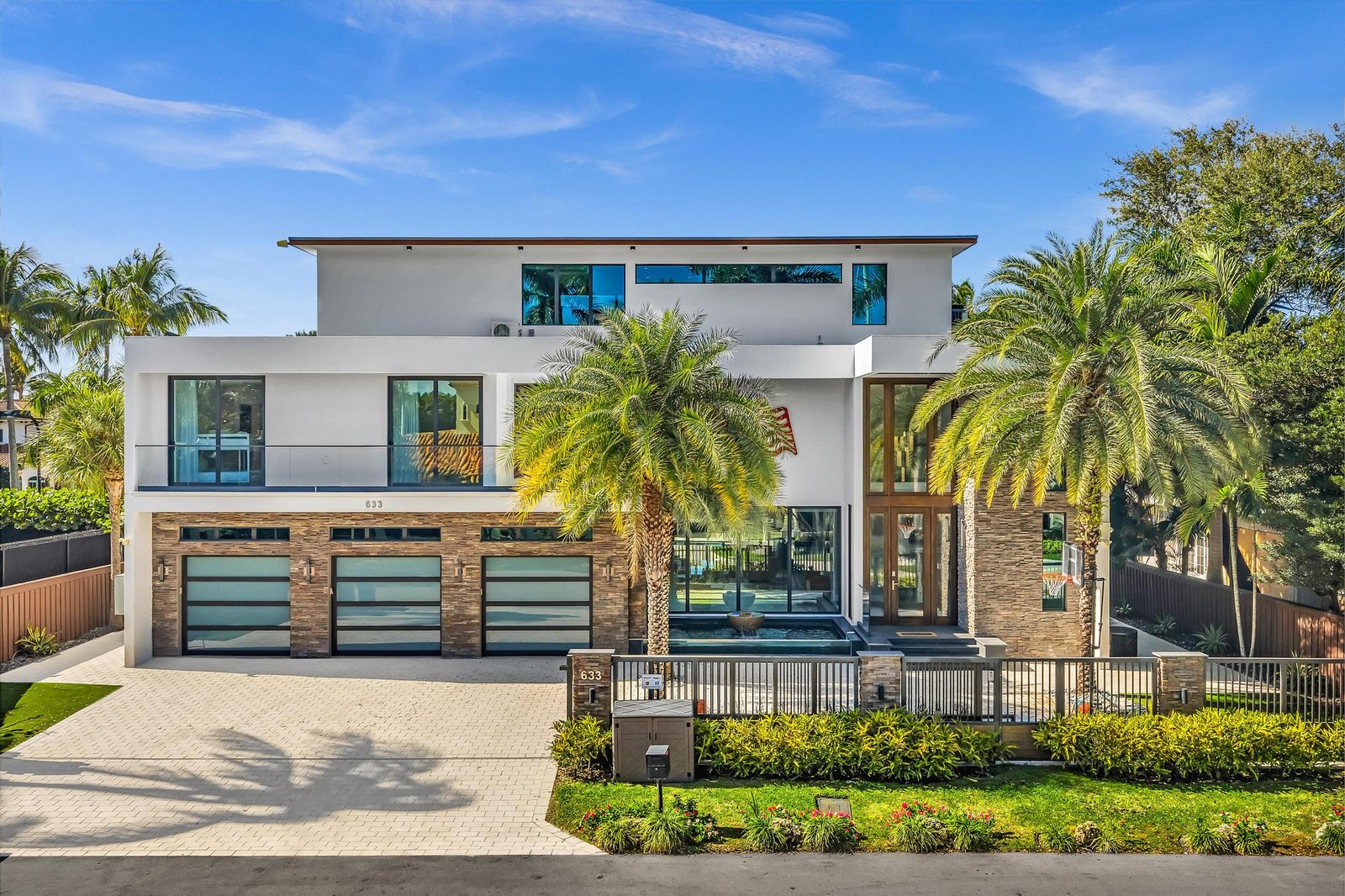
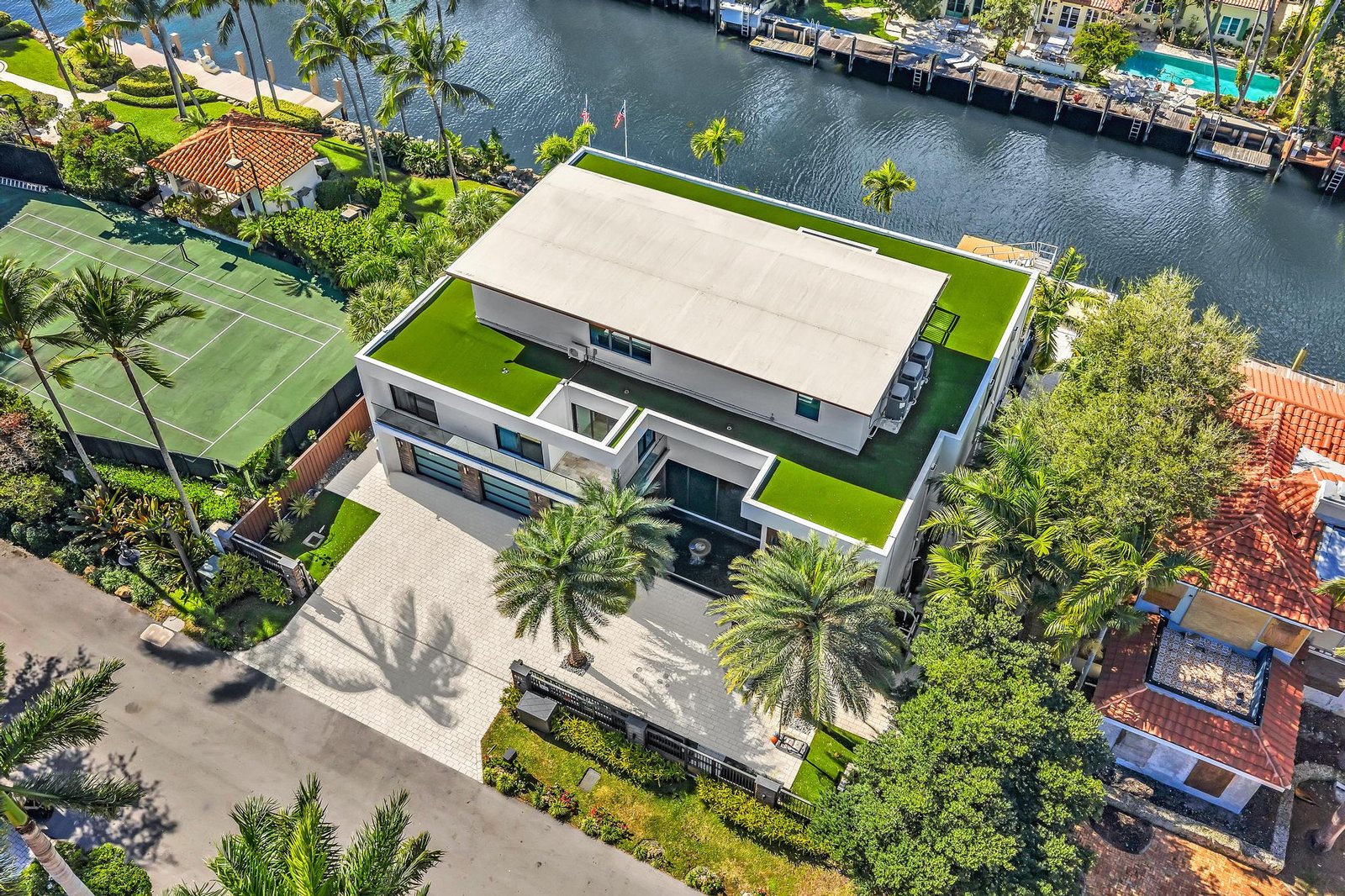
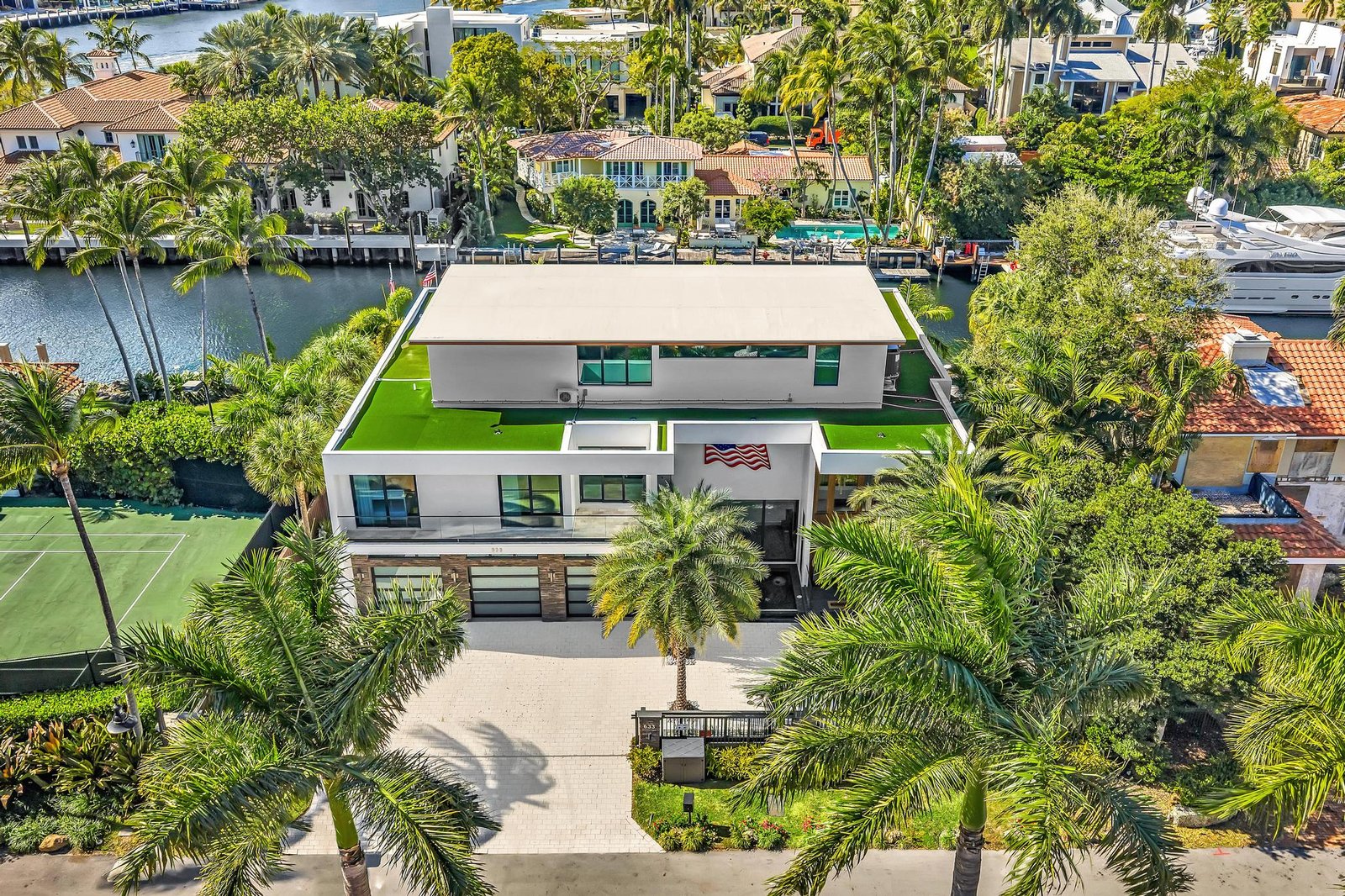
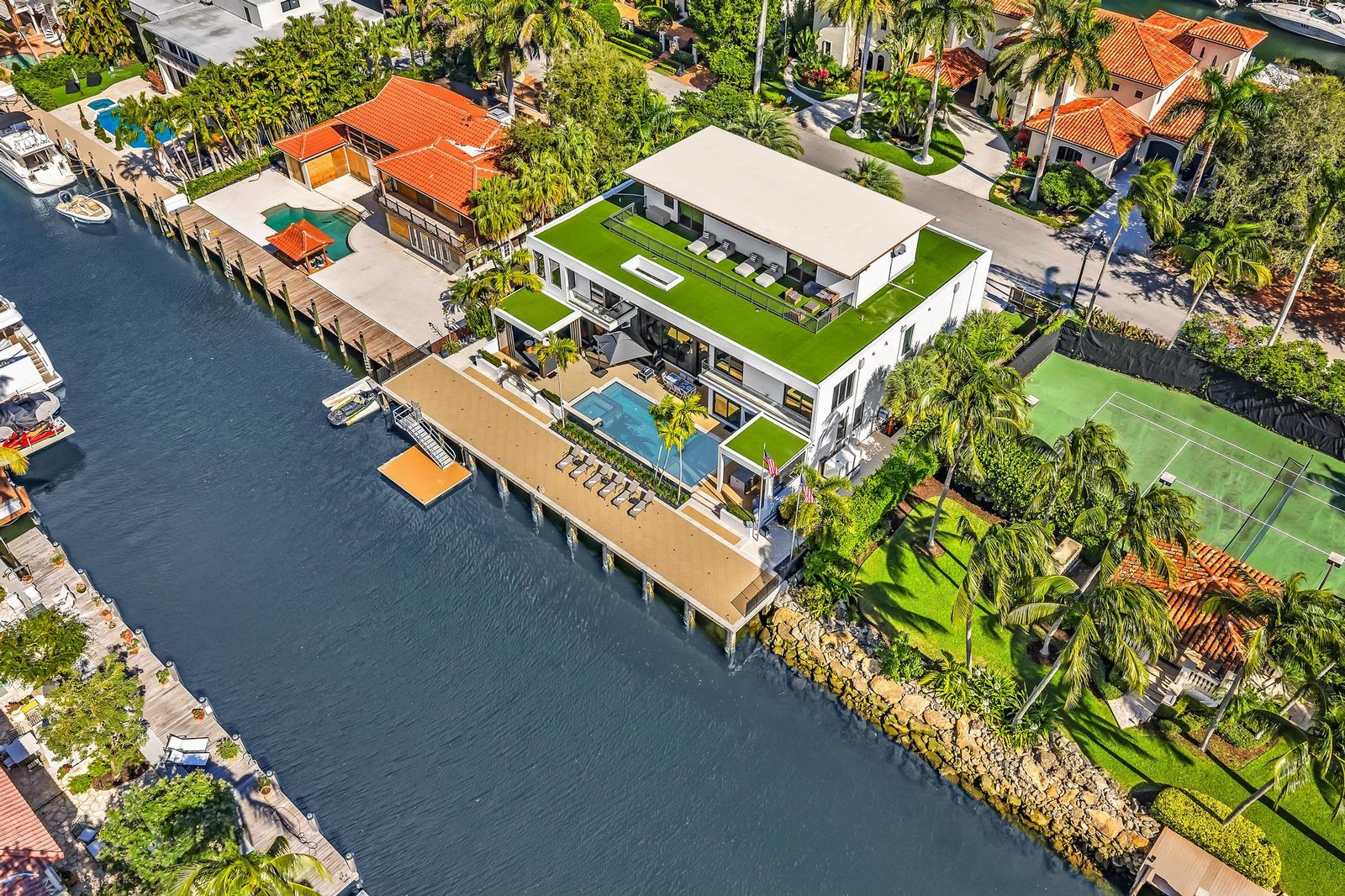
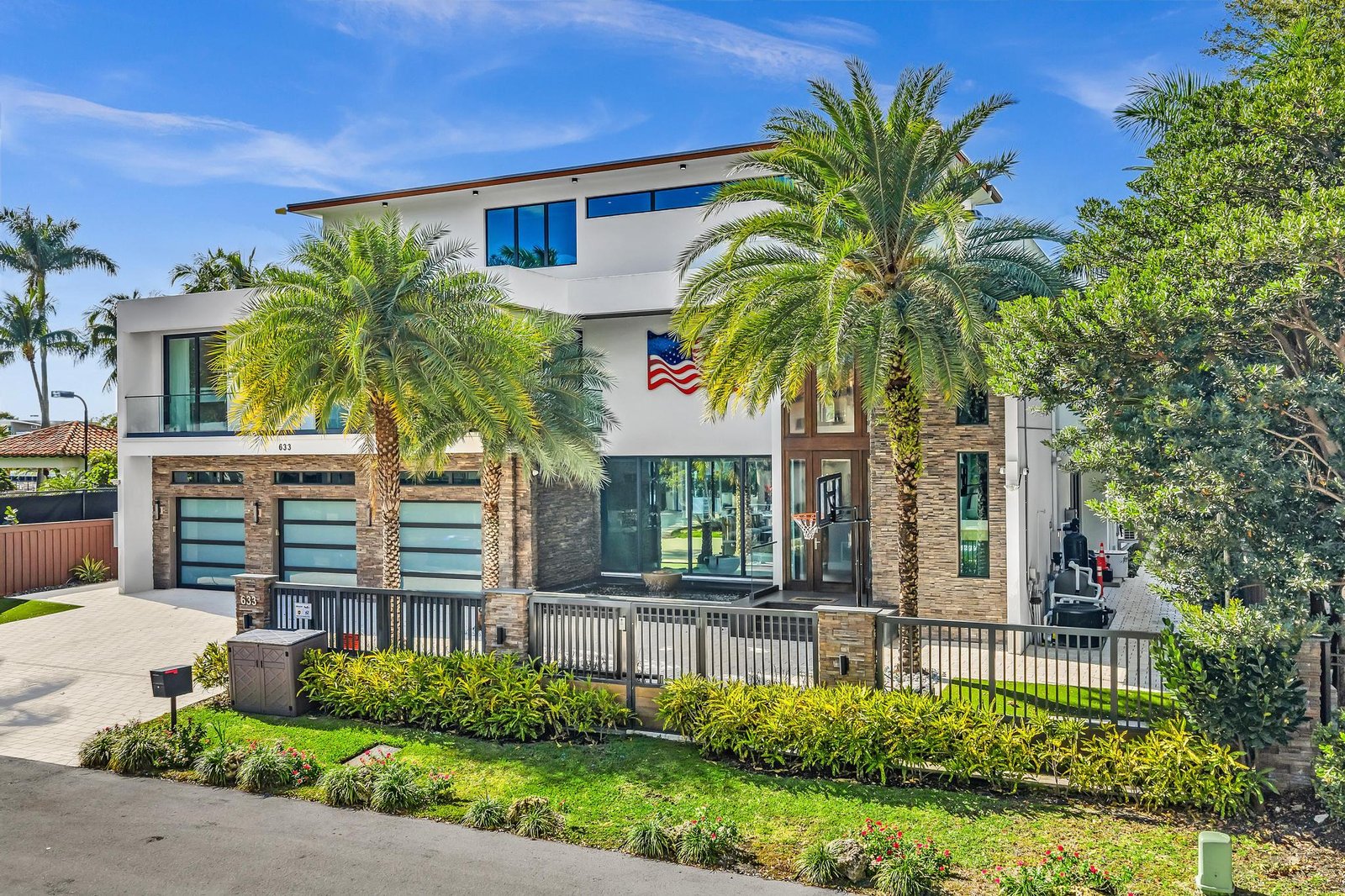
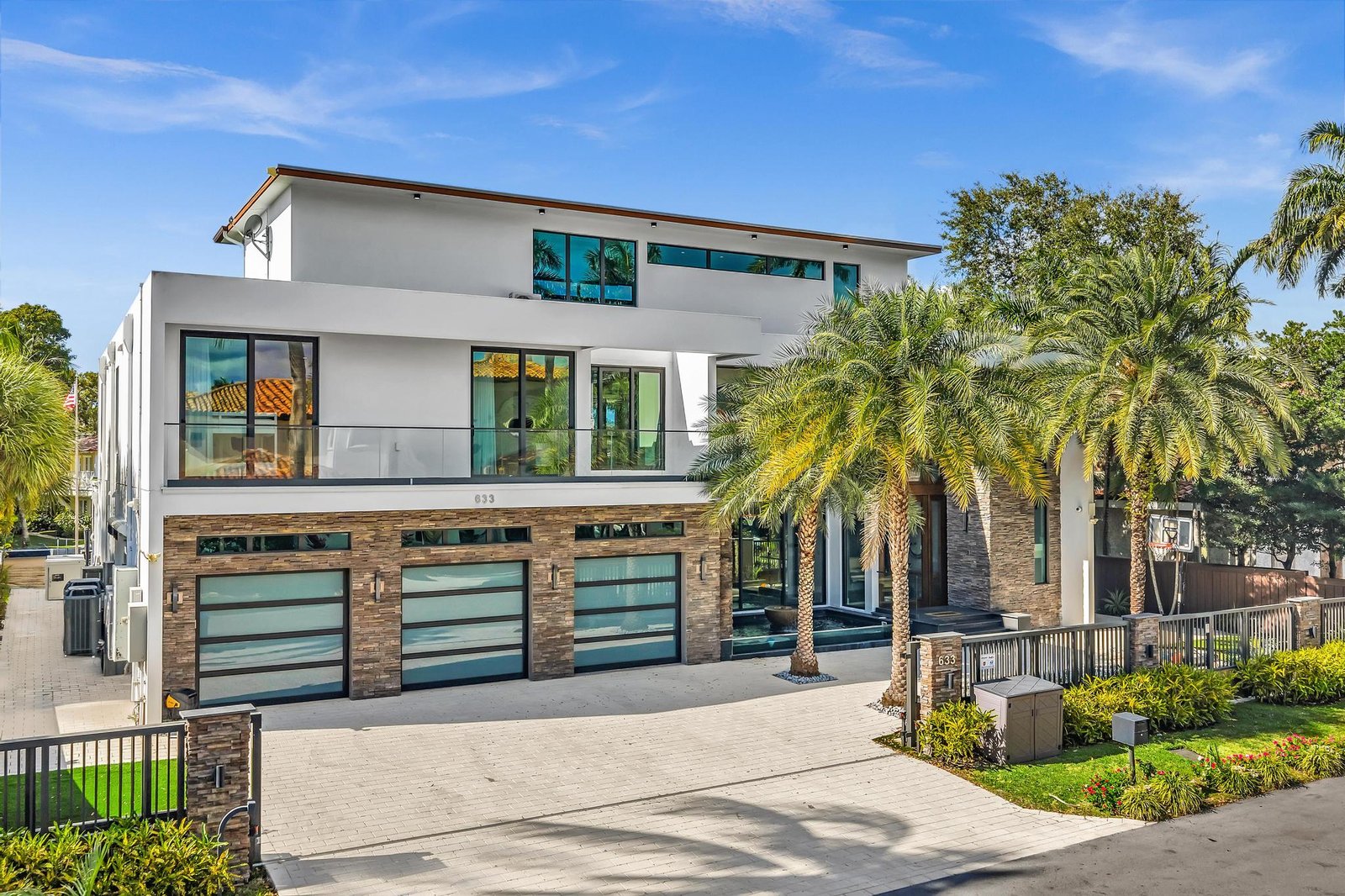
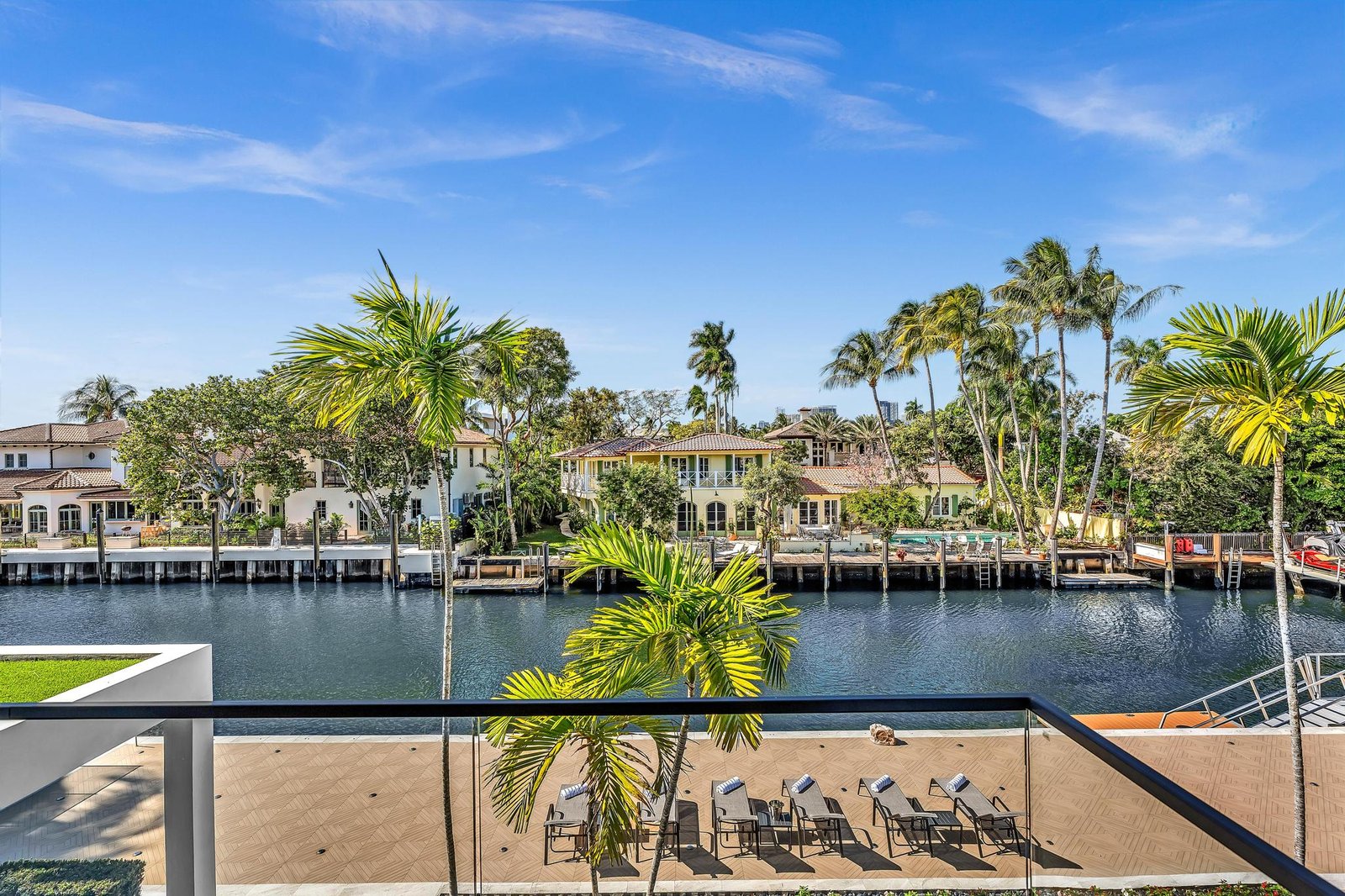
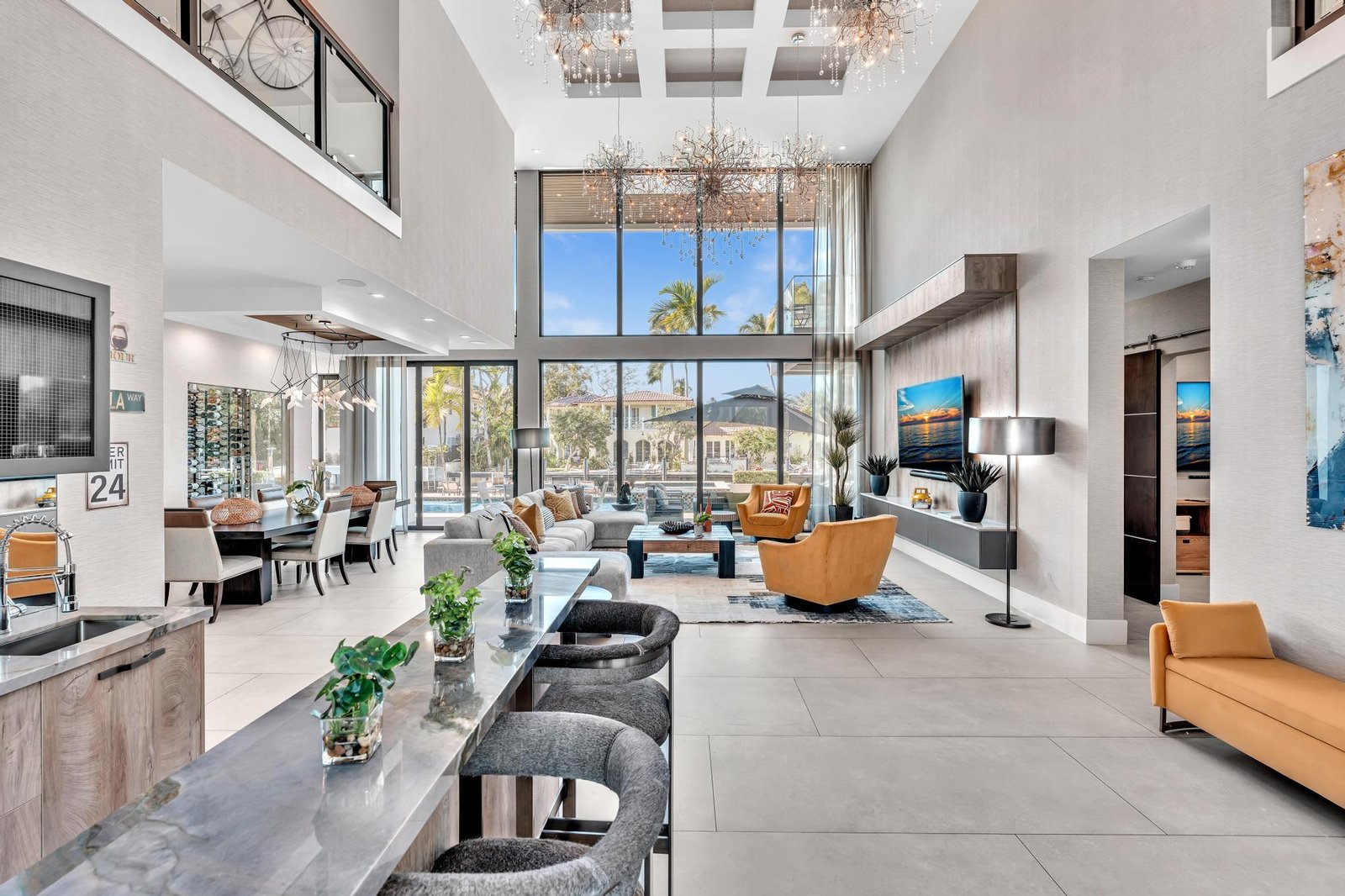
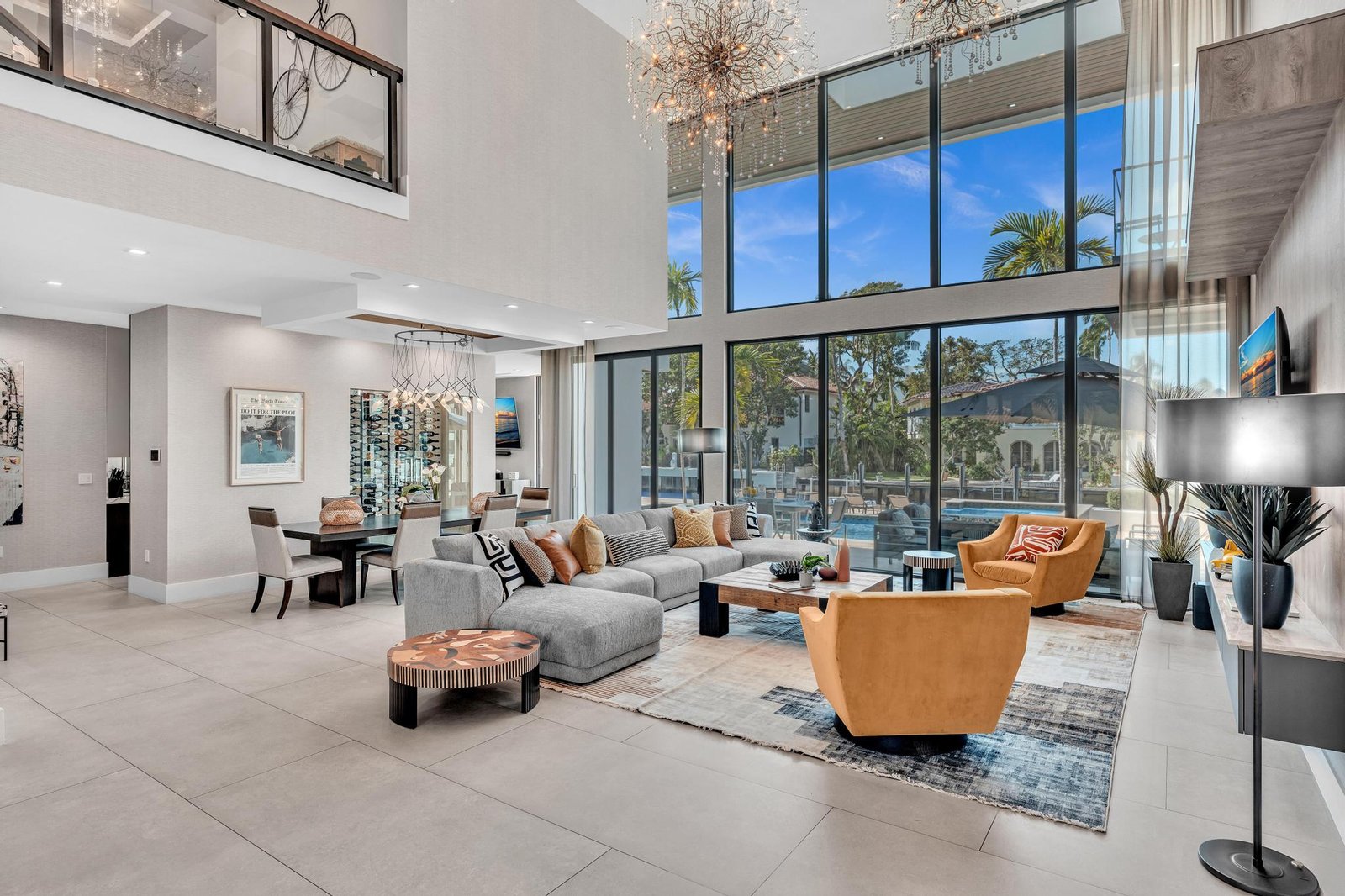
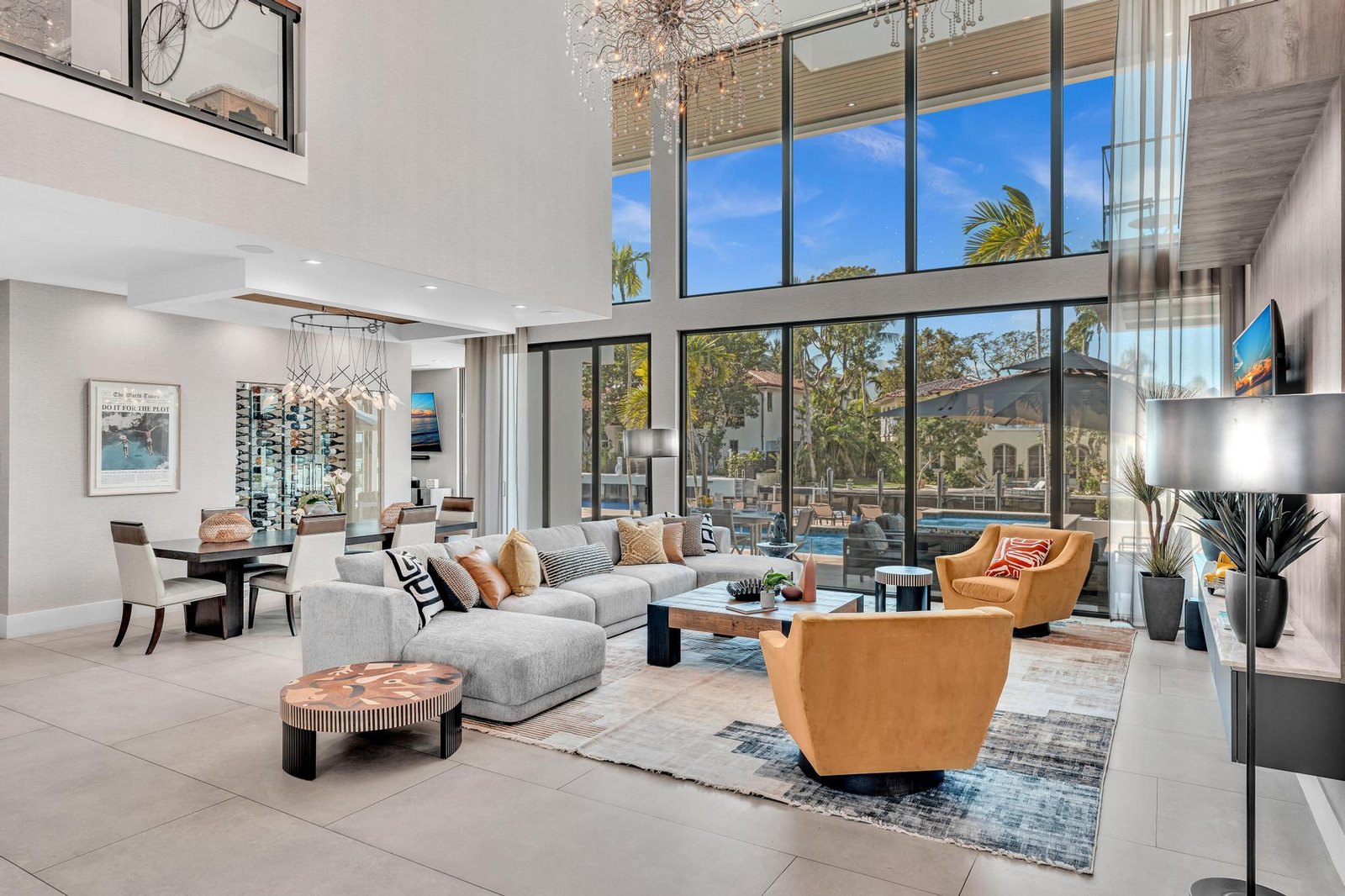
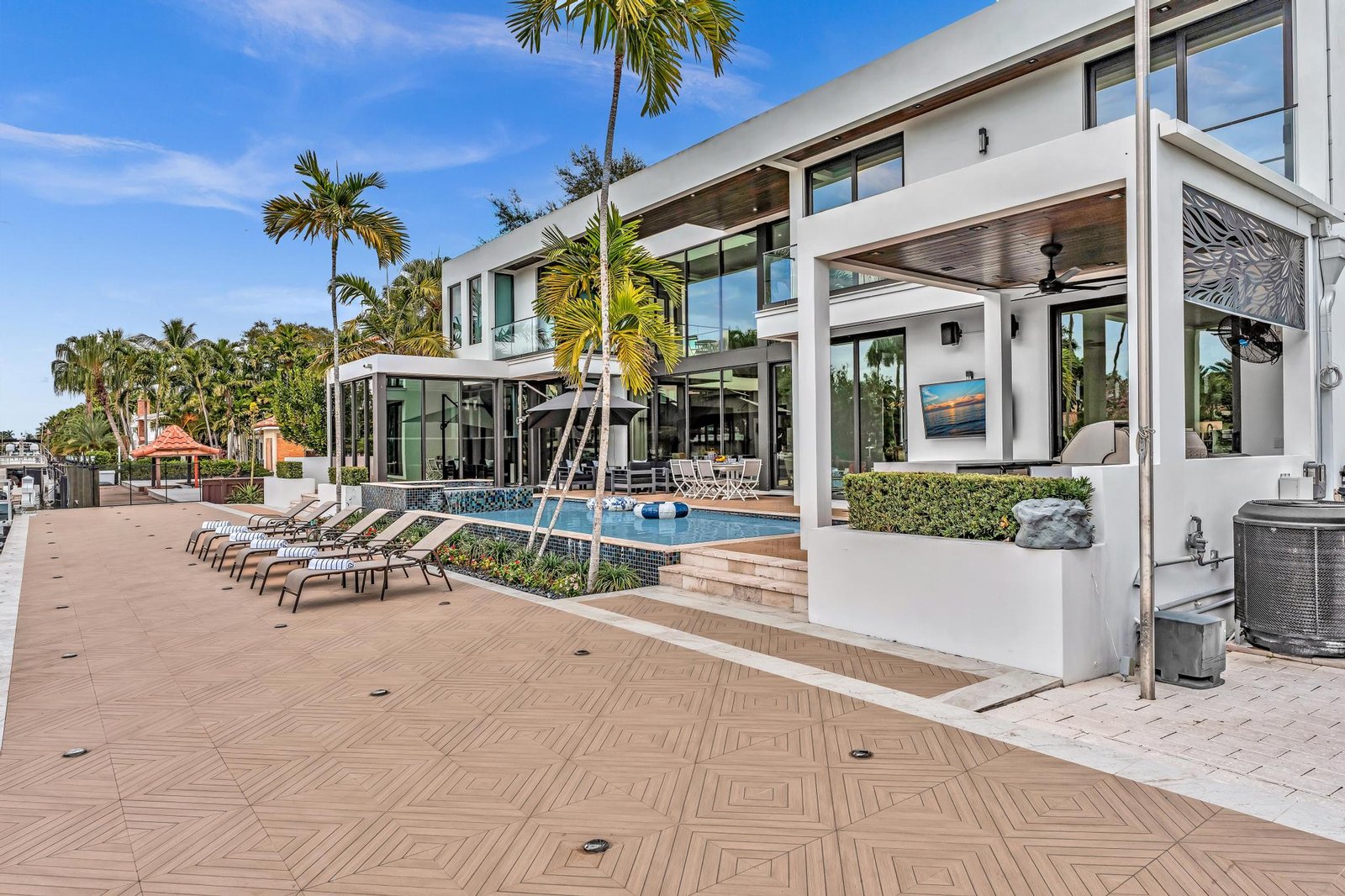
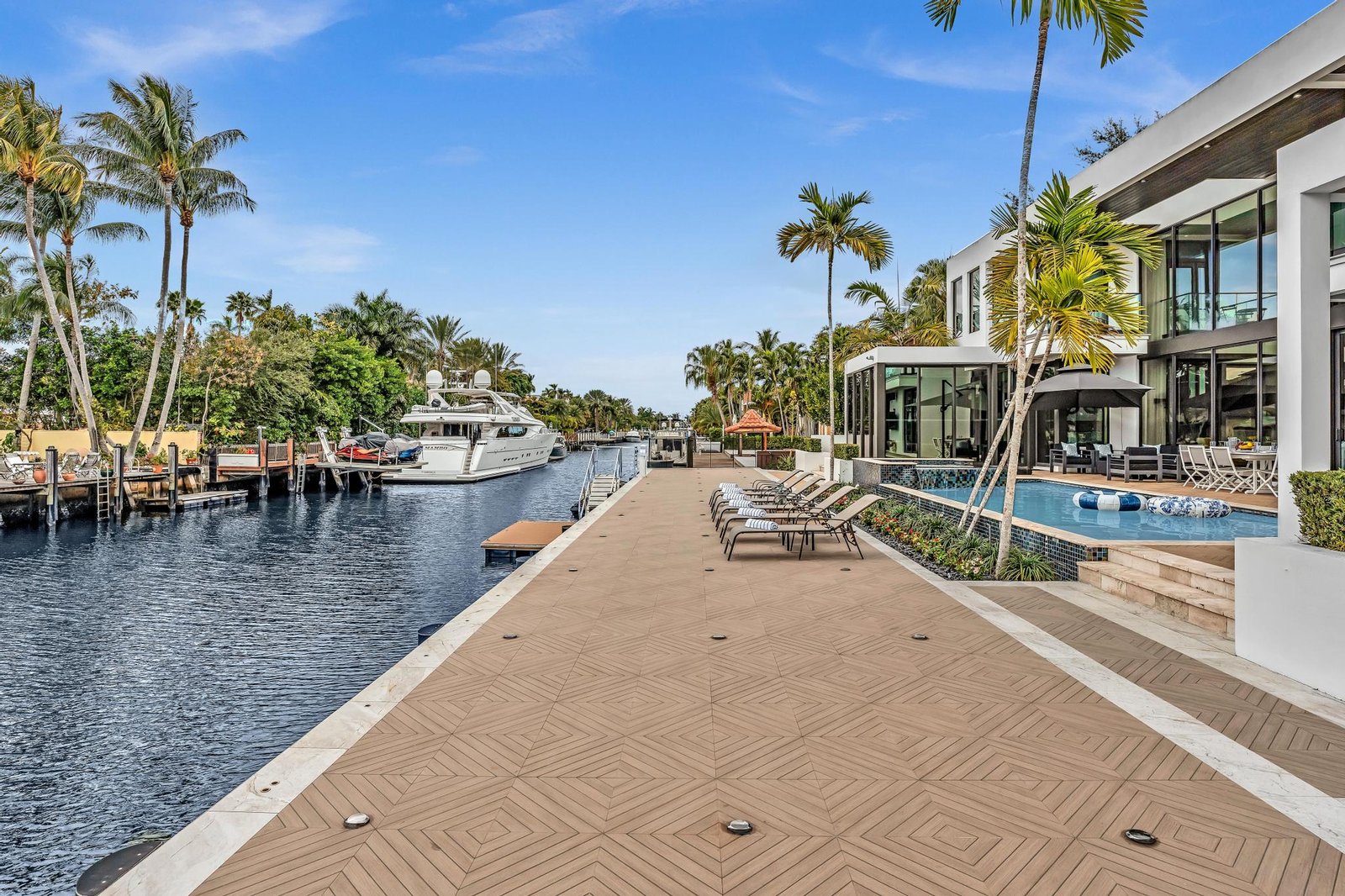
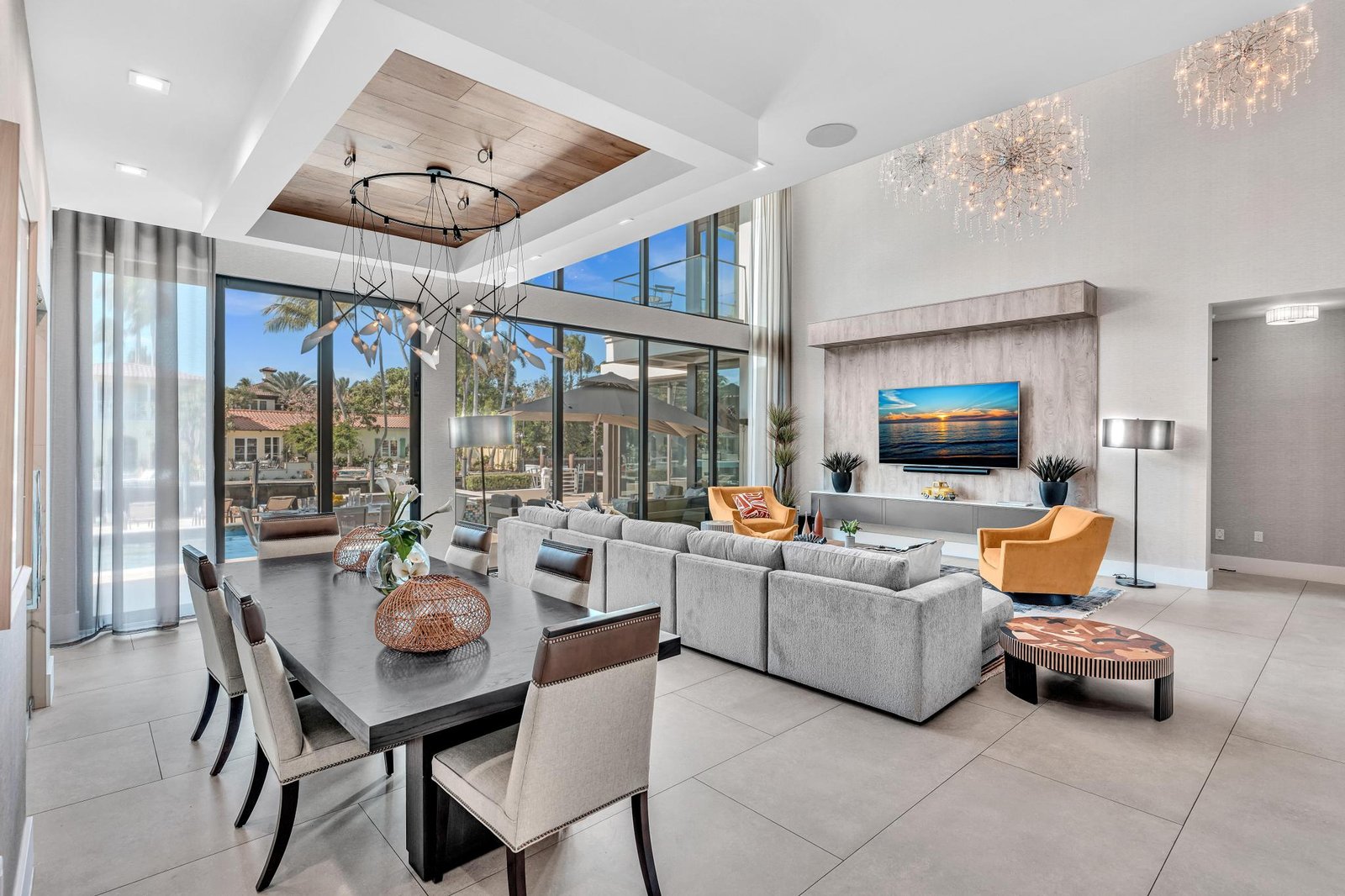
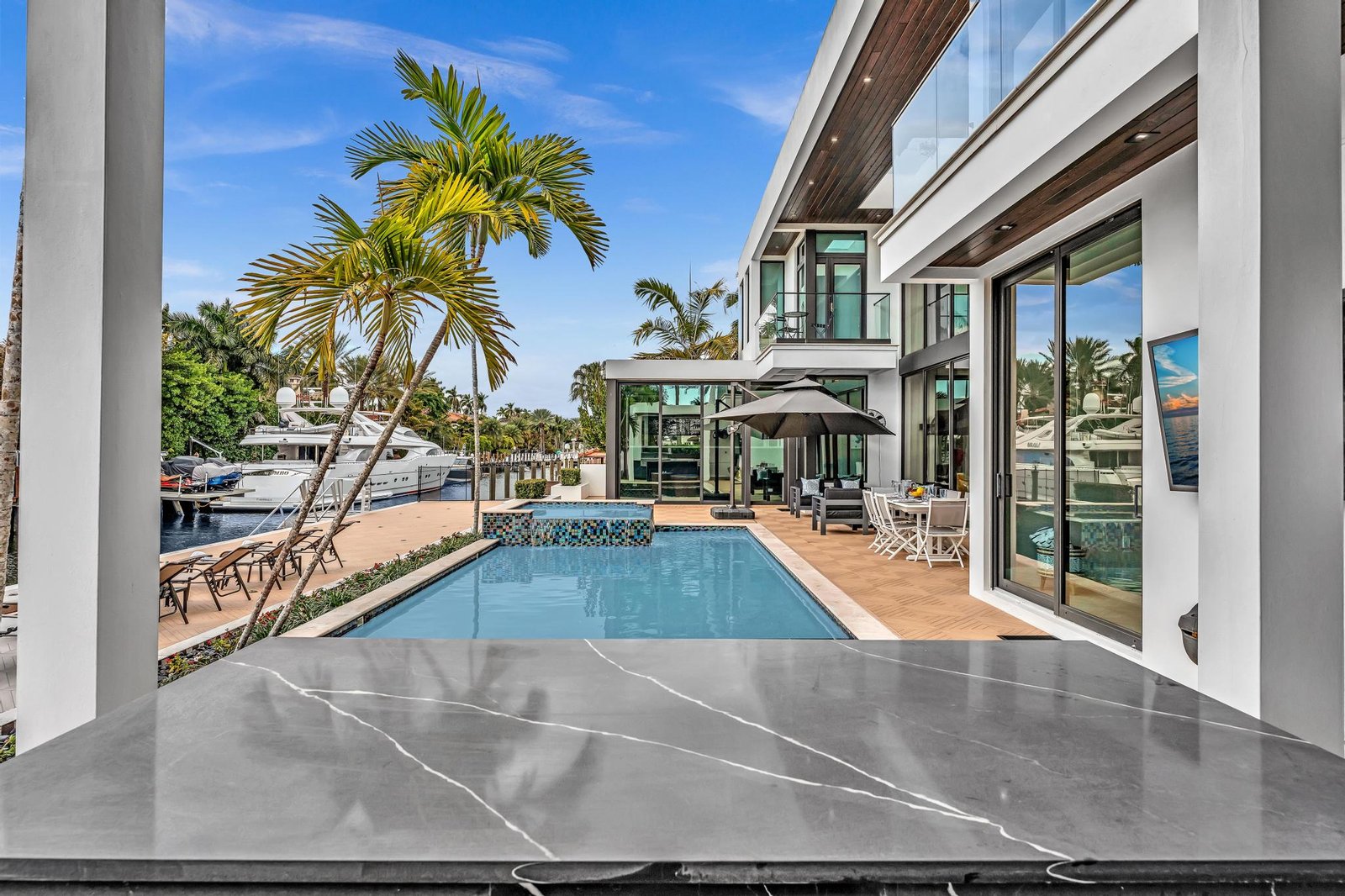
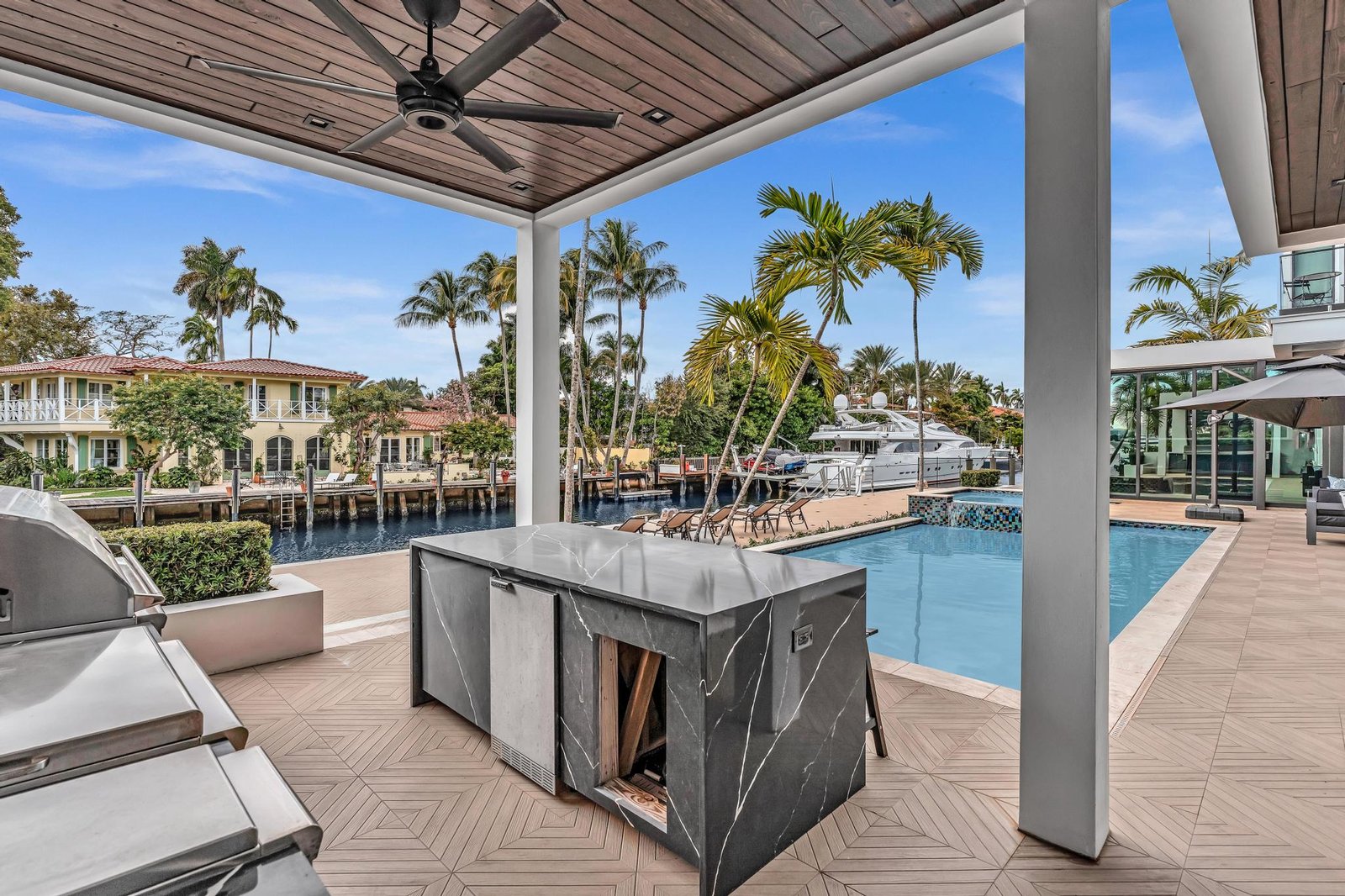
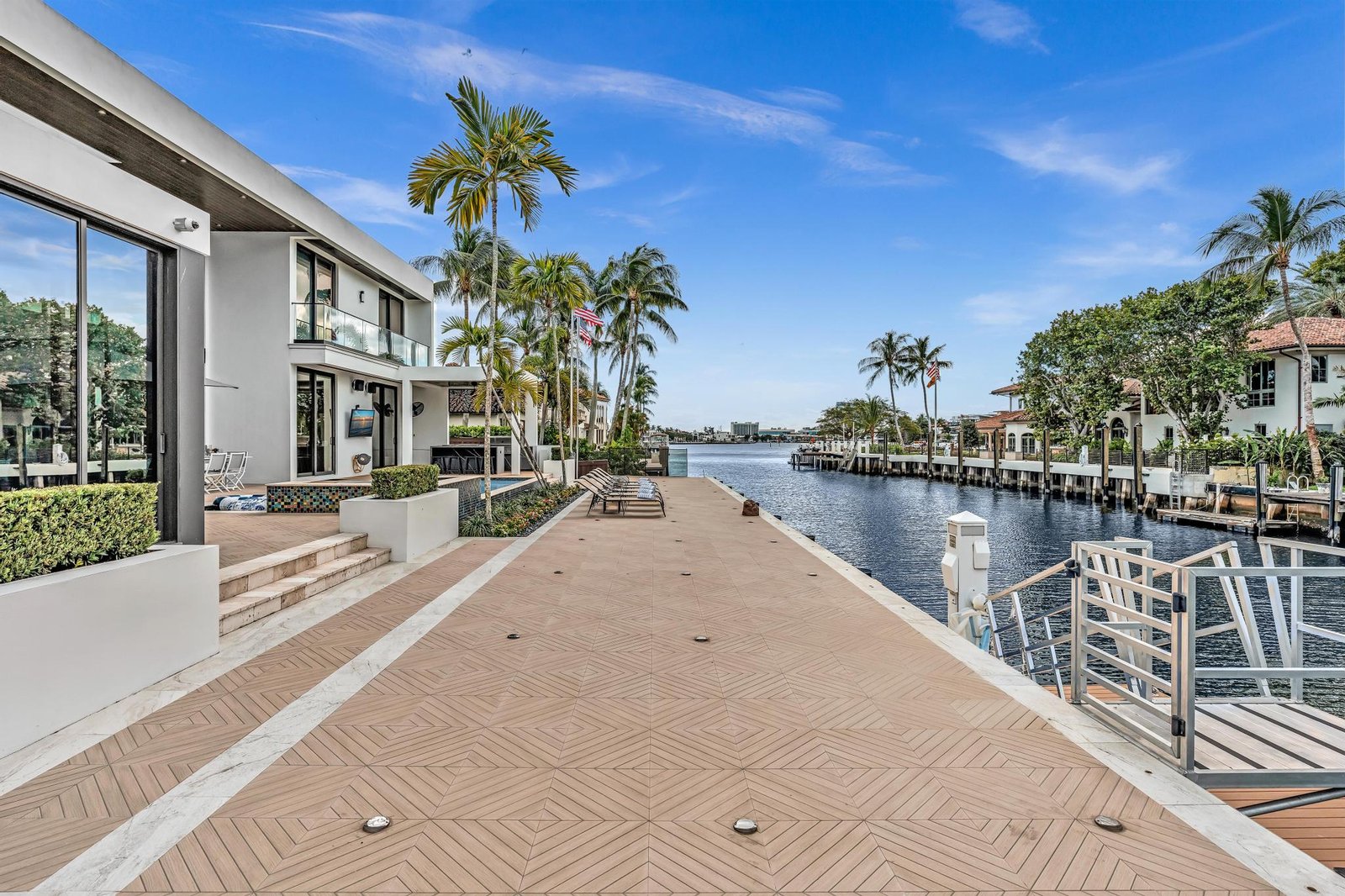
Pricing varies because risk exposure varies. A 2,500-square-foot condominium requires less inspection time than an 8,000-square-foot waterfront estate with multiple HVAC zones, an elevator, and a standby generator. Typical 2026 cost ranges in North Miami may include:
- Condominiums: $50 – $85 per visit
- Single-family luxury homes: $75 – $150 per visit
- Large estates with specialty systems: $150 – $300+ per visit
- Site complexity (size, number of systems, waterfront exposure)
- Material and finish sensitivity (custom woodwork, natural stone, smart systems)
- Total scope (post-storm checks, vendor coordination, concierge tasks)
Protect Your Investment Before the Next Season
Luxury property ownership in North Miami carries real exposure to humidity, storms, and system failures while vacant. A structured home watch program reduces the likelihood of major repairs, supports insurance documentation, and preserves high-end finishes that are expensive to replace. If you’re evaluating your options, we can review your property size, systems, and risk profile and outline a clear inspection scope with transparent pricing. No pressure, no generic packages – just a detailed plan aligned with how your home is actually built and used. A brief on-site walkthrough allows us to identify system complexity, confirm inspection frequency, and provide a realistic proposal tailored to your property.

FAQs
How often should a luxury home in North Miami be checked?
For most vacant luxury homes in North Miami, weekly inspections provide the best balance between cost and risk reduction, especially from May through October when humidity and storm activity peak. High-end properties with multiple HVAC zones, wine rooms, elevators, or smart leak detection systems benefit from consistent oversight because more systems create more potential failure points. Biweekly visits may work for smaller condominiums with building-managed exterior systems, but interior plumbing, air handlers, and electrical panels still require inspection. We’ve seen condensate line clogs develop in under two weeks during high humidity. Weekly checks help catch that before drywall or flooring is affected. Insurance carriers may also expect reasonable property monitoring when a home is unoccupied for extended periods. Reviewing your policy’s vacancy clause helps determine whether more frequent documented inspections are appropriate for compliance and claim protection.
What’s typically included in a luxury home watch visit?
A professional visit focuses on systems most likely to cause costly damage if they fail. That includes HVAC air handlers and condensate drains, plumbing supply lines and shutoff valves, water heaters, electrical panels, and visible roof or ceiling staining. We also recommend running faucets and showers briefly to maintain trap seals, flushing toilets, checking under sinks with a flashlight, and verifying thermostat settings. In higher-end homes, visits often include checking generator status lights, confirming surge protection indicators, and reviewing leak detection sensors. Each visit should produce time-stamped photos and written notes. Documentation matters because it demonstrates active oversight if an insurance question arises. If a service provider cannot show you a sample inspection report, that usually signals a limited scope of work that may not justify the cost.
How much does a North Miami luxury home watch program cost in 2026?
In 2026, North Miami luxury home watch programs may range from $200 to $1,200+ per month depending on property size and inspection frequency. Per-visit pricing typically starts around $50 for smaller condos and can exceed $250 for large estates with specialty systems. Costs fluctuate based on three primary factors:
- Site complexity (square footage, number of HVAC zones, waterfront exposure)
- Material costs and finish sensitivity requiring careful inspection
- Total scope, including post-storm checks or vendor coordination
Can a neighbor or friend handle home watch instead of a professional?
A neighbor can help with basic visual checks, but most do not inspect mechanical systems in a structured way. Professional home watch includes moisture readings, HVAC condensate checks, electrical panel observation, and documented reporting. Those steps require training and a defined checklist. We’ve seen situations where a well-meaning friend walked through a property but never opened the air handler closet or looked beneath sinks. Small leaks and clogged drain lines are easy to miss without tools like a moisture meter or thermal camera. For short absences of a week or two, informal checks may be reasonable. For seasonal vacancies lasting months, especially during humid or storm-prone periods in North Miami, professional documentation and systematic inspection significantly reduce financial risk and support insurance compliance.
What warning signs suggest a vacant home needs more frequent checks?
Several conditions increase risk and justify weekly or even post-storm inspections. If you notice rising indoor humidity above 60%, musty odors, slow-draining condensate lines, or recurring breaker trips, those systems require closer monitoring. Homes with older CPVC plumbing fittings, aging water heaters, or original shutoff valves are more vulnerable to failure. Properties near the water also experience faster corrosion at exterior hardware and electrical components. If landscaping irrigation runs near the foundation, periodic exterior checks help confirm there is no soil erosion or pooling. We recommend adjusting frequency during hurricane season or after any severe weather event. A structured checklist and documented reports allow you to track trends rather than relying on guesswork.
What are the most common problems found in North Miami vacant homes?
Humidity-related damage leads the list. Clogged condensate drain lines, microbial growth in air handlers, and elevated indoor moisture levels can develop quickly. Salt air corrosion affects exterior hinges, railings, and even service disconnect boxes. We also see minor plumbing leaks at angle stops and supply lines that go unnoticed for weeks. In some properties, smart-home systems lose connectivity, disabling leak alerts without the owner realizing it. Storm season adds risk of roof tile displacement and minor flashing separations. These small defects often allow slow water intrusion that stains ceilings long before a major leak appears. Regular inspection catches these issues early, when repair is typically limited to a small component rather than full interior remediation.
What should I look for when hiring a home watch provider?
Look for structured reporting, proof of insurance, and familiarity with standards set by the National Home Watch Association. Ask for a sample inspection checklist and a redacted sample report with photos. Verify that visits include HVAC and plumbing checks, not just a quick walk-through. The provider should clearly define visit duration, emergency response procedures, and communication timelines. Professional liability insurance and general liability coverage are essential, especially for high-value properties. Transparent pricing and a written agreement outlining scope prevent misunderstandings later. If a provider cannot explain how they document moisture levels or system status, that gap may become costly if damage occurs while the home is vacant.
When should I schedule a home watch evaluation?
Schedule an evaluation before extended travel, before hurricane season begins, or immediately after purchasing a luxury property that will not be occupied full time. An initial walkthrough establishes baseline conditions – thermostat settings, humidity levels, plumbing valve status, and roof condition. If you notice elevated indoor humidity, unexplained odors, or minor ceiling staining, schedule a visit soon to prevent escalation. While home watch is not an emergency repair service, early evaluation helps coordinate licensed plumbers, HVAC contractors, or roofers before damage spreads. Planning ahead allows time to set inspection frequency, confirm documentation procedures, and align the program with your insurance requirements. Proactive scheduling reduces stress and protects property value over the long term.