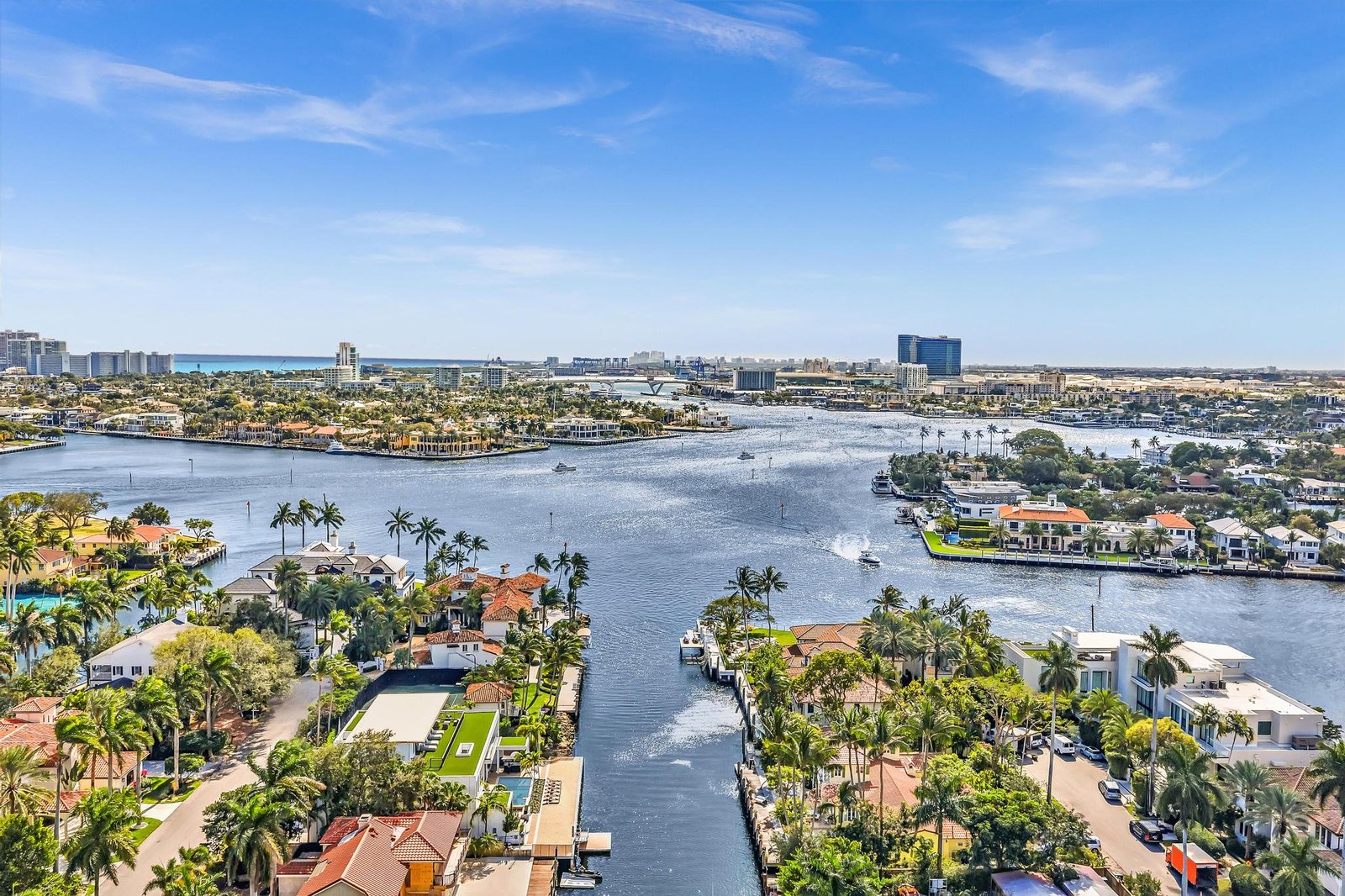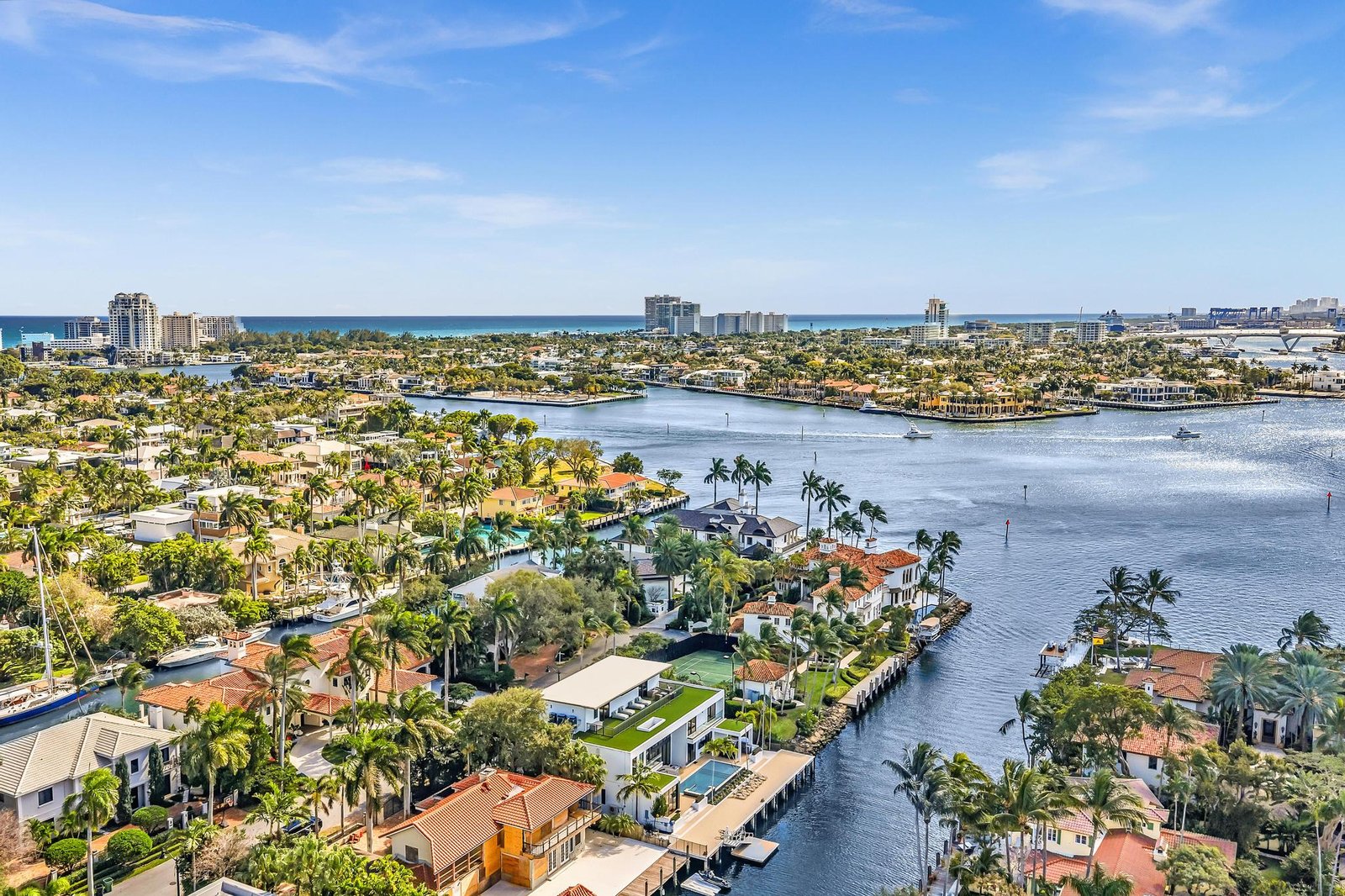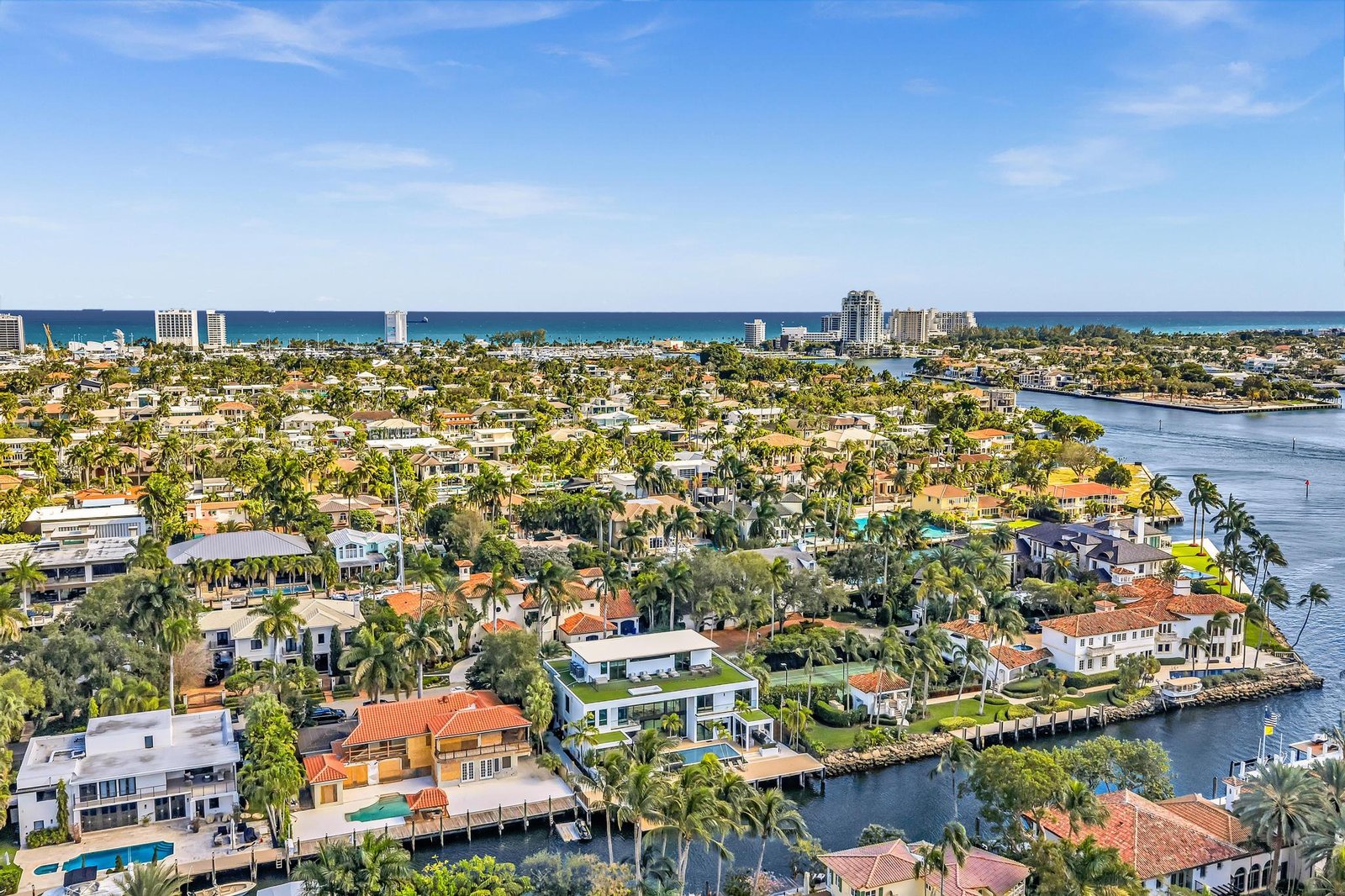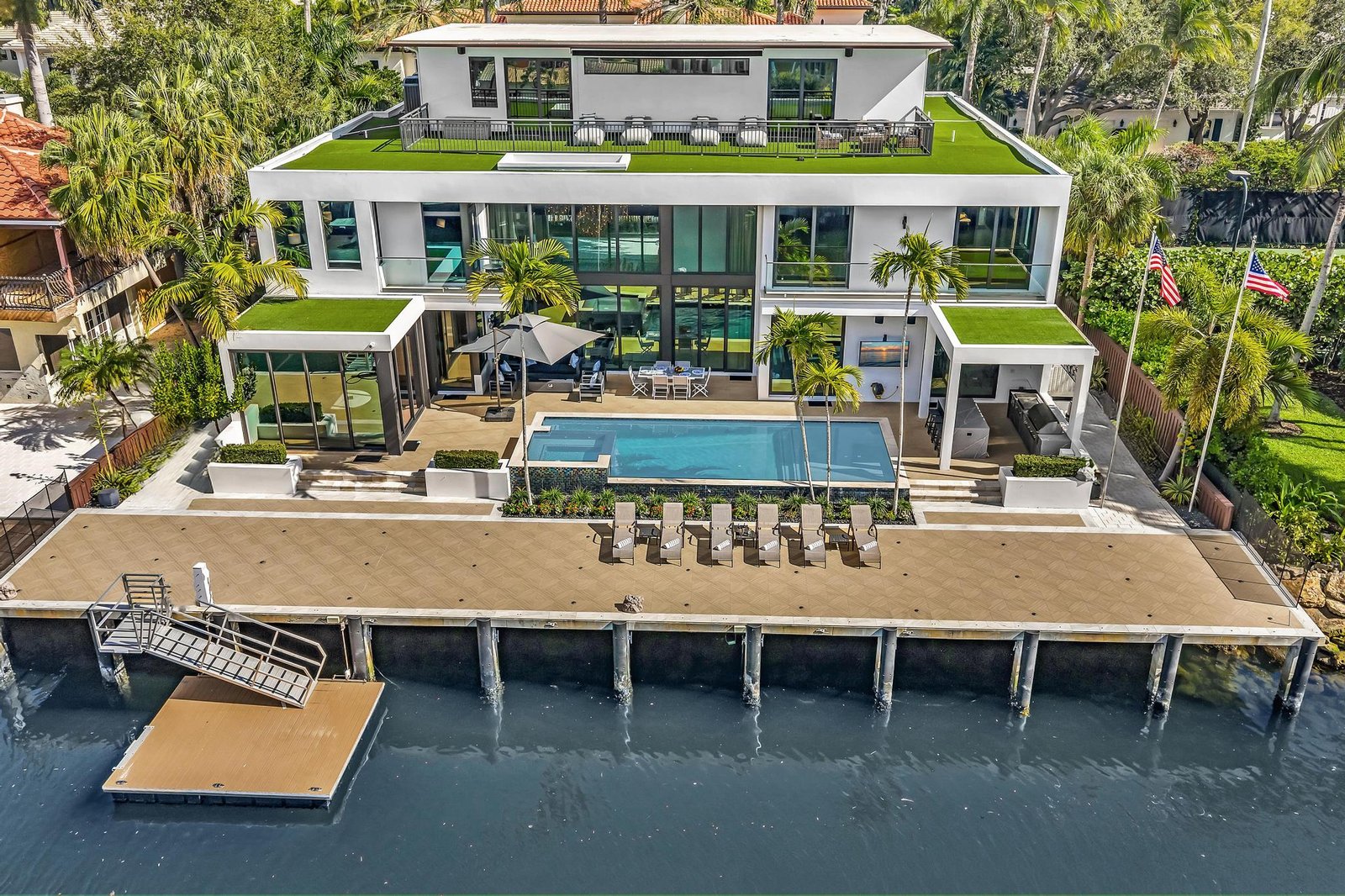
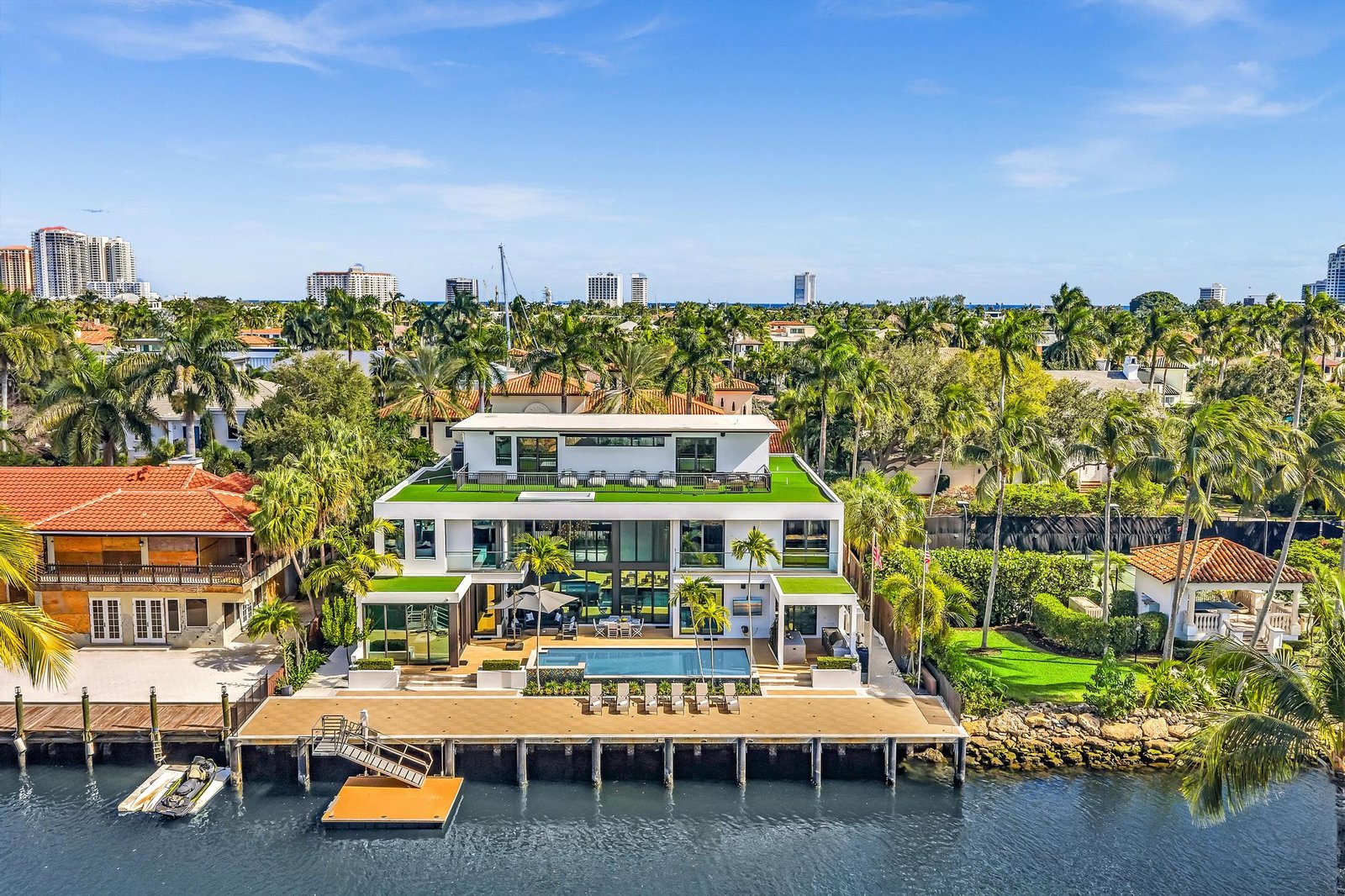

How to Prepare a Vacant Luxury Home in North Miami
May 28, 2026
- By
- 3lmg
- Property Management & Luxury Home Oversight Specialists
A luxury home in North Miami can look flawless on closing day – and show signs of moisture damage, pest intrusion, or system failure just months later if it sits empty. At 3lmg, we’ve been helping clients with how to prepare a vacant luxury home in North Miami for years of experience overseeing high-end properties, and we’ve noticed the same pattern: properties that are visually pristine often hide preventable risks. One homeowner called us after returning to warped wood flooring and a failed air handler. The home had been “set and forgotten” with the HVAC off during humid season. The repairs exceeded five figures. Preparing a vacant property requires a structured plan covering HVAC, plumbing, security, and envelope protection. If you’re also evaluating property condition assessments in North Miami, start there before locking the doors.
What Thorough, High-Level Service Should Include
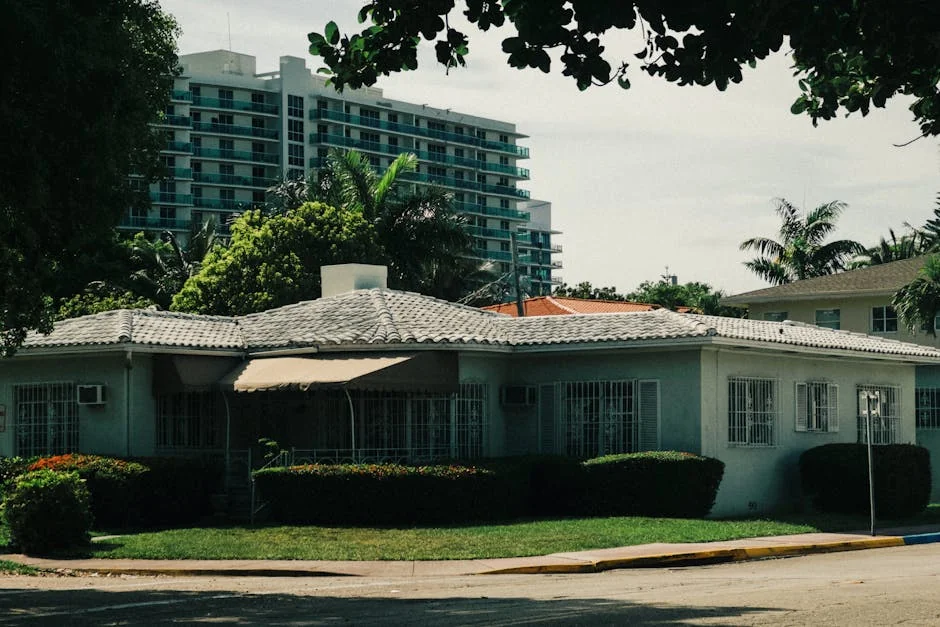
Preparing a high-end vacant home requires more than switching off breakers and locking doors. The most important best practices focus on climate control, water management, security, and documented oversight. Skipping any one of these exposes the property to preventable financial loss. A comprehensive vacancy preparation should include:
- HVAC configuration: Program thermostats for humidity control, inspect drain lines, and install float switches on condensate pans.
- Plumbing protocol: Shut off the main water supply where appropriate, drain exterior hose bibs, and add enzyme-based drain treatments to protect traps.
- Electrical review: Keep critical circuits live (HVAC, security, sump systems) while shutting down nonessential loads.
- Building envelope inspection: Seal minor stucco cracks, verify roof flashing, and confirm impact-rated doors meet FBC wind-load requirements.
- Security integration: Maintain monitored alarm systems and smart leak detectors near water heaters and under sinks.
Timelines, Monitoring Schedules, and Budget Expectations
Preparation is the first step; prevention depends on consistent monitoring. For vacant luxury homes in North Miami, we recommend structured oversight every 2 – 4 weeks, especially during hurricane season. A typical maintenance schedule may include:
- Biweekly interior walk-throughs to check humidity (target 45 – 60% RH) and inspect for leaks.
- Monthly HVAC filter replacement using manufacturer-specified MERV ratings.
- Quarterly roof and exterior inspections, particularly after heavy storms.
- Seasonal pest control treatments tailored to coastal conditions.
Schedule a Comprehensive Vacancy Assessment
If you’re planning to leave a luxury home vacant in North Miami, the safest next step is a structured inspection and written preparation plan. We evaluate HVAC configuration, humidity control, plumbing safeguards, roof integrity, and security integration before vacancy begins. Our team documents system settings, identifies vulnerabilities, and builds a monitoring schedule tailored to the property’s size and features. That approach protects finishes, preserves warranties, and reduces the risk of insurance disputes tied to preventable damage. Whether the property will sit empty for a few months or longer, a professional assessment provides clarity and measurable protection. We’re ready to review your home and outline a detailed plan that keeps it secure, climate-controlled, and investment-ready throughout its vacancy.
FAQs
What is the first step in How to Prepare a Vacant Luxury Home in North Miami?
Start with a full property condition assessment before making any system changes. We recommend documenting HVAC performance, roof condition, plumbing integrity, and humidity levels using calibrated meters. In North Miami’s humid climate, indoor relative humidity should remain between 45% and 60% to prevent mold and protect wood finishes. Next, confirm compliance with the Florida Building Code where applicable, especially regarding ventilation and wind resistance. Then create a written plan that outlines thermostat settings, water shut-off procedures, and inspection intervals. Many homeowners skip documentation, but insurers often ask for proof of reasonable maintenance if a claim arises. The goal is to move from reactive to preventive management. Once systems are verified and baseline readings are recorded, you can confidently transition the home into vacancy mode with controlled risk rather than guesswork.
Should I turn off the HVAC system while the home is vacant?
In North Miami, turning off HVAC during extended vacancy is rarely advisable. High outdoor humidity can infiltrate through small air leaks, raising indoor moisture above 70% RH within days. That level promotes mold growth and can damage drywall, millwork, and hardwood flooring. Instead, set the thermostat between 74°F and 78°F and enable humidity control if available. Many modern systems allow separate humidity set points. We also recommend clearing condensate drain lines and installing float switches to prevent overflow. Completely shutting down HVAC may reduce short-term energy costs but significantly increases the risk of mold remediation, which can reach five figures in luxury homes. Controlled operation with periodic inspections is the safer and more cost-effective strategy.
How much does it cost to prepare and monitor a vacant luxury home?
Costs vary depending on property size, mechanical complexity, and desired monitoring frequency. Initial preparation for a luxury home in North Miami may start around $2,500 and can exceed $10,000 for large estates requiring detailed inspections, minor repairs, and system optimization. Ongoing monitoring services might range from $500 to $2,000 per month. Pricing can fluctuate based on site complexity, material costs, and total scope of services such as pest control, storm inspections, and smart monitoring integration. Homes with multiple HVAC zones, rooftop units, or advanced automation systems typically require more oversight. Properties directly exposed to coastal salt air may also need more frequent exterior inspections. These figures are preliminary benchmarks for informational purposes only and do not constitute a binding quote. An on-site evaluation is required for a final proposal.
Can I prepare the home myself, or should I hire professionals?
Basic tasks – removing perishables, unplugging nonessential electronics, and confirming alarm activation – are reasonable for homeowners to handle. However, technical adjustments involving HVAC calibration, humidity management, roof inspections, and electrical load balancing benefit from professional oversight. For example, improperly shutting off water without addressing appliance supply lines can still leave sections pressurized. Similarly, adjusting HVAC without measuring humidity can create hidden condensation issues. We use digital hygrometers, thermal cameras, and electrical testers to verify safe conditions. If the property includes high-end finishes, custom millwork, or complex automation systems, professional preparation reduces risk significantly. The cost of oversight is typically minor compared to repairing water intrusion, mold damage, or system failure discovered months later.
What warning signs should I look for during vacancy checks?
Focus on moisture indicators and mechanical irregularities. Musty odors, visible condensation on impact windows, bubbling paint, or slight wood floor cupping often signal elevated humidity. Check ceilings beneath rooftop units for staining that could indicate condensate leaks. Inspect plumbing fixtures for slow drips and verify that P-traps contain water to prevent sewer gas entry. Review HVAC air filters monthly and confirm that the condensate drain line flows freely. Outside, look for cracked stucco, loose roof flashing, or blocked scuppers on flat roofs. After storms, inspect for debris accumulation and standing water. Document findings with photos and humidity readings. Consistent documentation helps detect trends early and supports insurance claims if damage occurs.
What common problems affect vacant luxury homes in North Miami?
Humidity-related mold growth ranks first, followed by plumbing leaks and roof intrusion after storms. North Miami’s coastal environment accelerates corrosion on rooftop HVAC units and metal fasteners, especially when maintenance lapses. Flat roofs common in modern luxury builds require regular inspection because minor membrane punctures can allow slow water intrusion. Pest activity also increases when homes are unoccupied, particularly ants and rodents seeking shelter. Power outages during hurricane season can disrupt climate control, so surge protection and monitored alarms are critical. Smart leak detectors placed near water heaters and under sinks provide early warnings. Properties near the water face higher salt exposure, which demands more frequent exterior inspections and protective coatings where specified by manufacturers.
What should I look for when hiring a company to manage vacancy preparation?
Verify that the company carries appropriate licensing and insurance for property management and any specialized trades involved. Ask whether inspections align with Florida Building Code standards and whether reports include documented humidity readings and photo logs. Experienced teams provide written checklists covering HVAC settings, plumbing shut-off procedures, electrical load configuration, and roof inspections. They should also understand NFPA 70 electrical safety considerations when adjusting circuits. Be cautious if a provider suggests shutting down all systems without evaluating humidity control or offers only verbal updates without documentation. Transparent reporting, defined inspection intervals, and clear escalation protocols indicate a structured approach rather than casual oversight.
When should I schedule professional help for a vacant home?
Schedule professional help before the home becomes vacant, not after problems appear. Early preparation allows time to adjust HVAC settings, seal minor exterior gaps, and install leak detection systems. If you notice humidity above 60% RH, unexplained odors, visible staining, or repeated alarm notifications, arrange a prompt inspection. While these issues may not require emergency response, delaying evaluation can allow small leaks or condensation problems to escalate. After major storms or extended power outages, schedule a follow-up assessment even if no damage is immediately visible. Subtle moisture intrusion often appears days later. Routine oversight every few weeks during vacancy provides the best balance between cost control and risk reduction in North Miami’s humid, storm-prone environment.