
Miami Beach Luxury Home Watch Cost Guide (2026): What Owners Should Budget and Why
April 28, 2026
- By
- 3lmg
- Luxury Home Watch Specialists
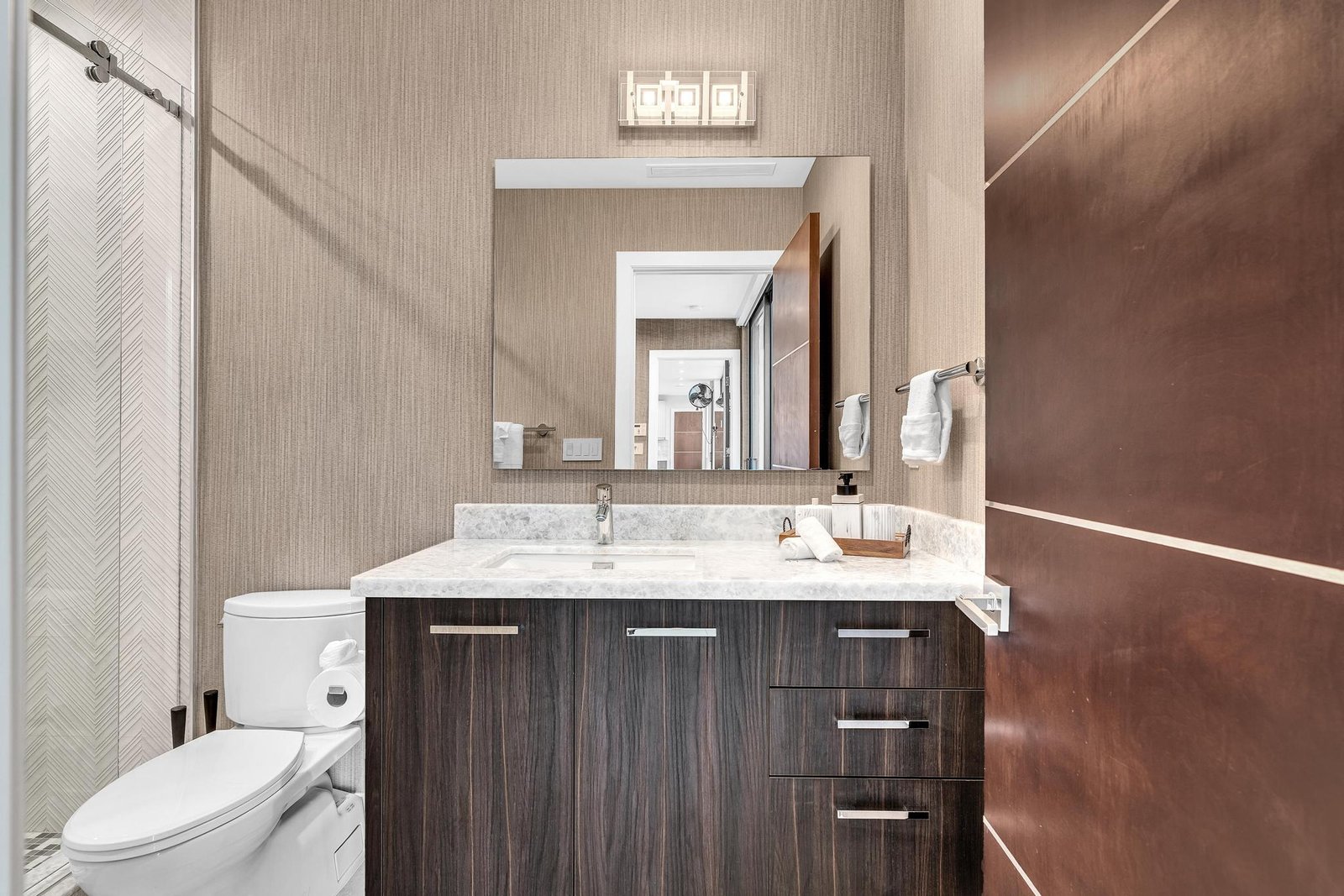
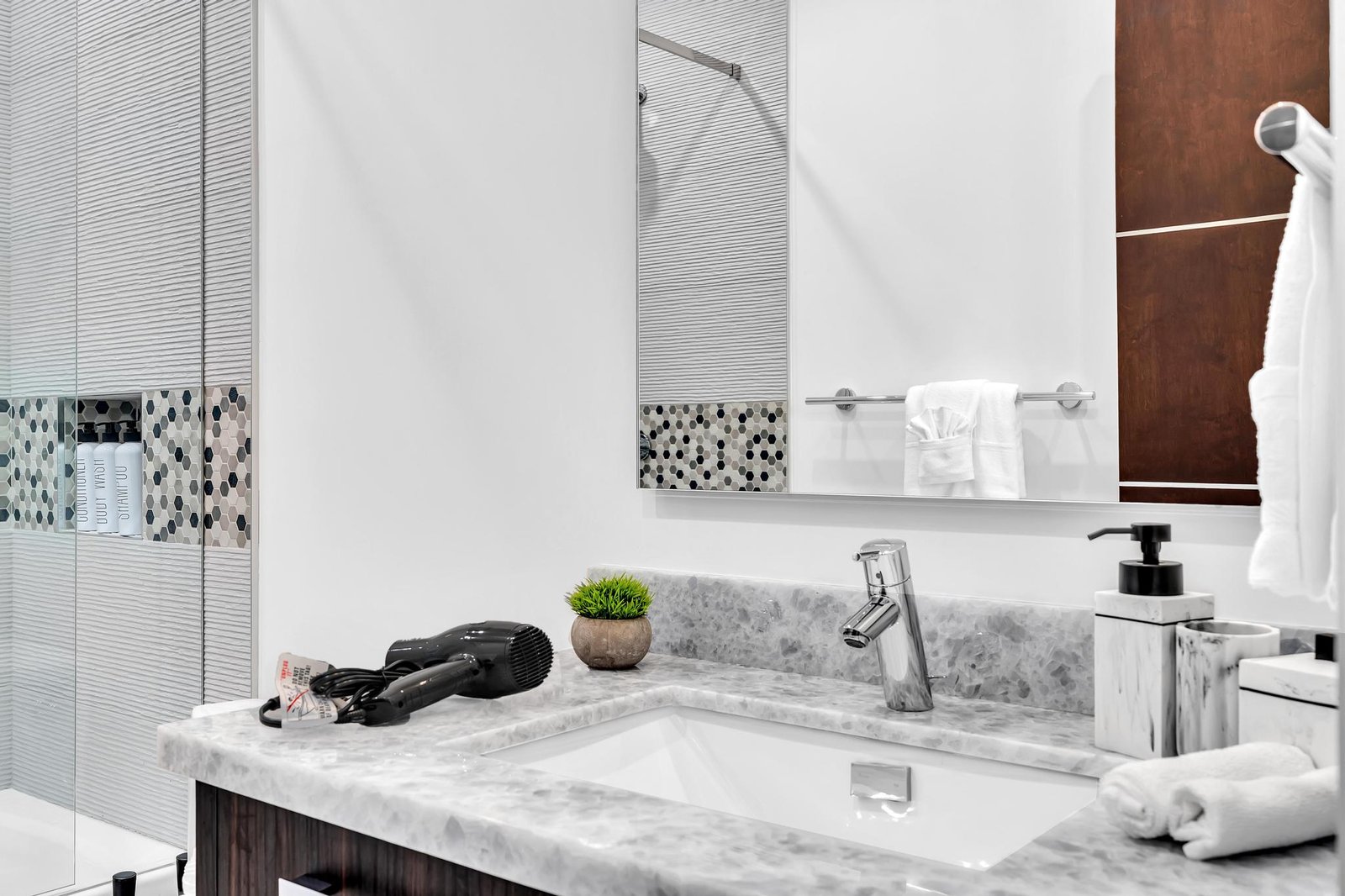
A luxury condo sitting empty for three months in Miami Beach developed a slow leak behind a vanity. By the time the owner returned, warped cabinetry and mold remediation added tens of thousands to what could have been a minor plumbing fix. At 3lmg, we’ve been helping seasonal and international homeowners protect vacant properties for years of experience, and we’ve seen how quickly small issues escalate without oversight. Many owners assume alarms and smart thermostats are enough. They are not. Without structured inspections and documented reports, water intrusion, HVAC failures, and code compliance issues can go unnoticed. That’s why we often recommend pairing home watch with routine property management oversight for comprehensive protection.
What separates a documented inspection program from a casual check-in

The most important best practices in luxury home watch are consistency, documentation, and systems testing. A true inspection is not a quick walkthrough; it follows a repeatable checklist aligned with industry standards. In our experience, detailed digital reports with time-stamped photos protect homeowners in insurance disputes. Quality service should include:
- Interior and exterior visual inspections with photographic documentation.
- Humidity and temperature readings using calibrated hygrometers.
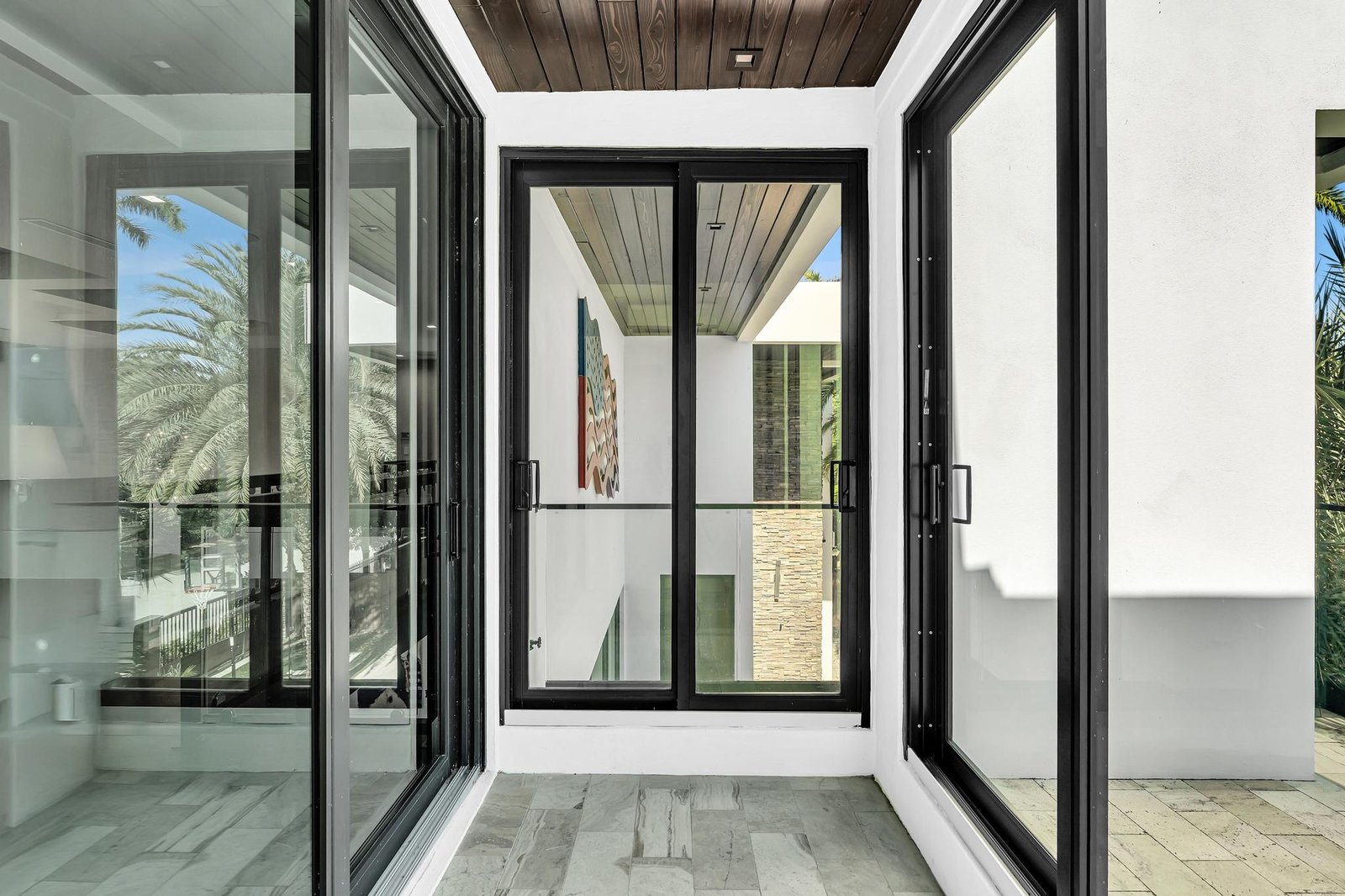
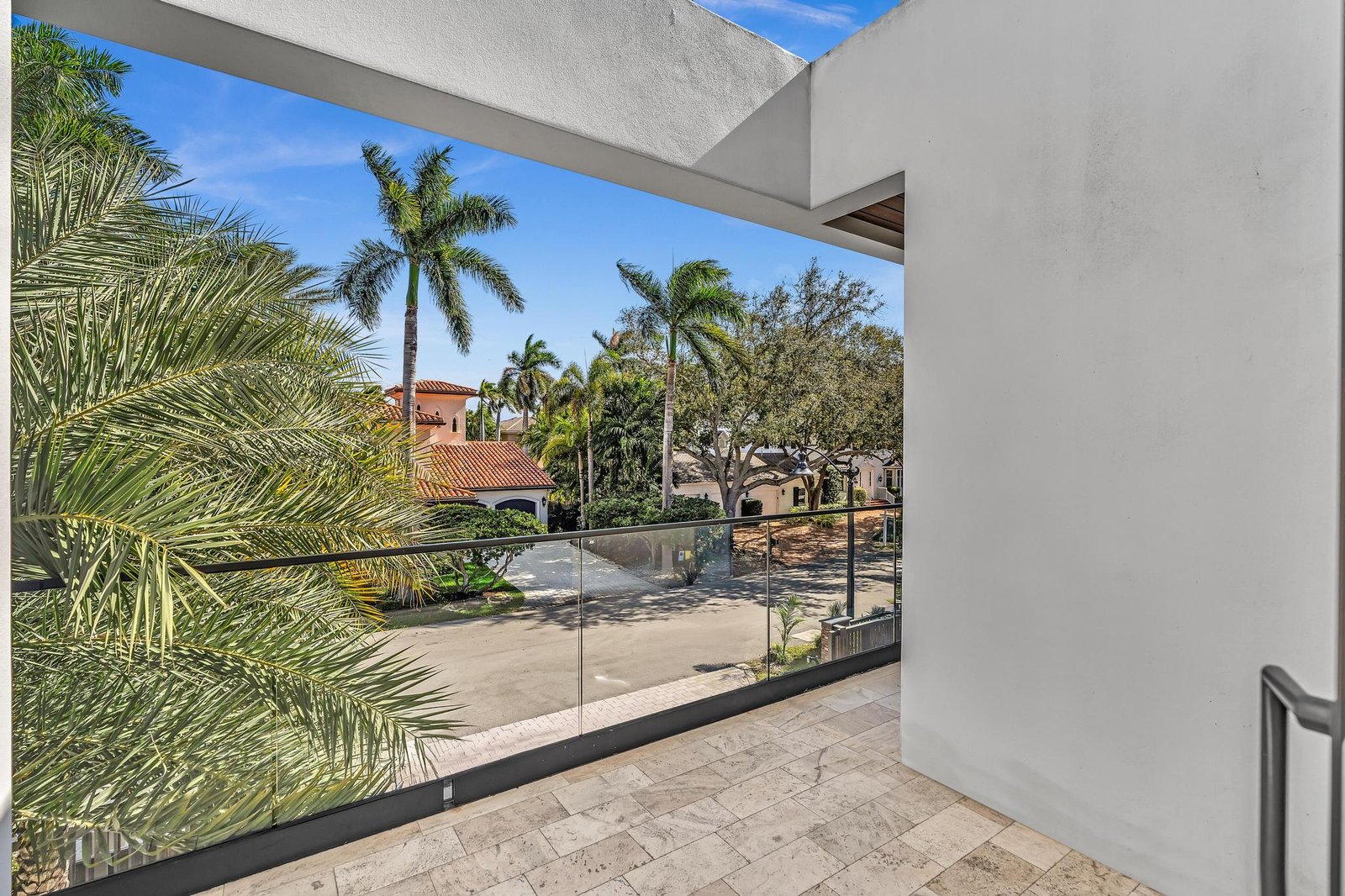
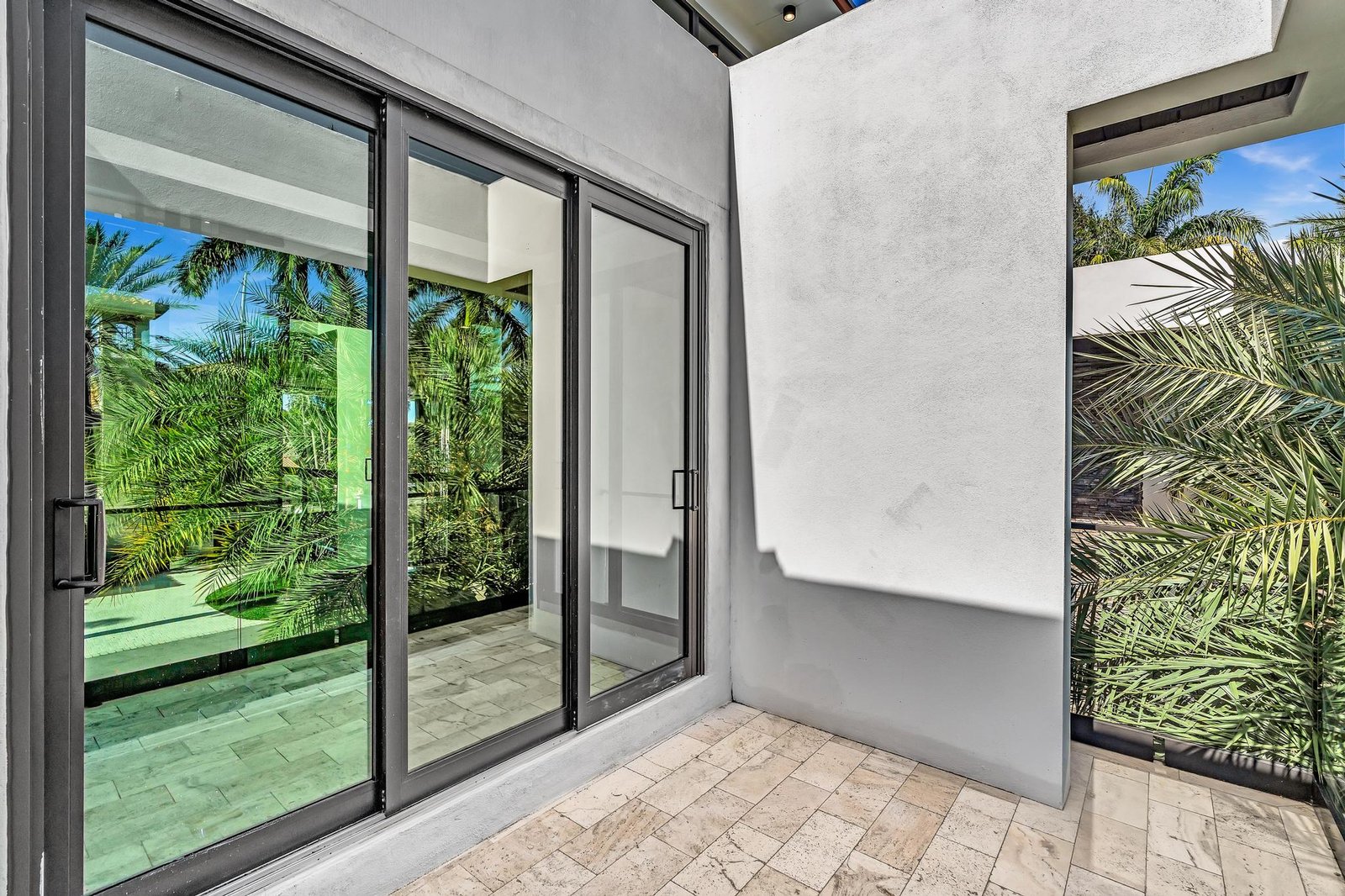
- Water intrusion checks around sliders, balconies, and roof transitions.
- HVAC operational checks, including condensate drain inspection.
- Verification of alarms, cameras, and smart home connectivity.
- Post-storm inspections after named weather events.
How service frequency, property size, and risk exposure affect cost
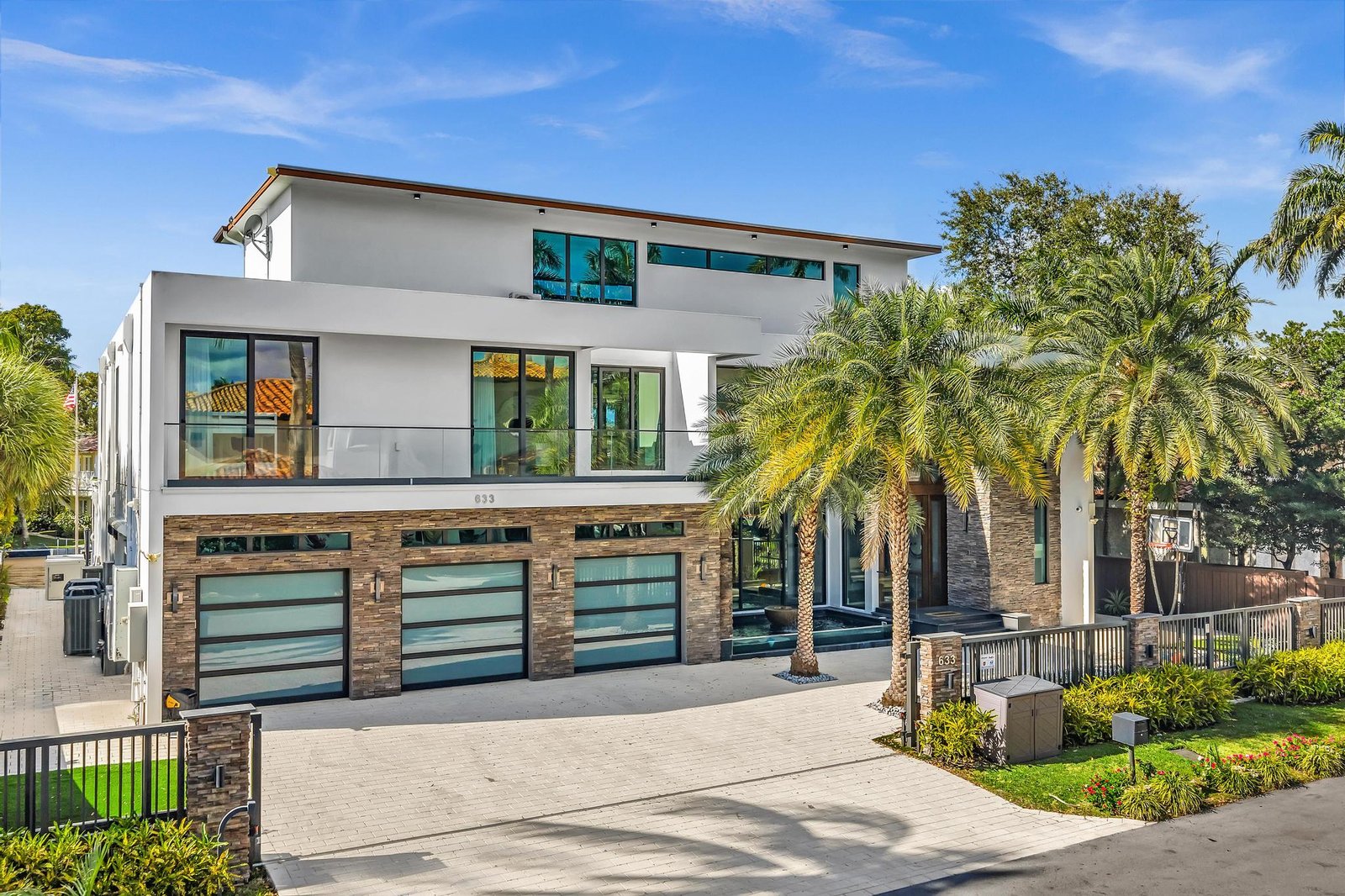
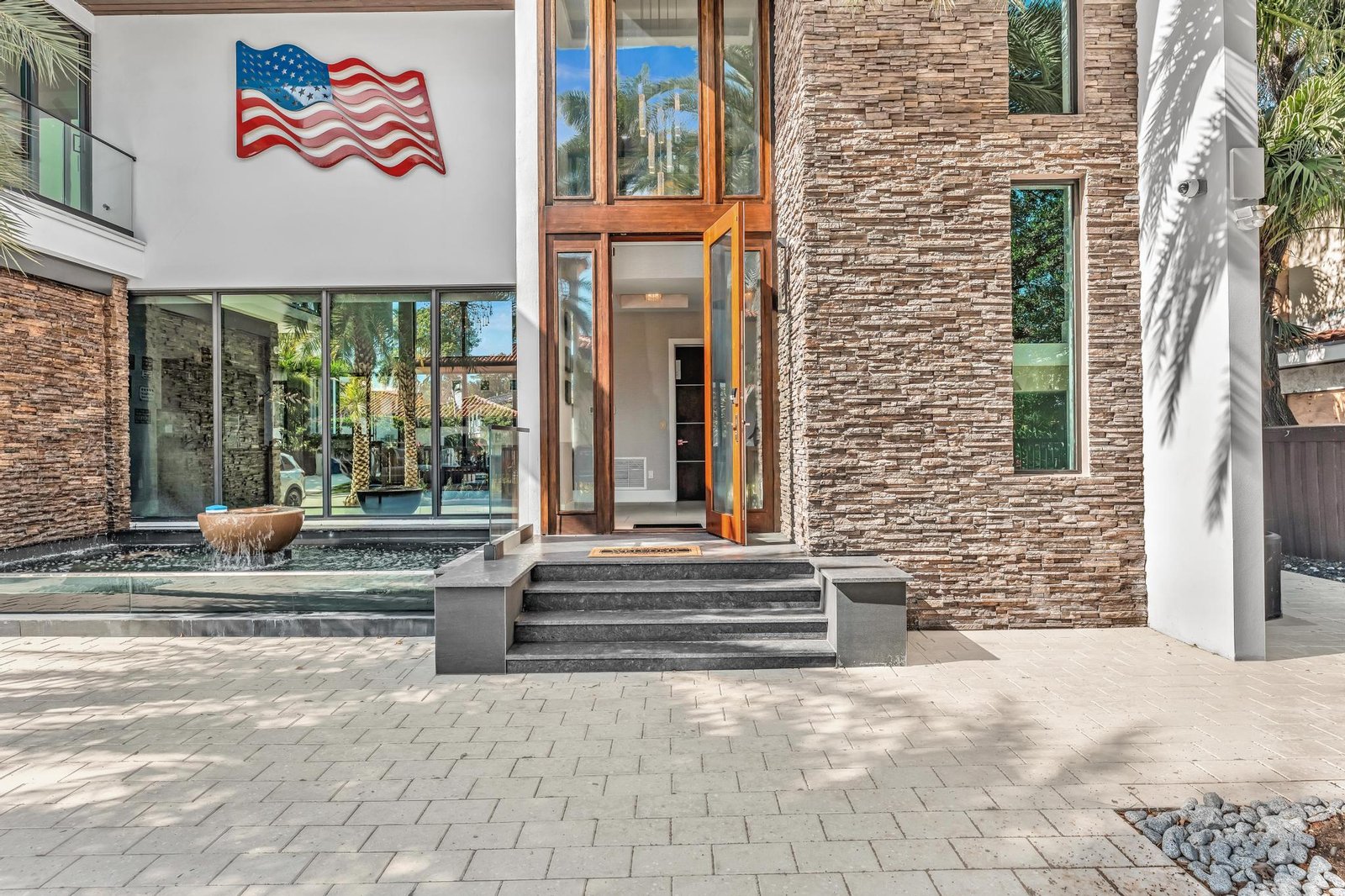
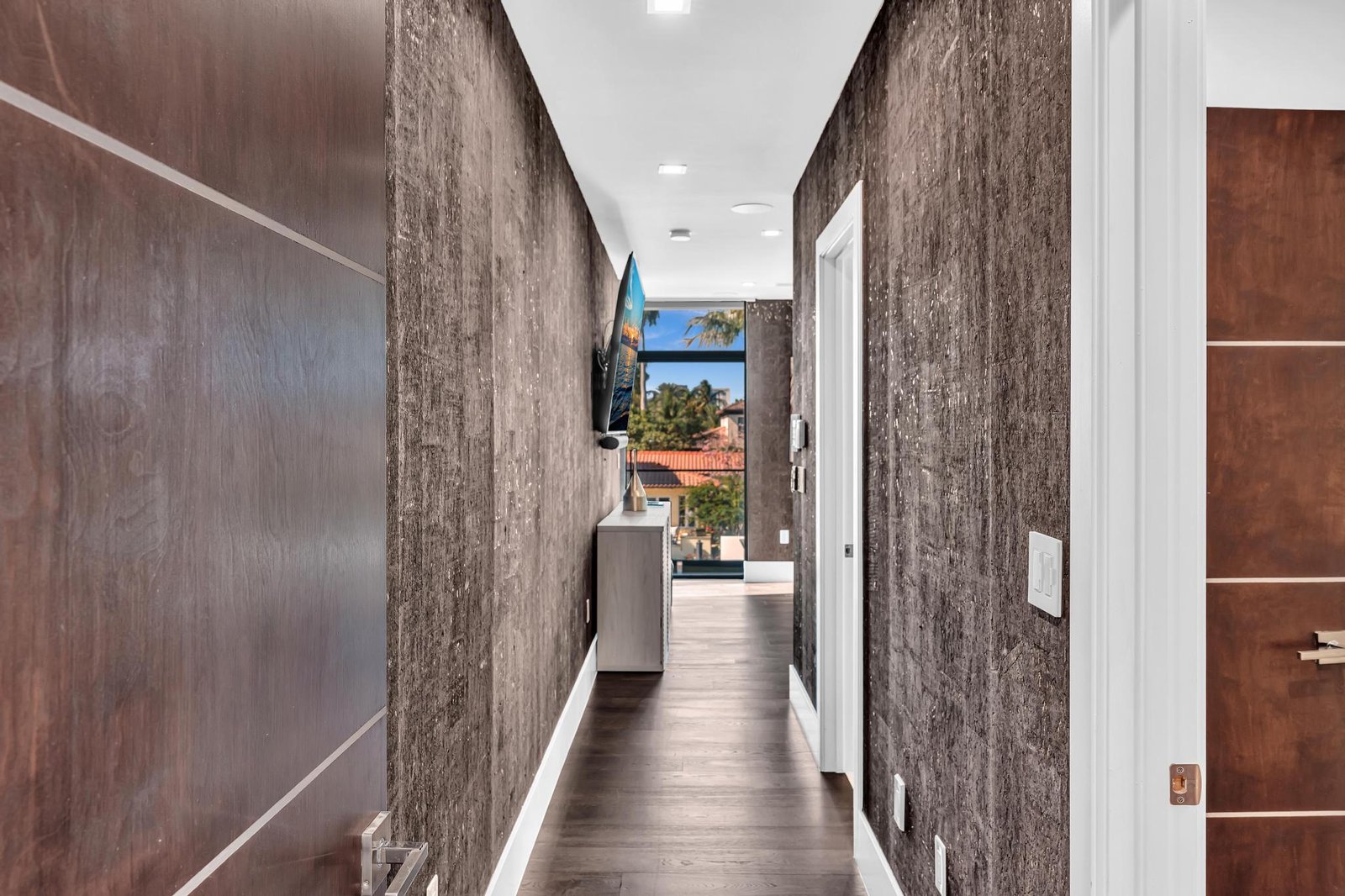
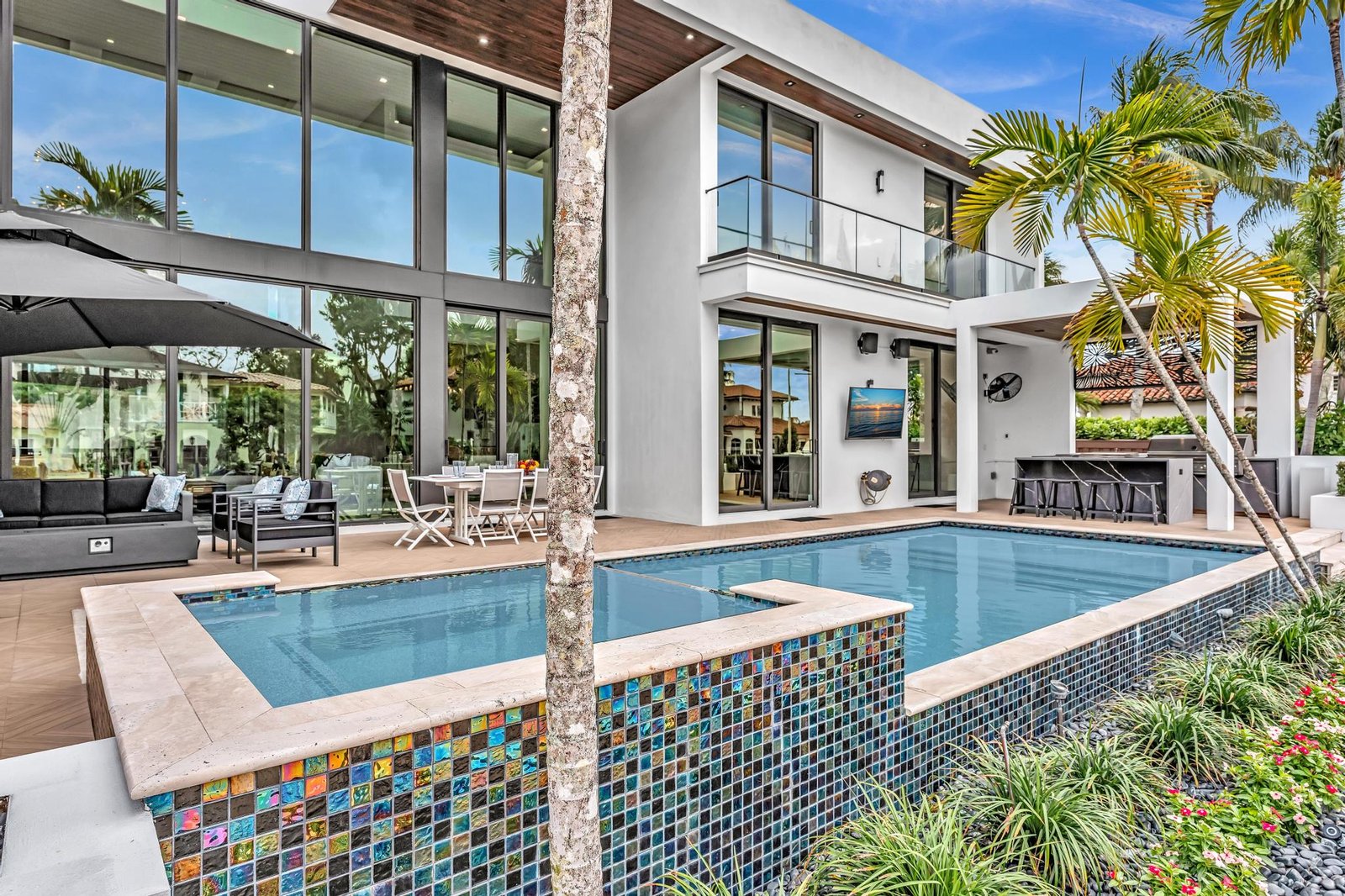
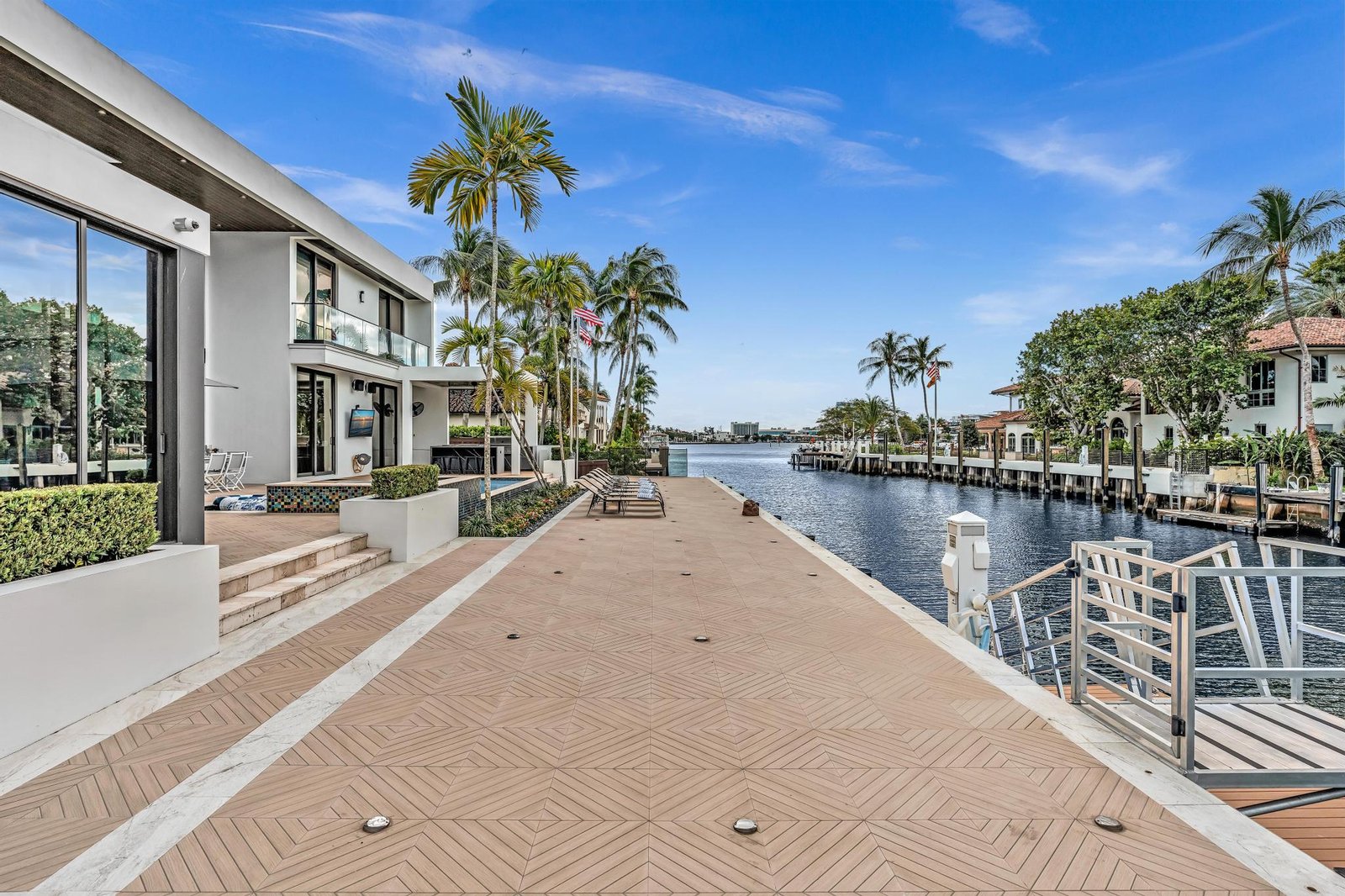
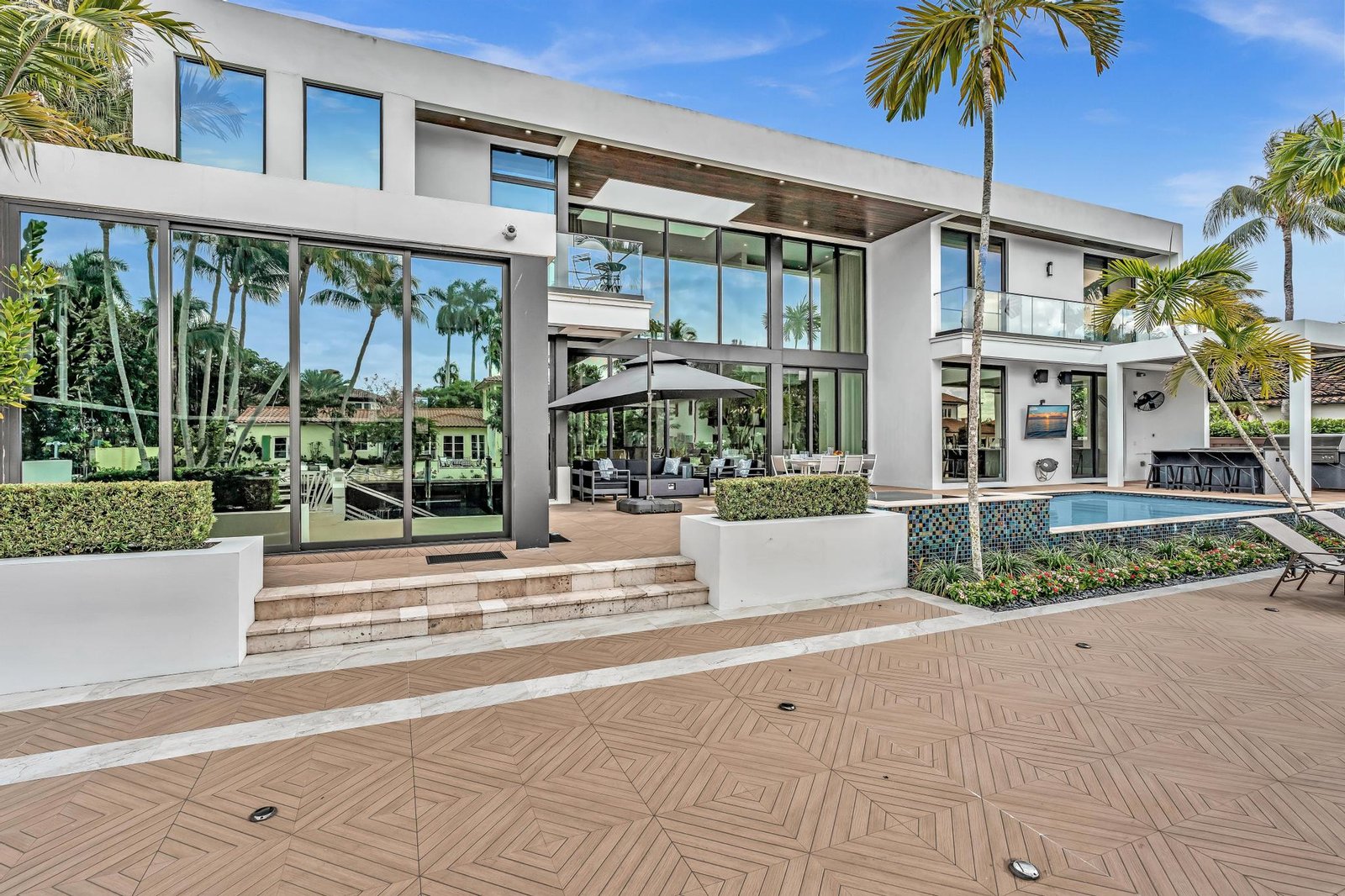
Budgeting for home watch in 2026 requires looking at risk exposure, not just visit frequency. In our experience, oceanfront condos with large glass exposures and multiple HVAC zones demand more oversight than smaller inland units. Typical pricing in Miami Beach may range from $75 to $150 per visit for condos, while larger single-family luxury homes might range from $150 to $300+ per visit depending on complexity. Monthly costs often fluctuate based on:
- Site complexity (number of systems, elevators, pools, smart controls).
- Material and labor costs in the local market.
- Total scope, including storm checks or vendor coordination.
- Biweekly inspections during hurricane season (June – November).
- Quarterly HVAC servicing per manufacturer guidelines.
- Annual sealant review around windows and balconies.
Schedule a Luxury Home Watch Assessment
If your Miami Beach property sits vacant for weeks or months at a time, a structured inspection program can prevent five-figure repair surprises. We evaluate humidity control, water exposure points, HVAC performance, and building access requirements, then recommend a visit schedule aligned with your risk profile and occupancy pattern. Our team provides documented reporting designed to support insurance compliance and condo association standards. Schedule a property assessment and receive a clear outline of scope, frequency options, and realistic cost expectations tailored to your home.

FAQs
How often should a luxury home in Miami Beach be checked when vacant?
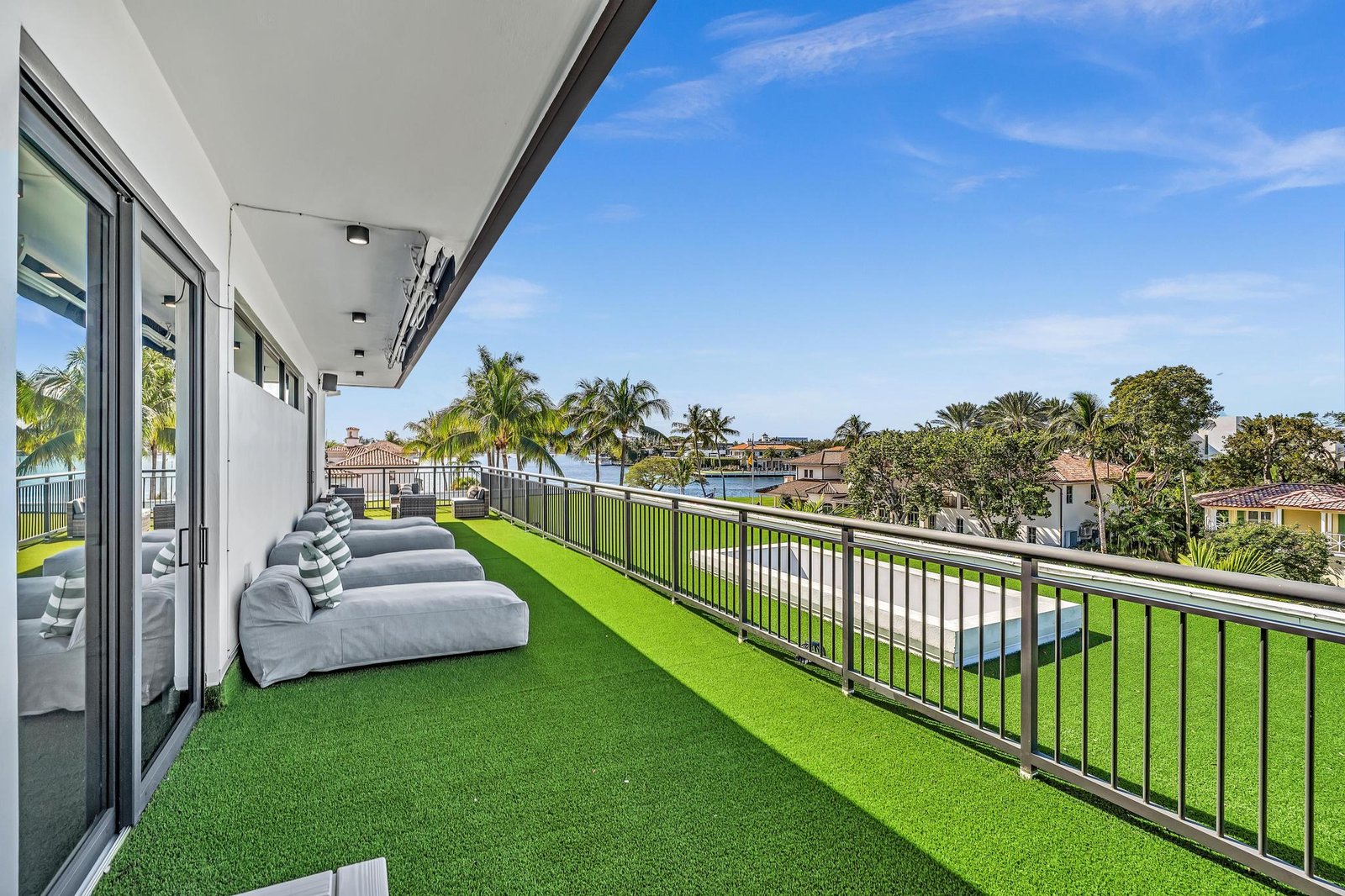
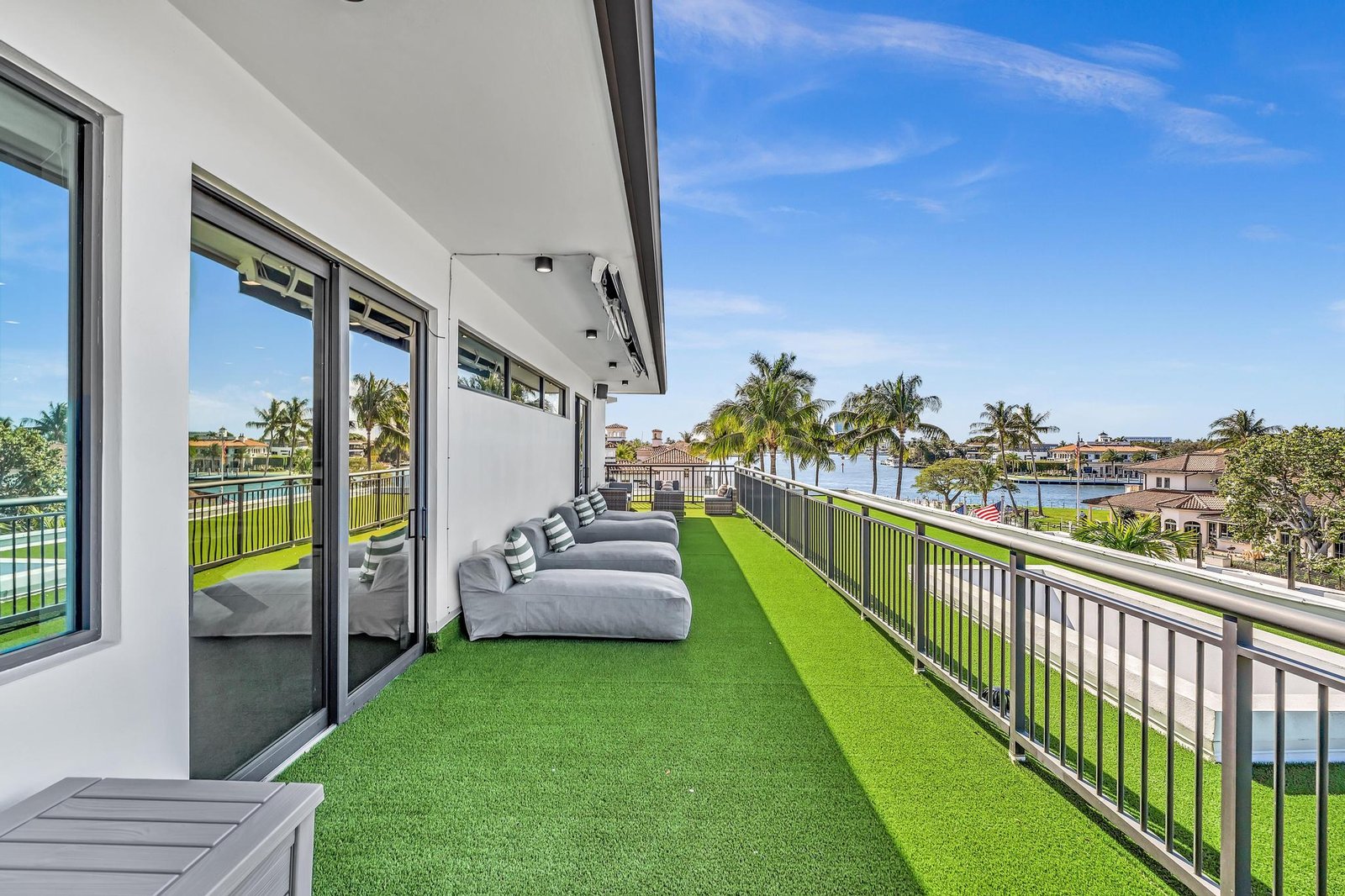
For most luxury condos and single-family homes in Miami Beach, biweekly inspections during summer and hurricane season are prudent. High humidity, salt air corrosion, and storm exposure increase risk between June and November. During cooler, drier months, some owners reduce visits to once per month if HVAC systems are stable and no active plumbing concerns exist. Properties with multiple water features, rooftop terraces, or complex smart home systems may require more frequent checks. The goal is to identify small issues – like condensate drain clogs or minor sealant failures – before they escalate into mold remediation or flooring replacement. Frequency should match risk, not just convenience.
What does a typical home watch visit include?
A structured visit typically includes a full interior and exterior visual inspection, HVAC operation check, humidity and temperature readings, plumbing fixture checks, and verification of doors, windows, and sliders. Inspectors should run water briefly at seldom-used fixtures, test GFCI outlets, and look for corrosion at the electrical panel. Exterior checks often include roofline observations from accessible areas and balcony drainage review. After storms, additional inspection of impact glass seals and water intrusion points is common. The most valuable component is a detailed digital report with date- and time-stamped photos, which documents property condition for the owner and may support insurance claims if damage occurs later.
How much does luxury home watch cost in Miami Beach in 2026?
In 2026, luxury home watch in Miami Beach may start around $75 to $150 per visit for condos and could range from $150 to $300 or more per visit for larger single-family homes. Monthly totals fluctuate based on visit frequency and scope. Pricing typically depends on site complexity (size, systems, amenities), material and labor costs in the area, and total scope such as storm inspections or vendor coordination. Homes with pools, elevators, or multiple HVAC zones generally fall at the higher end. These figures are preliminary benchmarks for informational purposes only and do not constitute a binding quote. An on-site evaluation is required for a final proposal.
Can a neighbor or friend handle home watch instead of a professional?
A trusted neighbor can visually check for obvious problems, but most are not trained to spot early indicators of moisture intrusion, HVAC drain issues, or electrical corrosion. Professional home watch providers use calibrated hygrometers, moisture meters, and structured checklists aligned with industry standards. They also carry insurance and provide documented reports, which can be critical if an insurance claim arises. In luxury properties with high-end finishes and complex systems, missing a slow leak or elevated humidity for several weeks can result in major repairs. For lower-risk properties, occasional informal checks may supplement professional visits, but they rarely replace them entirely.
What warning signs suggest a vacant home needs immediate attention?
Common warning signs include indoor humidity readings above 60%, musty odors, discoloration on drywall ceilings, warped baseboards, tripped breakers, or unexplained increases in utility usage. Condensation on impact windows or sliding doors may signal HVAC imbalance. Exterior clues such as cracked sealant around window frames or clogged balcony drains can precede interior damage. Owners monitoring remotely should pay attention to smart thermostat alerts or water leak sensor notifications. When these signs appear, scheduling a prompt inspection helps determine whether the issue is minor maintenance or the start of water intrusion or mold growth that could require professional remediation.
What are the most common problems in vacant Miami Beach homes?
In Miami Beach, the most common issues involve humidity-related mold growth, condensate drain clogs, salt-air corrosion on electrical components, and storm-driven water intrusion. Oceanfront exposure accelerates deterioration of exterior sealants and metal hardware. We also frequently see battery failures in smart home devices and security systems, leaving properties unmonitored. During hurricane season, minor roof or flashing vulnerabilities can allow wind-driven rain inside. Even high-rise condos are not immune; balcony drains and sliding door tracks often collect debris, leading to interior water seepage. Regular inspections focus heavily on these predictable regional risks.
What should homeowners look for when hiring a home watch provider?
Homeowners should verify general liability insurance, a written service agreement outlining scope, and clear documentation procedures. Membership in professional organizations such as the National Home Watch Association indicates adherence to ethical standards and structured reporting practices. Ask how humidity is measured, how findings are documented, and what response time applies if a problem is discovered. Providers should be familiar with condominium association access rules and Florida Statutes Chapter 718 requirements. A vague promise to “stop by occasionally” without reporting protocols or proof of insurance exposes owners to unnecessary financial and legal risk.
What should I do if I suspect a problem but it’s not an emergency?
If you suspect elevated humidity, a minor leak, or a system malfunction, start by reviewing any smart sensor data or thermostat alerts. Adjust HVAC settings to maintain stable cooling and humidity below 60% if possible. Avoid shutting off power or water abruptly unless a visible active leak exists. Document what you observe with photos and notes. Then schedule a professional inspection promptly to assess the scope and determine whether vendor repairs are required. Early evaluation often limits damage to a small repair rather than a large restoration project, especially in Miami Beach’s humid coastal environment.