


Rental Property Inspections: 101 Guide
Whether you’re a first-time landlord or a seasoned property manager, understanding how to conduct a rental property inspection is essential. These inspections help you protect your investment and keep tenants safe. I’ve walked through hundreds of units over the years. Trust me, a thorough inspection saves you headaches down the road. In this guide, we’ll cover everything you need to know. From what to look for to how often you should schedule them, we’ve got you covered.
What Is a Rental Property Inspection?
A rental property inspection is a detailed walkthrough of a rental unit. It documents the condition of the space at a specific point in time. Most commonly, landlords complete these when tenants move in or move out. However, they can happen during a tenancy too.
The goal is simple. You want to record how the unit looks. This includes walls, floors, appliances, and fixtures. Good documentation protects both you and your tenant. If damage occurs later, you’ll have proof of the original condition. I always tell new landlords to treat each inspection like they’re building a case file. You hope you never need it, but you’ll be glad you have it.
Different Types of Rental Property Inspections
Not all inspections serve the same purpose. Understanding the different types helps you stay organized. The most common is the move-in inspection. This happens right before a tenant takes possession of the unit. You and the tenant walk through together. Both parties note any existing damage or issues.
Next comes the move-out inspection. This one compares the unit’s current state to the move-in report. It helps determine if the tenant caused any damage beyond normal wear. Then there’s the routine inspection. Many landlords schedule these once or twice a year. They help catch maintenance problems early. Finally, you might need a drive-by inspection. These quick checks let you monitor the exterior without disturbing tenants.
What Should a Landlord Look at During an Inspection?
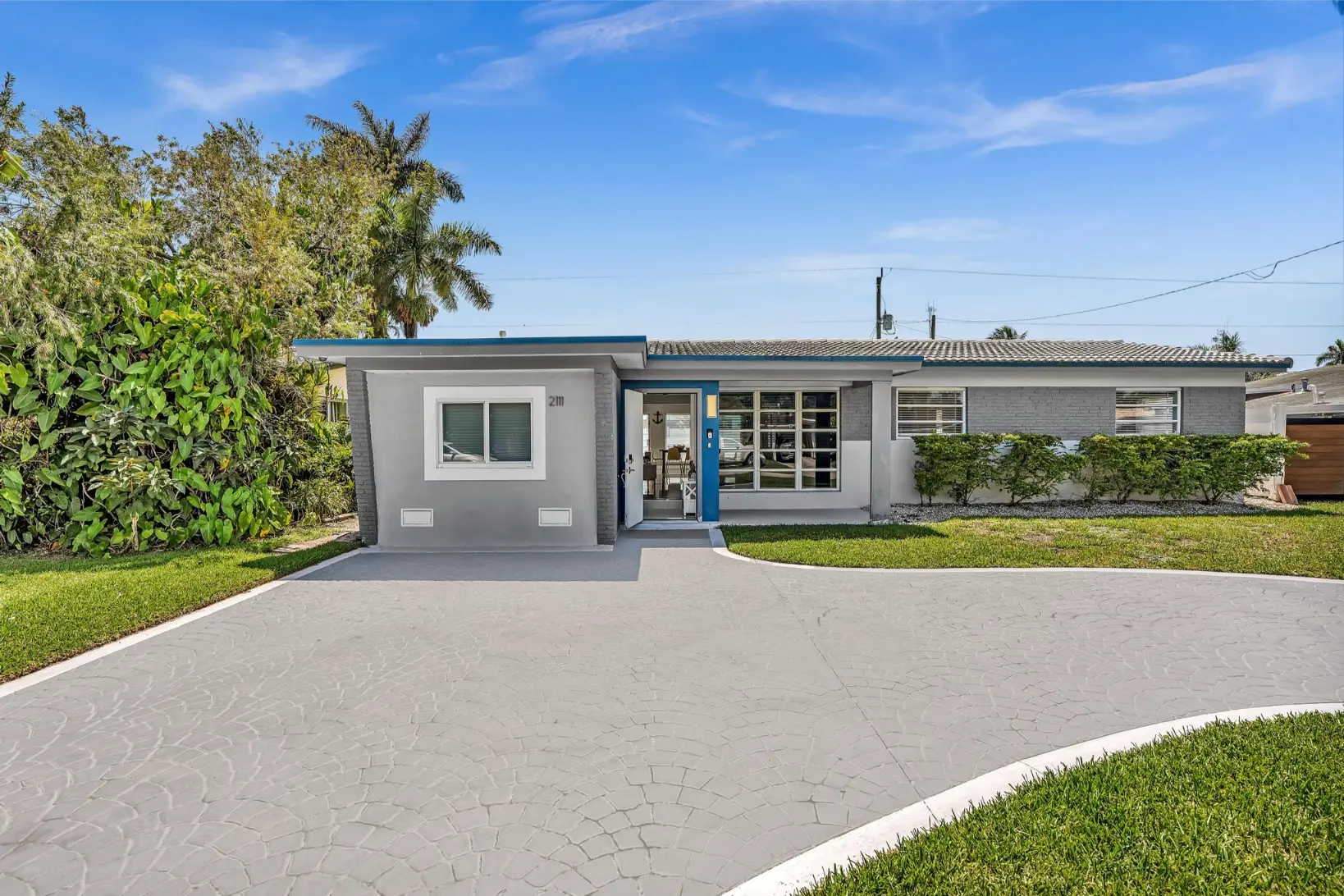
When you inspect a rental property, you need a system. Start from the outside and work your way in. Check the roof, gutters, and siding first. Look for signs of water damage or pest activity. Then move inside room by room.
Here’s what I focus on during every inspection:
- Walls, ceilings, and floors for damage or stains
- Windows and doors for proper operation and seals
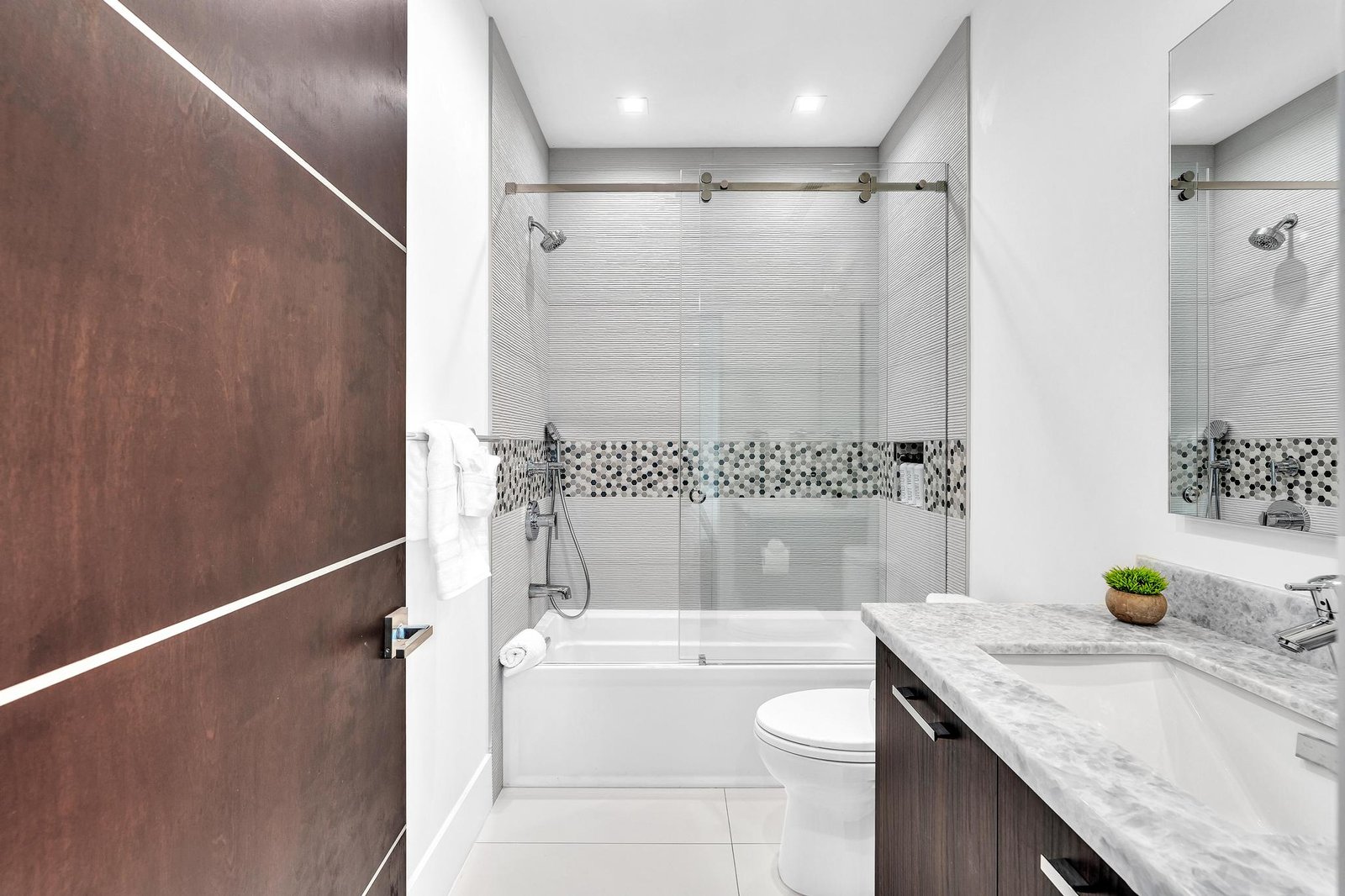
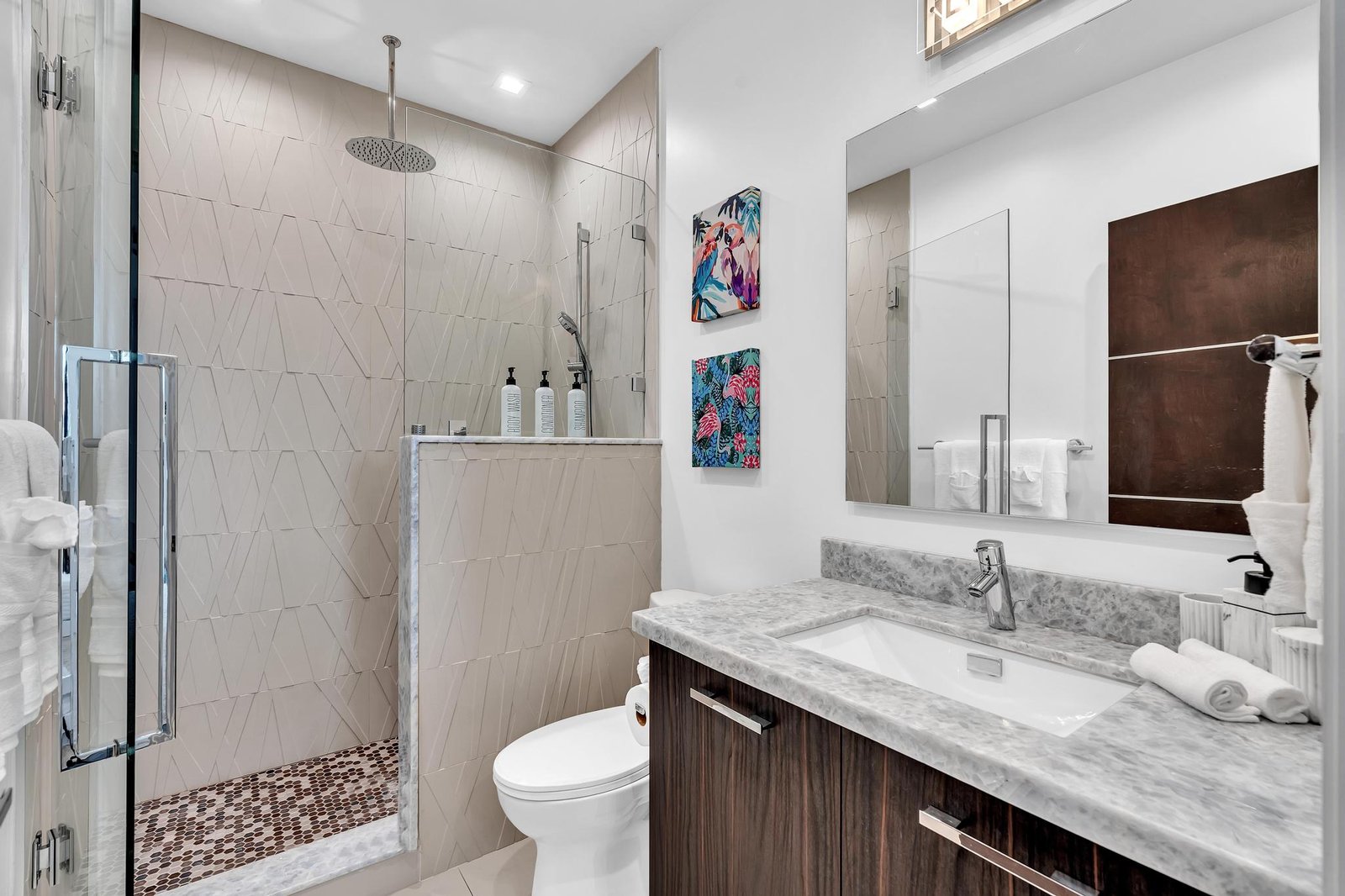
- Plumbing fixtures for leaks or water pressure issues
- Smoke detectors and carbon monoxide alarms
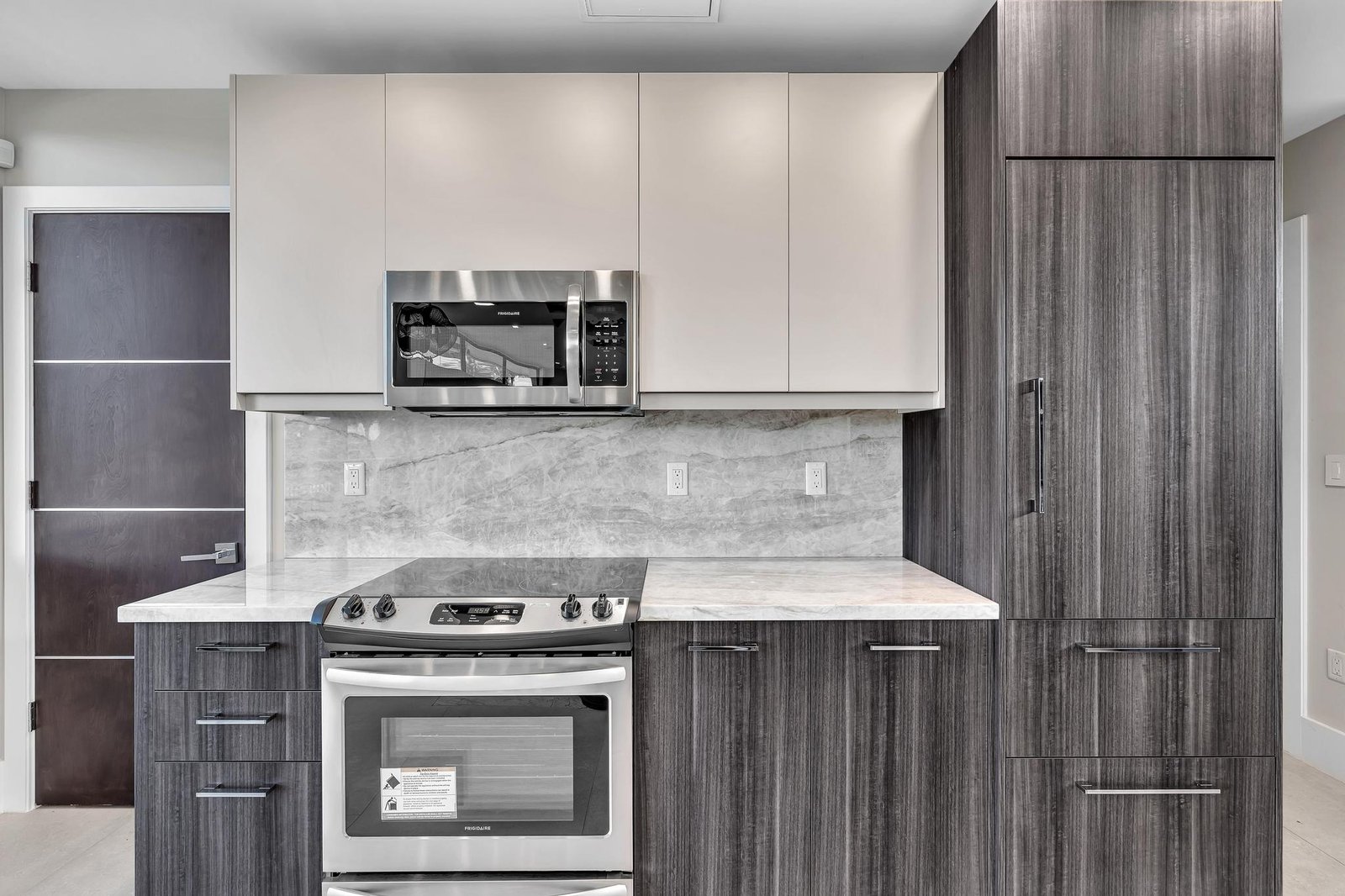
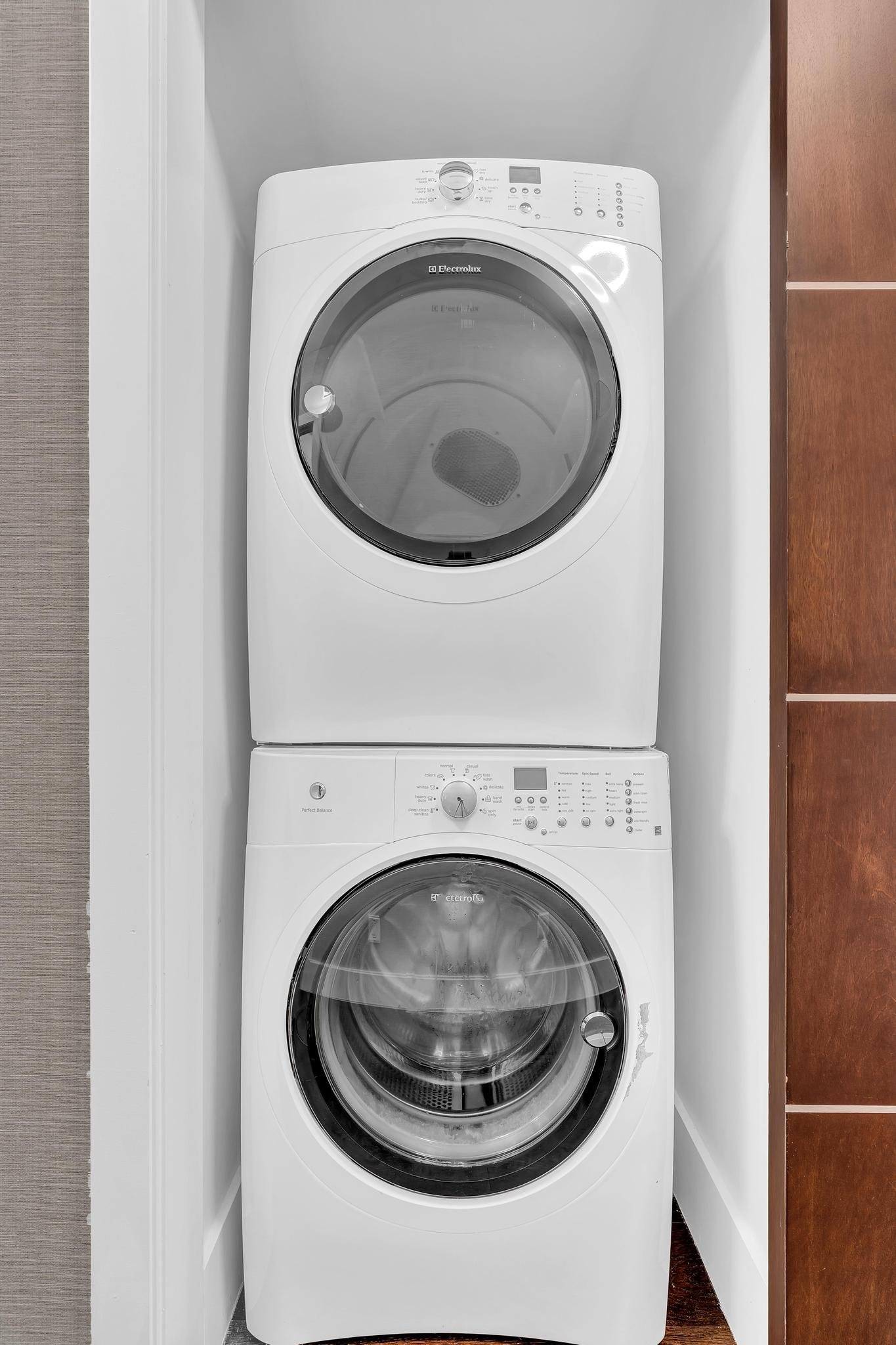
- Appliances to ensure they work correctly
Don’t rush this process. Take photos of everything. I snap pictures even when things look fine. That way, you have a baseline for comparison later. A landlord needs solid evidence if disputes arise about security deposits.
How to Perform a Rental Property Inspection
Performing a rental property inspection doesn’t have to feel overwhelming. Start by giving proper notice to your tenant. Most states require 24 to 48 hours’ advance notice. Always check your local laws first. Once you’ve scheduled the visit, gather your supplies. Bring a clipboard, camera, flashlight, and your checklist.
During the walkthrough, be methodical. I like to move clockwise through each room. Test every light switch, outlet, and appliance. Run the water in sinks and showers. Flush toilets. Open and close all doors and windows. Write down everything you observe. Even small details matter when you properly inspect a rental property.
Creating Your Property Inspection Checklist
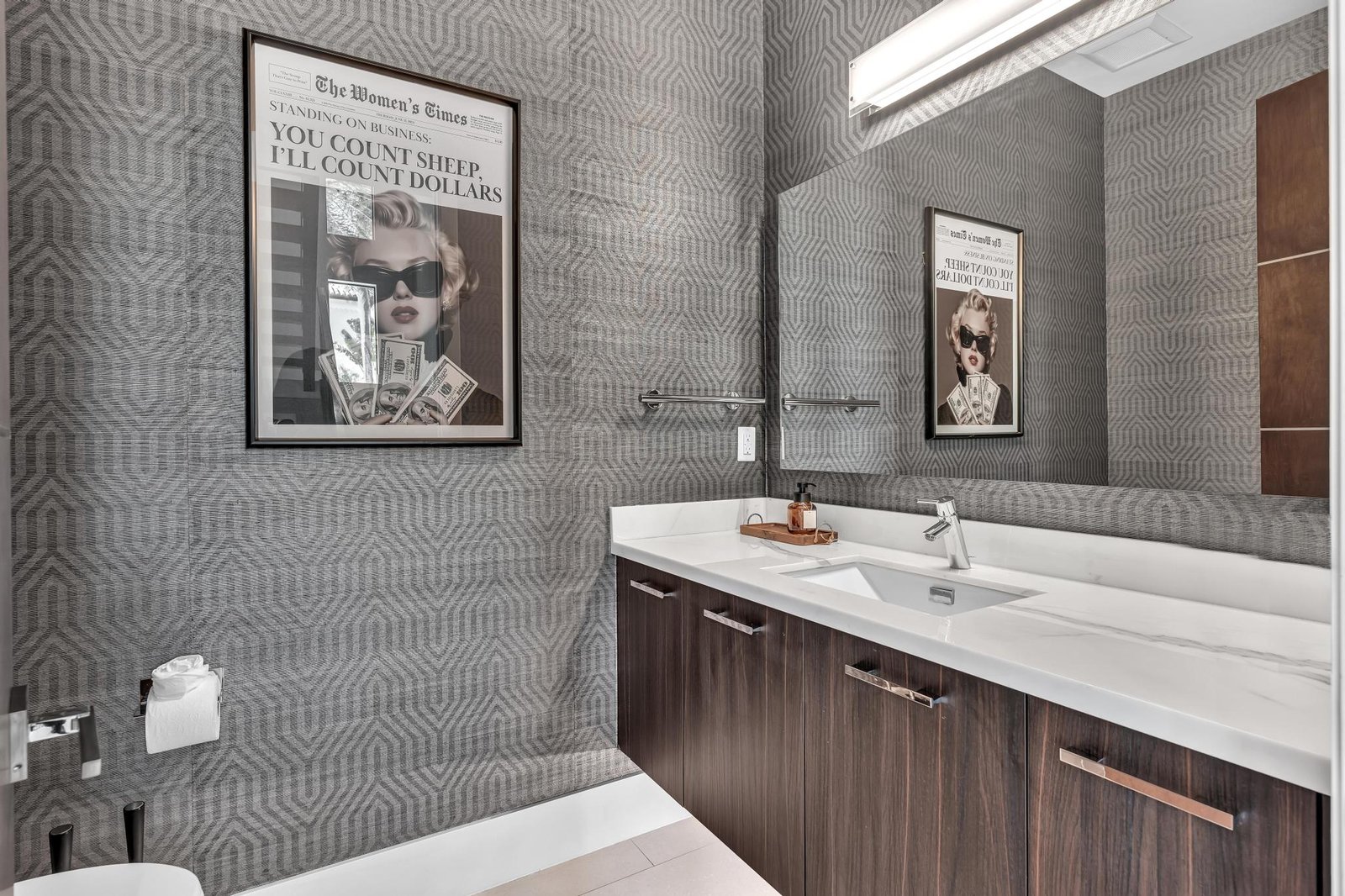
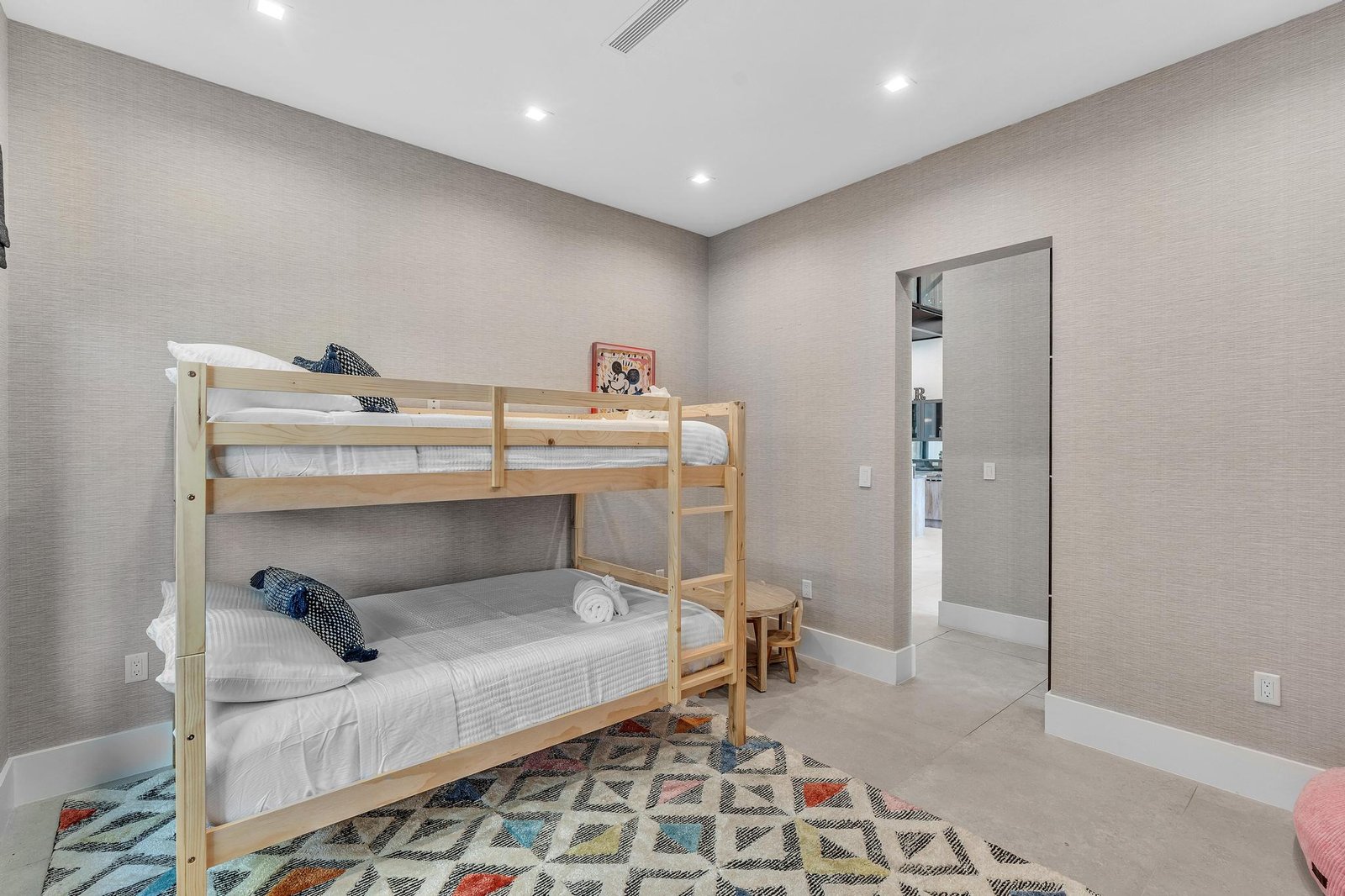
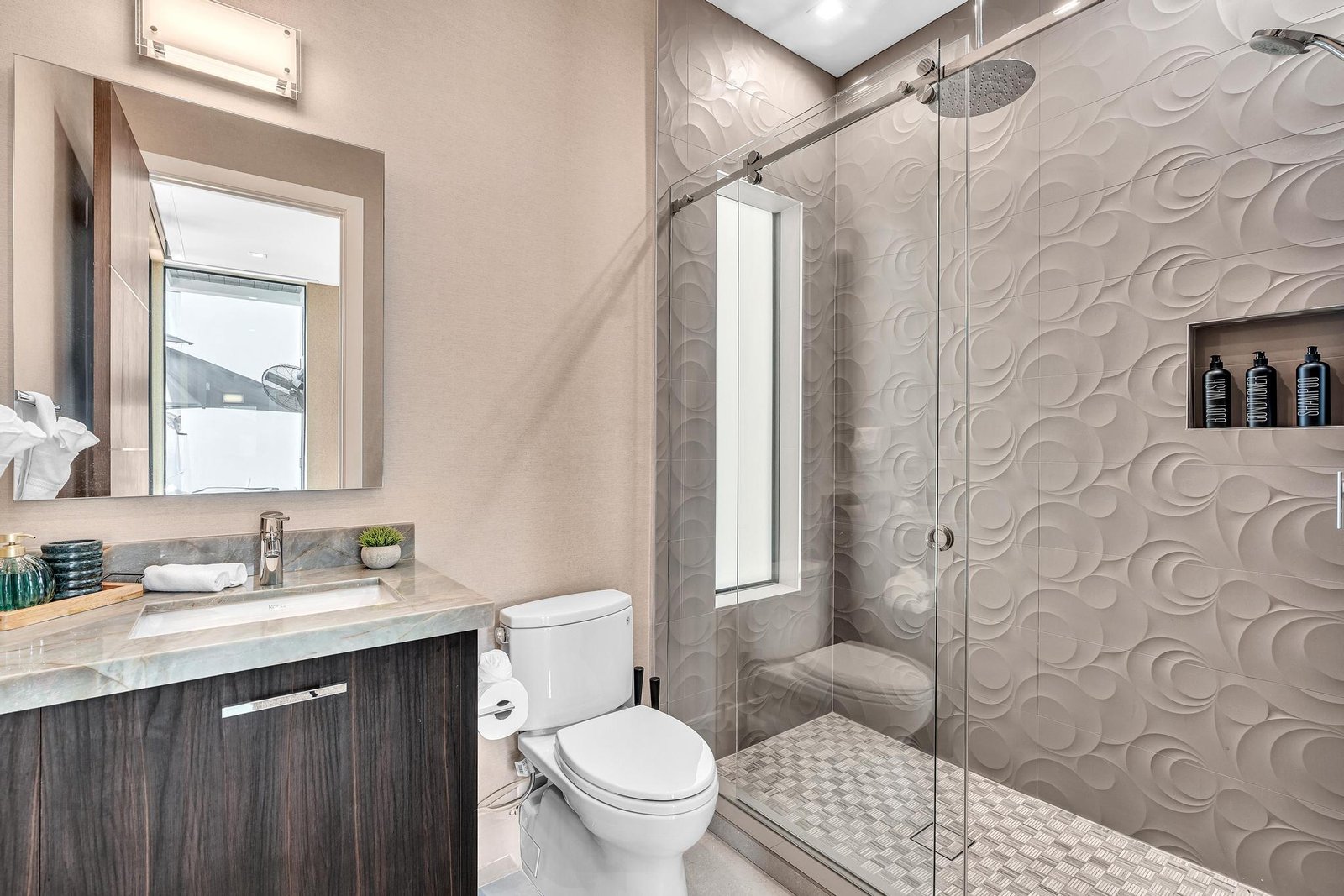
A property inspection checklist keeps you organized and consistent. Without one, it’s easy to forget something important. Your checklist should cover every area of the unit. Include sections for the kitchen, bathrooms, bedrooms, and common areas.
I’ve refined my inspection checklist over the years of practice. It now includes specific items, such as checking under sinks for leaks. I also note the condition of weatherstripping on exterior doors. The more detailed your list, the better protected you are. Many property management companies offer templates online. Feel free to customize one to fit your needs. Just make sure you use the same checklist for every inspection.
How Often Can a Landlord Inspect the Property?
This question comes up a lot. The answer depends on your lease agreement and local laws. Generally, a landlord can schedule inspections a few times per year. Most experts recommend at least one or two routine checks annually. Seasonal inspections work well for many landlords.
However, you can’t just show up whenever you want. Tenants have a right to privacy. Always provide proper written notice before any visit. I typically schedule my inspections in spring and fall. This timing helps me catch weather-related issues before they become expensive repairs. Regular communication with tenants makes the whole process smoother.
Working with a Property Manager to Schedule Inspections
If you own multiple properties, a property manager can be a lifesaver. They handle all the scheduling and documentation for you. A good property manager knows exactly what to look for during each rental inspection. They also stay current on local landlord-tenant laws.
When you hire someone to manage your rentals, ask about their inspection process. How often do they inspect? What does their checklist include? Do they provide photos and written reports? These details matter. Even with professional help, you should review inspection reports regularly. After all, it’s still your investment. A property manager makes the work easier, but you stay informed and involved.
Why a Rental Property Inspection Protects Everyone
At the end of the day, inspections benefit both landlord and tenant. For landlords, they catch maintenance issues before they spiral out of control. A small leak today can become a central water-damage claim tomorrow. Staying proactive saves money and stress.
For tenants, inspections prove they’re not responsible for pre-existing problems. That documented rental property inspection from move-in day protects them. It shows the unit’s condition before they ever hung a picture. Both parties sign off, creating accountability on both sides. I’ve seen inspections prevent countless disputes over the years. They’re not about catching people doing wrong. They’re about creating clarity and fairness for everyone involved.
Frequently Asked Questions
A: Check your lease first. Most leases require tenants to allow reasonable inspections with proper notice. If a tenant still refuses, document your attempts in writing. You may need to consult local laws or seek legal advice. Repeated refusals could constitute a lease violation. However, always try to communicate calmly and find a mutually agreeable time before escalating.
A: Generally, routine inspections are considered part of regular landlord duties. You typically cannot charge tenants for standard walkthroughs. However, if an inspection reveals damage requiring professional assessment, those costs might be recoverable. Always check your lease terms and local regulations. Some areas have specific rules about what fees landlords can pass along to tenants.
A: It’s highly recommended, especially for move-in and move-out walkthroughs. Having both parties present reduces the likelihood of disputes later. Everyone sees the same conditions and can discuss concerns immediately. For routine checks, tenant presence isn’t always necessary. Just provide proper notice and treat their belongings with respect during your visit.
A: An inspection focuses on the condition and functionality of a unit. It documents wear, damage, and maintenance needs. An appraisal determines the property’s market value. Licensed professionals typically do appraisals for financing or sale purposes. Both serve essential but very different functions in property management.
A: Very detailed. Capture wide shots of each room, along with close-ups of any damage or concerns: photograph appliances, fixtures, walls, floors, and ceilings. Include timestamps if your camera allows. I recommend taking too many photos rather than too few. Storage is cheap, but missing documentation during a dispute is costly.
A: Absolutely. The move-out walkthrough compares current conditions to move-in documentation. If new damage beyond normal wear and tear exists, landlords can deduct repair costs from the deposit. That’s why thorough documentation at both stages matters so much. Clear records reasonably protect everyone’s interests.