
Waterfront Property Hurricane Preparedness Checklist: Signs You Need One (And When You Don't)
3L Management Group has spent 10+ years protecting waterfront assets across Miami-Dade and Broward. If you own a coastal property in South Florida and don't have a documented storm protocol, this guide tells you exactly what's at stake and what to do about it.
Why a Waterfront Property Hurricane Preparedness Checklist Is Different From a Standard One
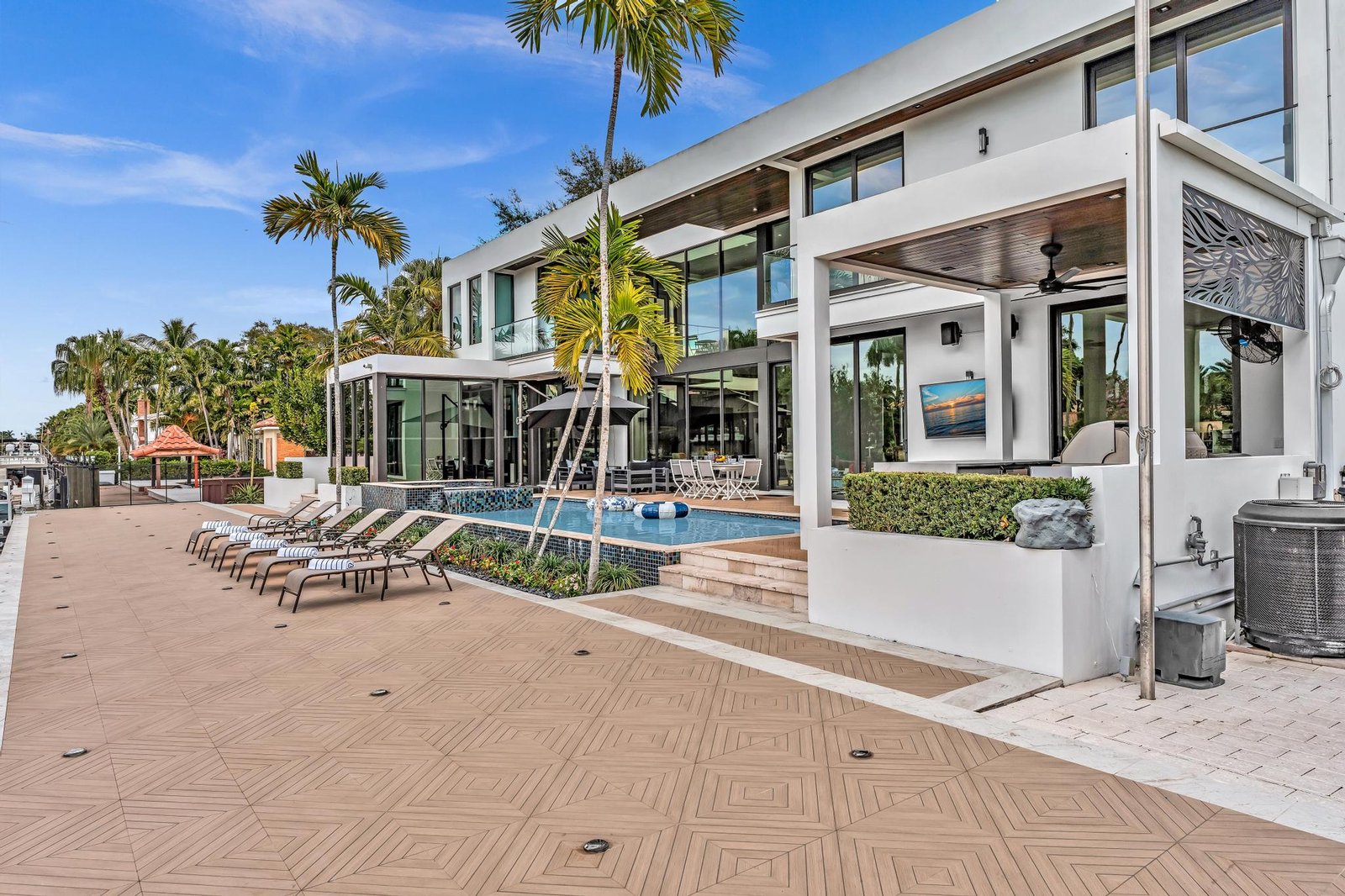
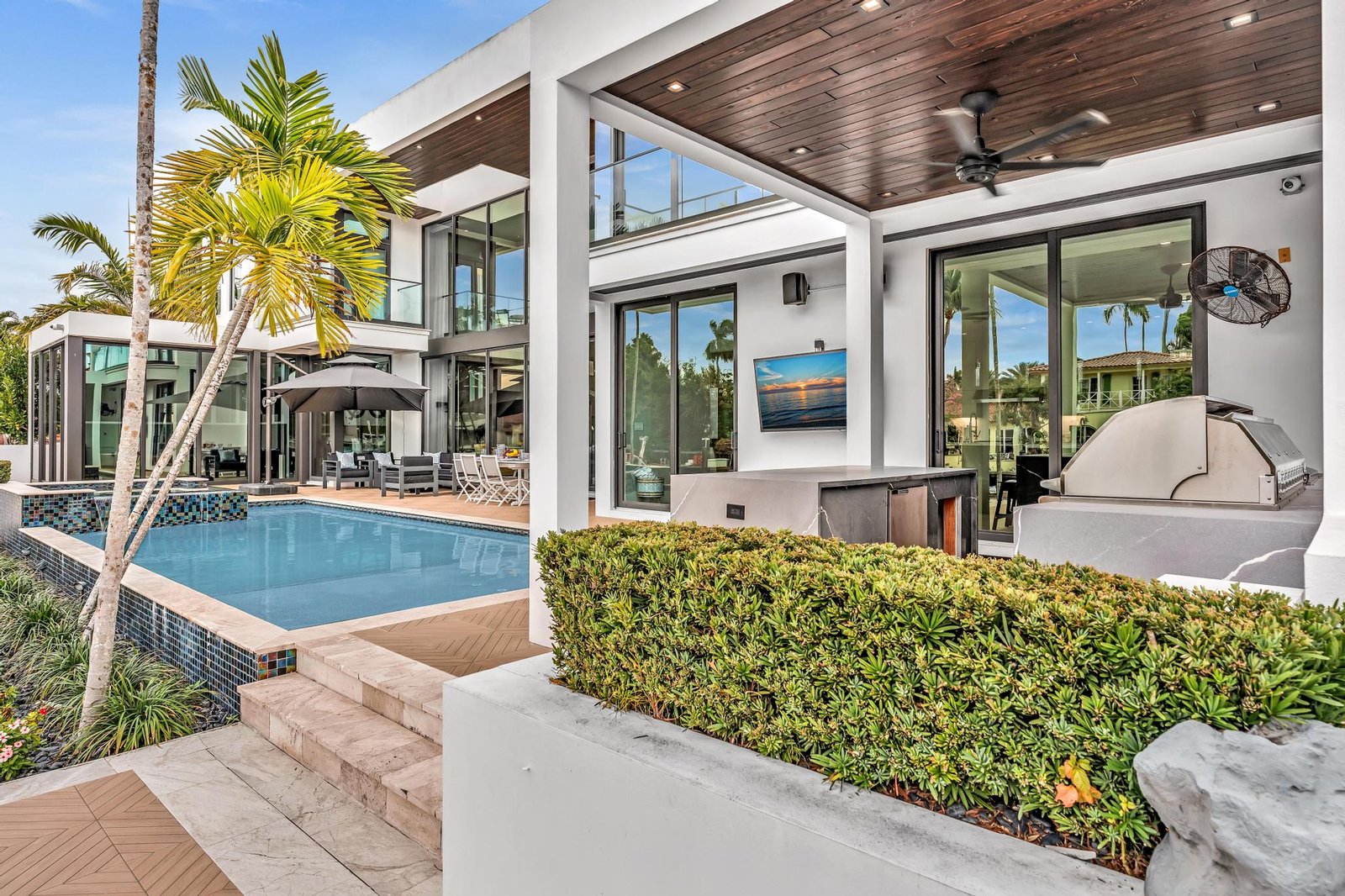
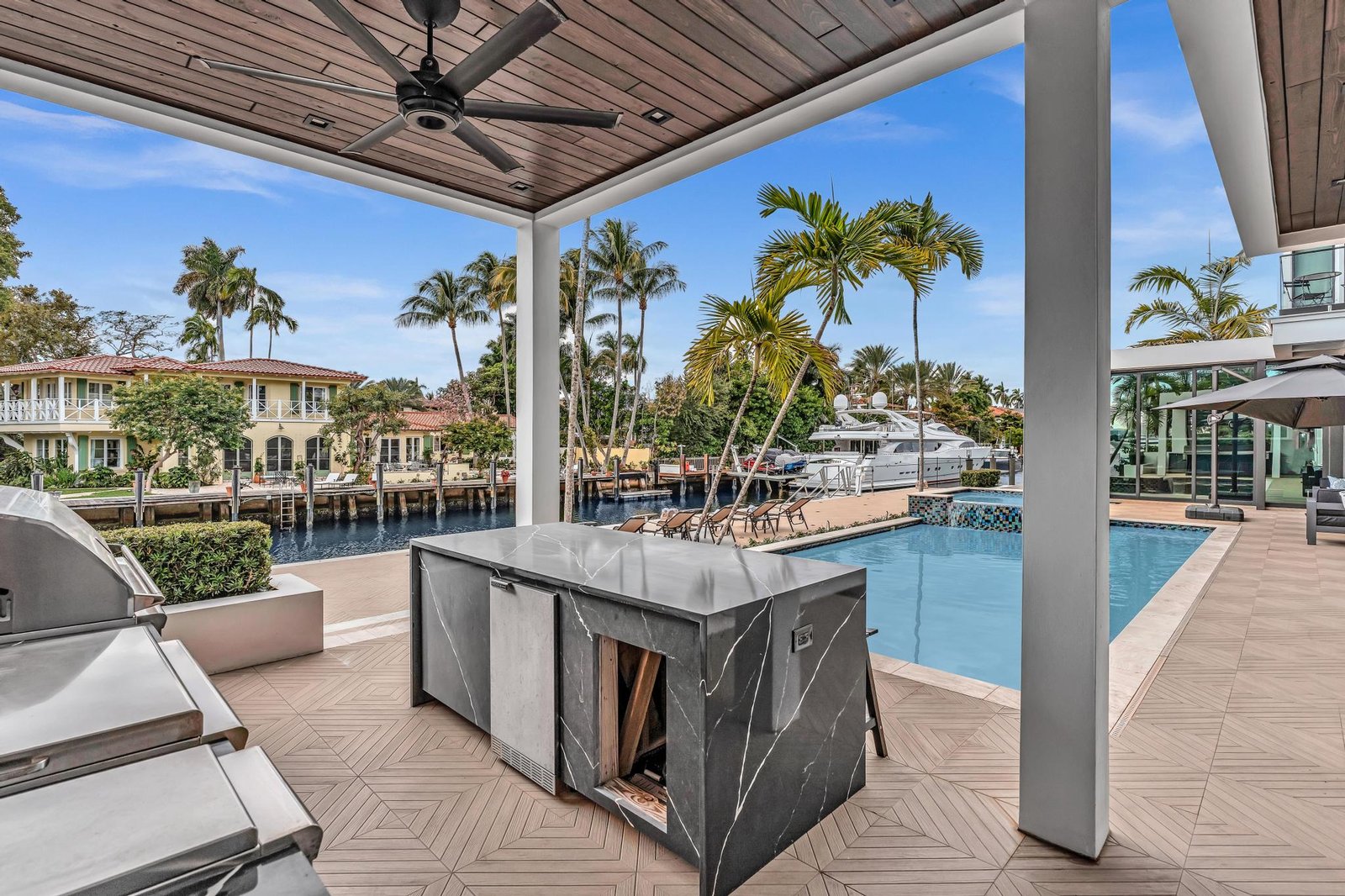
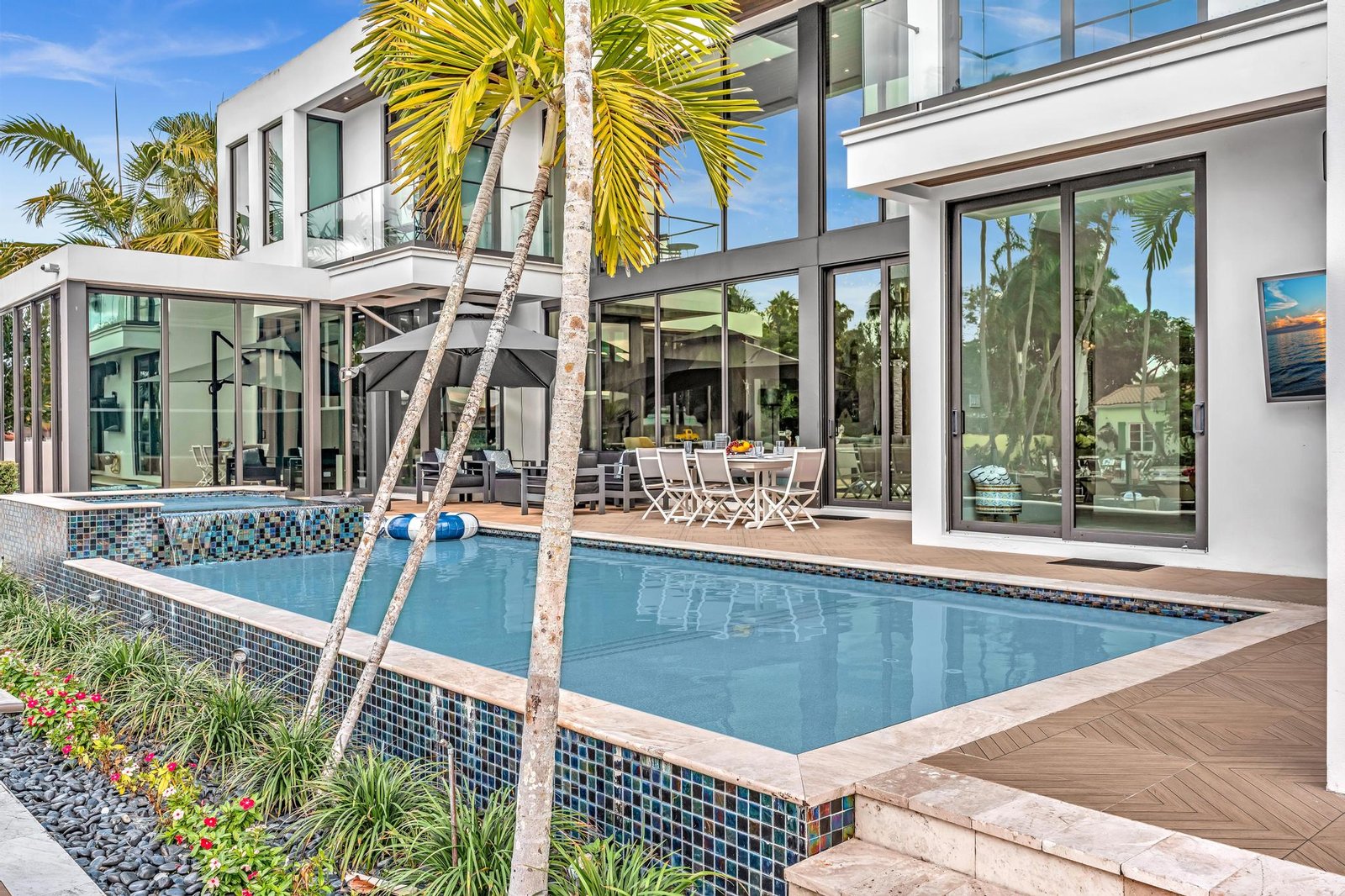
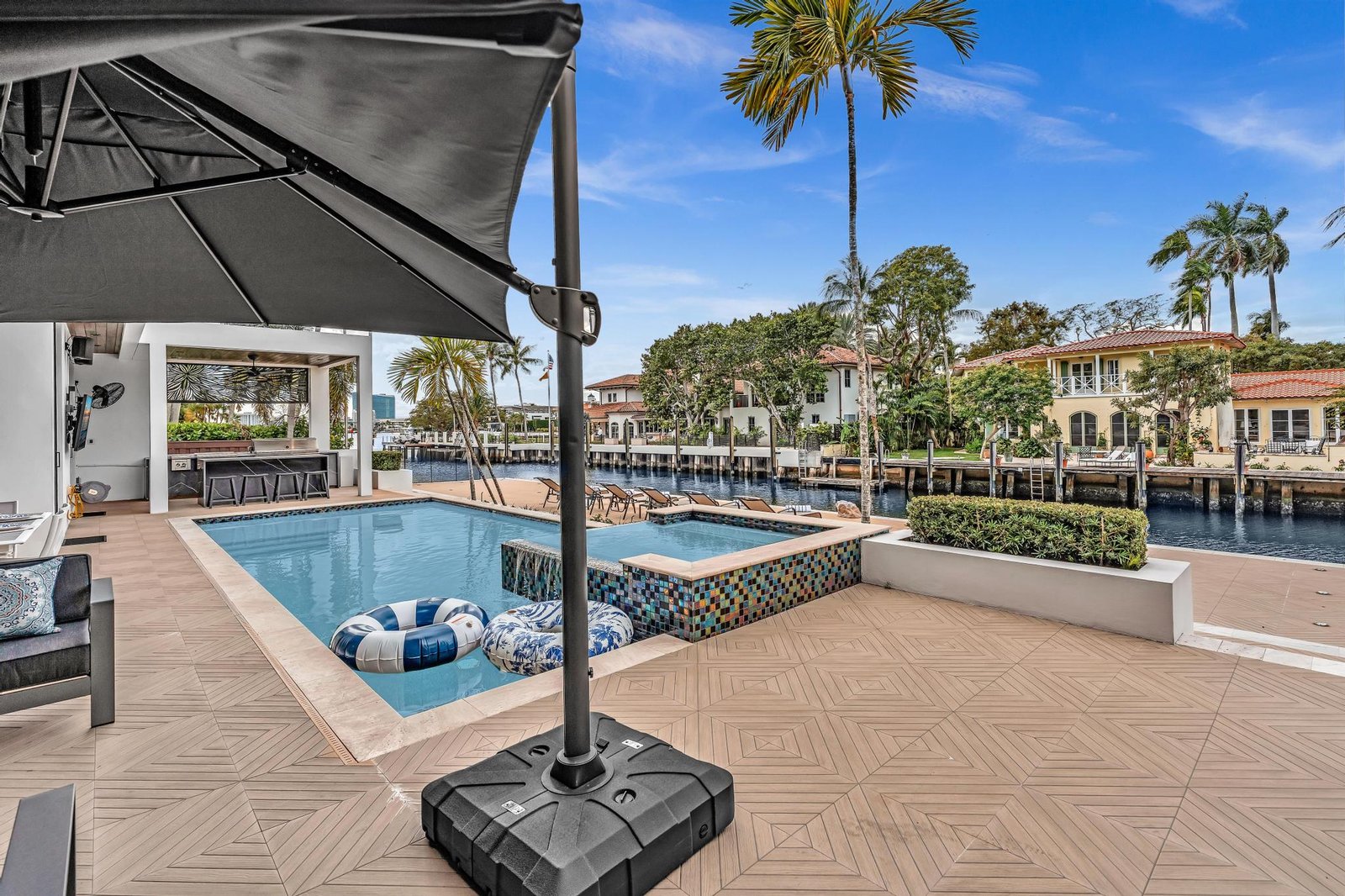
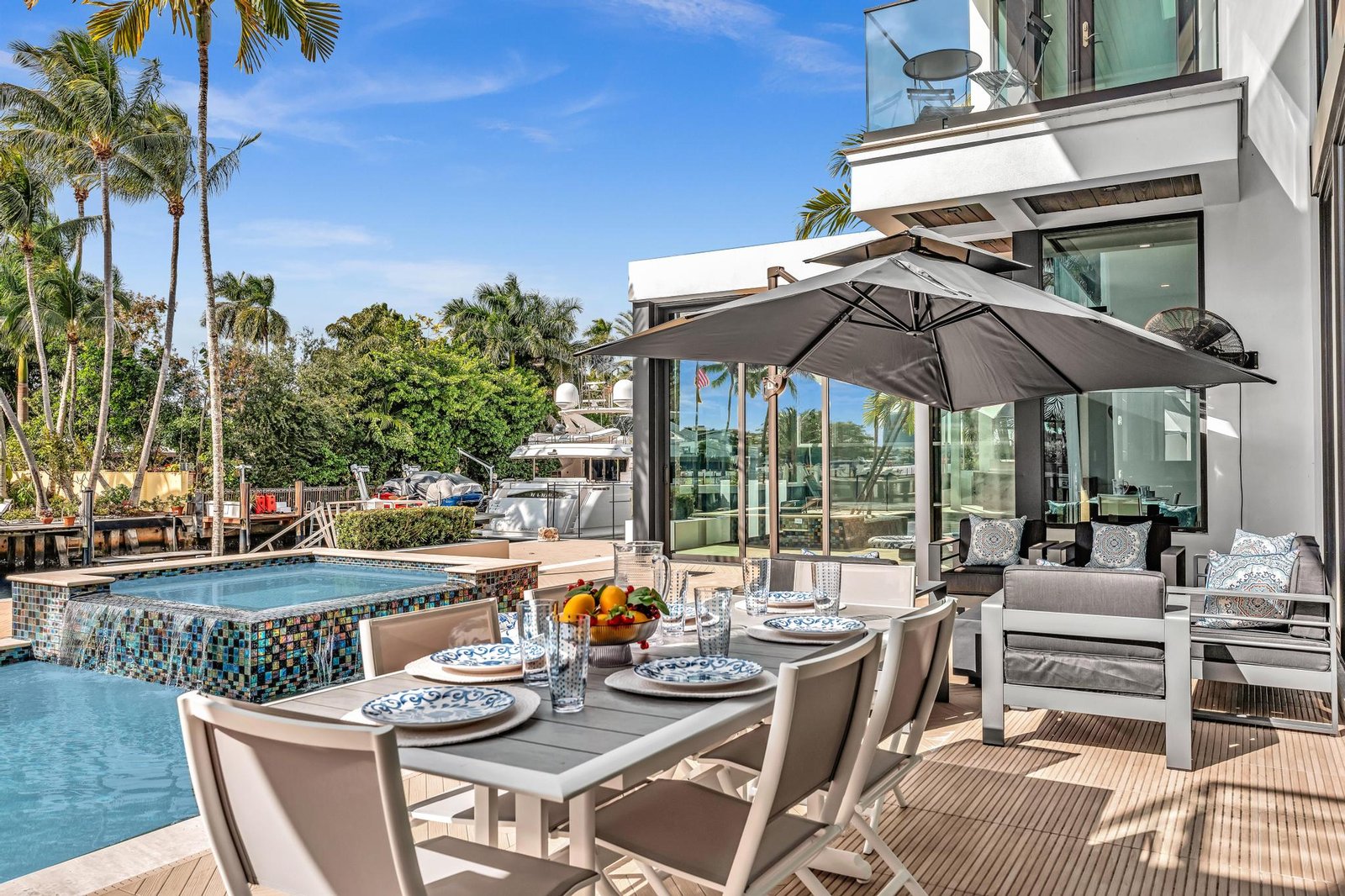
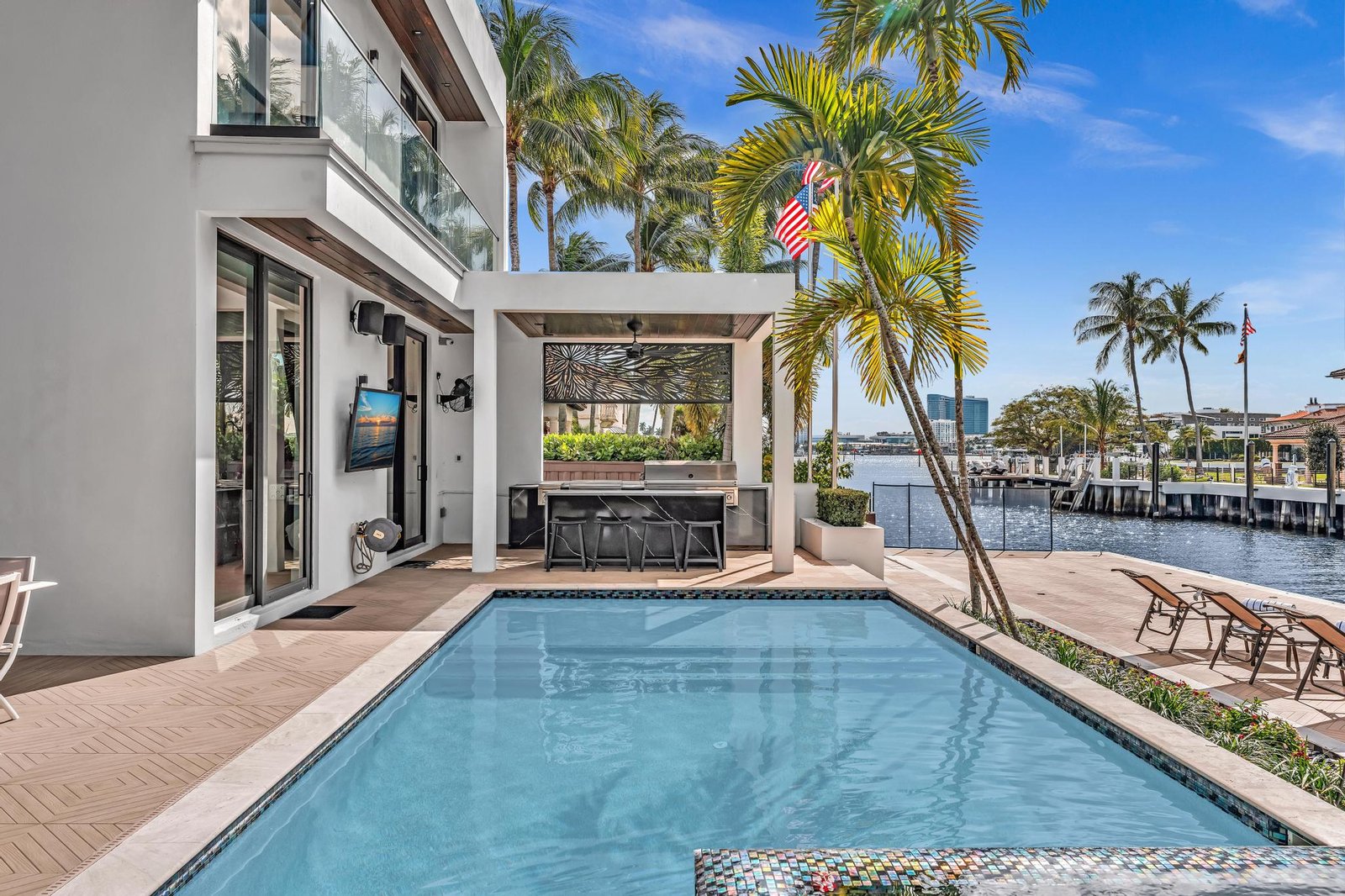
A generic storm checklist written for inland homes misses the specific exposures that waterfront properties face: surge flooding, dock damage, salt-spray corrosion accelerated by storm winds, and the liability questions that arise when a guest or tenant is on-site during a named storm. Here is what actually belongs on a coastal checklist, and the signs that your current preparation is inadequate.
Learn more about property management companies aventura how to choose
Learn more about property acquisition consulting South Florida in Coral Gables, FL
Learn more about investment property management Aventura
Learn more about How AI Is Transforming Property Management in 2026
Learn more about short-term rental management Broward County
Sign #1: You Have No Written Pre-Storm Protocol
If your storm plan lives in your head or in a single email thread, it will fail under pressure. A documented waterfront property hurricane preparedness checklist assigns specific tasks to specific people with specific deadlines relative to storm landfall -- 96 hours out, 48 hours out, 24 hours out.
Waterfront properties need a tiered timeline because dock systems, boat lifts, seawall inspection, and surge-zone evacuation logistics take longer to execute than shuttering a standard single-family home. The National Hurricane Center publishes storm watches typically 48 hours before conditions arrive. That is not enough lead time to start from zero on a waterfront asset.
Sign #2: Your Shutters Have Never Been Tested This Season
Impact shutters and accordion systems seize up from salt corrosion between seasons. If your shutters haven't been opened and closed since last year, there's a real probability some panels won't deploy when you need them. Test every panel in May, before the June 1 season start.
Sign #3: You Have No Surge Flood Elevation Record
FEMA's flood zone maps assign your waterfront property a base flood elevation. If you don't know what yours is, you cannot make informed decisions about what to move, what to elevate, and what your flood insurance actually covers. Check your current FIRM panel at FEMA's Map Service Center.
Sign #4: Outdoor Furniture and Equipment Have No Secure Storage Plan
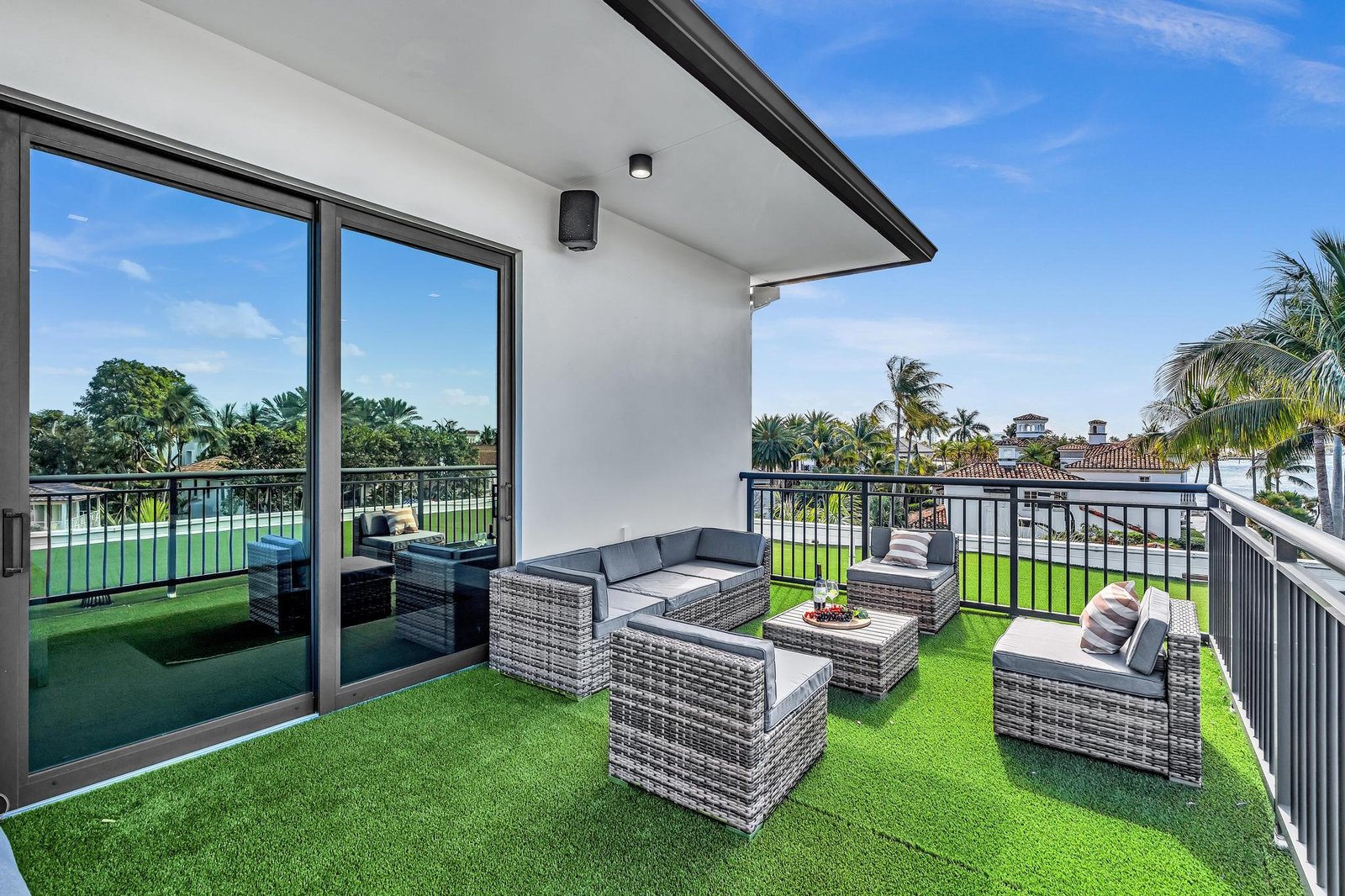
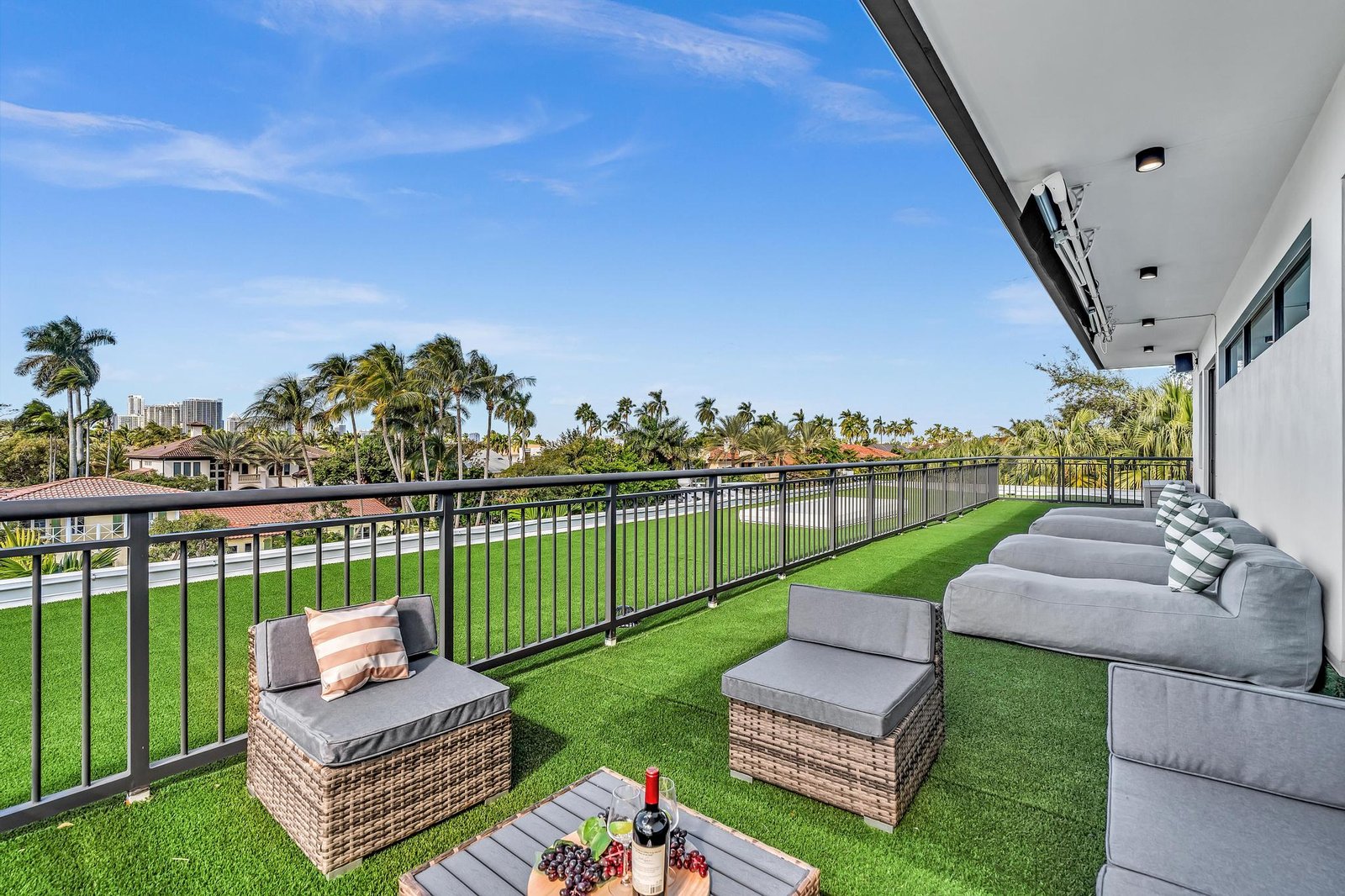
A Category 2 storm produces wind gusts that turn unsecured patio furniture into projectiles capable of breaching impact windows. Every waterfront property checklist needs a specific list of items, where they go, and how long the process takes. Most properties need 2 to 4 hours to secure outdoor areas properly.
Sign #5: Your Dock and Boat Lift Have No Storm Procedure
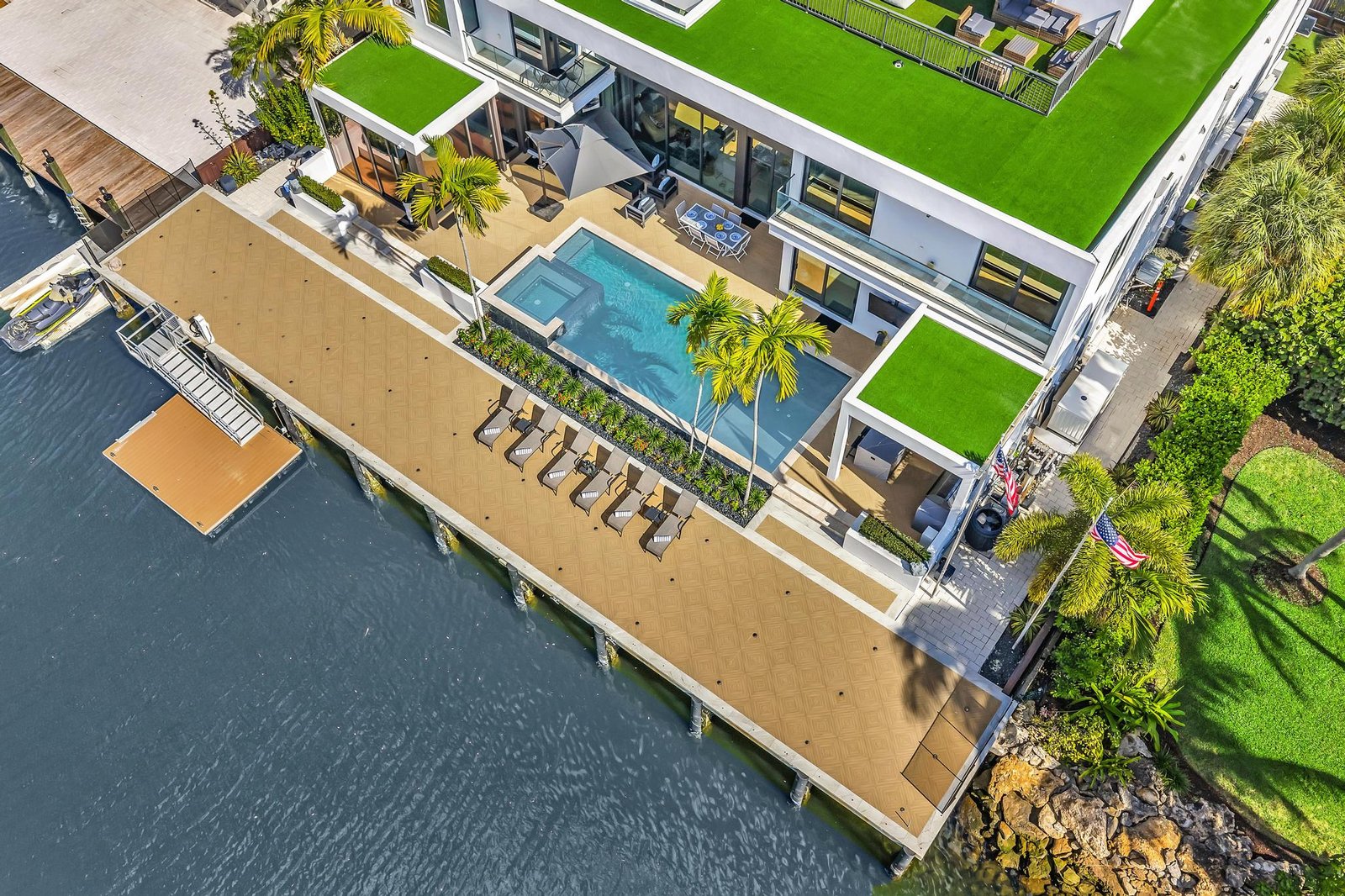
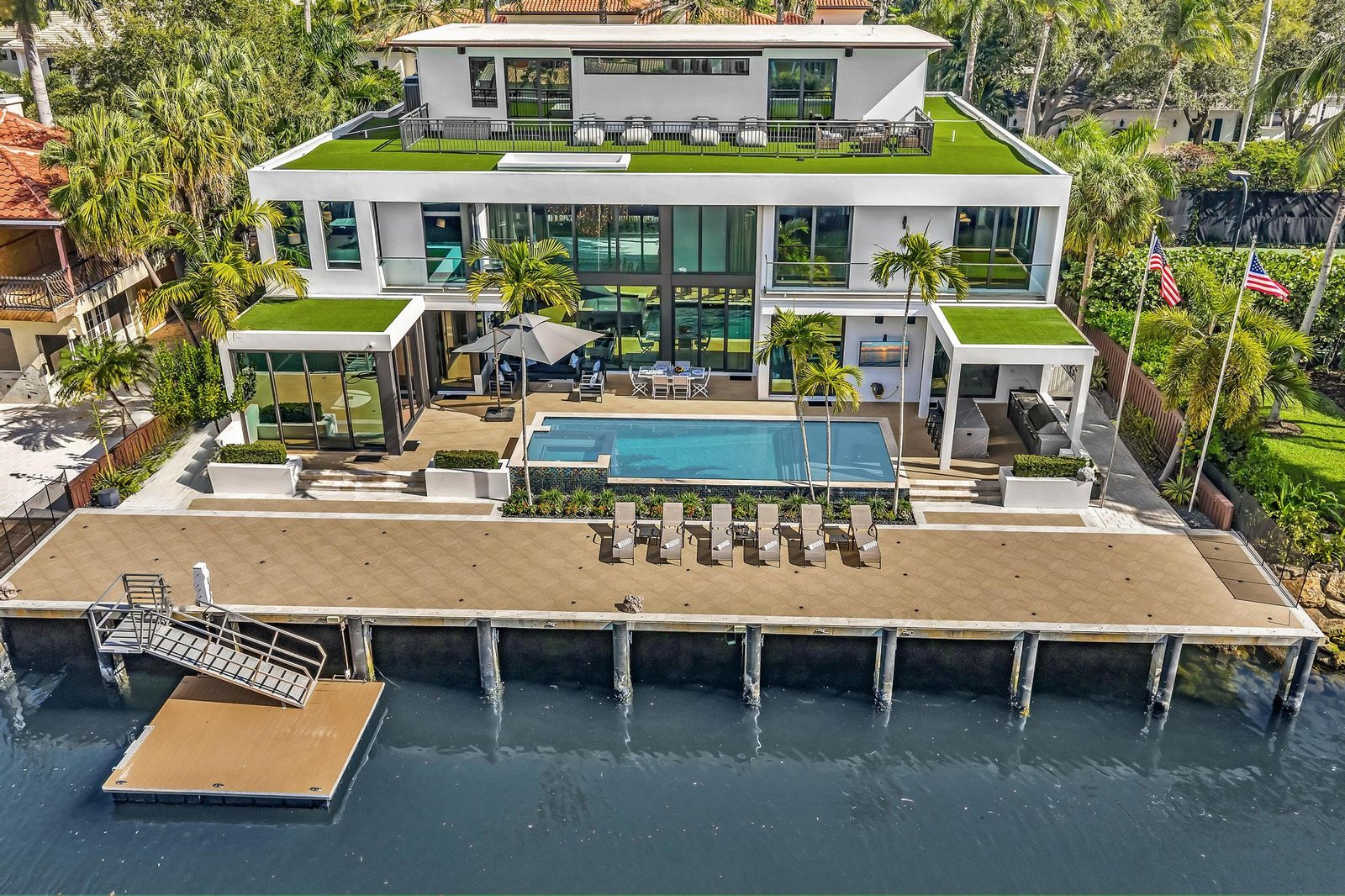
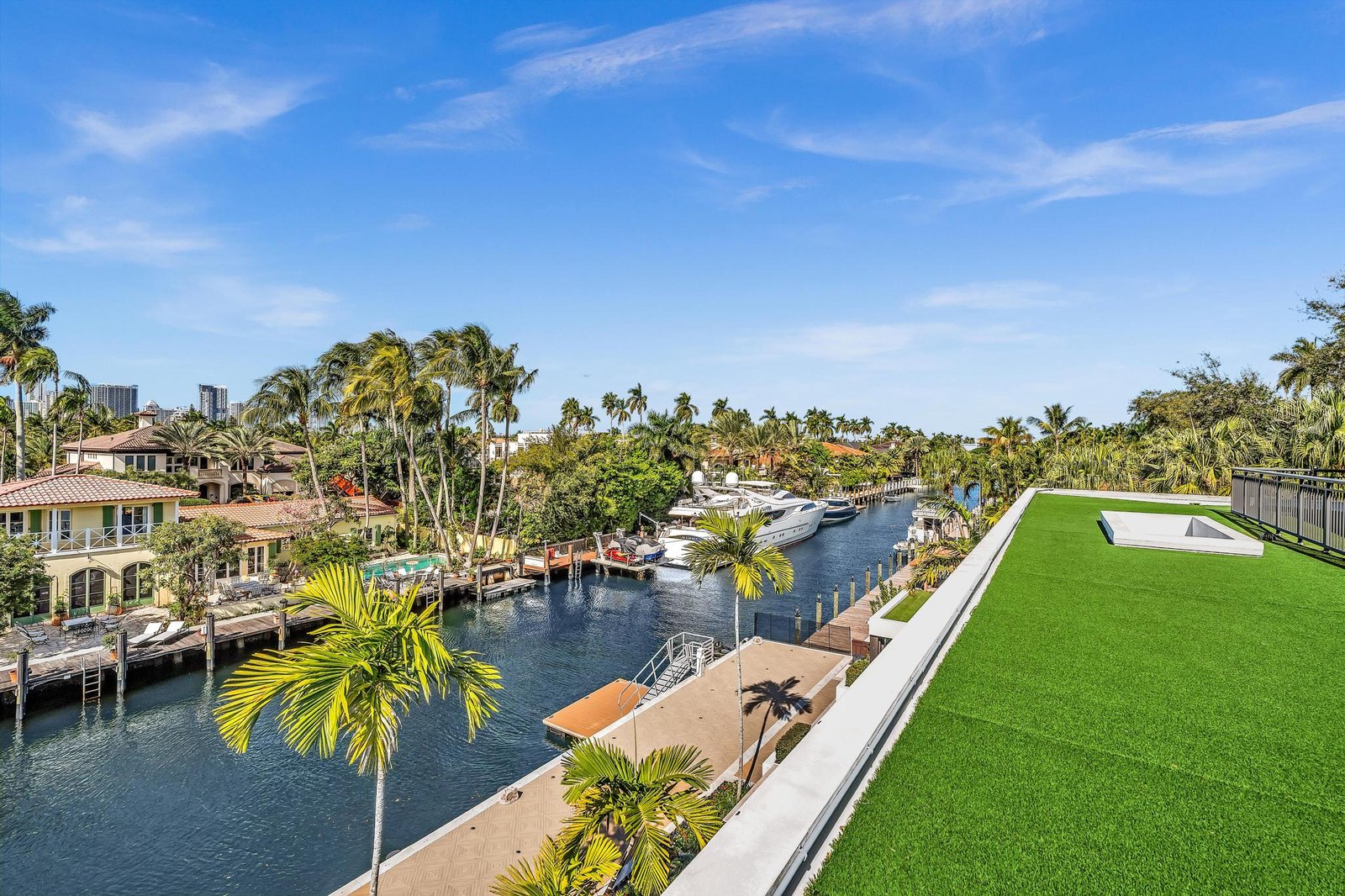
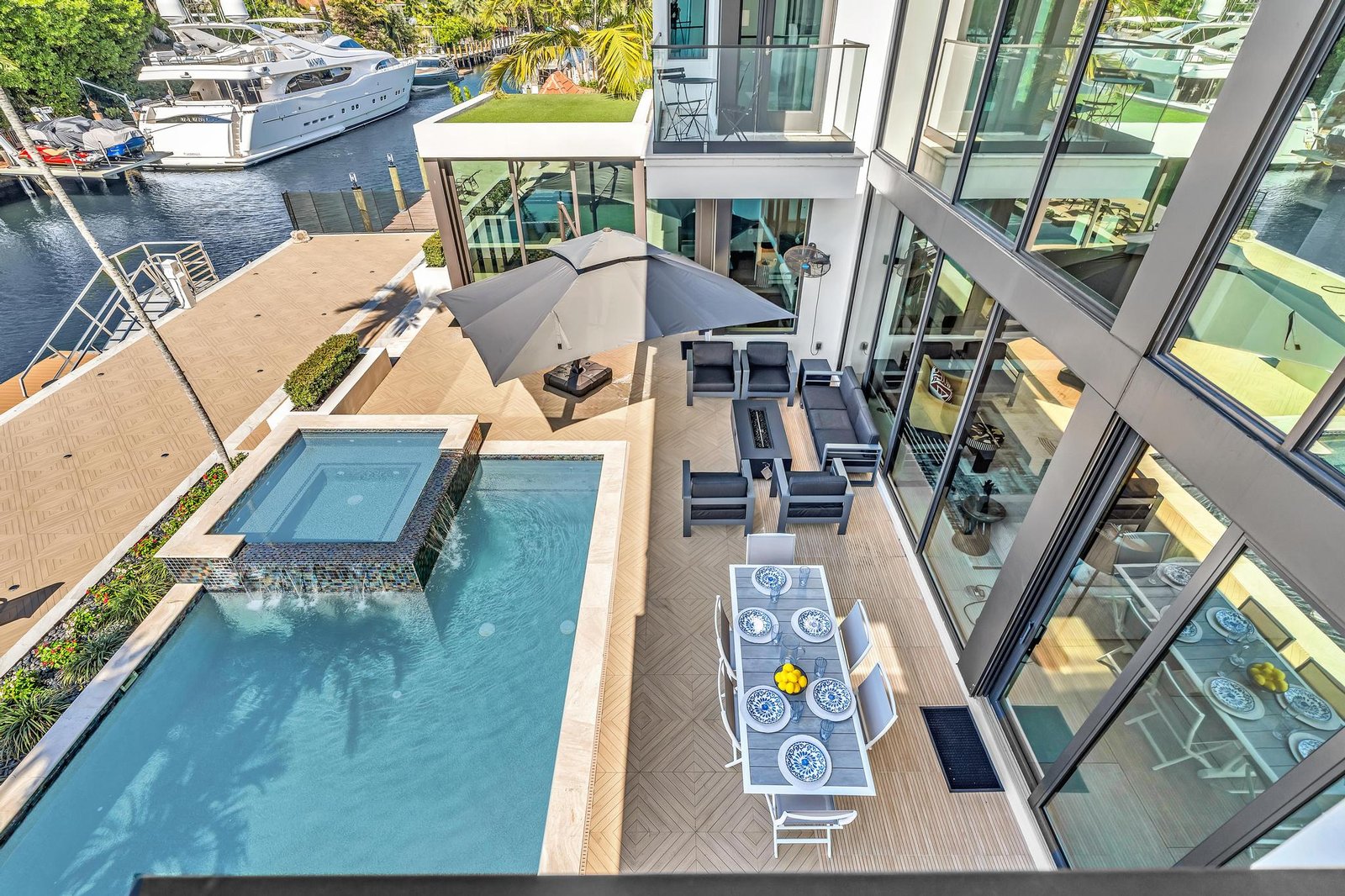
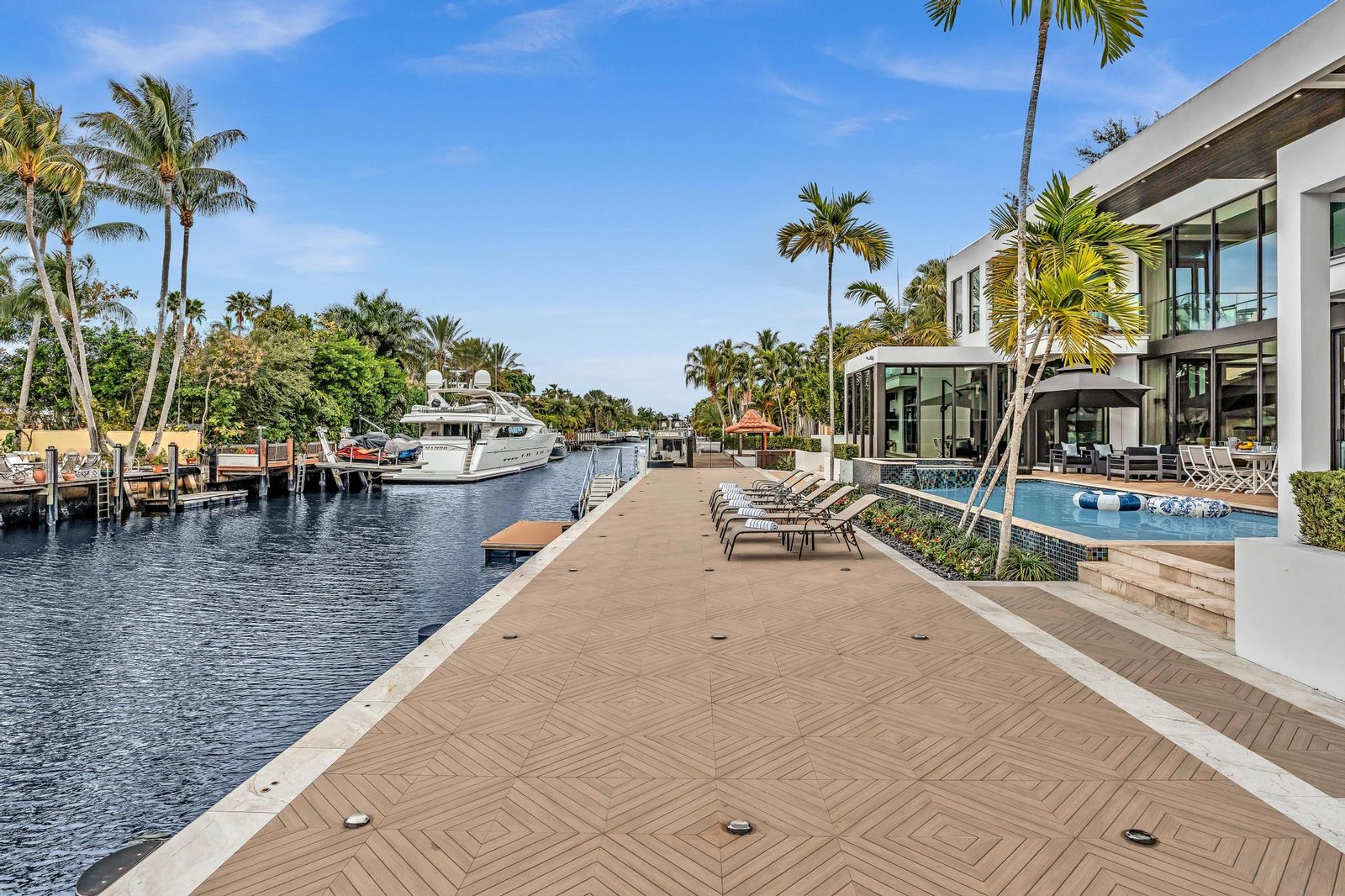
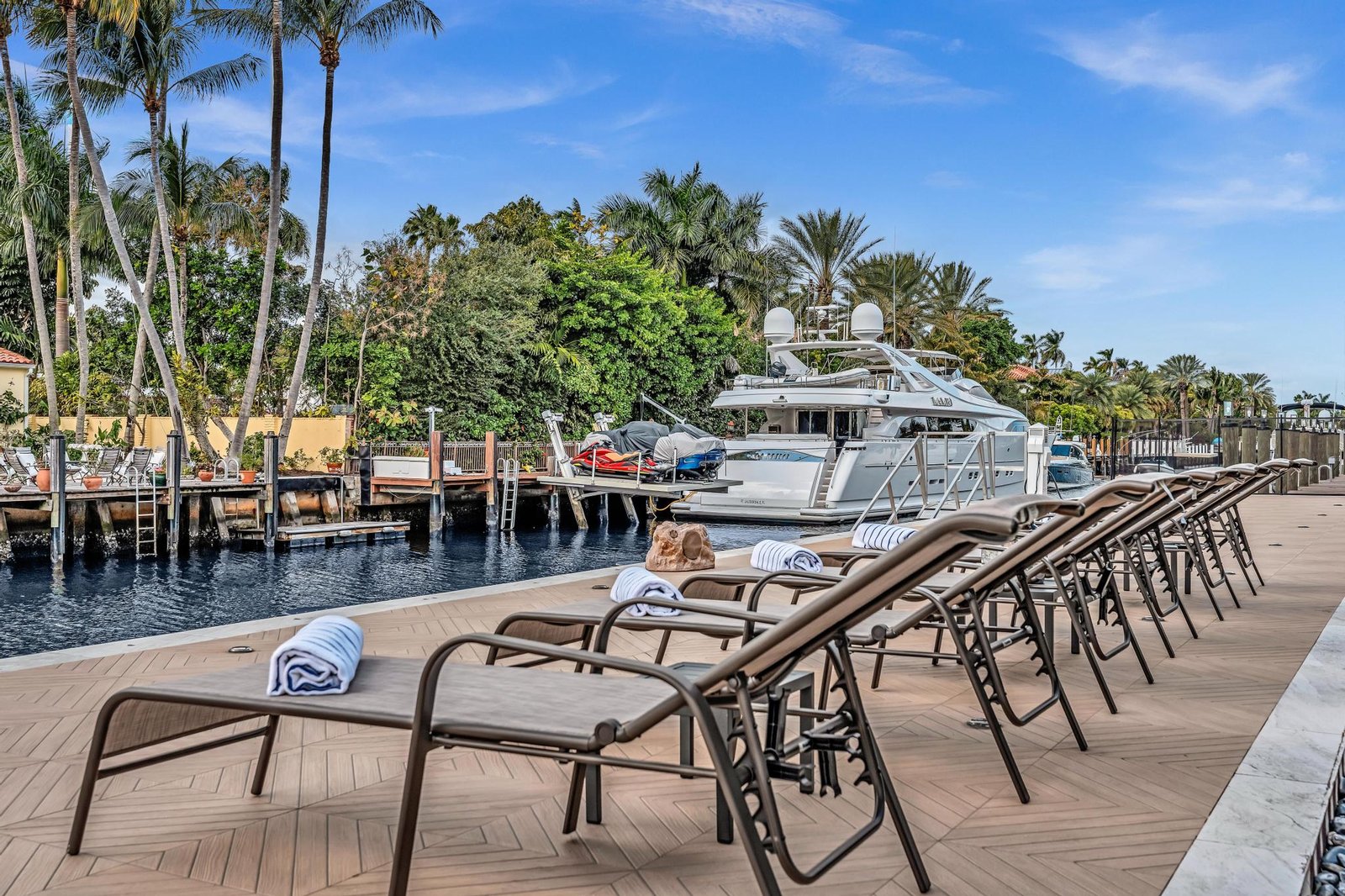
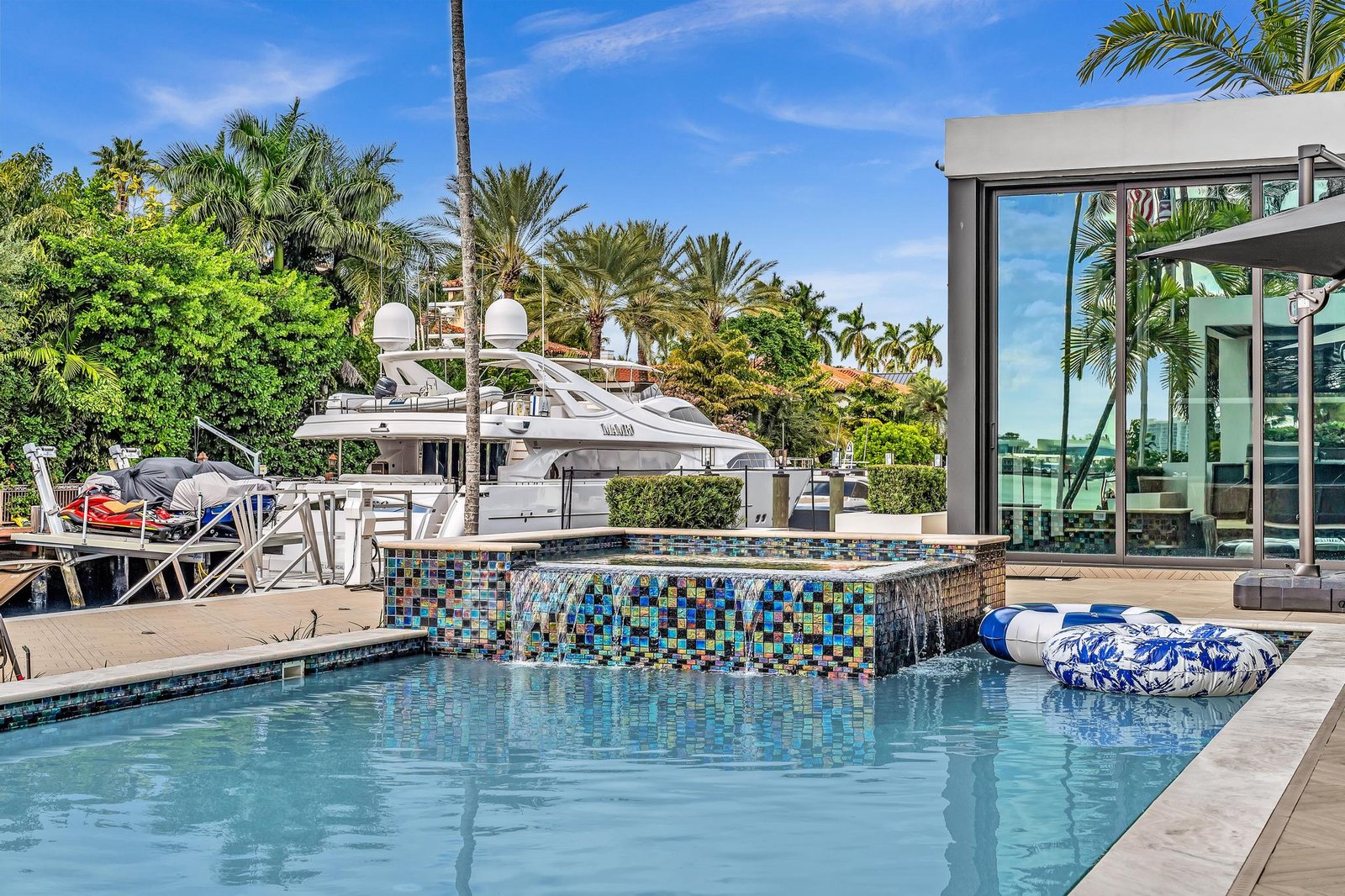
Docks are among the most expensive storm losses on waterfront properties. The correct procedure varies by dock type -- fixed, floating, or pile-supported -- and by vessel size. Lines need to be doubled and crossed. Boat lifts should be lowered for most storm scenarios, not raised. If you don't have written procedures for your specific dock configuration, that's a gap.
Sign #6: Your Property Manager Has No Documented Storm Role
If you're renting your waterfront property on Airbnb, VRBO, Booking.com, or Expedia and your management company has never shown you a written storm protocol, ask for one. Under Florida law, landlords and property managers have obligations to guests and tenants during declared emergencies. An undocumented process creates liability exposure on top of physical property risk.
See How 3L Handles Storm Season →10+ Years Protecting South Florida Waterfront Assets
3L Management Group operates from West Dixie Highway and manages waterfront and coastal properties across Miami-Dade and Broward counties. Storm preparedness is not a seasonal add-on for us -- it's built into how we run every property from May 1 onward.
Waterfront properties in South Florida face exposures that inland properties don't: seawall maintenance, tidal surge risk, accelerated corrosion from salt air, and the complexity of managing guests or tenants during a named storm event. Our protocols are written for these specific conditions, not adapted from generic property management templates.
We don't hand storm decisions to a call center in another state. The person coordinating your property's pre-storm preparation knows your shutter type, your dock configuration, your HOA's emergency rules, and your current booking calendar -- because they manage your property week to week.
For owners evaluating whether their current management is storm-ready, our Miami hurricane season property management page and our Coral Gables high-end property management guide explain the specific mistakes owners make before and during storm season.
The Actual Waterfront Property Hurricane Preparedness Checklist: Item by Item
Below is the working checklist 3L Management Group applies across waterfront properties we manage. These tasks are sequenced by timeline, not alphabetically. Sequence matters -- dock work done after shutters are closed wastes time and creates access problems.
Begin dock, seawall, and outdoor furniture procedures. Confirm guest or tenant evacuation plan. Verify generator fuel and transfer switch function.
Deploy all shutters or board all non-impact windows. Secure or remove all exterior items. Confirm utility shutoff procedures with owner. Document property condition with photos and video.
Final walkthrough. Confirm all guests or tenants are off-site. Shut off water at main if surge flooding is projected. Notify insurance carrier of imminent storm event.
The 96-Hour Waterfront Checklist (Full)
Dock and marine equipment come first because they require the most time and the most physical access. At the 96-hour mark, complete these in order:
- Remove canvas covers, biminis, and dodgers from any vessels
- Double dock lines and cross them to distribute load
- Lower boat lifts to the waterline for most storm tracks (consult your marina for vessel-specific guidance)
- Remove dock boxes, fish cleaning stations, and any removable dock accessories
- Inspect seawall cap for existing cracks -- document with photos before the storm for insurance purposes
- Pump bilges and confirm bilge pumps are operational
Simultaneously, begin the exterior property sweep: test every shutter panel, photograph the property exterior, and confirm generator load capacity against your critical systems -- HVAC, sump pumps, refrigeration, and security.
When You Don't Need This Checklist
Not every storm requires full execution of a waterfront preparedness checklist. Tropical storms and weak Category 1 systems tracking well offshore rarely produce the surge, sustained winds, or tidal interaction that put waterfront assets at genuine risk. The threshold decisions are:
- Sustained winds under 50 mph at your specific location: outdoor furniture securing and shutter deployment are still warranted, but dock demobilization may not be
- Storm track that keeps the eye wall more than 100 miles offshore: surge risk drops substantially for most South Florida waterfront zones
- Your property is in an X flood zone per FEMA: base flood risk is lower, though storm surge from major systems can exceed mapped zones
The judgment call on which measures to execute and which to skip requires knowing your property's specific flood zone, elevation, construction type, and insurance requirements. A property manager who says "we do the full checklist for every named storm" is wasting your money and your tenants' patience on disturbance. One who says "we don't do much until it's a Cat 3" is gambling with a high-value asset.
What Waterfront Owners Ask About Hurricane Prep
These are the questions we hear from waterfront property owners across Miami-Dade and Broward every May. Straight answers.
Full Storm Protocol Guide →Does my homeowner's insurance require a specific hurricane preparedness checklist?
Most Florida homeowner's policies don't mandate a specific checklist format, but they do contain provisions about "reasonable care" before a storm. Failing to deploy shutters on a property that has them, or leaving a boat lift in the raised position during a direct hit, can affect how your adjuster evaluates a claim.
Wind mitigation credits in Florida -- which directly affect your premium -- are tied to documented features like shutter type, roof-to-wall connection method, and opening protection. The Florida Department of Financial Services explains wind mitigation inspection requirements. Know what your policy requires before storm season, not after a loss.
How far in advance should I activate my waterfront hurricane checklist?
The 96-hour mark from projected landfall is the correct trigger for full execution on a waterfront property. That's when the National Hurricane Center typically issues watches for South Florida. For a property with a complex dock system or a vessel on a lift, starting at 96 hours gives you enough margin to deal with stuck shutters, contractor delays, or guests who need extra time to vacate.
Waiting until a warning is issued (typically 36 hours out) is too late for waterfront properties. By then, contractors are unavailable, hardware stores are sold out, and marina services are overwhelmed.
What happens to my rental income if I have to cancel bookings for a storm?
Airbnb, VRBO, and Booking.com each have extenuating circumstances policies that cover natural disasters including hurricanes. For Airbnb, a declared emergency typically triggers a full refund to guests without host penalty -- but only if you've accepted the platform's extenuating circumstances policy terms. VRBO's policy is similar but the process differs. Know your platform's specific procedure before you need it.
For long-term and mid-term tenants, Florida Statute 83.63 addresses lease termination rights when a dwelling is rendered uninhabitable. Your management agreement should spell out how storm-related income disruptions are handled. For owners on our platform management program, we handle all guest communication and cancellation processing during storm events. See our furnished rental turnover guide for how we document property condition before and after any disruption.
Should I be on-site during a hurricane if I live locally?
No. Local emergency management orders -- including mandatory evacuation orders for surge zones -- apply regardless of whether you own the property. Staying on a waterfront property in a surge zone during a major storm creates risk to first responders as well as yourself.
A documented management protocol handled by a local team means your property is as protected as it can be before the storm and assessed as quickly as possible after. That's the correct division of responsibility. Owners who stay to "keep an eye on things" generally cannot do anything the shutters and secured dock lines aren't already doing, and they create additional emergency exposure.
How does salt air corrosion factor into hurricane preparedness for waterfront properties?
Salt air accelerates corrosion on shutter tracks, locking mechanisms, generator housings, and electrical panels at a rate that surprises most owners who relocated from inland markets. A shutter panel that worked perfectly 18 months ago may be seized solid today if the tracks weren't lubricated and the hardware wasn't inspected.
We build a May inspection into every waterfront property's maintenance schedule specifically to catch this before storm season. That includes shutter deployment tests, generator load tests, and corrosion checks on all exterior hardware. Discovering a seized shutter at the 48-hour mark is an expensive problem with no good solution. For a full picture of coastal maintenance timelines, the Miramar property management FAQ covers similar ground for properties near the coast.
Does my property manager handle hurricane prep or is that the owner's responsibility?
That depends entirely on your management agreement, and many agreements are vague on this point. Some managers coordinate storm prep but bill the owner separately for contractor time. Others have a documented storm protocol included in their standard fee. A few do essentially nothing and expect the owner to self-manage remotely.
At 3L Management Group, storm protocol is part of how we manage every coastal and waterfront property from May onward. We don't treat it as an emergency add-on. For owners considering a management change before storm season, the North Miami Beach property consulting page and our South Florida Airbnb management guide cover what to look for in a management agreement before you sign one.
Is Your Waterfront Property Storm-Ready Before June 1?
The first step is a direct conversation about your property's specific exposures -- flood zone, shutter type, dock configuration, and current management setup. We'll tell you honestly what's adequate and what isn't, including if your current manager is handling it correctly.
- Review your property's flood zone and elevation documentation
- Audit shutter, generator, and dock systems before season starts
- Build a written 96-hour storm protocol specific to your property
- Coordinate guest or tenant communication during storm events
Multiple Waterfront Properties Across South Florida?
Managing storm protocols across several addresses with different flood zones, shutter types, and tenant situations requires a coordinated system, not a phone tree. We run documented pre-storm and post-storm procedures across entire portfolios from a single point of contact.
- Portfolio-level storm readiness audits before June 1
- Coordinated guest rebooking and cancellation management
- Post-storm inspection and insurance documentation across all properties
More Resources for South Florida Waterfront Property Owners
These guides address the decisions that matter most for coastal and waterfront properties in Miami-Dade and Broward -- before, during, and after storm season.