
Airbnb Revenue Management & Dynamic Pricing - Miami
Miami STR revenue actively managed across every booking season by a named revenue specialist.
Rate adjustments happen before peak events fill the calendar, not after your dates are already taken.
Review My Pricing
What Airbnb Revenue Management Actually Does for Miami Owners
Your nightly rate moves with the market, not against it.
It's the practice of adjusting short-term rental pricing continuously: based on real demand signals, on what competitors are doing, and on what's happening in Miami that week, that month, that season.
Dynamic pricing, meaning software-driven rate adjustments that respond to live market data, is the engine behind it. Tools like PriceLabs analyse competitor listings, local event calendars, and booking pace to set the right price for each night on your calendar. Not a flat rate. Not a seasonal guess.
A fuller calendar is not the same as a better year
Occupancy tells you how many nights sold. RevPAR, revenue per available night, tells you what you actually earned.
- Looks like
- A calendar that is almost always full
- Reads as
- Strong performance on the dashboard
- Costs
- More turnovers, more wear, more cleaning
- Looks like
- Gaps on the calendar
- Reads as
- Lower occupancy, higher earnings
- Costs
- Fewer turnovers on the same revenue
The goal isn't maximum bookings. It's maximum income per night available.

Demand runs in layers, not a straight line
November through April brings snowbird season, when northern and international visitors arrive and occupancy across Miami, Fort Lauderdale, and Boca Raton tightens significantly. That alone lifts baseline rates.
Then the events hit. Art Basel in December compresses Miami Beach and Wynwood bookings weeks before the festival opens. The Formula 1 Grand Prix in May drives premiums across Brickell and Edgewater. Ultra in March, Memorial Day weekend, and the Boat Show each create their own windows.
There's also a complication most pricing tools miss entirely. Miami-Dade has a tidal flooding pattern, king tides in September and October, that can affect guest willingness to book certain coastal areas. A revenue manager paying attention adjusts minimum stay strategy and messaging for that window. A static tool doesn't.
Miami isn't one market. It's a set of overlapping micro-markets that each respond differently to the same demand signal.
A Formula 1 weekend doesn't move rates equally across Wynwood, Doral, and Miami Beach. Properties in Edgewater behave differently from those in Aventura during snowbird season, even though both sit in Miami-Dade.
Our process starts with the baseline. We pull occupancy history, booking pace, and competitor positioning for each property individually. Then we set rate floors, the minimum price that makes sense given operating costs, and build rate ceilings for high-demand periods. Those ceilings are event-specific.
For Art Basel last December, rate adjustments on managed properties started eight weeks out. Not two weeks. Not when the event was announced.
Eight weeks, because that's when the booking window for serious Art Basel guests actually opens. By the time most self-managing owners started bumping their rates, the best nights were already taken.
Channel performance is tracked separately. Airbnb and VRBO don't always respond to the same pricing in the same way. The outcome measured against is RevPAR growth, not just nights booked. Full calendars with underpriced nights don't build owner income.
Chris, Revenue Manager, 3L Management Group
The setting that quietly blocks your best weekend
An owner sets a three-night minimum across the board, which sounds reasonable. Then a high-demand weekend arrives, say the Formula 1 Grand Prix. Guests searching for those specific three nights can't book, because the calendar has a single orphan night sitting before them, blocking the stay. The unit sits empty. The event passes.
We adjust minimum stay requirements by period, by event, and by booking window. Around confirmed high-demand events minimums often go up, to capture guests willing to pay a premium for exactly those dates. During shoulder periods minimums come down to fill the calendar without lowering rate unnecessarily.
This isn't set-and-forget. It's a weekly decision based on what the booking data is showing. In an event-driven market, minimum stay is an active revenue lever.
The same performance standards on every STR we manage
- A dedicated Revenue Manager. Chris owns STR pricing strategy across the portfolio. A defined role, not a shared task handled between calls.
- Dynamic pricing tools. Software platforms including PriceLabs automate rate adjustments based on live market data, event calendars, and competitor positioning.
- Event-based rate adjustment. Rates move proactively for Art Basel, Formula 1, Ultra, the Boat Show, and major holiday weekends.
- RevPAR tracking. Performance measured on revenue per available night rather than occupancy alone.
- Channel management. Listings distributed and synchronised across Airbnb, Vrbo, and direct booking, with intentional rate strategy per platform.
- Owner reporting. Results reported with clear data on what moved, when, and why.
Diagnostics, then structure, then continuous review
Diagnostics
Before we change anything we assess what your listing is actually doing: booking history, occupancy by month, current rate distribution, and channel performance, compared against comparable Miami listings in your submarket.
For properties moving from self-management we also assess algorithm standing, review score, response rate, and listing completeness. A weak position won't convert even with correct pricing.
Building the Rate Structure
Chris builds a structure specific to your property, not a template applied across the portfolio: a rate floor based on operating costs, ceilings for confirmed events, minimum stay rules by period, and platform-specific adjustments.
The first 30 days are a calibration period. We observe booking pace and refine as data comes in.
Ongoing Review
Rate adjustments are made as new events are confirmed, as competitor positioning shifts, and as seasonal patterns emerge.
Owners receive reporting on occupancy, RevPAR, and revenue against prior periods. If a stretch of calendar underperforms, we identify why and adjust before the opportunity closes.
From the Keys to West Palm Beach
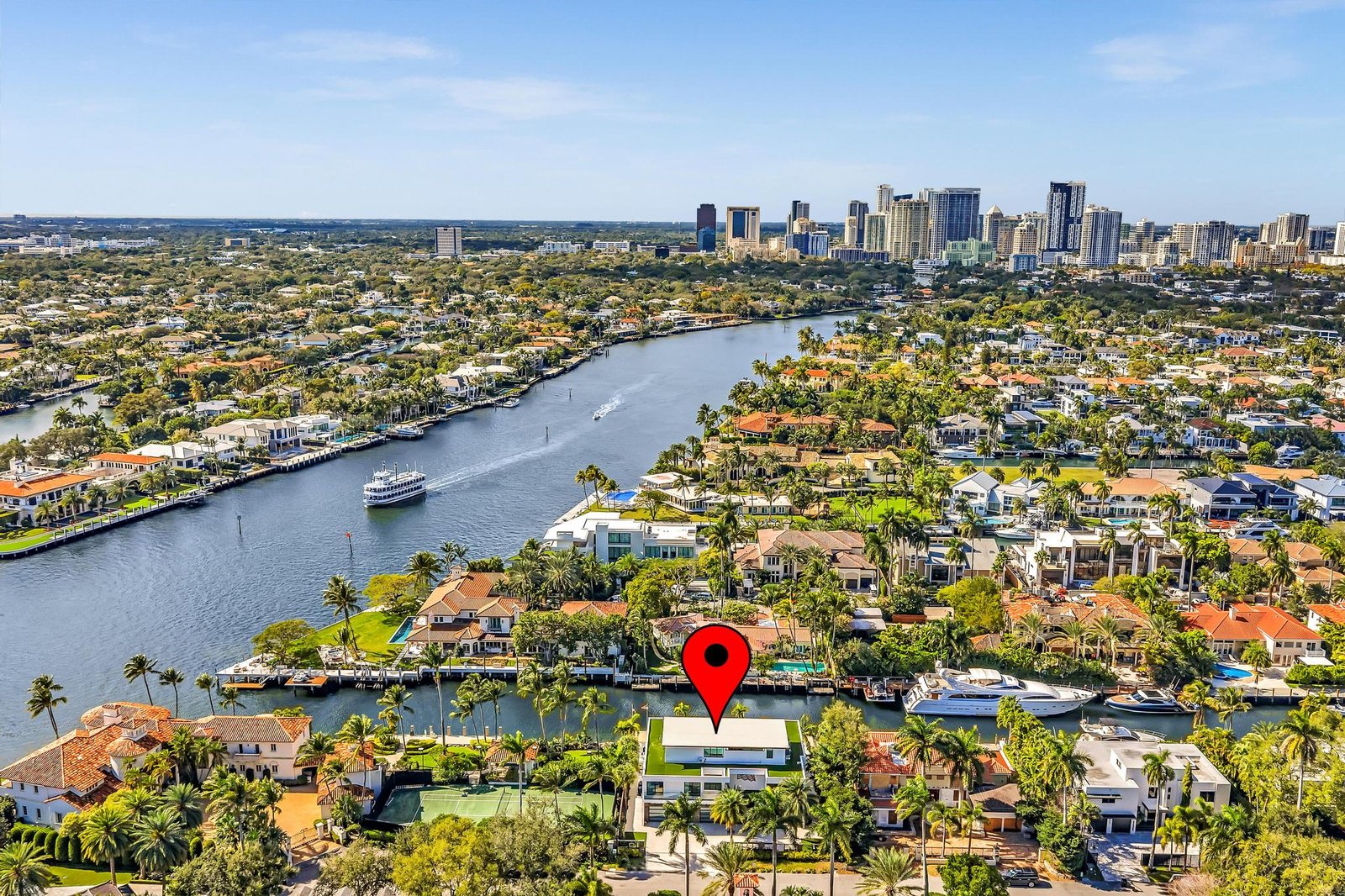
Our revenue management clients are located throughout Miami Beach, Brickell, Edgewater, Wynwood, Coconut Grove, Aventura, Coral Gables, Doral, and North Miami.
We also serve STR owners in Fort Lauderdale, Hollywood, Hallandale Beach, Pembroke Pines, and Boca Raton and West Palm Beach, plus vacation rentals in Key Largo and Islamorada.
What STR owners ask about pricing
How often are rates adjusted? Is it truly dynamic or just seasonal?
How long before I see measurable RevPAR improvement after 3L takes over pricing?
My listing already uses Airbnb's Smart Pricing. Why isn't that enough?
Do you manage revenue across multiple platforms, or just Airbnb?
What do you report, and how do I know the strategy is working?
Ready to see what your Miami STR should be earning?
Your property's income potential is a data question, and we have the tools to answer it. Call (754) 777-8542 or email info@3lmg.com to schedule a review of your current listing performance. We also handle full STR management and Florida Keys properties across South Florida.