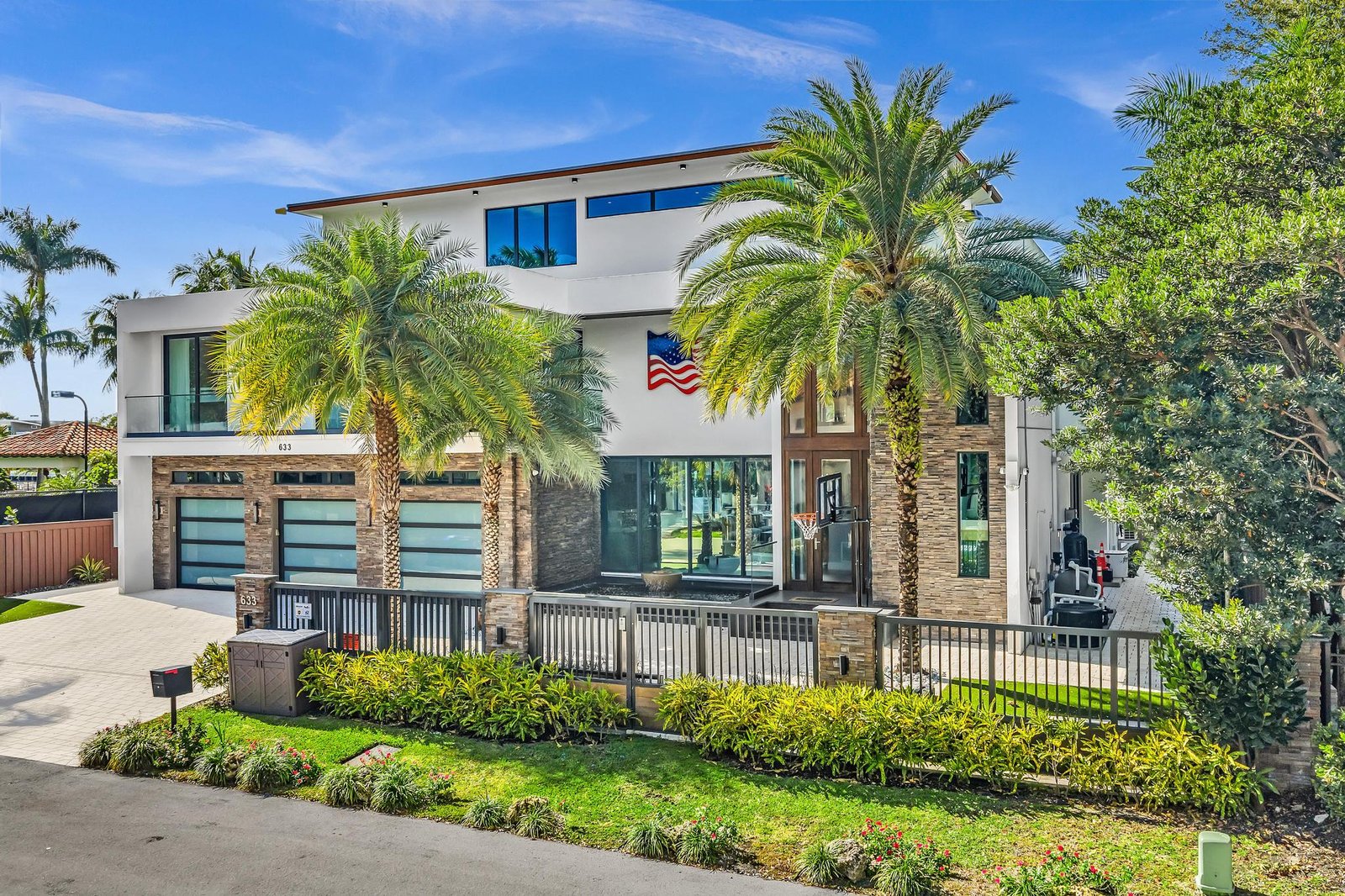


Short-Term Rental Management Fees in South Florida Explained: What Drives the Cost and How to Get a Real Quote
3L Management Group has spent 10+ years managing short-term rentals across Miami-Dade and Broward. If you own a vacation rental in South Florida and don't know what you're actually paying for, this guide tells you exactly what moves the cost to manage a short-term rental in South Florida and what questions to ask before you sign anything.

Why the Cost to Manage a Short-Term Rental in South Florida Is Not a Simple Percentage
Most owners ask for a management fee percentage and expect a clean number. That number exists, but it only tells part of the story. The real cost to manage a short-term rental in South Florida depends on what services sit inside that percentage, what gets billed separately, and how the manager structures fees relative to gross revenue versus net revenue. Understanding the difference between those two alone can change your effective cost by several percentage points.
Learn more about investment property management Aventura
South Florida adds layers that most national management companies aren't set up to handle: municipal licensing requirements that vary by city, Broward and Miami-Dade county code enforcement, salt-air wear on high-end finishes, and a luxury guest market that penalizes any visible operational gap with a public review. Each of these factors shapes what a competent manager actually has to do, and therefore what they need to charge to do it properly.
Learn more about short-term rental compliance in South Florida and how long it takes
Learn more about short-term rental management in Broward County, Miramar, FL
Learn more about short-term rental management in Broward County: A Complete Guide
Learn more about how to maximize your Airbnb profits
Learn more about investing in South Florida rentals: 2026 Guide
Fee Driver #1: What the Percentage Is Calculated On
This is the first question to ask any management company, and most owners don't ask it. Some managers calculate their fee on gross booking revenue, meaning the total a guest pays before platform fees, cleaning fees, and taxes. Others calculate on net revenue, meaning what lands in the owner's account after the platform takes its cut.
The difference is real money. On a property doing $8,000 per month in gross bookings, Airbnb's host fee (typically around 3%) removes roughly $240 before the manager ever touches the number. If your manager calculates their 20% on gross, you're paying their fee on revenue you never actually received. Always ask: "Is your percentage applied to gross booking revenue or net owner disbursement?" The answer tells you more than the percentage itself.
Fee Driver #2: Property Size and Bedroom Count
Larger properties require more turnover labor, more consumable restocking, more linen inventory, and more time per inspection. A three-bedroom waterfront property in Fort Lauderdale costs more to manage operationally than a one-bedroom condo in Hallandale Beach, even if the percentage looks identical. Ask what the per-turn cost is and who pays it.
Fee Driver #3: Nightly Rate and Guest Tier
High-rate luxury properties attract guests with elevated expectations. A $600-per-night booking at a Coral Gables waterfront home requires a different level of pre-arrival setup, communication, and post-departure inspection than a $150-per-night studio. The labor cost of delivering that experience is higher, and a manager who doesn't account for it will cut corners.
Fee Driver #4: Platform Mix and Distribution Scope
Listing a property exclusively on one platform is simpler but leaves revenue on the table. Managing listings on Airbnb, VRBO, Booking.com, and Expedia simultaneously requires channel management technology, synchronized calendars, and platform-specific listing optimization. Managers who handle multi-platform distribution charge more because the work is genuinely more complex.
Fee Driver #5: Compliance and Licensing Requirements
Short-term rental regulations in South Florida are not uniform. Fort Lauderdale, Miramar, Hollywood, and Miami Beach each have different registration requirements, inspection schedules, and restriction zones. A manager who handles compliance for you is performing a service with real time and liability attached. One who doesn't is leaving that risk on the owner.
Fee Driver #6: What "Full Service" Actually Includes
The phrase "full-service management" covers a wide range in practice. At a minimum it should include listing creation and optimization, dynamic pricing, guest communication from inquiry through checkout, turnover coordination, and maintenance dispatch. At a higher standard it also includes compliance management, professional photography updates, revenue reporting, and direct booking capability. Know which of these are in your fee and which trigger an additional invoice before you agree to anything.
See How Proper Management Affects Your Returns →10+ Years Managing South Florida Short-Term Rentals
3L Management Group operates from West Dixie Highway and manages short-term and vacation rental properties across Miami-Dade and Broward counties. We handle Airbnb, VRBO, Booking.com, and Expedia listing management, compliance coordination, turnover operations, and guest services for luxury and high-value rental properties throughout the region.
Short-term rental management in South Florida is not a generic service. The licensing environment changes city by city. The guest expectations at the luxury tier require hands-on local oversight that a remote national company cannot provide. Salt-air corrosion, hurricane season protocols, and municipal code enforcement are realities that shape how every property on our roster is managed week to week.
We work with investors, out-of-state owners, and local property owners who want their rental operated at a high standard without being involved in daily operations. When we quote a management fee, we explain exactly what it includes, what it doesn't, and why the structure is set up the way it is. No surprises at invoice time.
For owners comparing management options in Broward County, our complete Broward County short-term rental management guide and our 2026 South Florida rental investment guide lay out what the market actually looks like right now.

Breaking Down the Real Cost to Manage a Short-Term Rental in South Florida: Fee by Fee
Below is how management costs are actually structured across the South Florida short-term rental market in 2026. These are the categories that appear in real management agreements, the ones that often go unread until something goes wrong.
The percentage range most South Florida short-term rental managers operate within, depending on service scope, property tier, and market. Where your property lands in that range depends on the factors detailed below.
Luxury short-term rental guests expect round-the-clock response. Whether your manager provides that in-house or outsources it to a call center affects the quality of your reviews and, by extension, your nightly rate and occupancy.
3L Management Group has operated in South Florida's short-term rental market for over a decade, through regulatory changes, platform algorithm shifts, and the evolving demands of the luxury guest market.
The Management Fee: What the Percentage Covers (and Doesn't)
The base management percentage is the starting point, not the total cost. In South Florida's short-term rental market, that percentage typically ranges from roughly 15% to 35% of revenue, with significant variation based on what's actually included. Here is what that fee should cover in a properly structured agreement:
- Listing creation, copywriting, and ongoing optimization on each active platform
- Dynamic pricing management, updated based on local demand, seasonality, and competitive rates
- All guest communication from initial inquiry through post-checkout review response
- Turnover coordination: scheduling, quality oversight, and final inspection
- Maintenance dispatch for routine repairs and emergency calls
- Owner reporting: monthly revenue statements, occupancy data, and performance metrics
At the lower end of the percentage range, some of these services may be included only partially or not at all. Dynamic pricing is sometimes an add-on. Guest communication after hours is sometimes outsourced to a third-party call center with no local knowledge of your property. Ask specifically what is in and what is out.
Fees above 25% are typically justified by full-service luxury operations: professional photography updates, premium listing placement on platforms like Airbnb Luxe or VRBO's Premier Host tier, in-house housekeeping with quality inspection, and direct booking channel management alongside the major platforms. If a manager is charging above 25% but not delivering those services, the fee isn't justified.
The Charges That Appear Outside the Percentage
The management percentage is not the only number that matters. These additional charges are common in South Florida short-term rental agreements and can meaningfully change your effective cost of management:
- Cleaning and linen fees: Some managers pass these through to guests as a booking fee. Others bill them to the owner. Some handle them in-house; others use third-party services where the markup isn't disclosed. Clarify who pays, who selects the vendor, and what oversight exists.
- Owner trip fees: A charge applied when the owner wants to stay at their own property. This is an industry norm in some management structures, but the fee and notice requirement should be clearly defined in your agreement.
- Maintenance coordination fees: Some managers bill a percentage of every contractor invoice they coordinate, in addition to the base management fee. That means every HVAC repair, plumbing call, or appliance service generates additional revenue for the manager, which creates a conflict of interest around repair urgency and contractor selection.
- Onboarding or setup fees: A one-time cost to list your property, photograph it, and build the listing. These vary widely and are sometimes negotiable, particularly for multi-property owners.
- Licensing and compliance fees: If your manager handles municipal registration, state lodging license renewals, or inspection coordination, that work may be billed separately. In cities like Miami Beach where short-term rental compliance is particularly active, this is a real ongoing cost of operation.
- Reservation fees: Some managers charge a flat fee per booking in addition to the percentage. This is more common with lower-percentage structures and is worth modeling out against a straight percentage to see which costs you more at your occupancy level.
The right way to compare management costs across companies is to build a simple model: take your projected gross booking revenue for the year, apply each company's full fee structure to it, and calculate the actual dollar amount you'd pay for a year of service. The company with the lower headline percentage is not always the lower actual cost.
What South Florida Short-Term Rental Owners Ask About Management Costs
These are the fee and pricing questions we hear regularly from property owners across Miami-Dade and Broward. Direct answers to each.
Full Broward County Management Guide →What is the typical management fee percentage for short-term rentals in South Florida in 2026?
The range in South Florida runs from approximately 15% to 35% of revenue, with most full-service managers for luxury properties operating in the 20% to 30% range. That spread exists because the fee structure varies significantly by what's included, how the percentage is calculated (gross versus net), and what property tier is involved.
Budget-tier management with minimal services can go below 15%, but those agreements typically pass most operational costs directly to the owner as line-item invoices. At that point the lower percentage is an illusion -- you're just paying separately for things other managers bundle in. For high-value properties in markets like Fort Lauderdale, Coral Gables, or Miramar, the relevant comparison is not which company has the lowest percentage, but which company delivers the net owner income after all fees are accounted for.
For a current picture of what the Broward County market looks like specifically, see our short-term rental management Broward County guide.
Does South Florida's short-term rental compliance cost add to my management fee?
It depends on your manager's agreement structure. Florida requires short-term rental operators to hold a state lodging license through the Florida Department of Business and Professional Regulation. That's a state-level baseline. On top of it, municipalities across South Florida add their own registration, inspection, and zoning requirements.
Cities like Miami Beach, Hollywood, and Doral have different rules. Some neighborhoods within those cities have additional HOA restrictions layered on top. A manager who handles compliance actively is monitoring these requirements, tracking renewal dates, and coordinating inspections. That work has real time cost attached to it, and it should either be included in your fee or billed transparently.
Managers who don't handle compliance put the burden and the liability on the owner. In a market where municipalities are actively enforcing short-term rental rules, that's a meaningful risk. For a detailed look at the compliance process and timeline, see our guide on how long short-term rental compliance in South Florida takes.
How do platform fees on Airbnb and VRBO interact with the management fee I pay?
Airbnb charges hosts a service fee that typically runs around 3% of the booking subtotal on the standard split-fee model. VRBO's fee structure differs, with options between a per-booking fee model and a subscription. Booking.com and Expedia have their own commission structures for property managers.
These platform costs come off the top of gross booking revenue before any management fee is calculated -- if your manager uses a net revenue basis. If they use gross revenue, you're effectively paying your management fee on money the platform already took. This distinction is worth spelling out in dollar terms before you agree to any management structure. For a detailed breakdown of how platform optimization affects revenue, see our guide on maximizing your Airbnb profits.
Do short-term rental management fees in South Florida vary by location within the region?
Yes, and the variation reflects real differences in operational complexity. Properties in Miami Beach operate under some of the most active short-term rental enforcement in the state, which increases the compliance burden and therefore the cost of responsible management there. Waterfront properties in Fort Lauderdale or Miramar carry coastal maintenance requirements that inland properties don't. Properties in Coral Gables or Pinecrest with strict HOA oversight add another layer of coordination.
Beyond regulation, demand patterns differ by location. Peak season timing, average nightly rates, and occupancy profiles vary enough between Miami-Dade and Broward markets that pricing strategy needs to be location-specific. A manager applying a one-size-fits-all approach across the region is probably leaving revenue behind in both directions: underpricing during strong demand periods and failing to adjust for seasonal softness.
For owners specifically in the Broward market, our Broward County short-term rental management page for Miramar covers the local specifics.
What is the right way to get an accurate management fee quote for my South Florida rental?
The most accurate quote requires the manager to know four things about your property: its location and regulatory zone, its physical size and configuration, its current or projected nightly rate, and your performance expectations as an owner. Without those inputs, any percentage quoted is a placeholder, not a real proposal.
When you receive a quote, ask the manager to walk you through a hypothetical month. Take a gross booking figure, apply every fee they charge, and calculate what you actually net. That exercise will surface every charge -- the percentage, the cleaning coordination markup, the maintenance fee, the owner trip fee, the platform costs -- and give you a real comparison basis across companies.
Also ask how they handle revenue reporting. A manager who provides detailed monthly statements with gross revenue, all deductions itemized, and net disbursement shown clearly is operating transparently. One who sends a wire with minimal detail is not, and that matters over time when you're trying to evaluate performance or contest a charge.
Is a lower management fee always better for my short-term rental's profitability?
No, and conflating management cost with management value is a common mistake. A manager charging 18% who leaves your property dark during peak season, responds to guest complaints slowly, and fails to maintain your listing's review score is more expensive than a manager charging 25% who keeps occupancy high, protects your review average, and prevents the kind of guest incident that generates a chargeback or a regulatory complaint.
The metric that matters is net owner income over a full twelve months, not the management fee percentage in isolation. The Vacation Rental Management Association maintains industry resources on performance benchmarks and owner-manager agreement standards that are worth reviewing when comparing proposals. For the South Florida market specifically, our 2026 South Florida rental investment guide covers what current market conditions mean for short-term rental returns.
Ready to Know Exactly What You're Paying For?
The right starting point is a direct conversation about your property -- its location, its current performance or revenue potential, its compliance status, and what you want from a management relationship. We'll give you a real fee structure, explain what's in it and what isn't, and tell you honestly how our approach compares to what you're doing now.
- Review your property's regulatory compliance status by municipality
- Model actual net owner income against your current or projected gross revenue
- Identify where your current listing setup is leaving revenue behind
- Explain every fee in writing before you sign anything
Managing Multiple Short-Term Rentals Across South Florida?
Running a portfolio of short-term rentals across Miami-Dade and Broward with consistent performance and clean compliance requires a coordinated management system, not a patchwork of individual agreements. We manage multi-property portfolios from a single point of contact with unified reporting.
- Portfolio-wide compliance audits across all active municipal jurisdictions
- Unified monthly reporting across all properties and platforms
- Coordinated pricing strategy that accounts for intra-portfolio competition
More Resources for South Florida Short-Term Rental Owners
These guides address the decisions that matter most for short-term rental owners and investors in Miami-Dade and Broward -- from compliance timelines to platform strategy to market-specific management.