
Property Maintenance Cost in Miami, 2026 Pricing Guide.
Realistic cost ranges for AC servicing, hurricane shutter inspection, pool upkeep, and landscaping in Miami-Dade. 3L Management Group breaks down what owners actually pay, where costs spike, and what to budget annually per unit.

What Miami Property Maintenance Actually Costs in 2026
Labor rates in Miami-Dade sit above the national average. Licensed trades -- HVAC, electrical, plumbing -- run $95 to $145 per hour depending on specialty and the time of year you need them. That baseline shapes every number below. Here is what owners managing residential and luxury properties are actually paying for routine and seasonal maintenance.
Learn more about investment property management Aventura
Learn more about How AI Is Transforming Property Management in 2026
AC Servicing: The Non-Negotiable Line Item
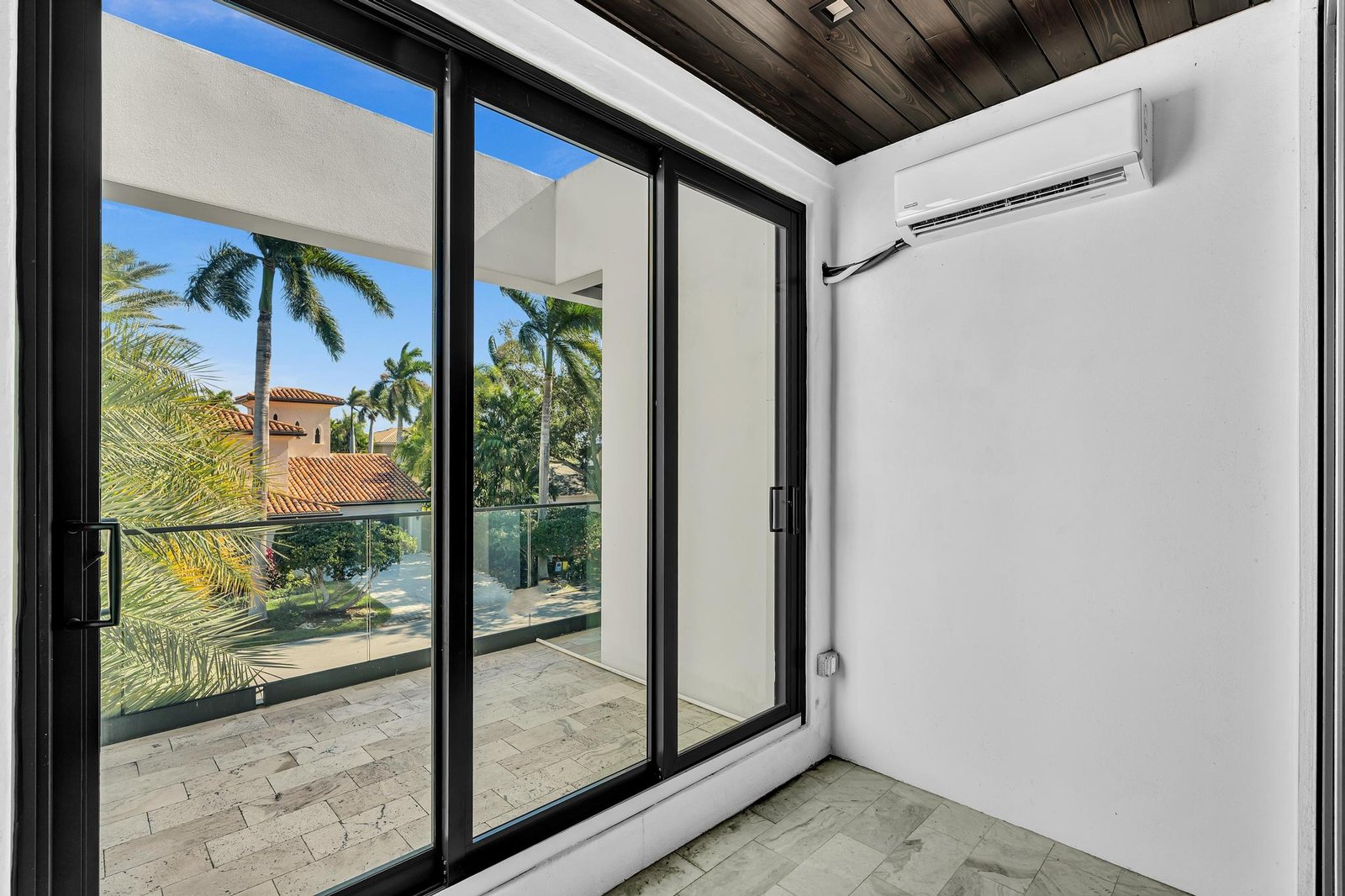
A standard HVAC tune-up in Miami -- coil cleaning, refrigerant check, condensate drain flush, filter swap -- costs $120 to $200 per unit for a straightforward service call. Most single-family homes carry two or three zones, so budget $240 to $600 per visit. Units serviced twice a year last significantly longer in South Florida's heat and humidity than those serviced annually.
Emergency AC repair is where the real cost exposure sits. After-hours calls during a Miami summer run $200 to $350 just for the dispatch fee before any parts. Compressor replacement on a mid-range residential unit runs $1,400 to $2,800 installed. For luxury properties with commercial-grade equipment, that figure can reach $5,000 or beyond. A deferred $150 service call routinely becomes a $2,000 repair. That math is not an abstraction in South Florida -- it plays out regularly from June through September.
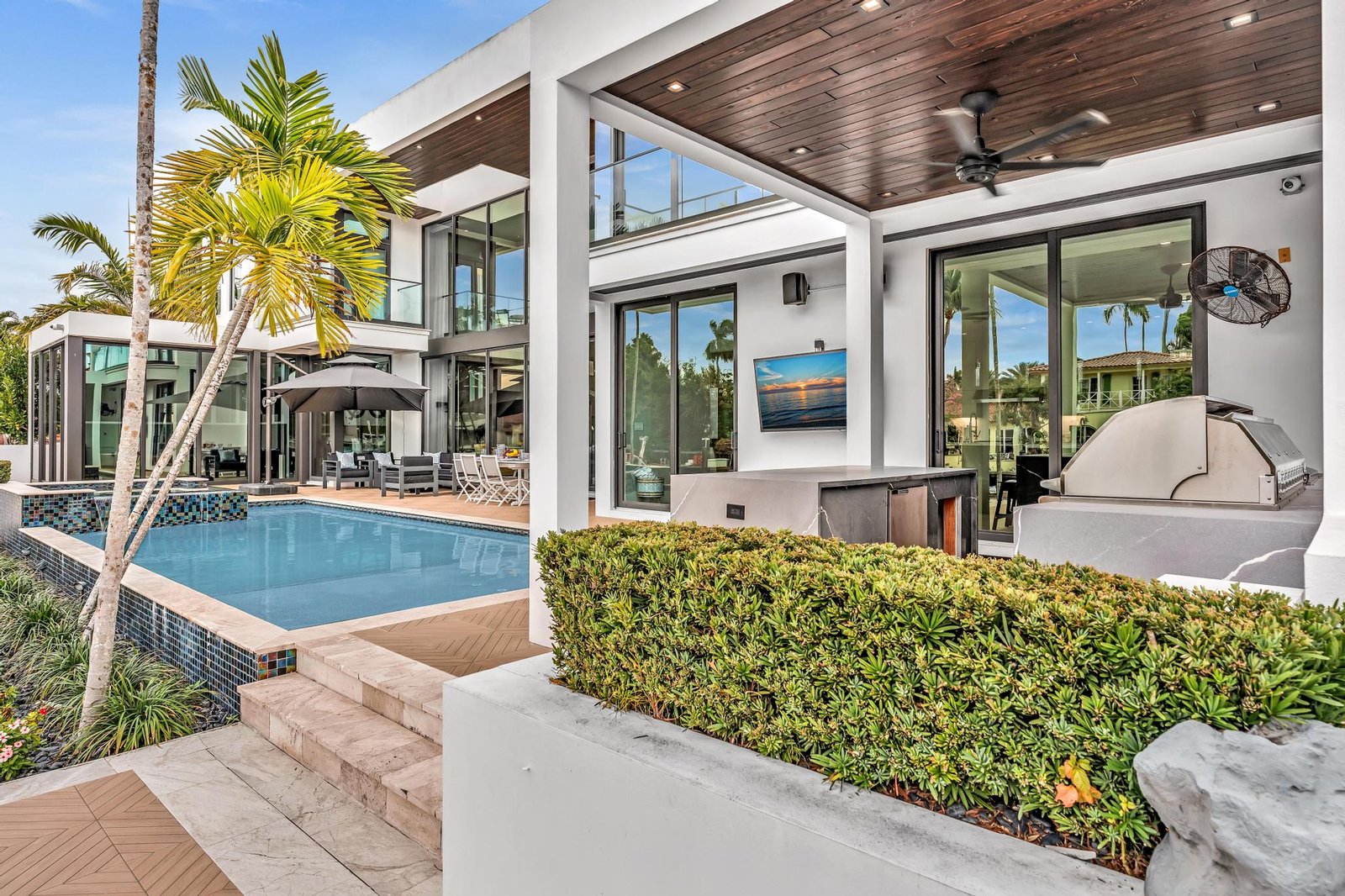
Salt air accelerates coil corrosion at a measurable rate on waterfront properties. Owners within a mile of Biscayne Bay or the Atlantic should expect to replace outdoor condenser units 20 to 30 percent sooner than comparable inland units and should budget accordingly. The U.S. Department of Energy recommends annual professional servicing for all central AC systems -- in Miami, twice a year is the realistic standard for occupied rental properties.
Hurricane Shutter Inspection
A licensed inspector reviewing accordion shutters, storm panels, or impact windows typically charges $150 to $350 for a standard residential property. That covers operation testing, track and hardware inspection, and a written condition report. If repairs are needed -- corroded tracks, bent panels, broken locks -- parts and labor add $100 to $600 depending on extent. Do not skip this in April or early May. By June, licensed shutter contractors in Miami-Dade are fully booked and pricing climbs 15 to 25 percent for the same work.
Pool Maintenance: Weekly Reality
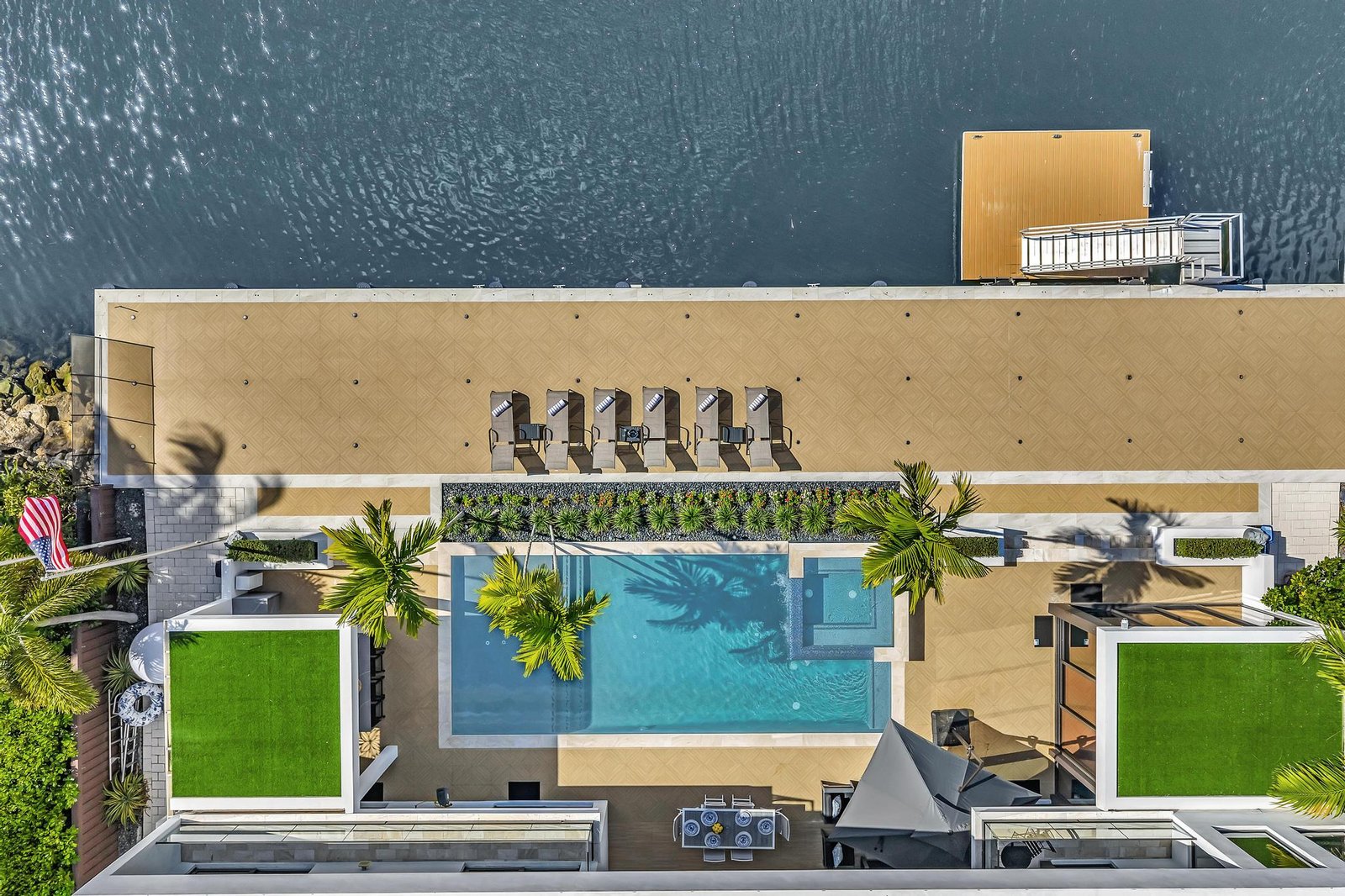
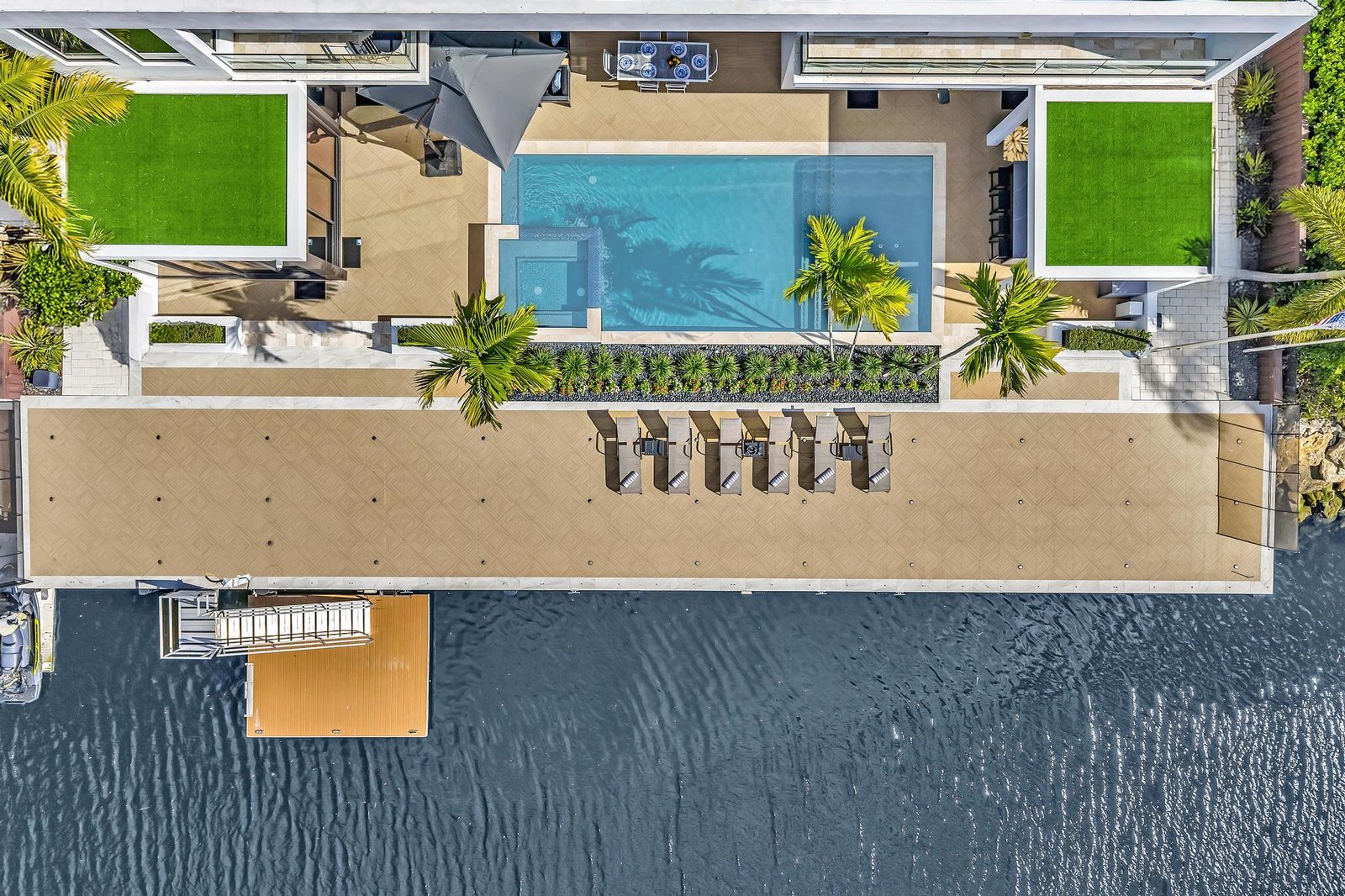
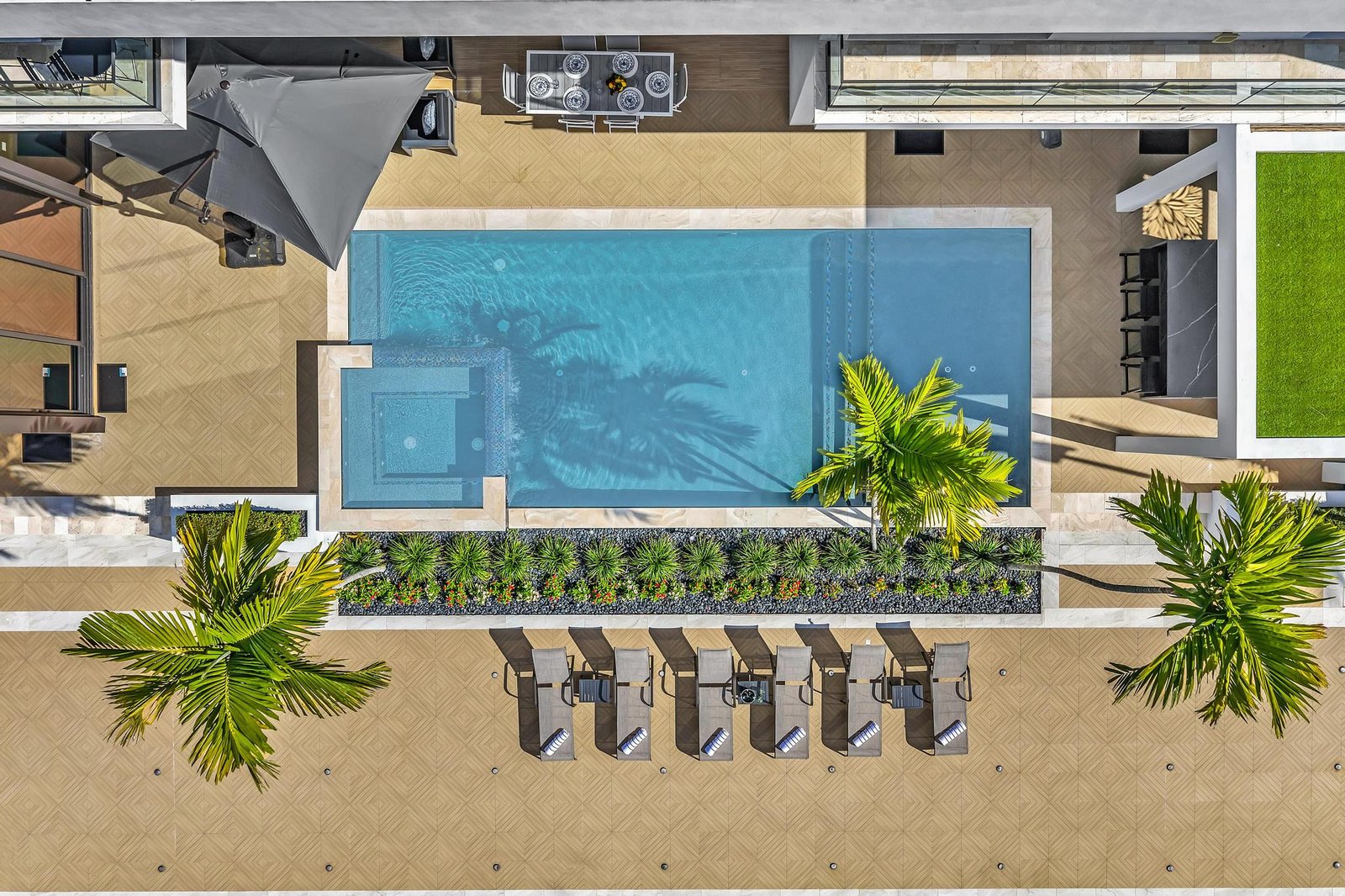
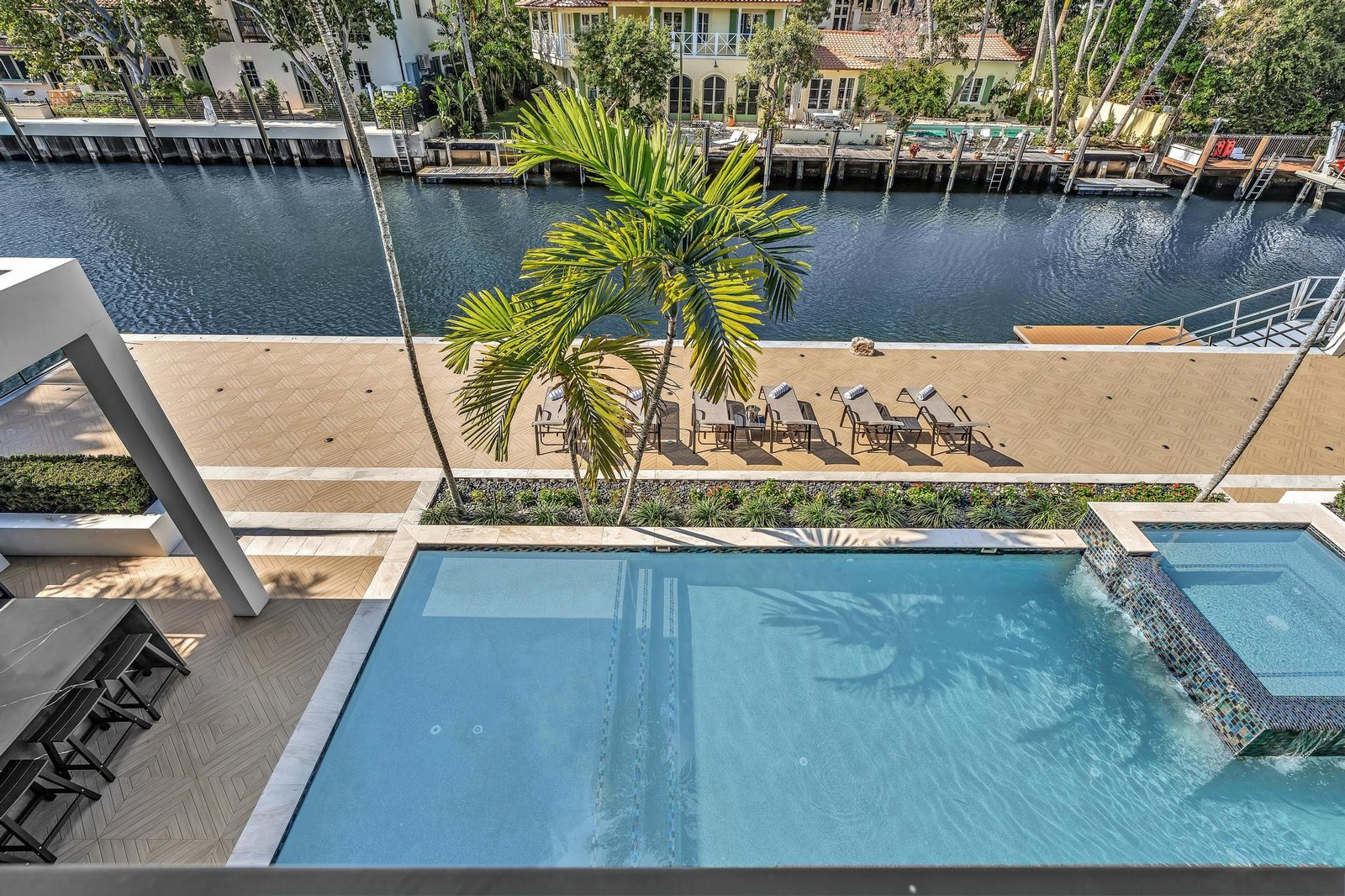
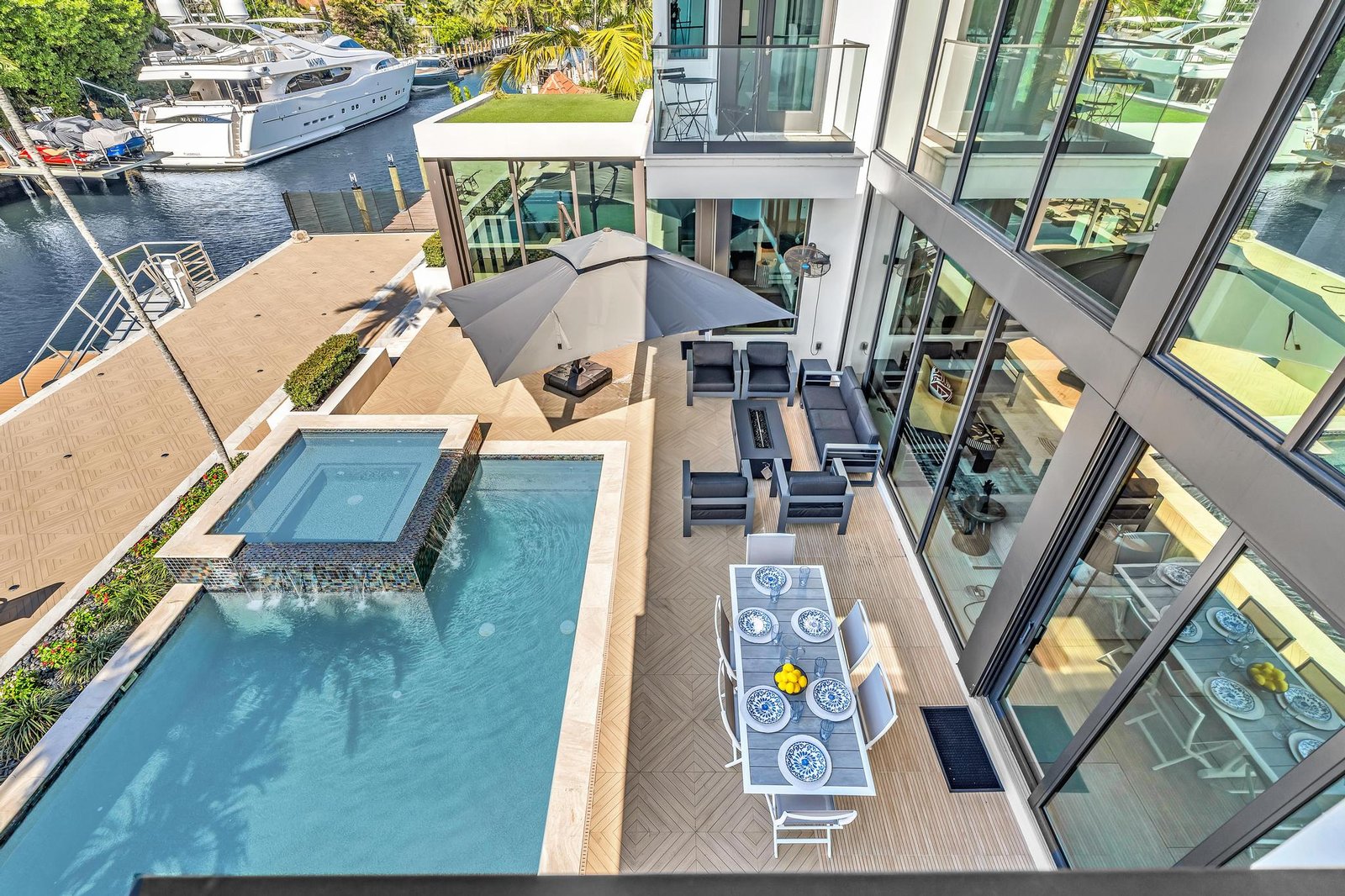
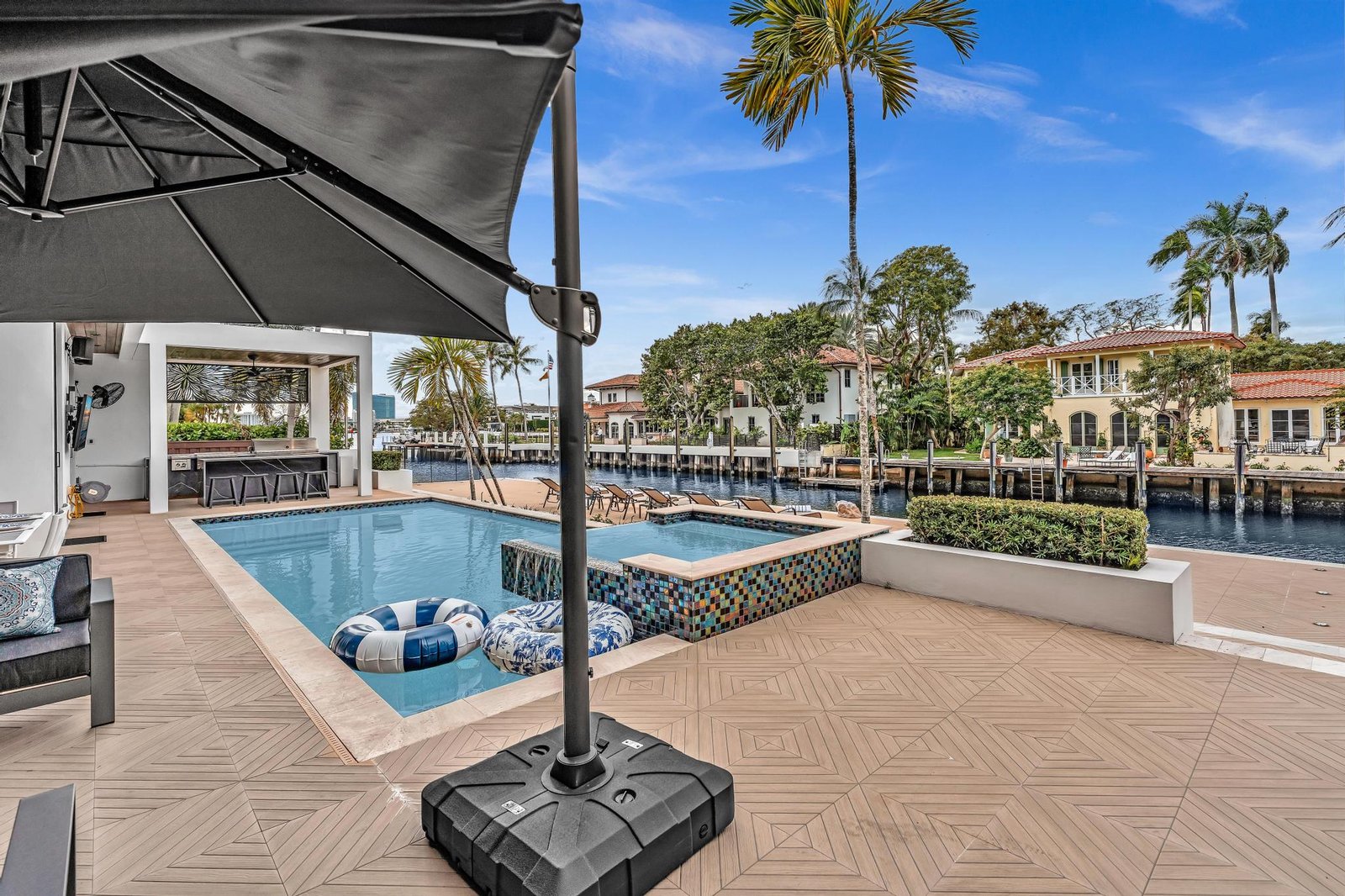
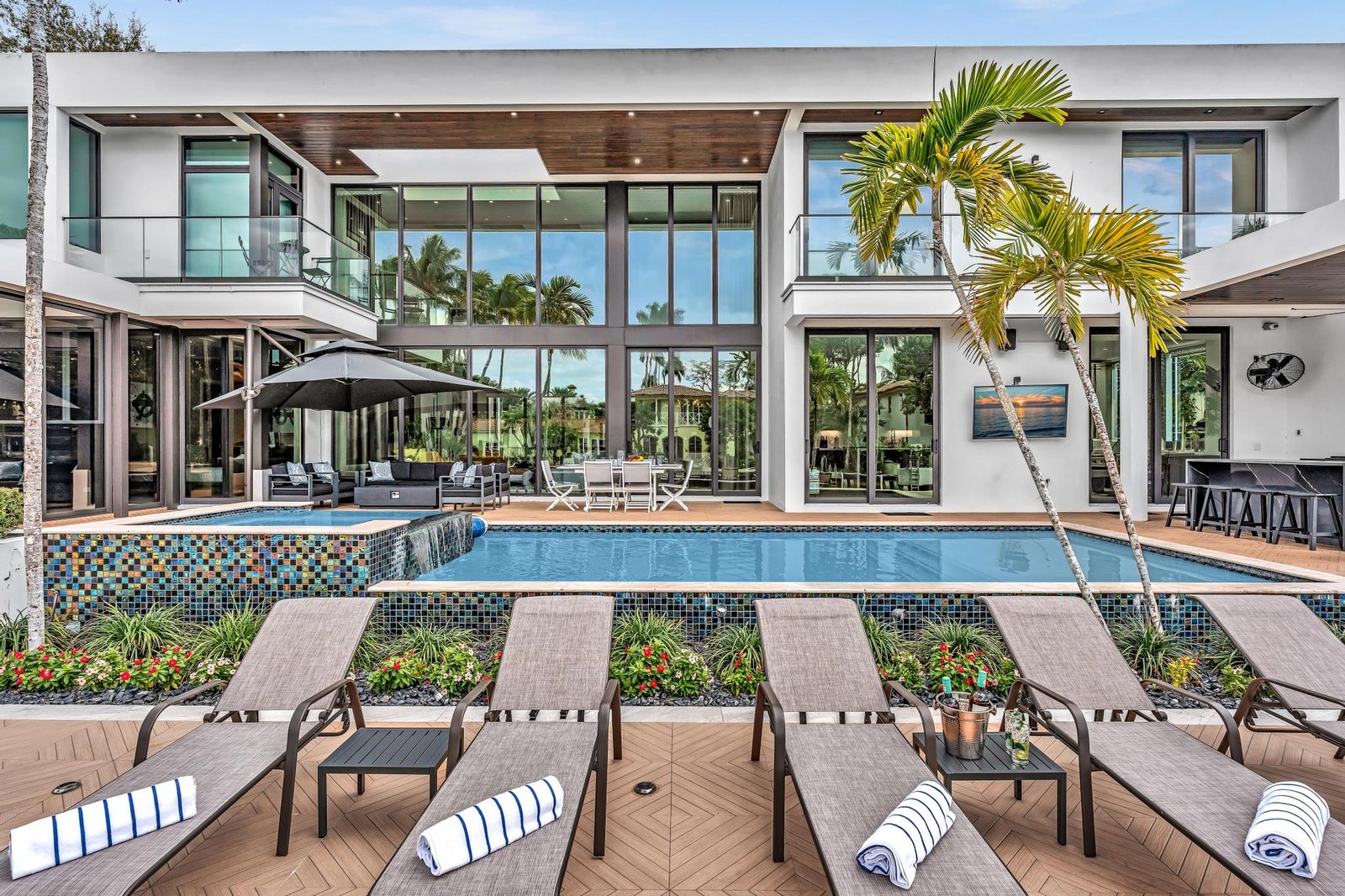
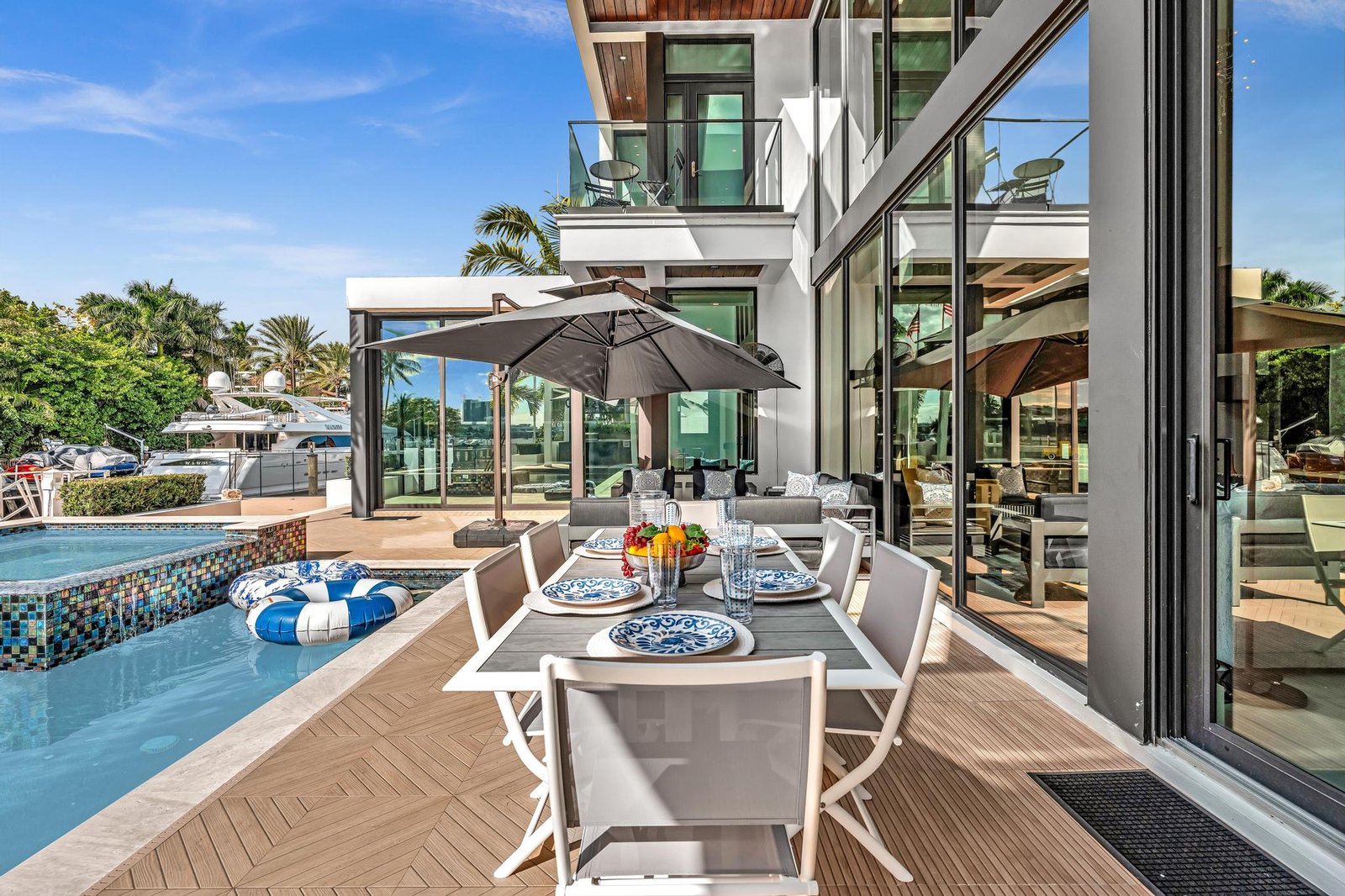
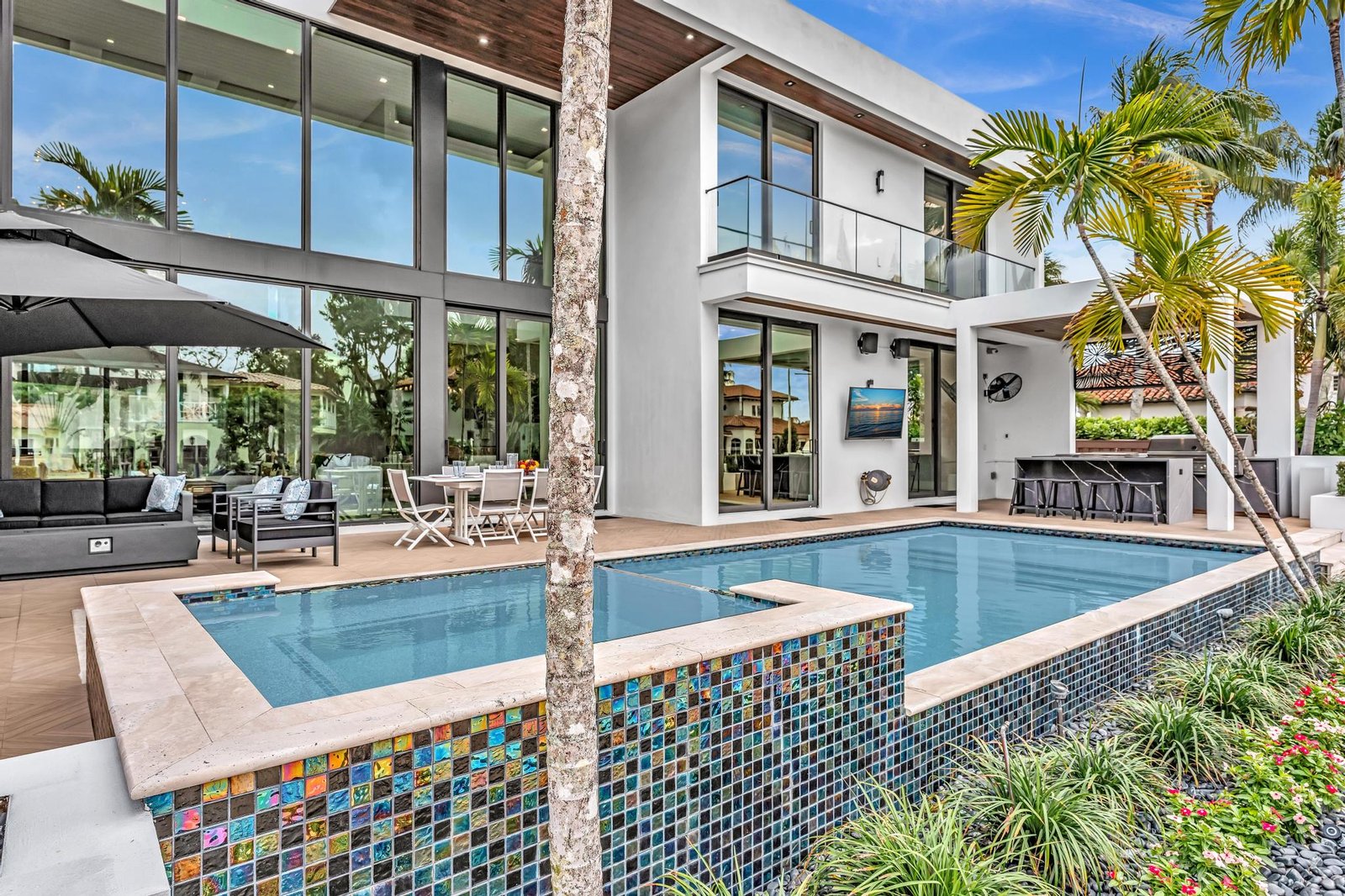
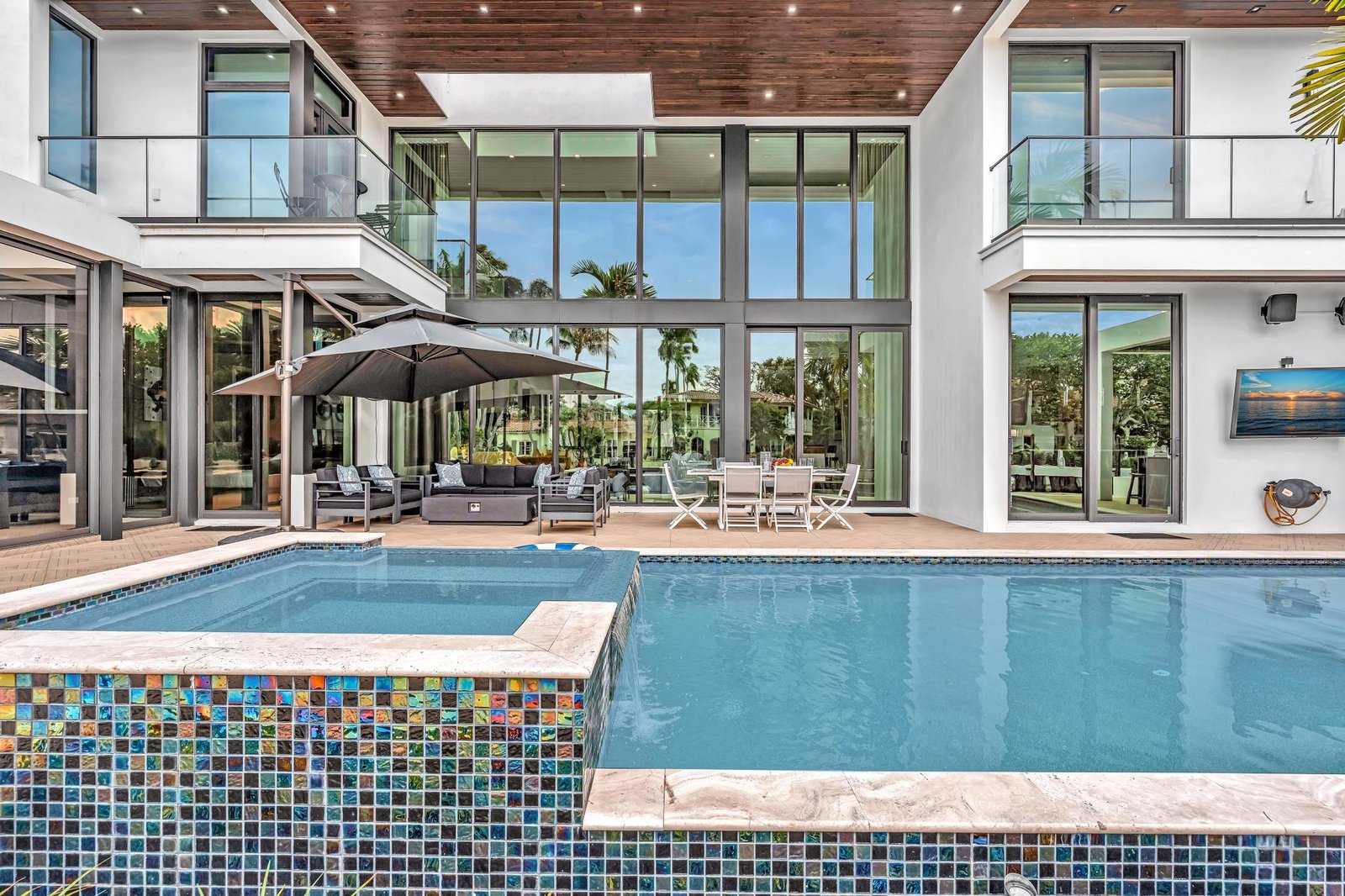
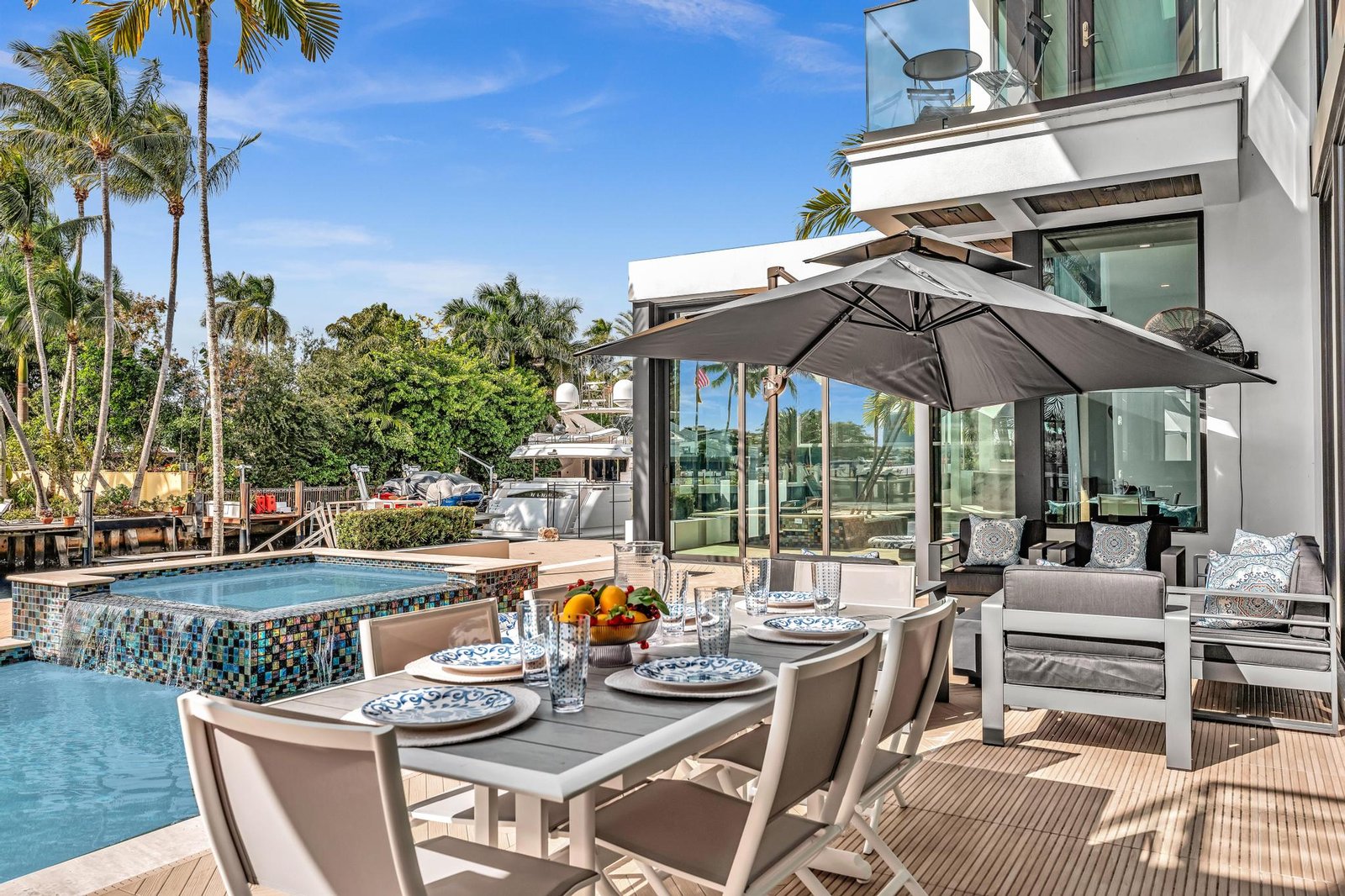
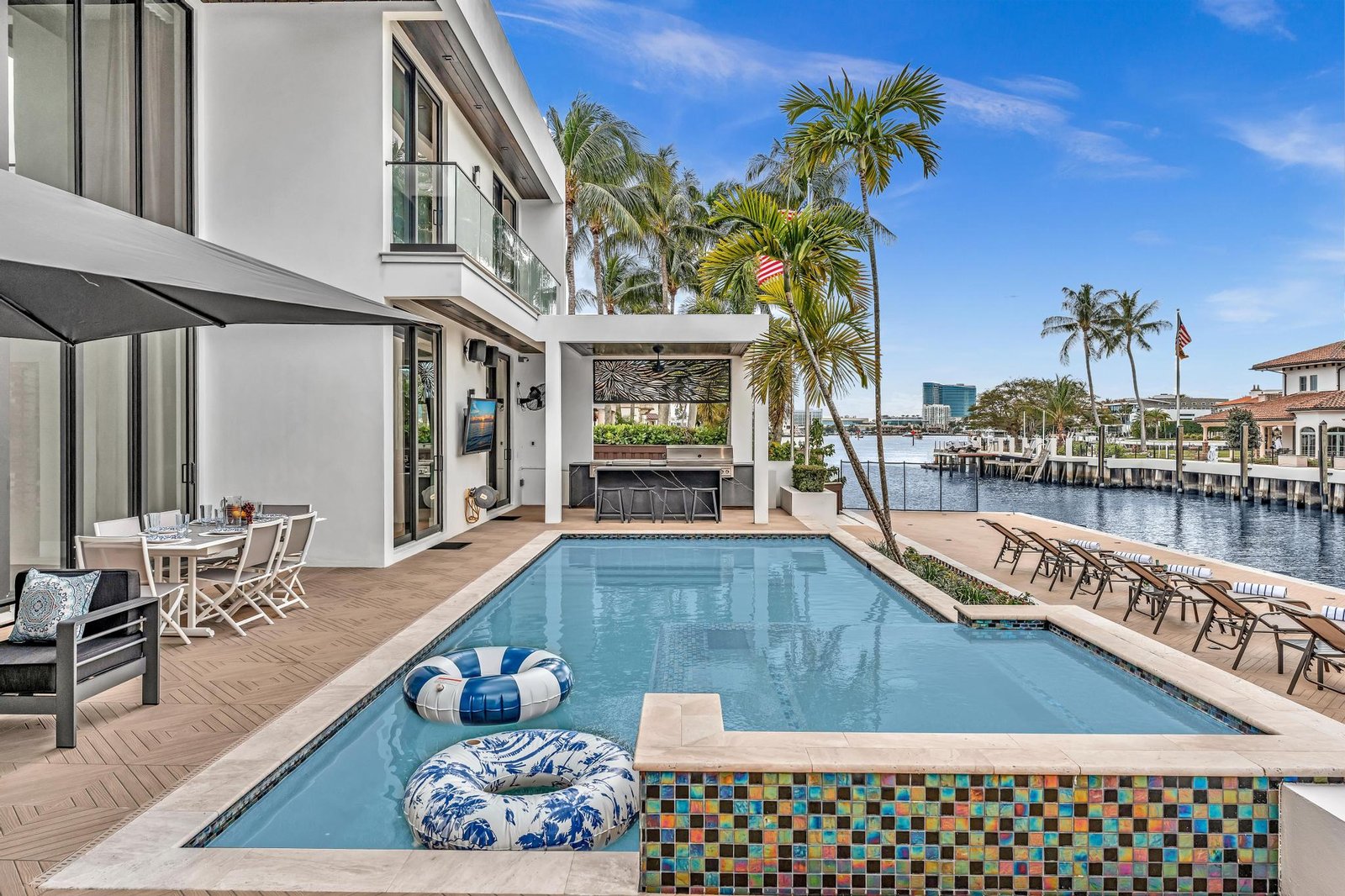
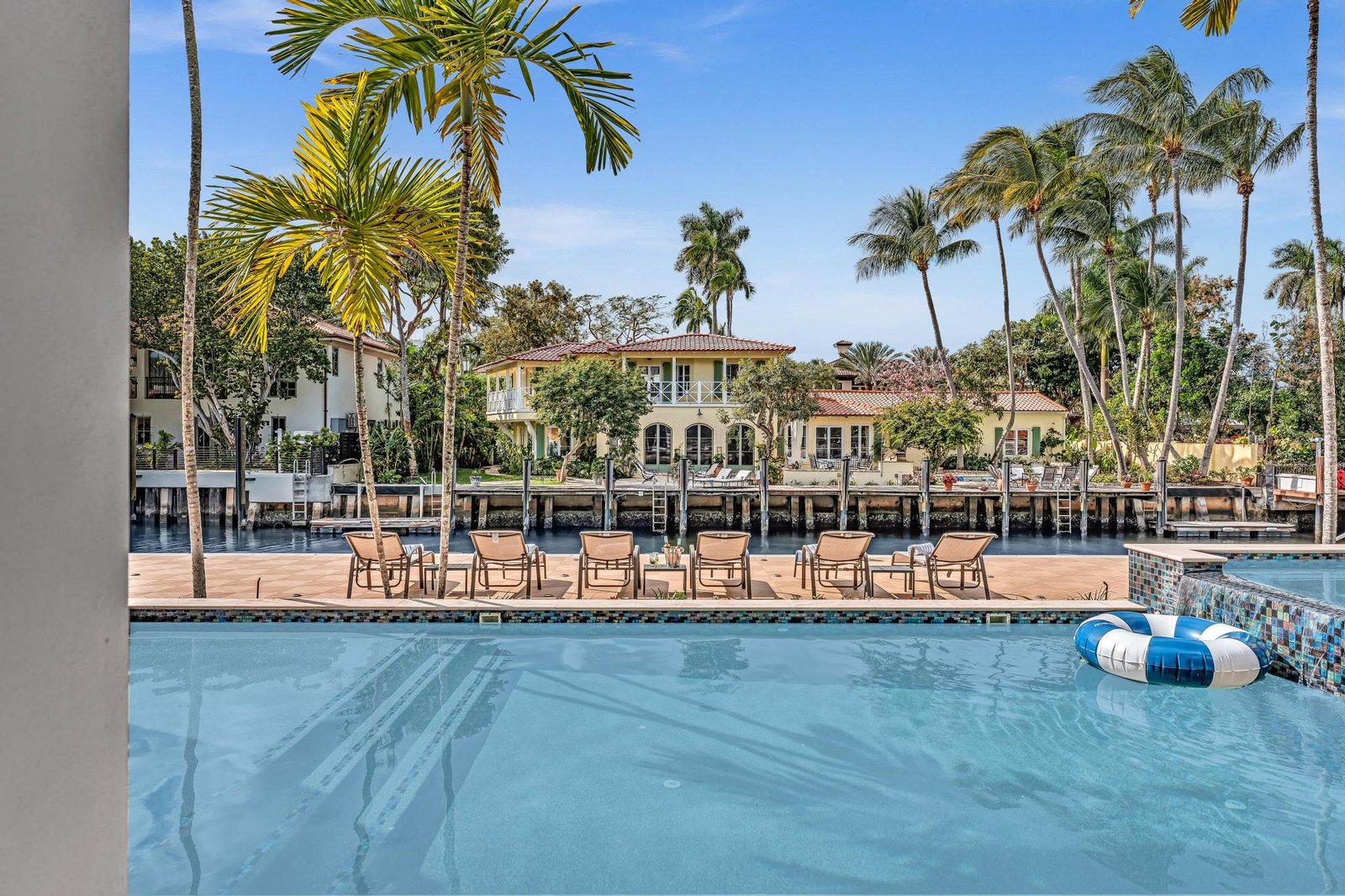
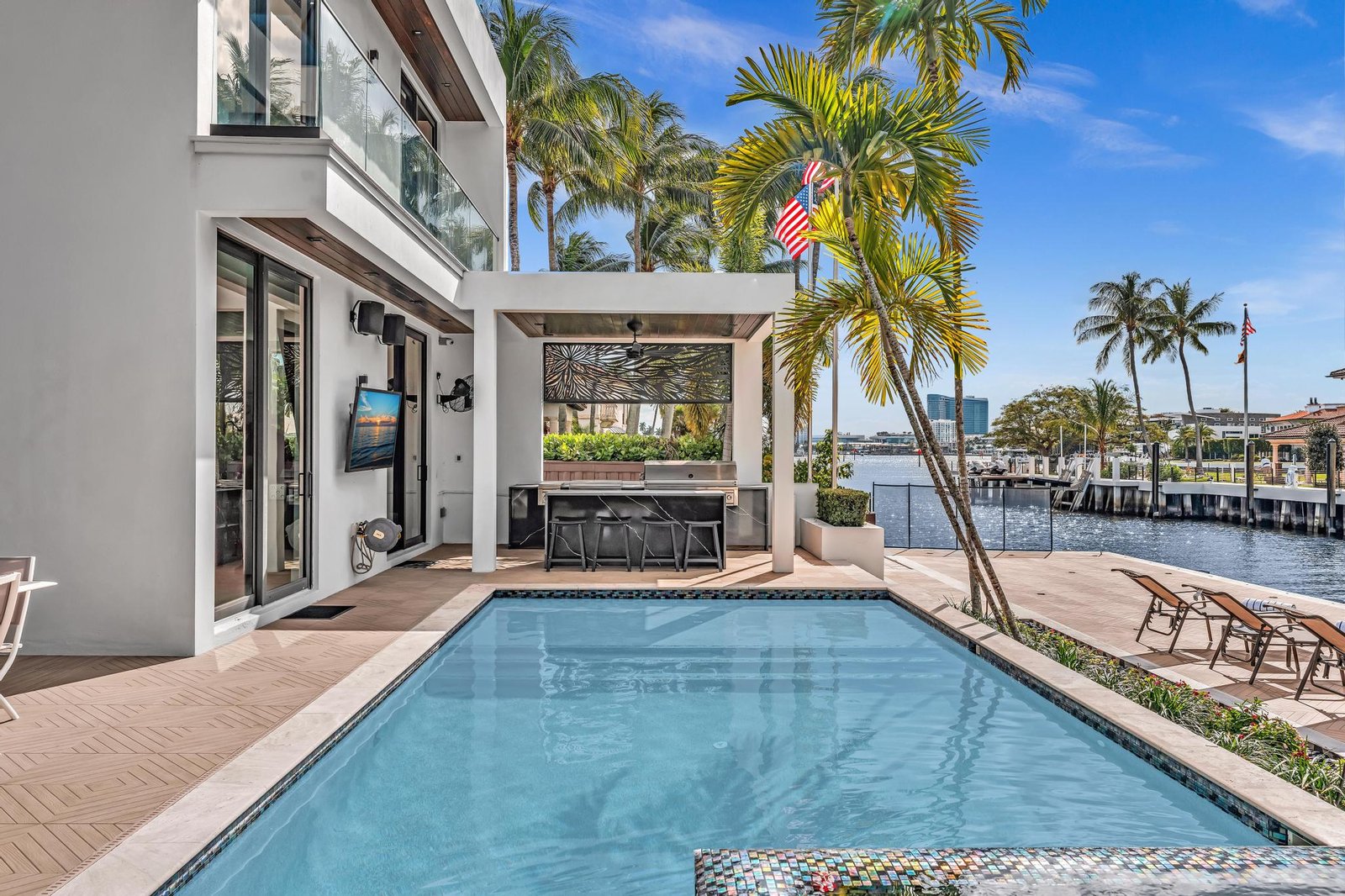
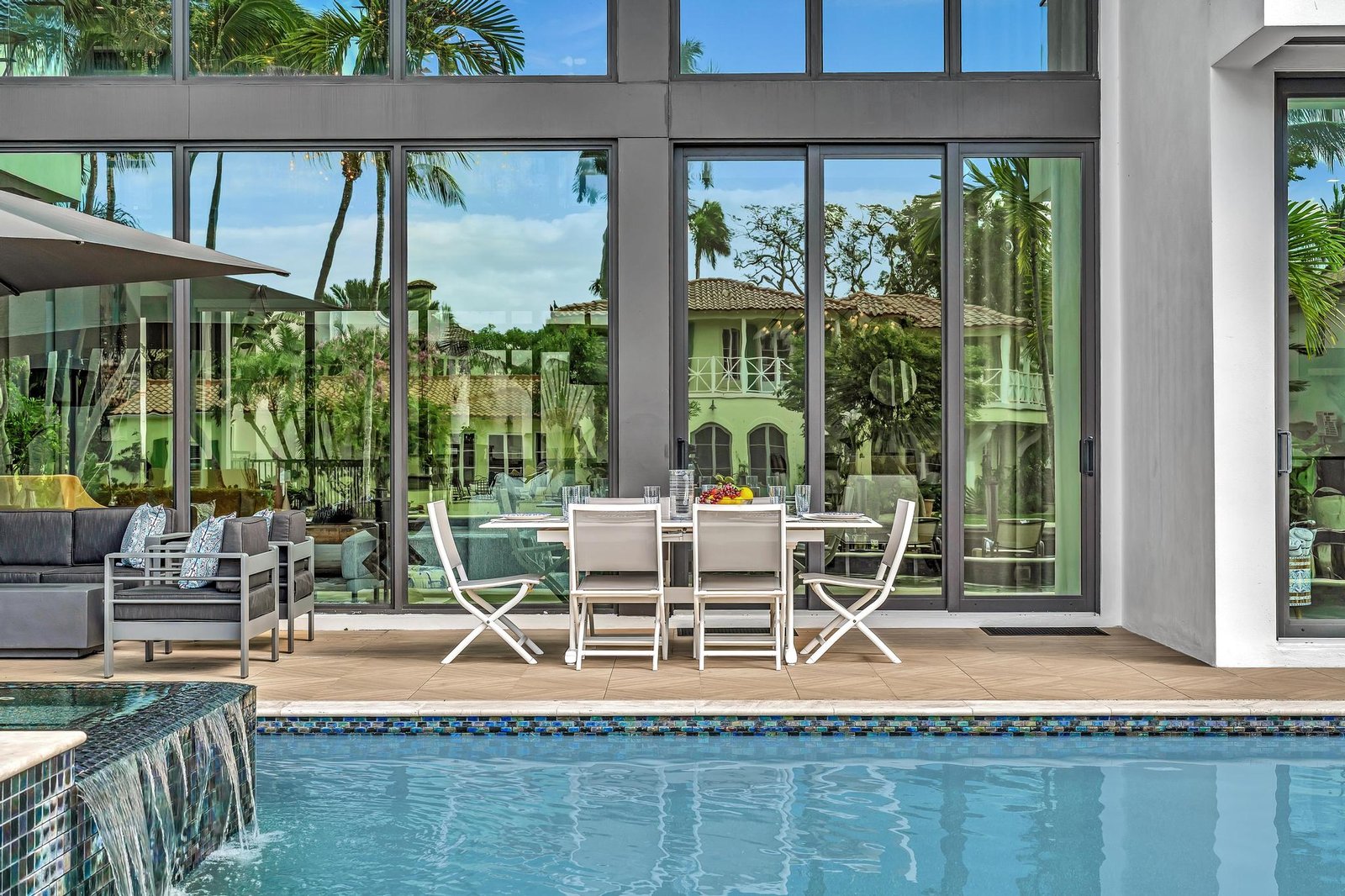
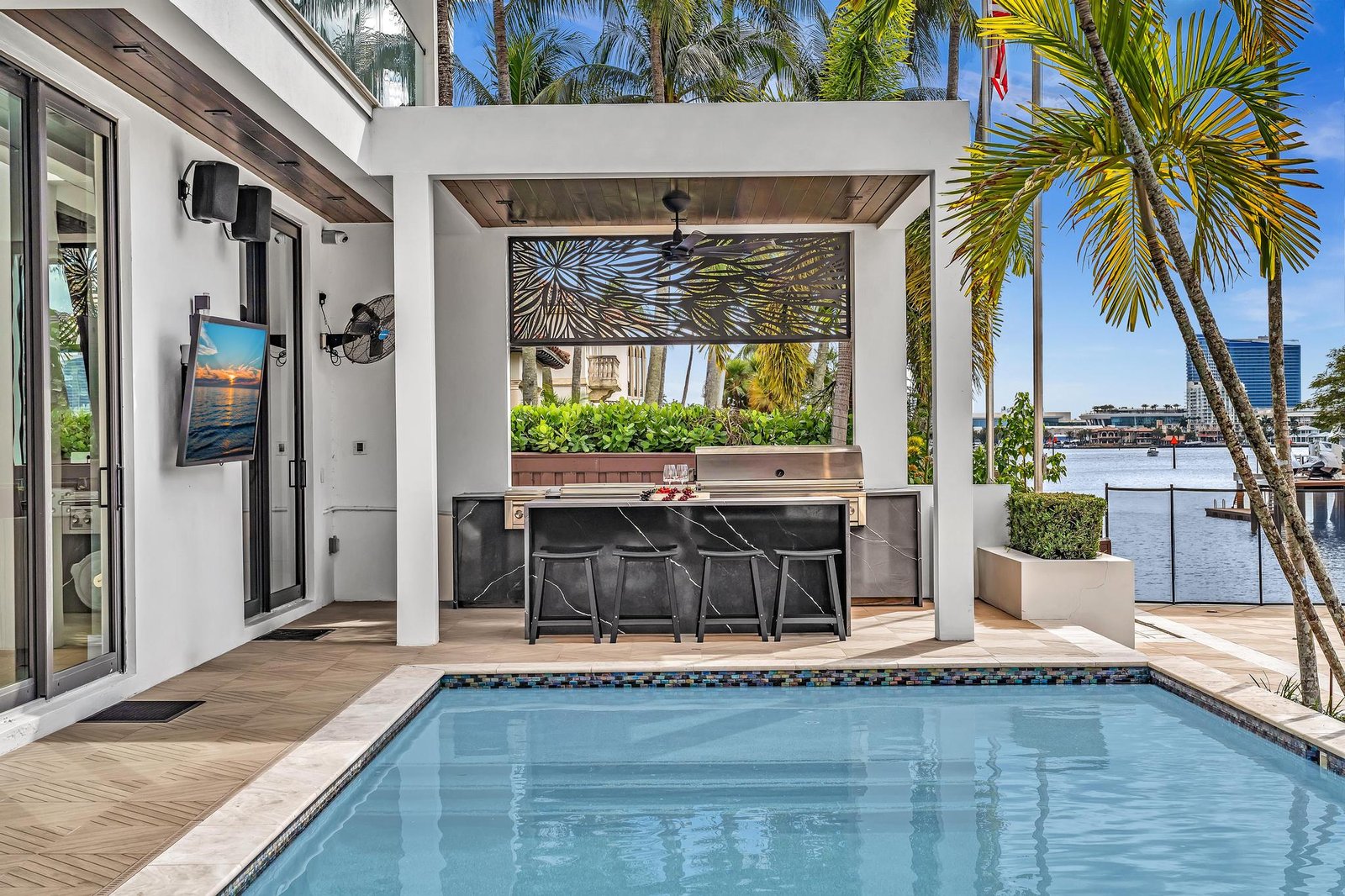
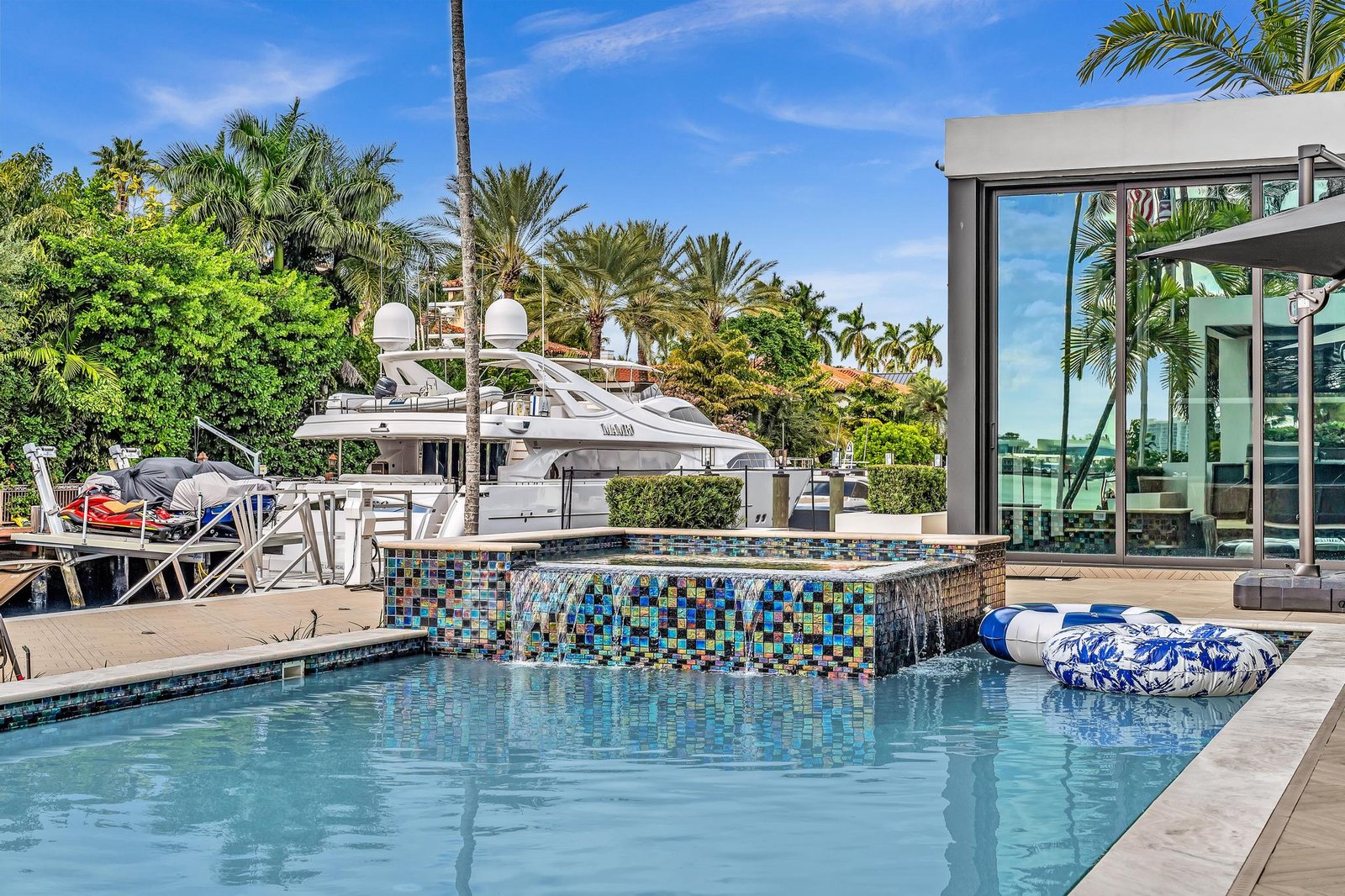
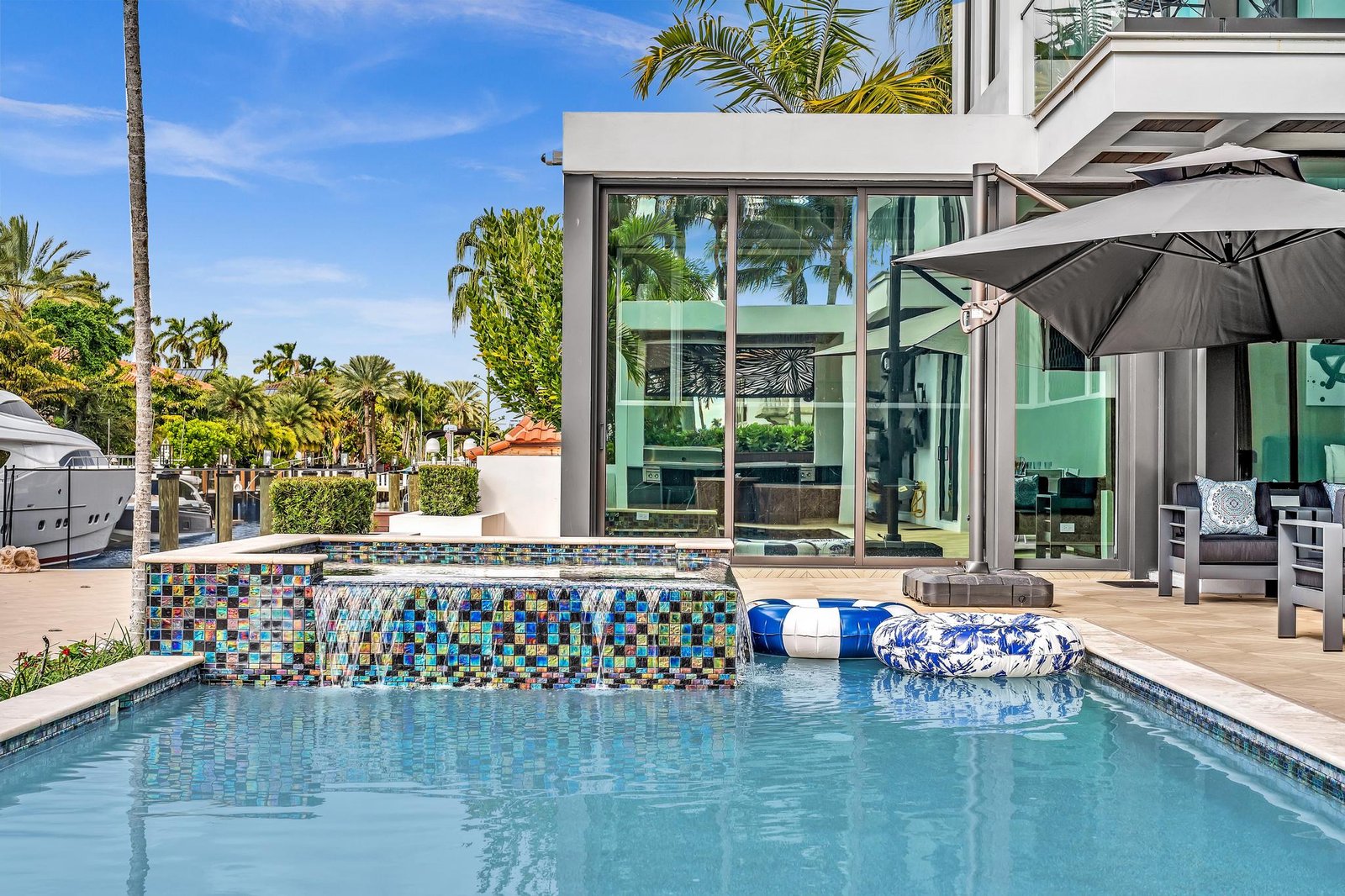
Weekly pool service in Miami-Dade runs $150 to $250 per month for a standard residential pool. That covers chemical balancing, surface skimming, filter backwash, and a visual equipment check. Luxury pools with heaters, automation systems, or water features run $280 to $450 monthly for comparable service. Annual equipment costs -- pump seals, filter media, salt cell replacement on saltwater systems -- add $400 to $1,200 per year depending on the system and usage load from short-term guests.
Landscaping in Miami-Dade
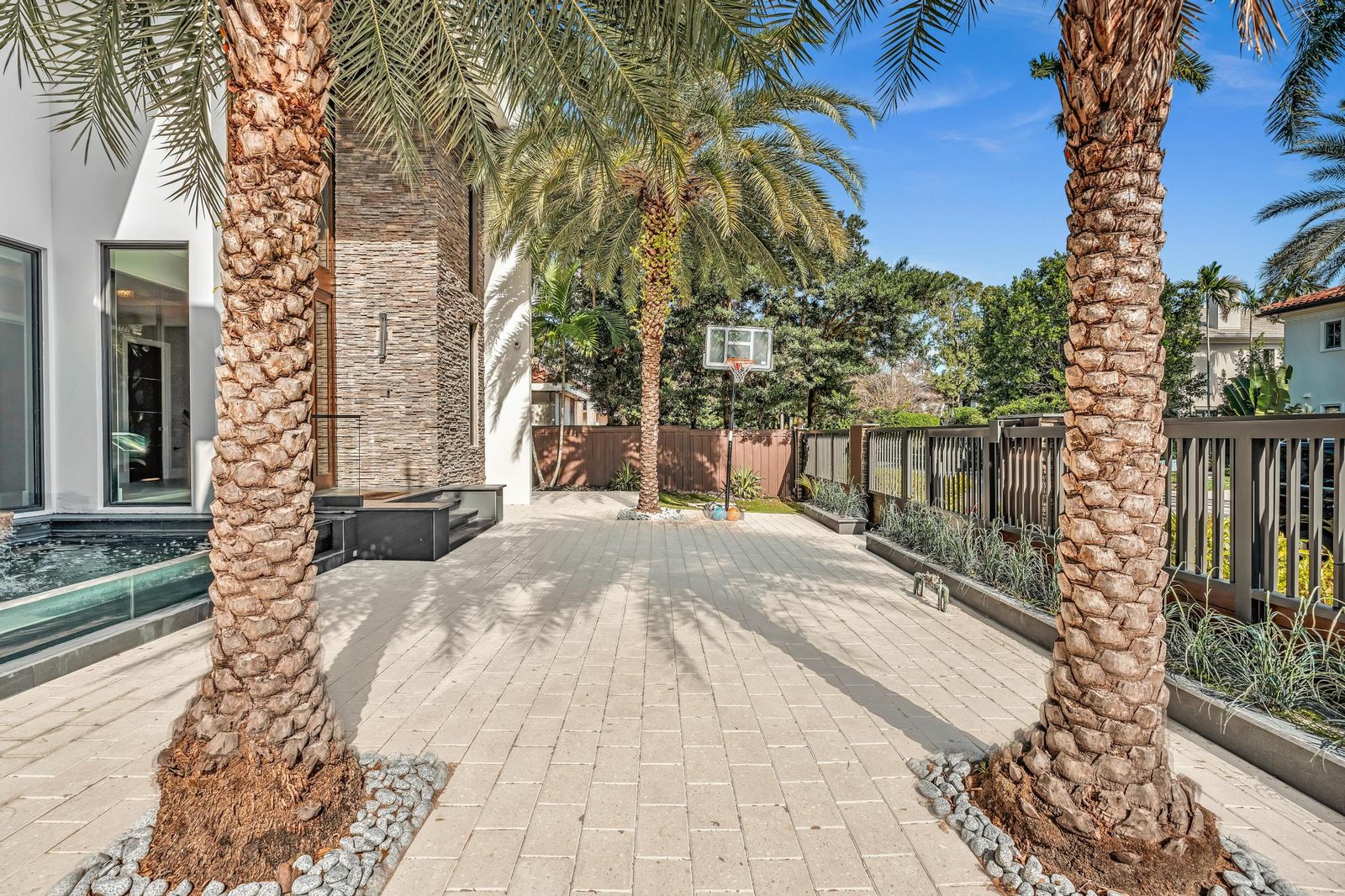
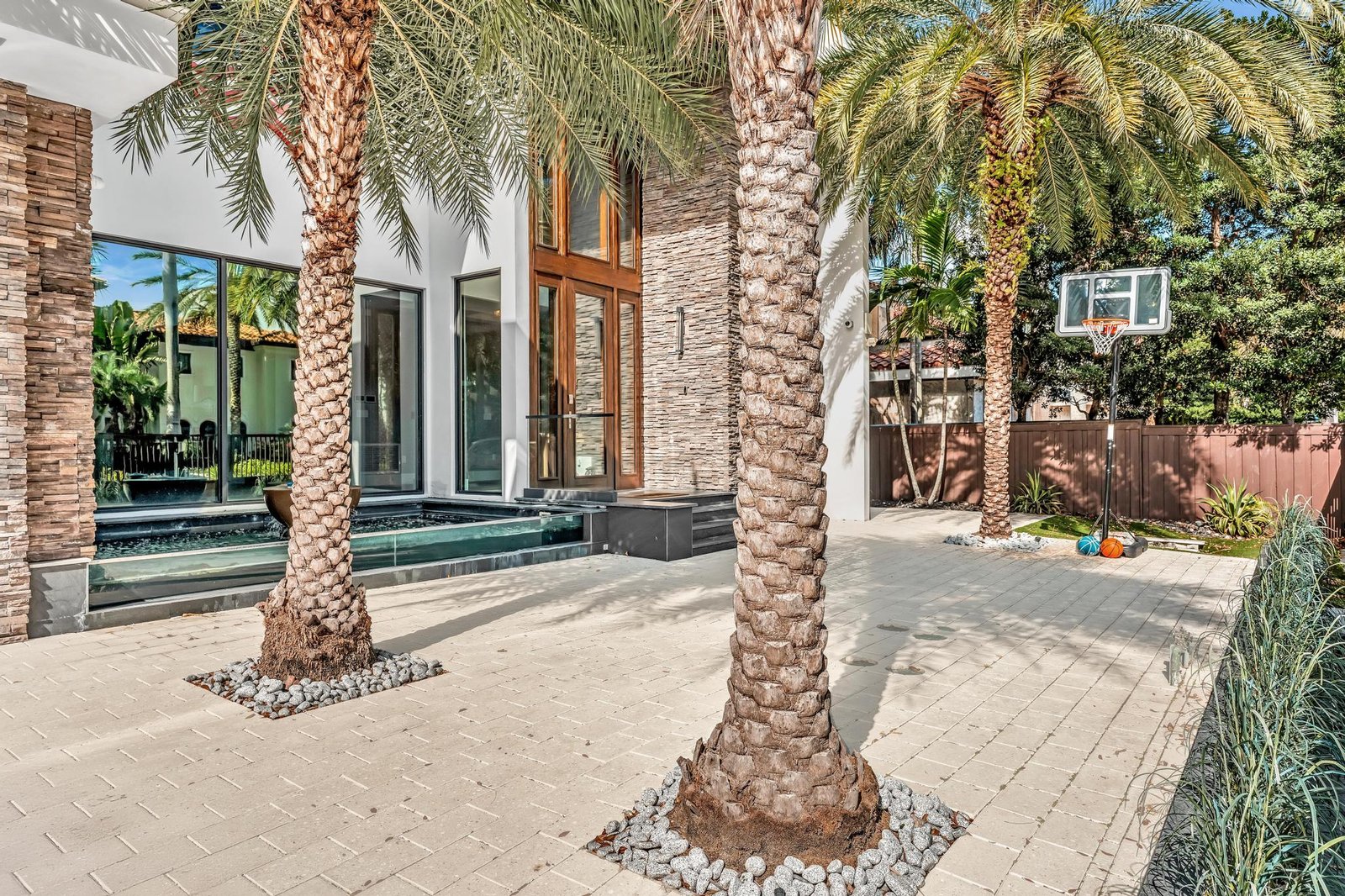
Basic maintenance for a standard single-family lot -- mow, edge, blow, trim -- runs $150 to $250 per visit from a licensed landscaping company. Most properties need service every 10 to 14 days from April through October when growth is aggressive. That works out to $1,800 to $4,500 annually for basic upkeep alone. Waterfront and luxury properties with mature palms, specimen plantings, or extensive hardscape pay $400 to $900 per visit for full-service landscape management. Palm trimming, which is separate from standard service, costs $75 to $200 per tree depending on height and species.
Plumbing and Electrical Spot Repairs
Budget $200 to $450 for a standard plumbing service call in Miami. Fixture replacement, running toilet diagnosis, and minor leak repair typically fall in that window with a licensed plumber. Electrical repairs for outlet, switch, or breaker issues run similarly. Both trades bill minimum one-hour labor at $95 to $145, with most straightforward repairs completing in one to two hours. Annual preventive plumbing inspection -- checking supply lines, shut-off valves, water heater condition -- costs $100 to $175 and frequently prevents $1,000-plus emergency calls.
Annual Budget Per Unit: What the Numbers Add Up To
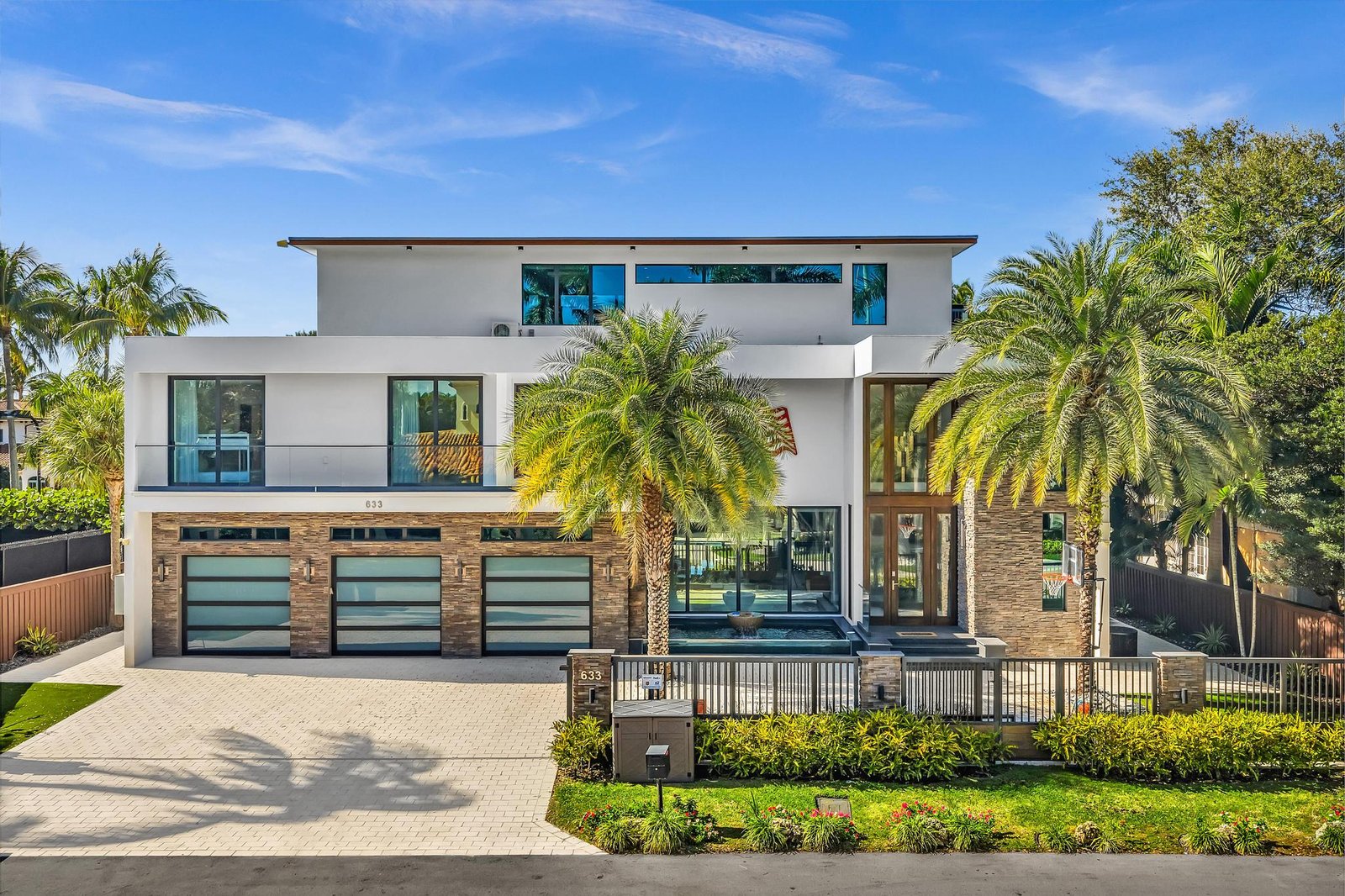
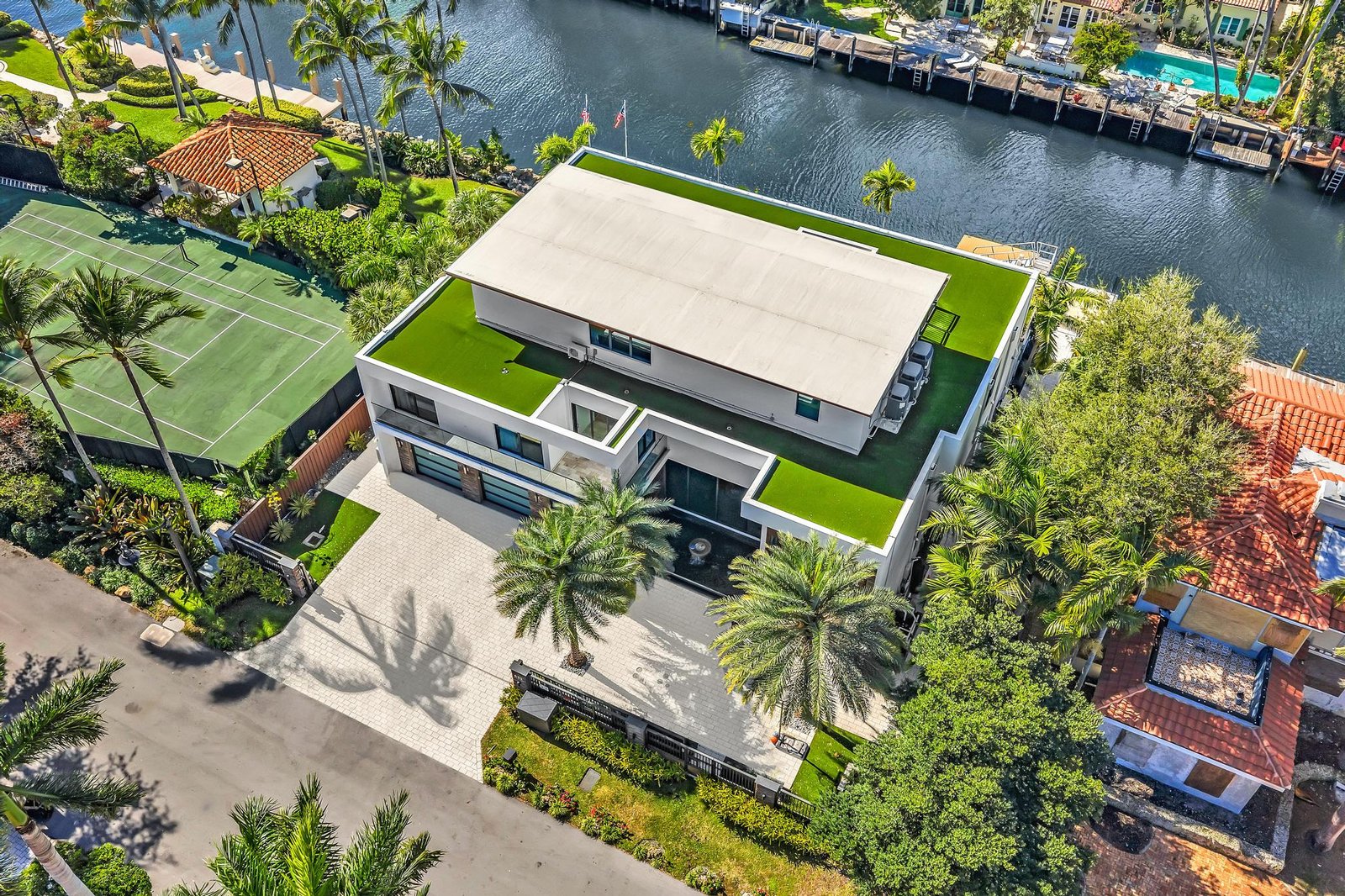
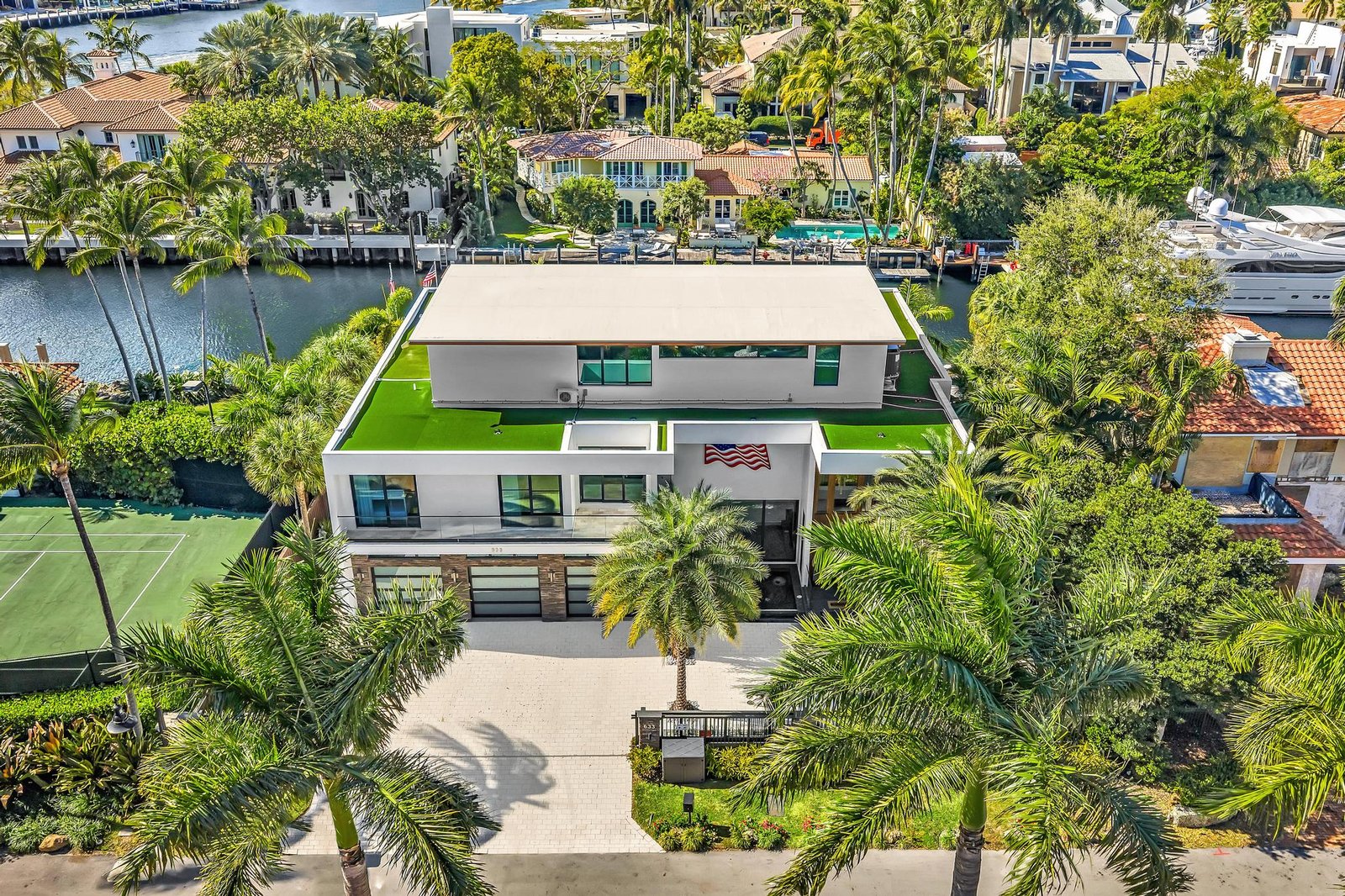
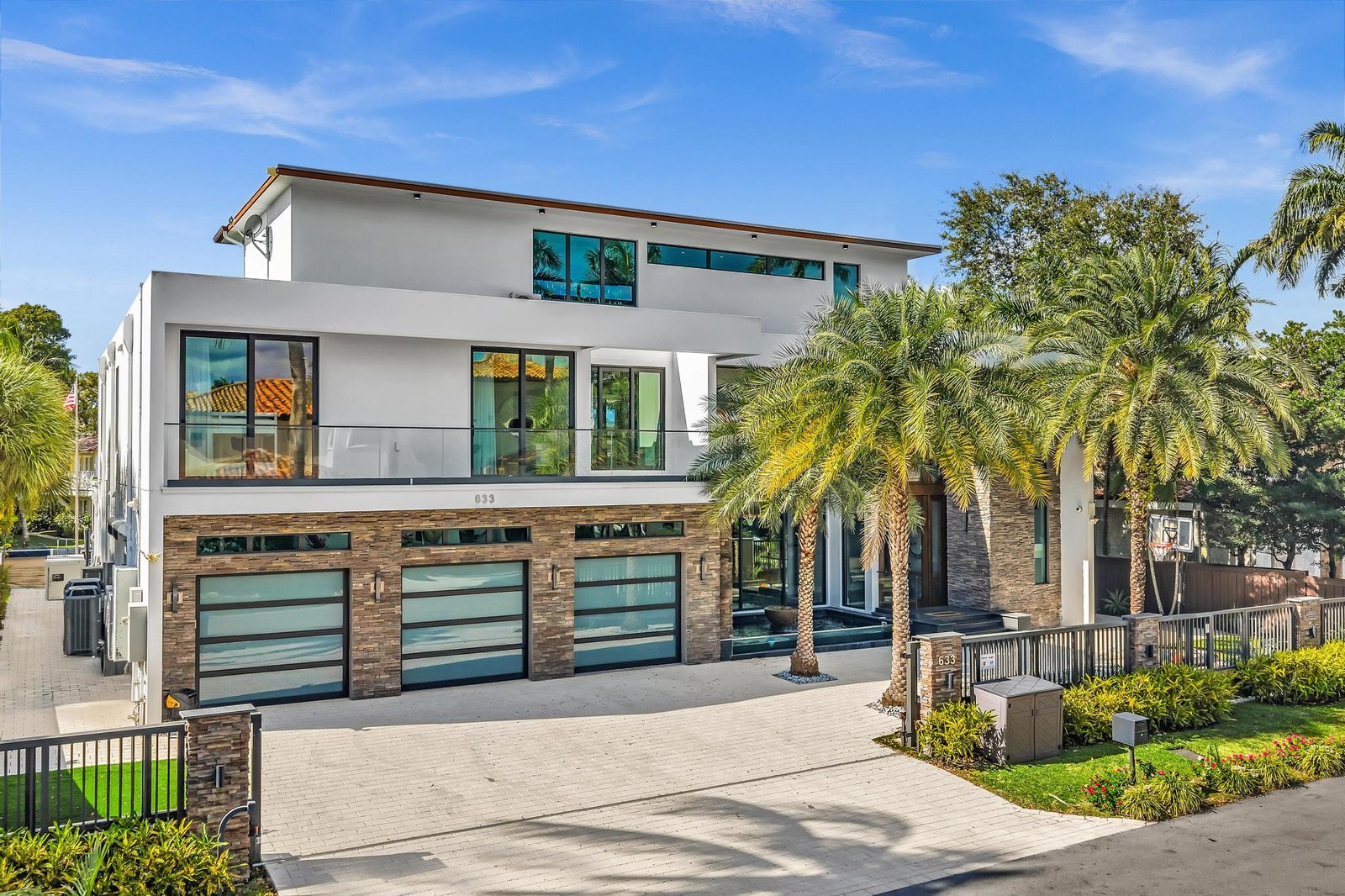
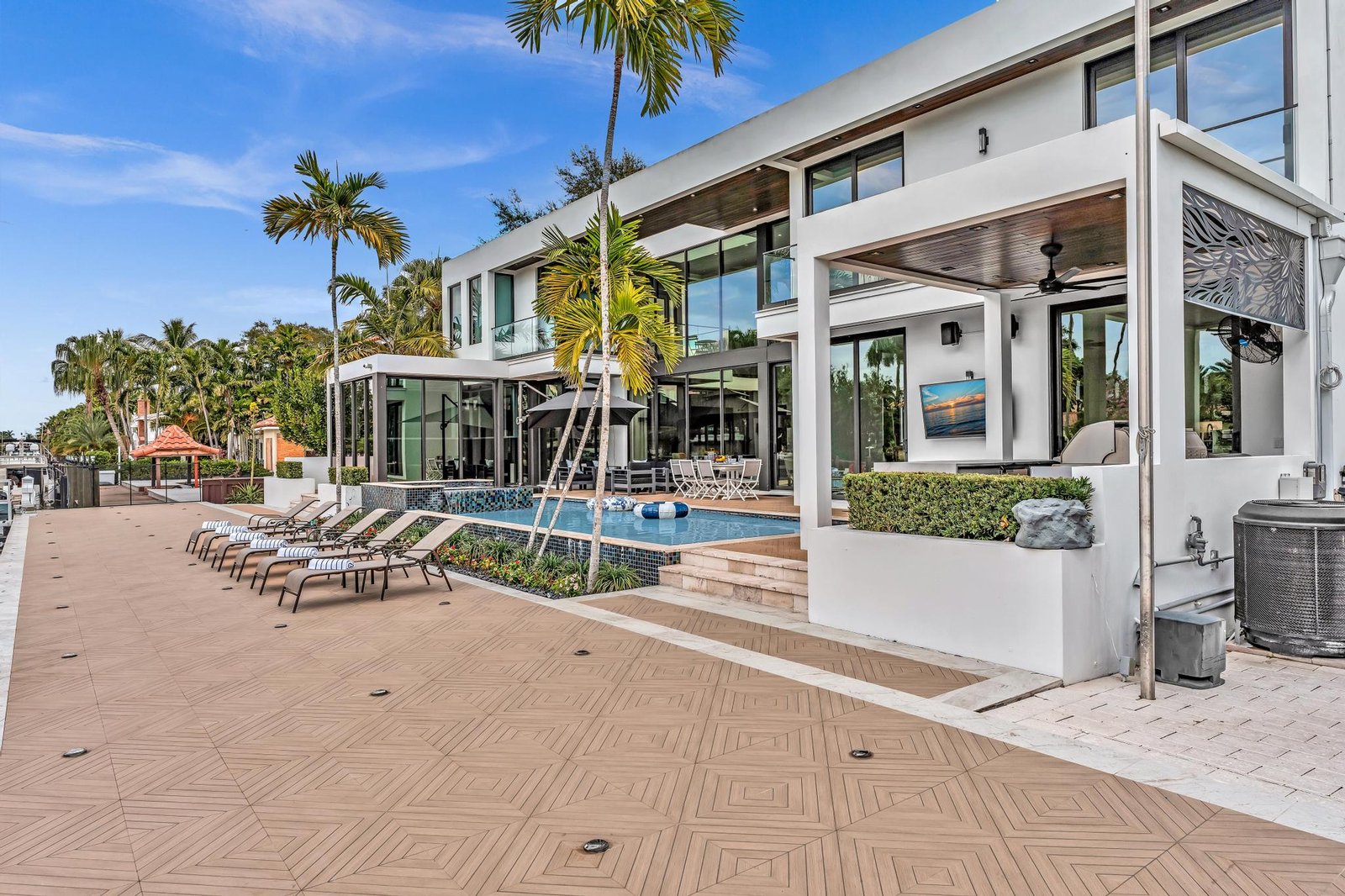
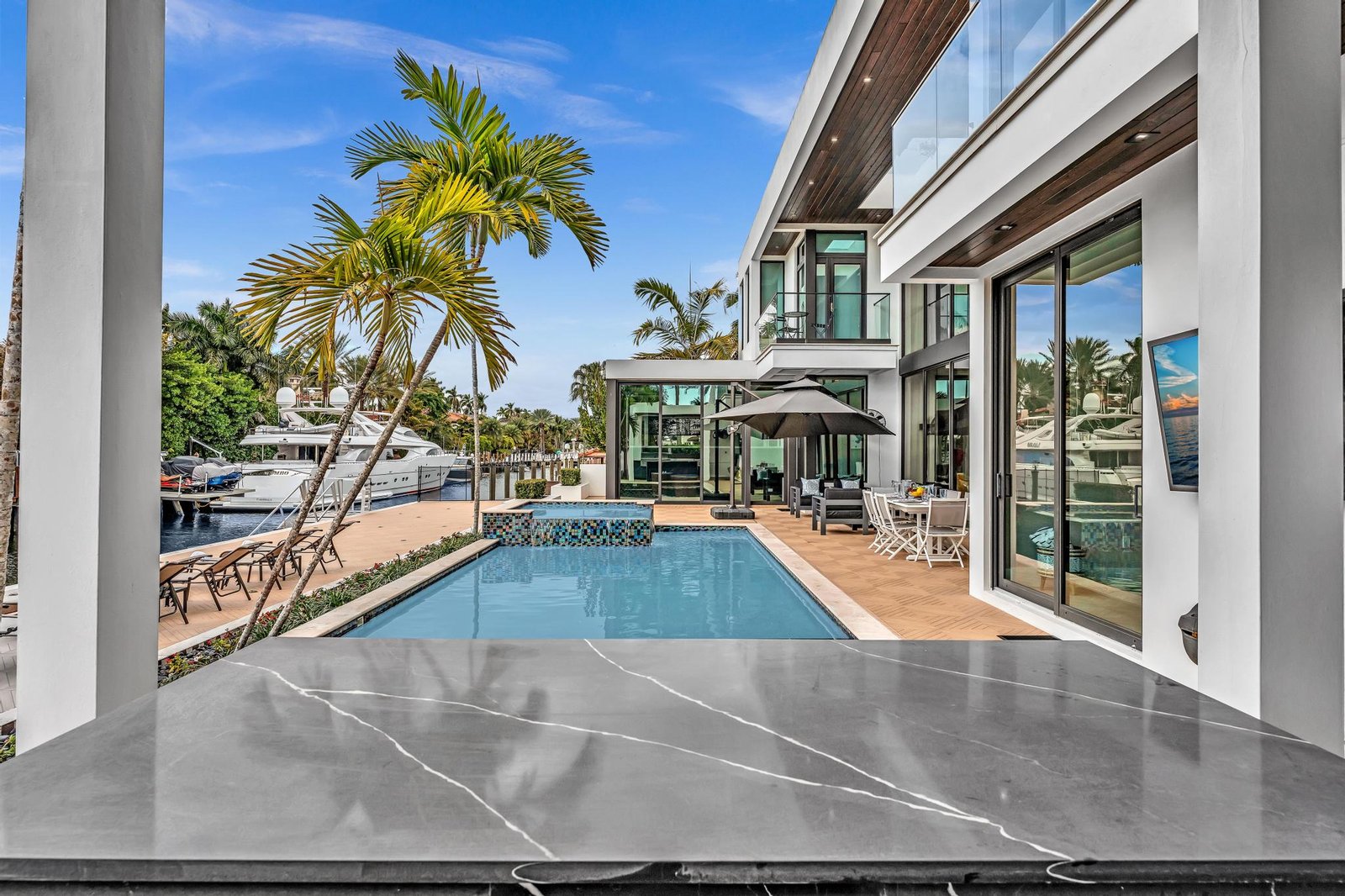
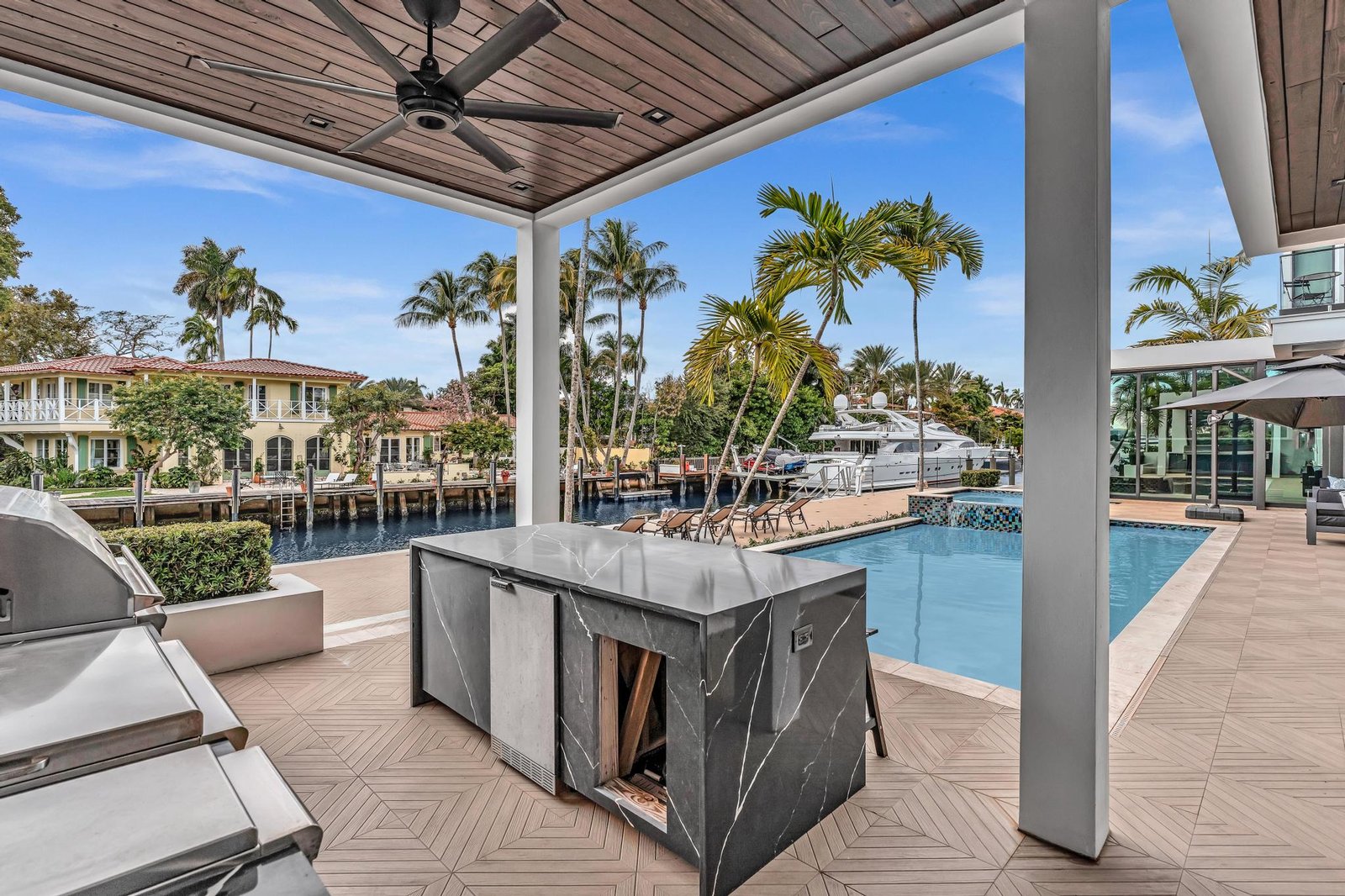
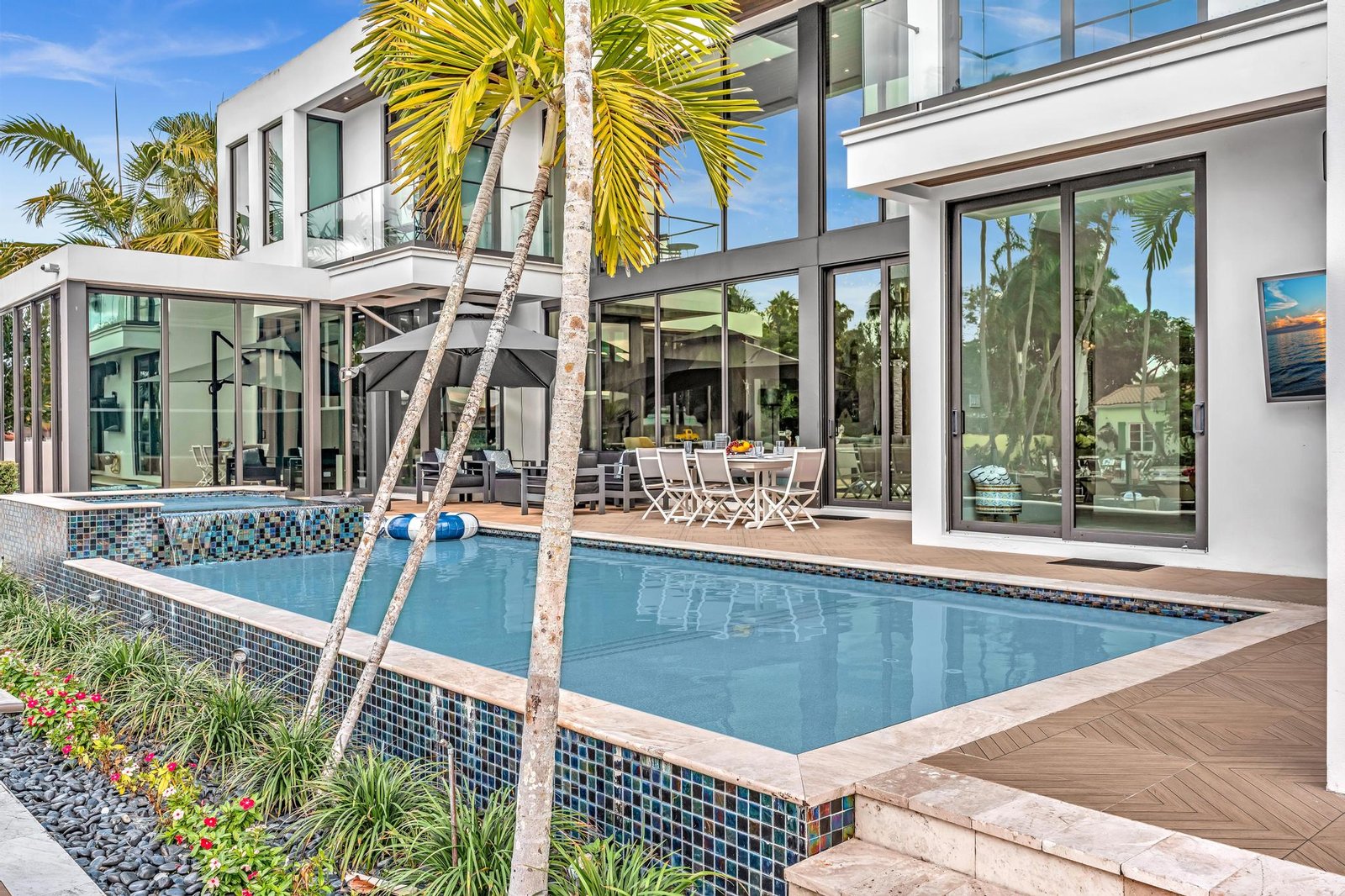
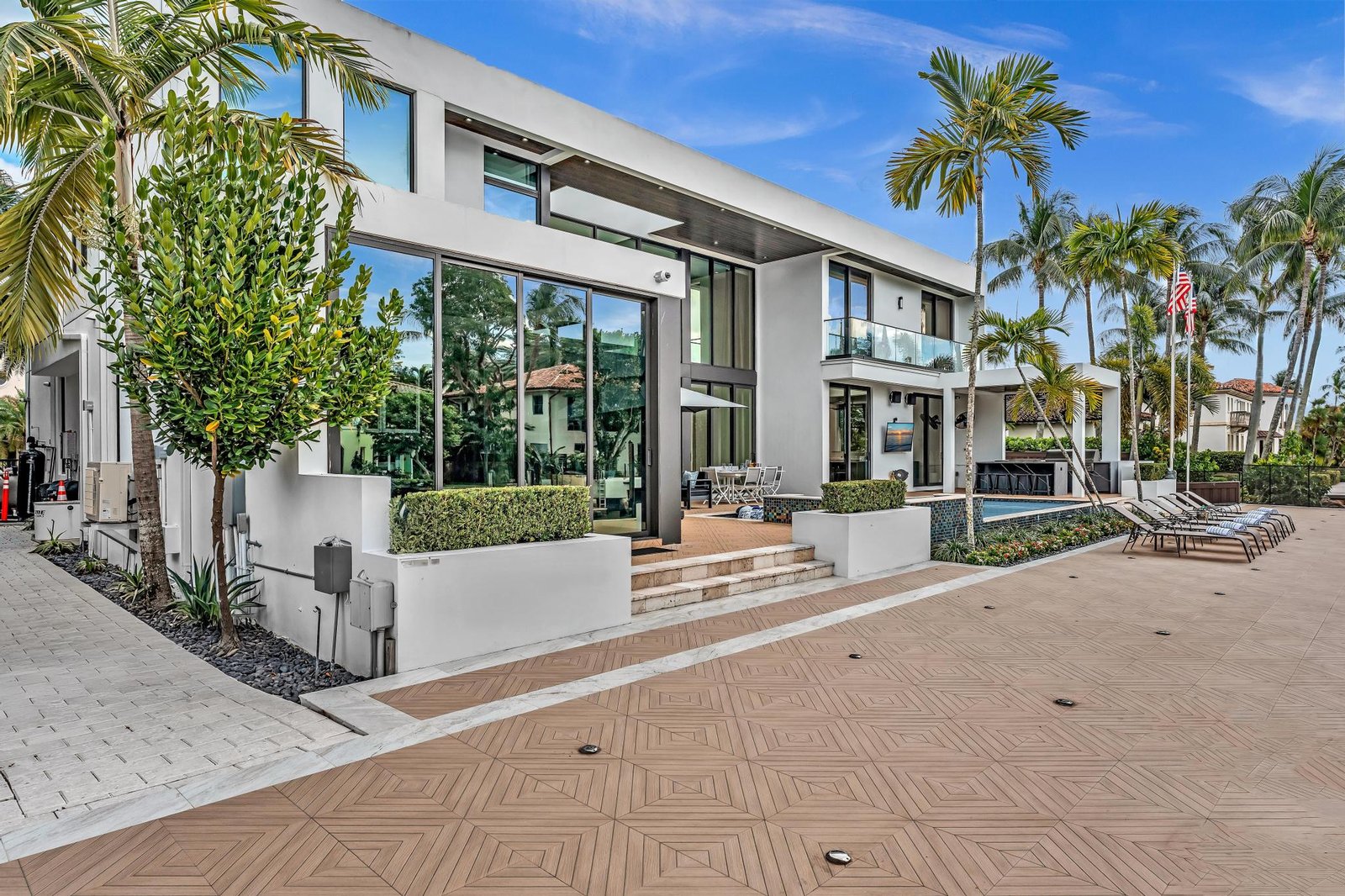
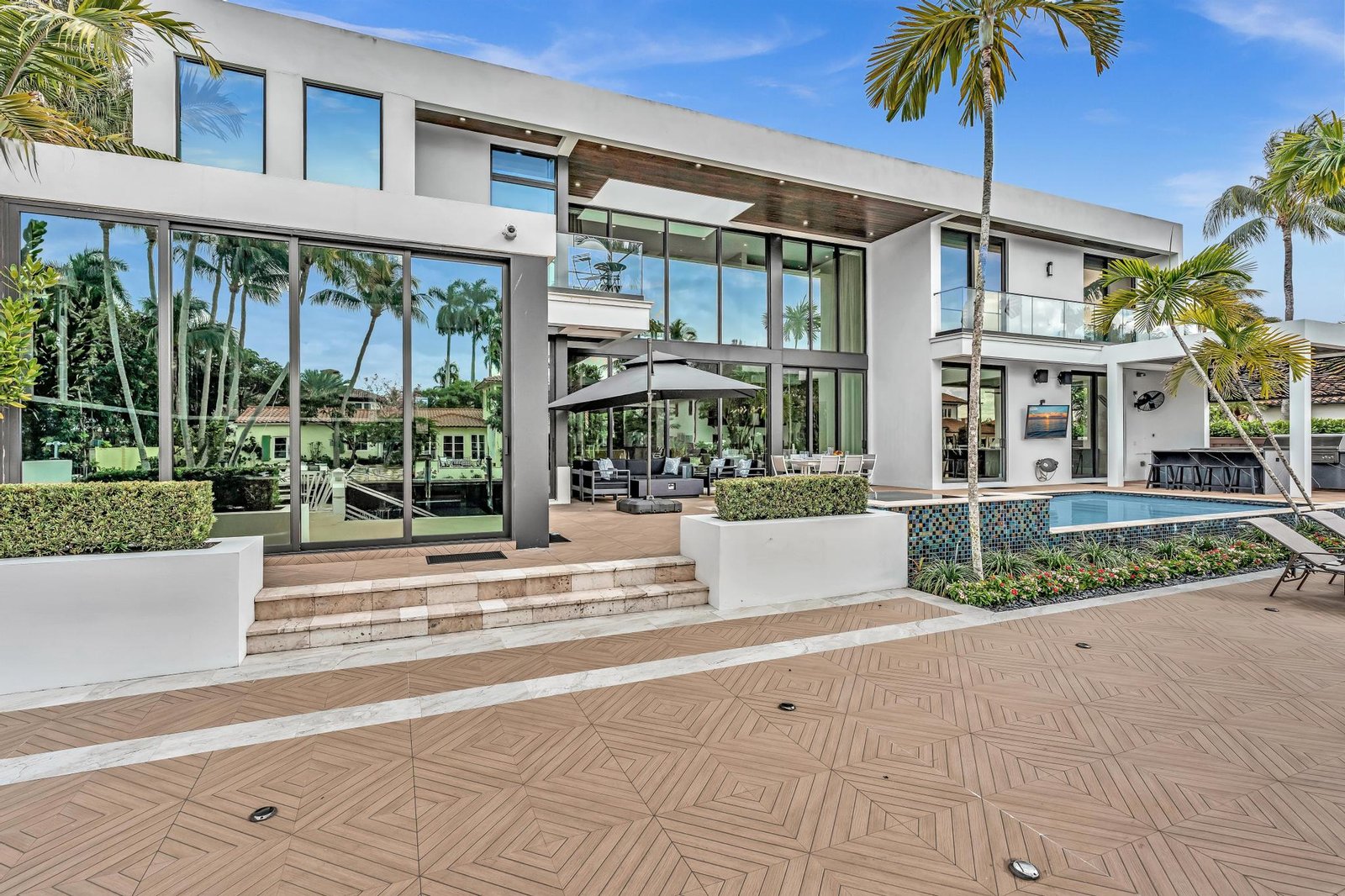
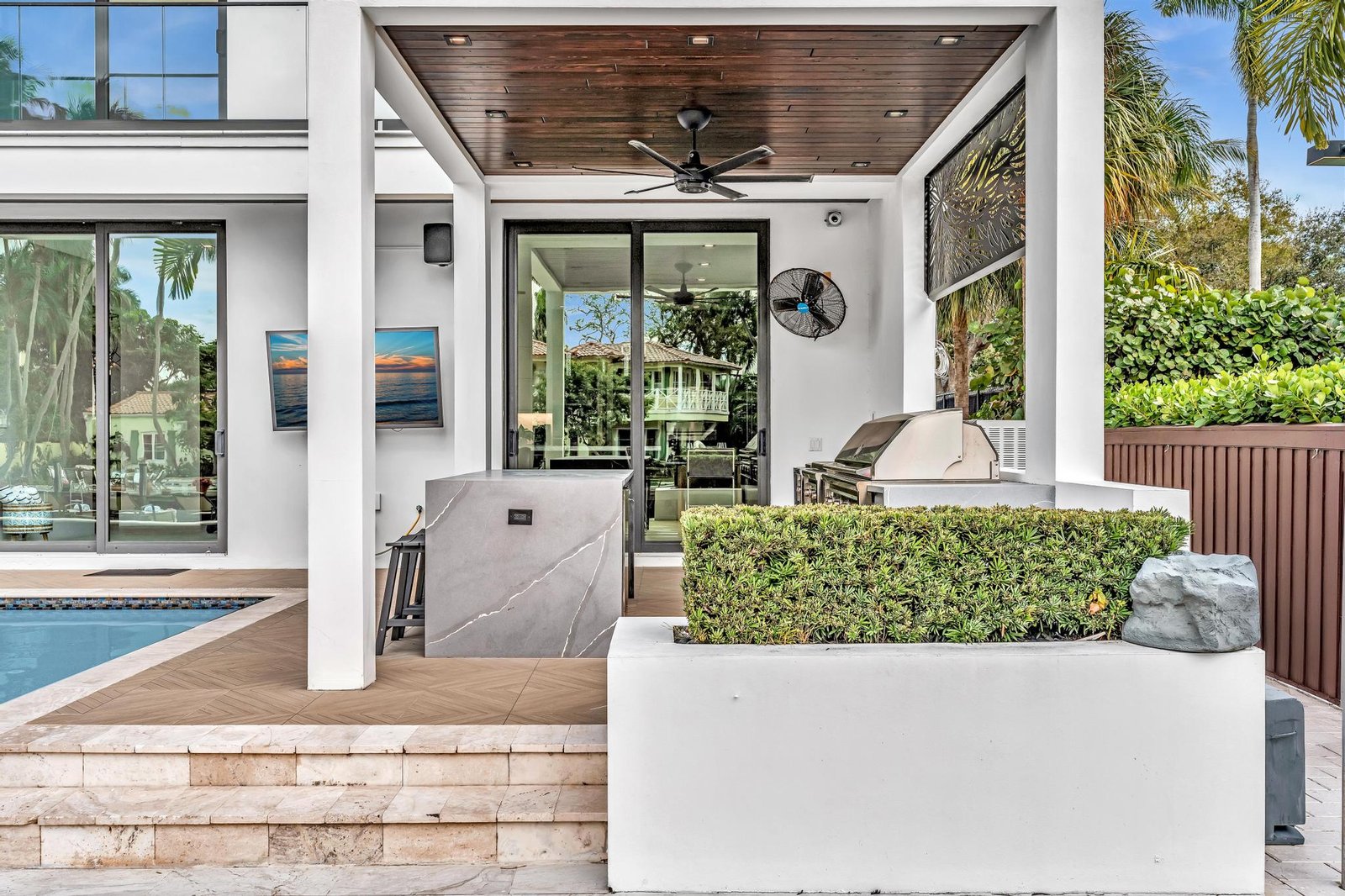
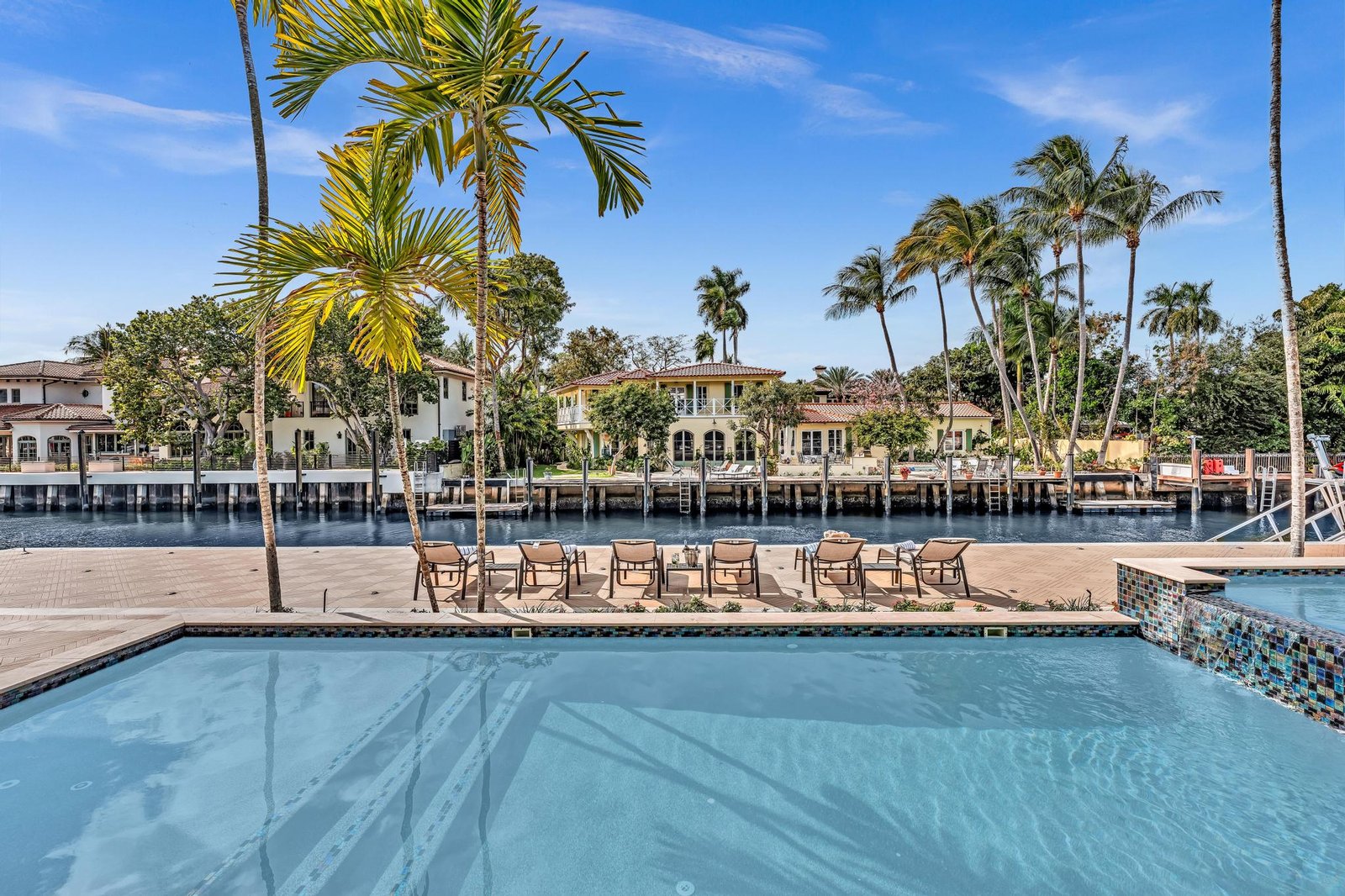
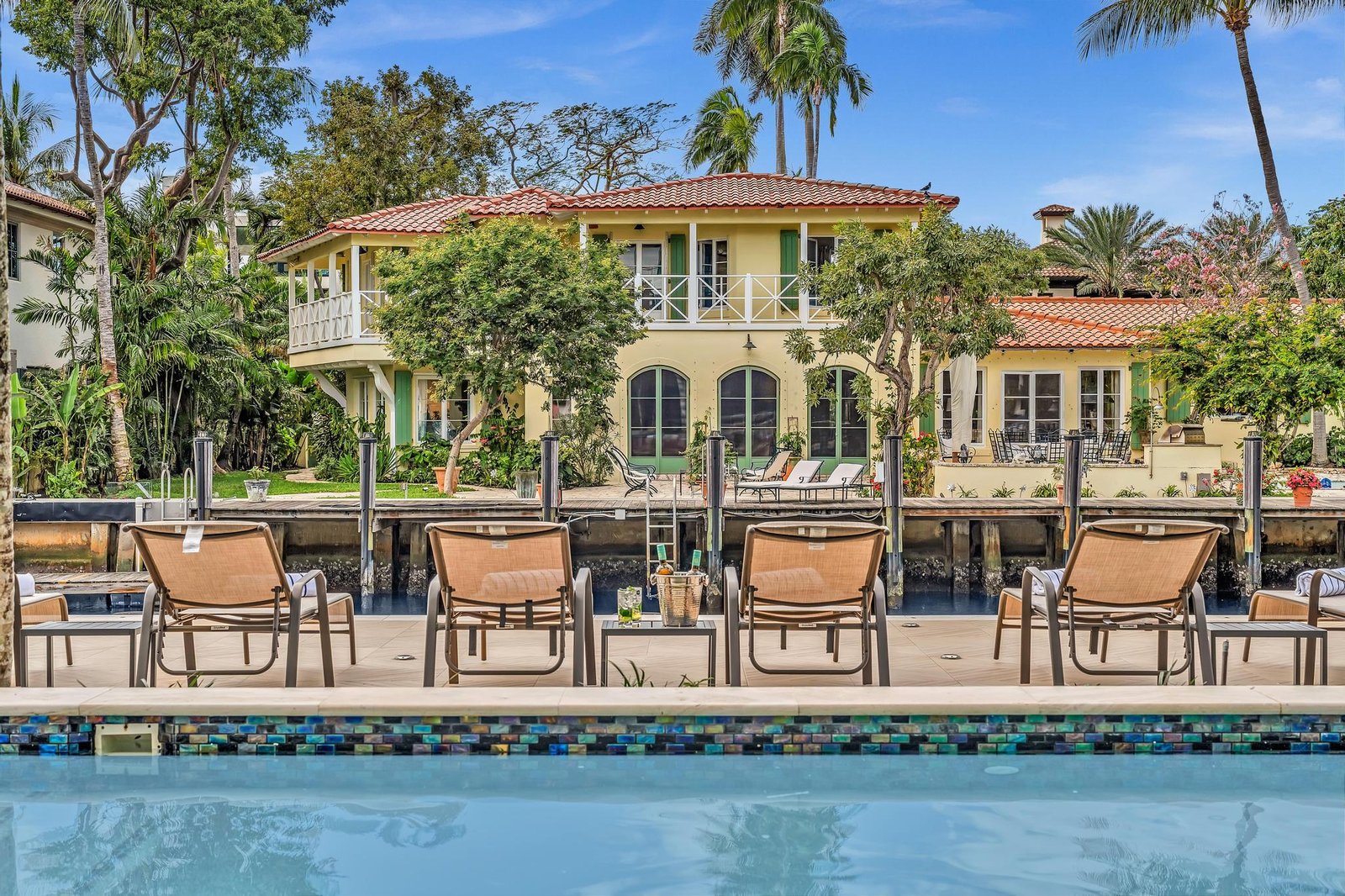
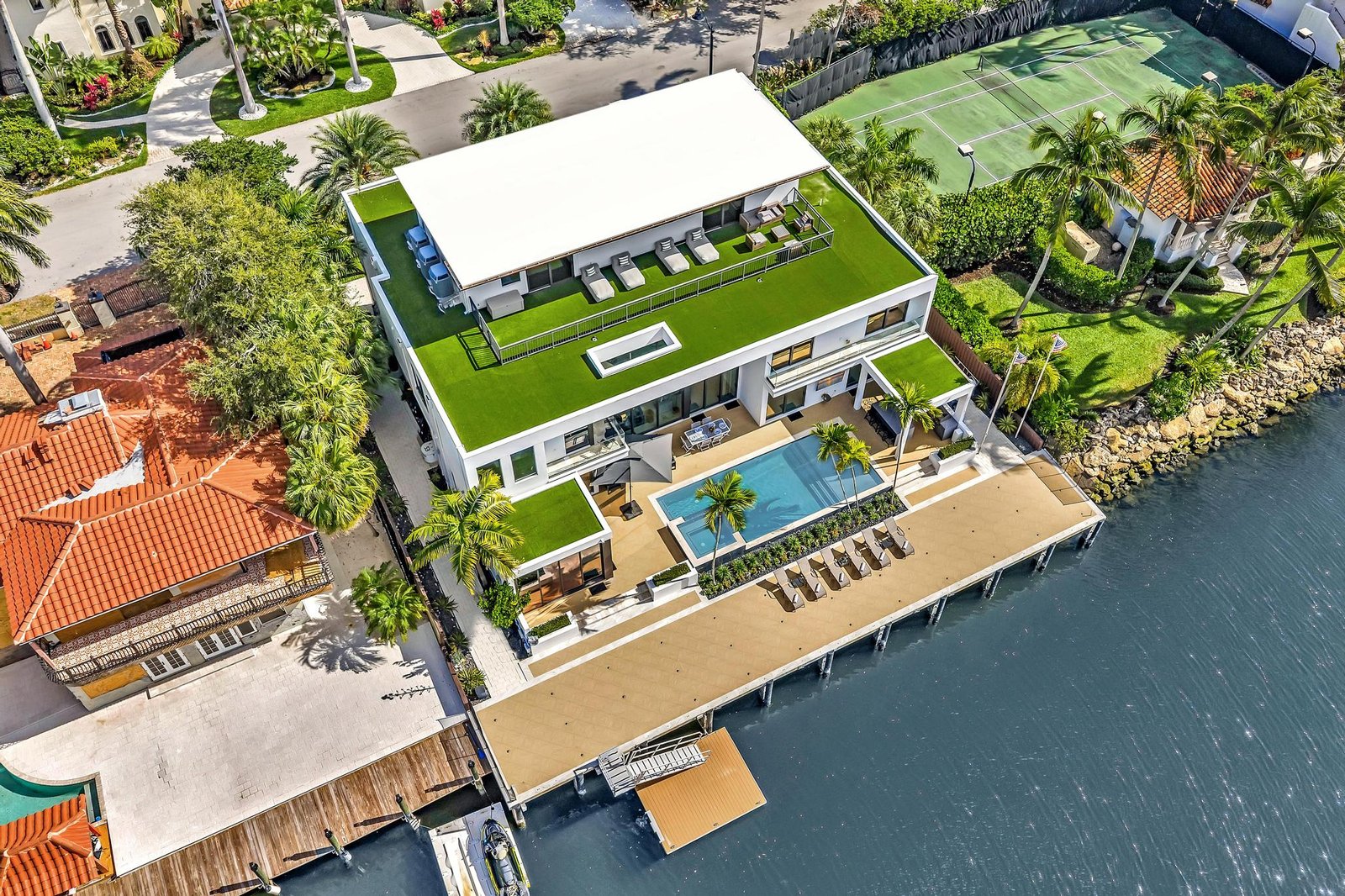
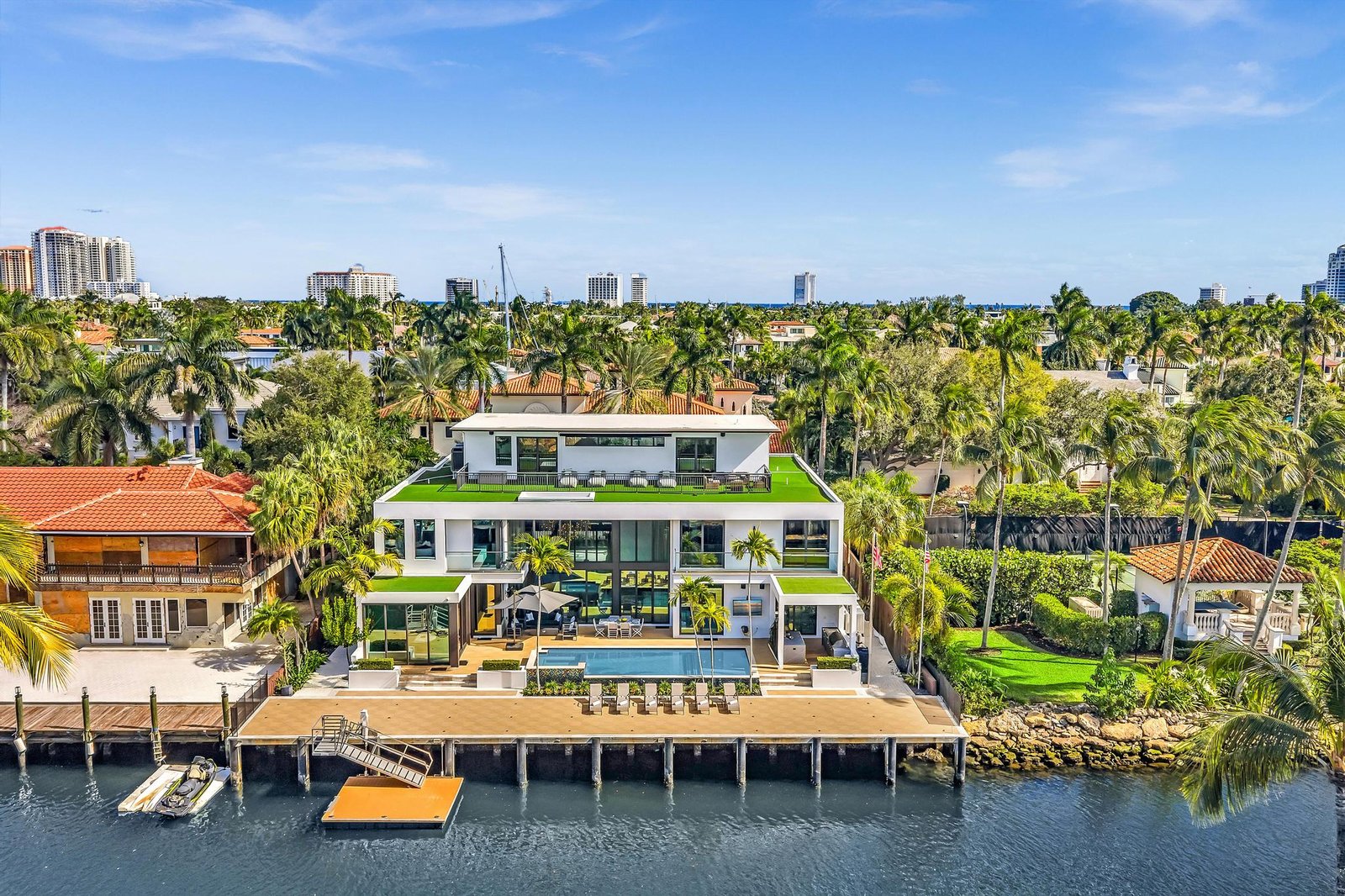
For an inland Miami-Dade single-family home in good condition, a realistic annual maintenance budget runs $4,500 to $8,500. That covers twice-yearly AC service, a pre-storm shutter inspection, weekly pool service, biweekly landscaping, and a reasonable allowance for spot repairs. Waterfront properties should budget $9,000 to $18,000 annually because salt exposure, hurricane prep complexity, pool and dock equipment, and higher-end finishes all drive up both the frequency and unit cost of maintenance work. Luxury estates above $3 million in value typically require $20,000 or more per year to maintain at a standard that protects the asset and the guest experience.
See How Same-Day Dispatch Works →10+ Years of Miami-Dade Maintenance Coordination
3L Management Group operates from West Dixie Highway and has managed South Florida properties through multiple hurricane seasons, labor market shifts, and the demand swings that come with this market. We know what things actually cost here, not what they cost in a generic property management template.
Miami's labor market for licensed trades is tight. Good HVAC techs, licensed plumbers, and certified electricians in Miami-Dade are booked out weeks in advance during peak demand periods. Owners without established vendor relationships pay more and wait longer. That's the operational reality behind professional property maintenance management in Miami -- access to vetted crews who prioritize managed portfolios.
We cover Broward and Miami-Dade counties and have spent over a decade building vendor relationships that translate directly into faster response times and more predictable pricing for the owners we manage.
For a full picture of what professional oversight costs relative to self-managing, the Miami property management cost guide and our North Miami luxury home watch cost guide are useful comparisons.
Waterfront vs. Inland: Where Costs Diverge
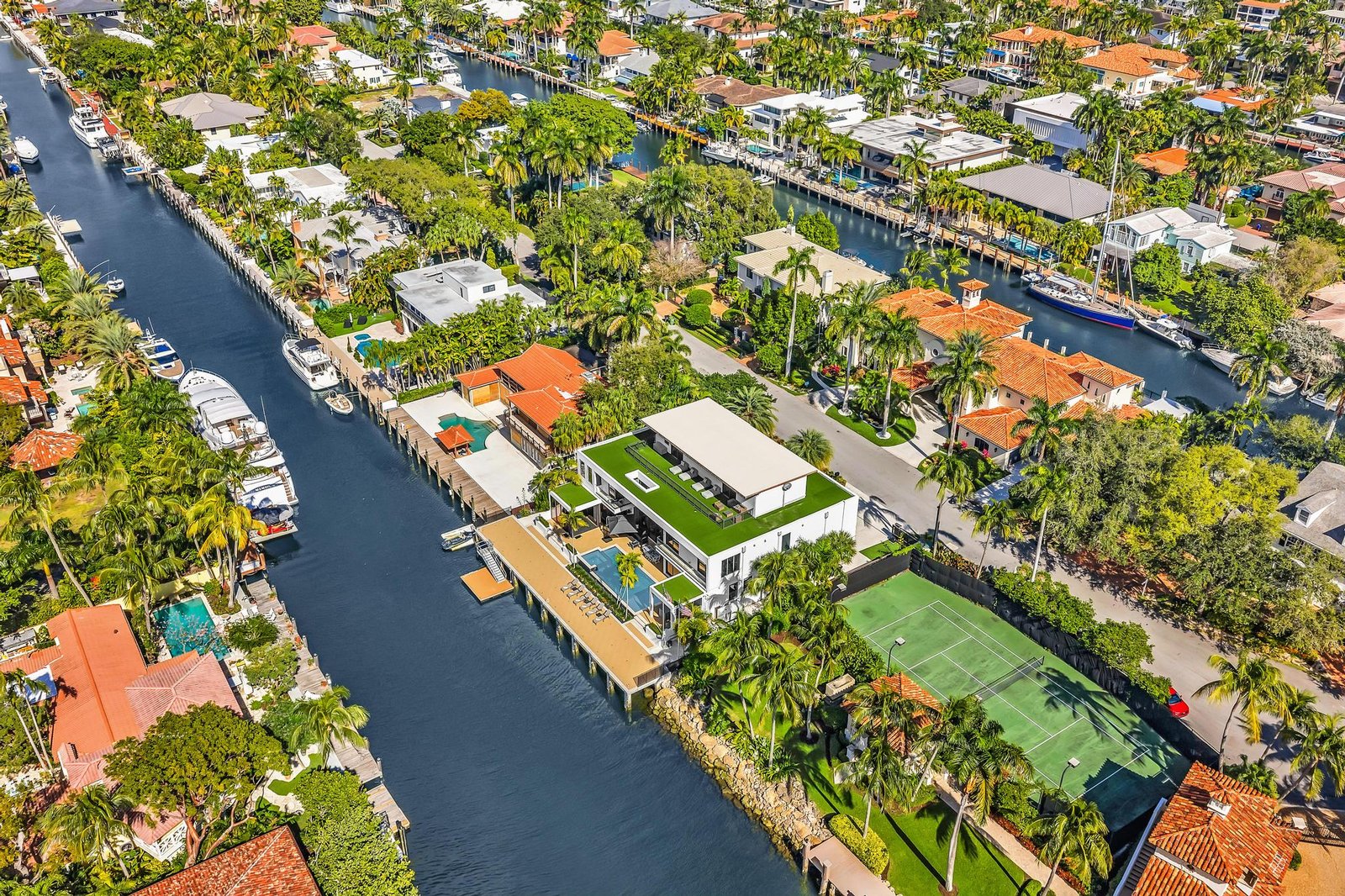
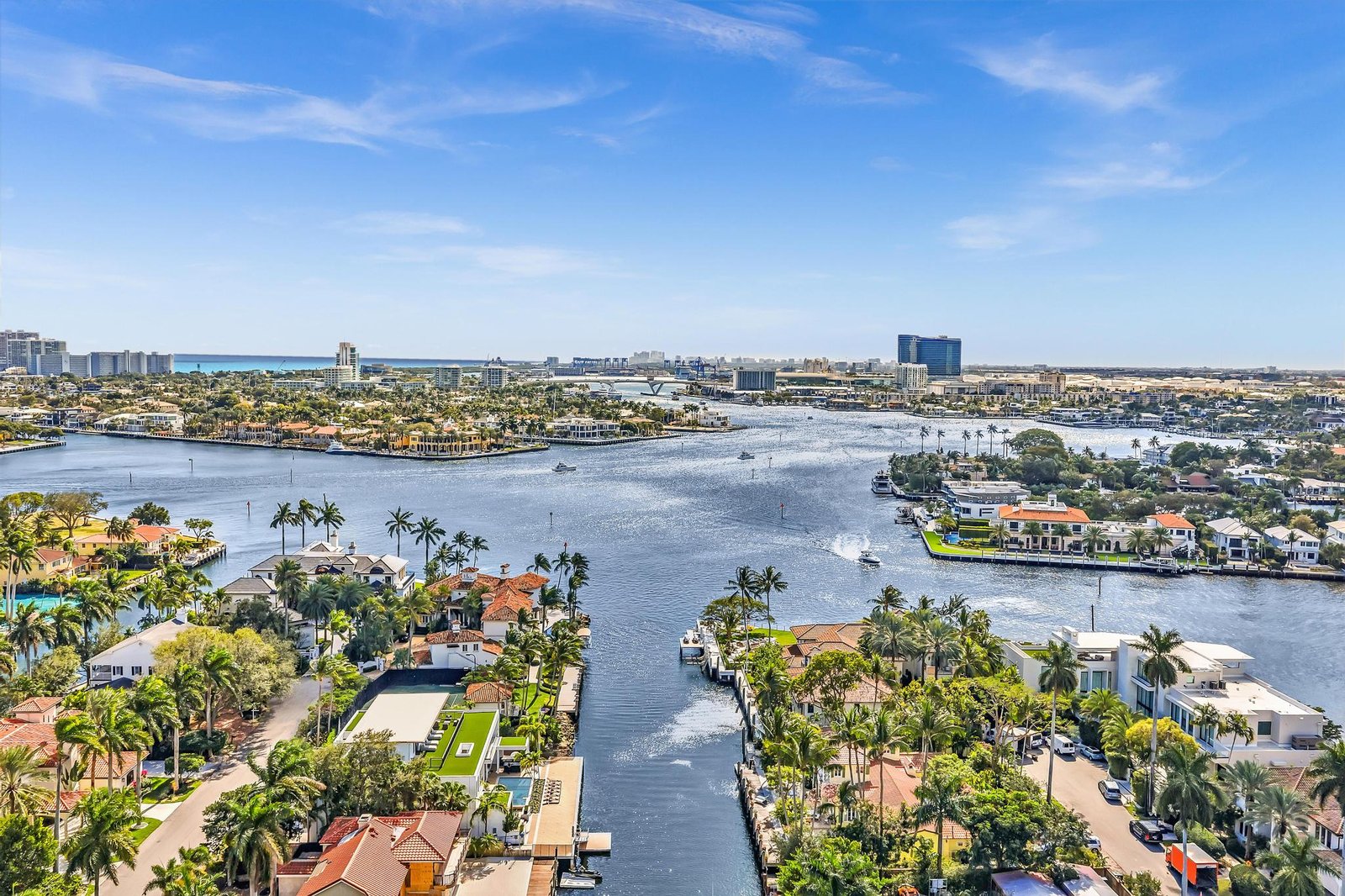
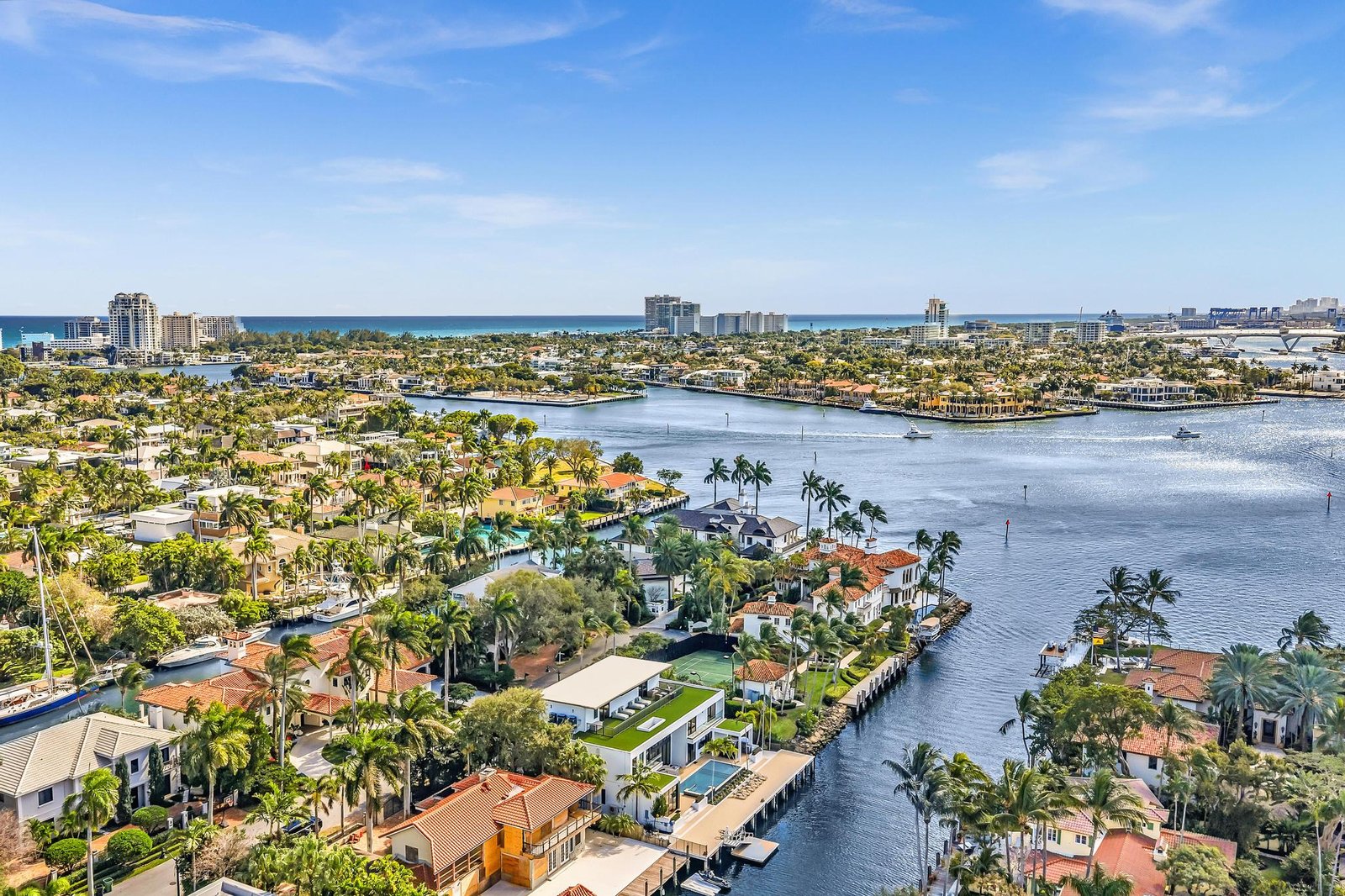
The price difference between maintaining a waterfront property in Miami Beach or Coconut Grove versus an inland home in Kendall or Doral is not marginal. It is structural. Here is what drives it.
Salt air within a half-mile of open water corrodes HVAC coils, exterior hardware, and pool equipment at roughly double the rate of inland properties in the same county. That directly affects replacement frequency and annual maintenance spend.
Hurricane season begins June 1. Shutter contractors in Miami-Dade are booked solid by late May most years. Scheduling inspections and repairs in April gives you the best combination of availability and pricing before seasonal demand drives both up.
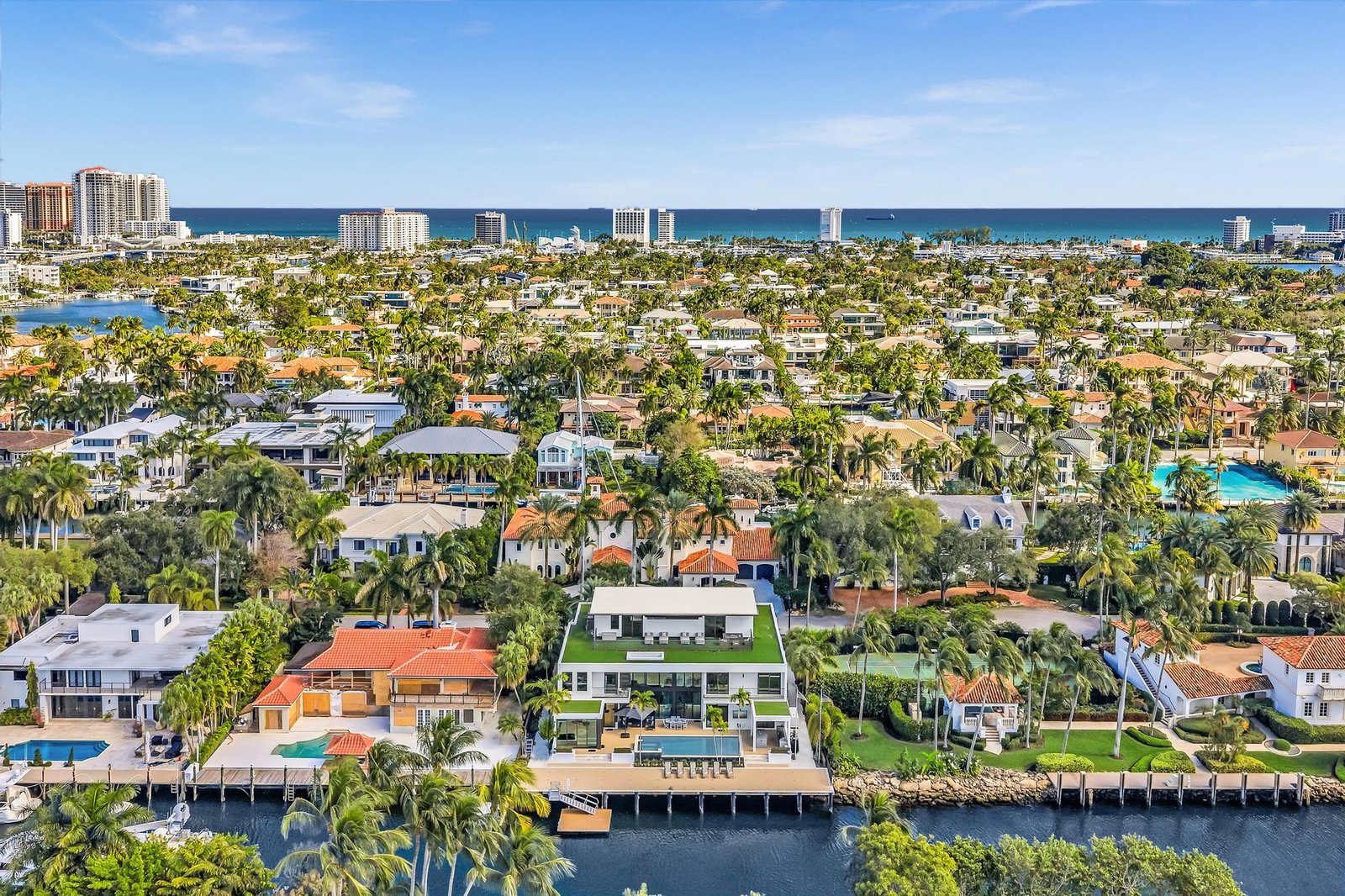
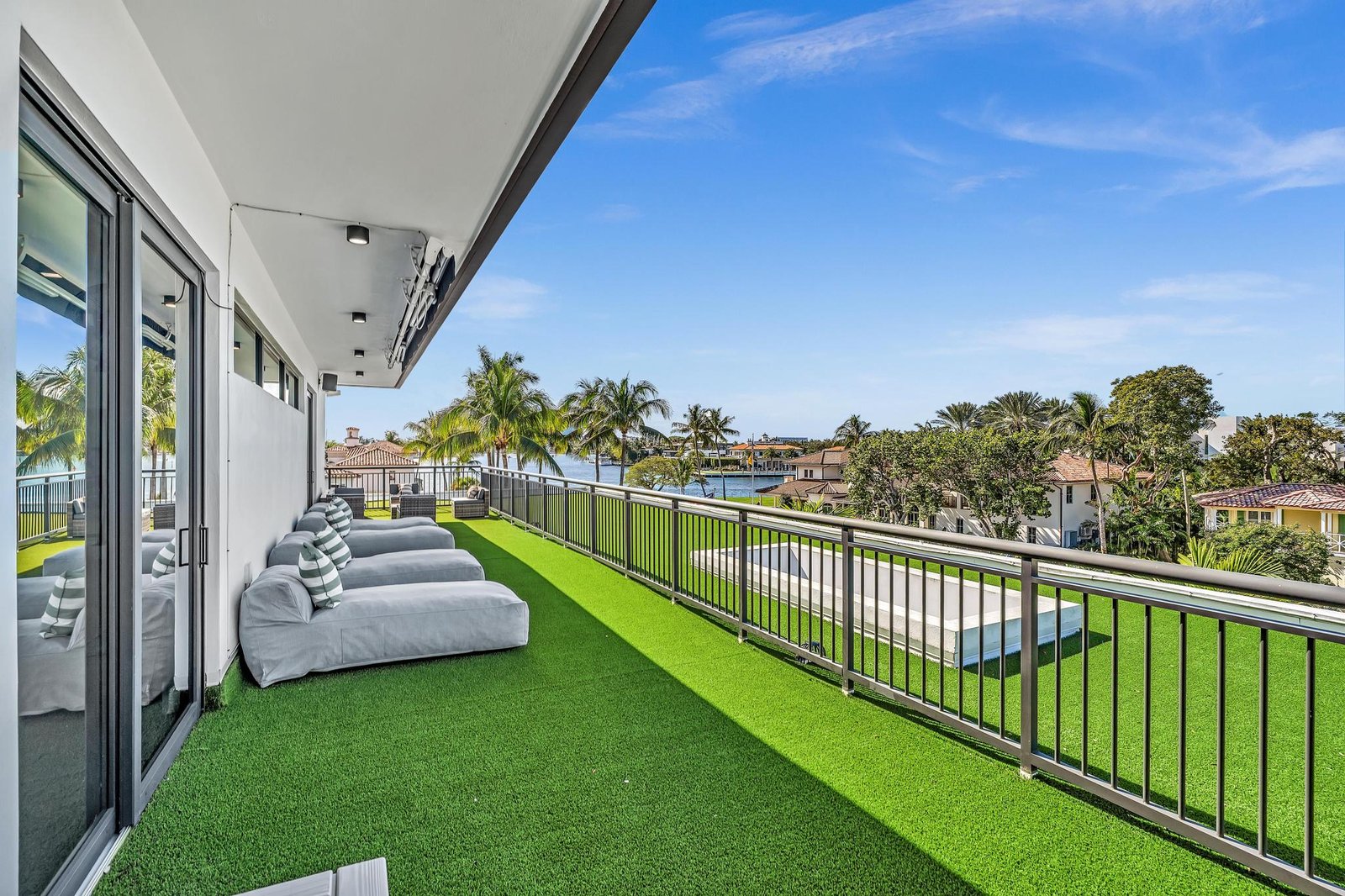
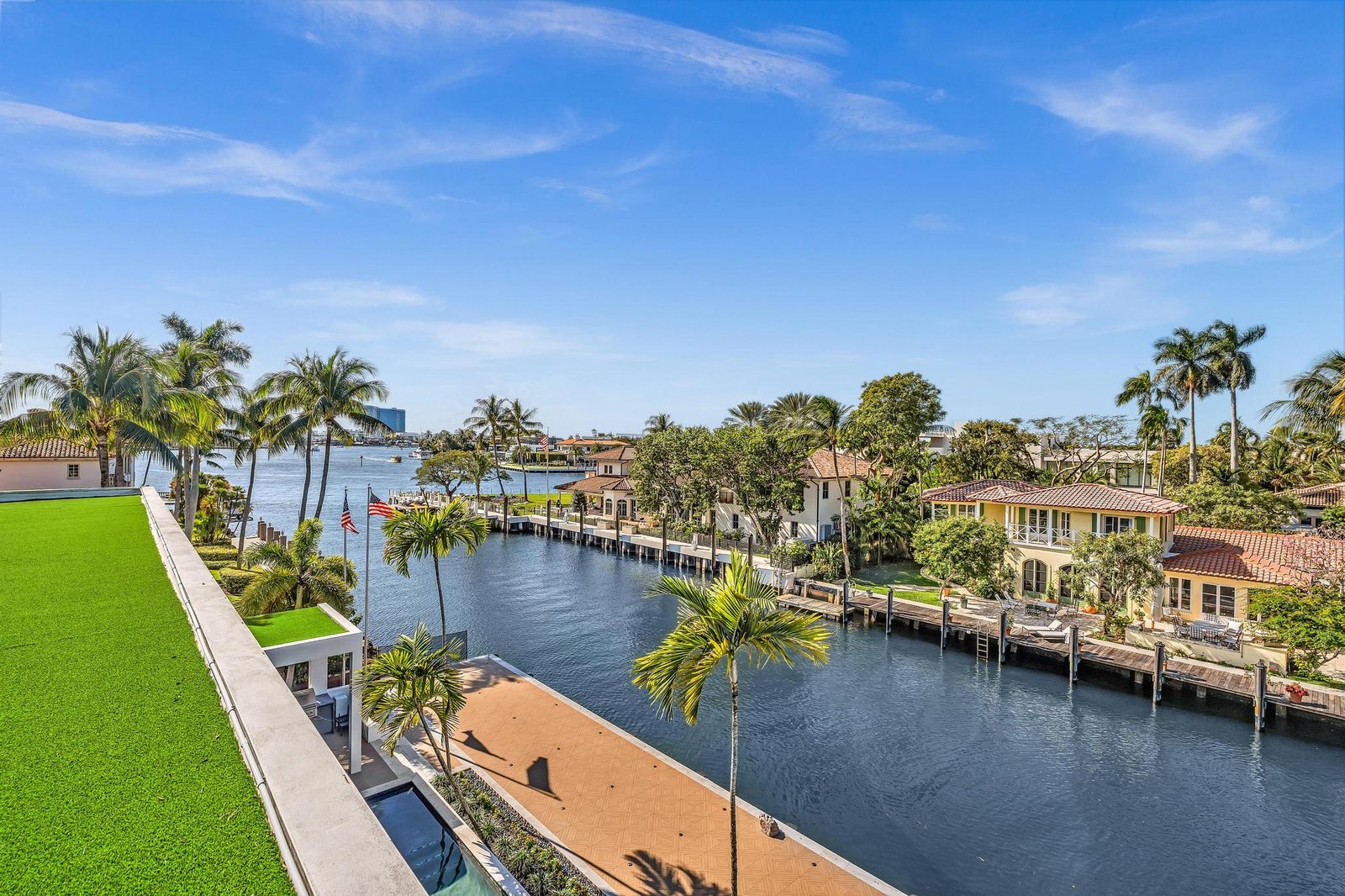
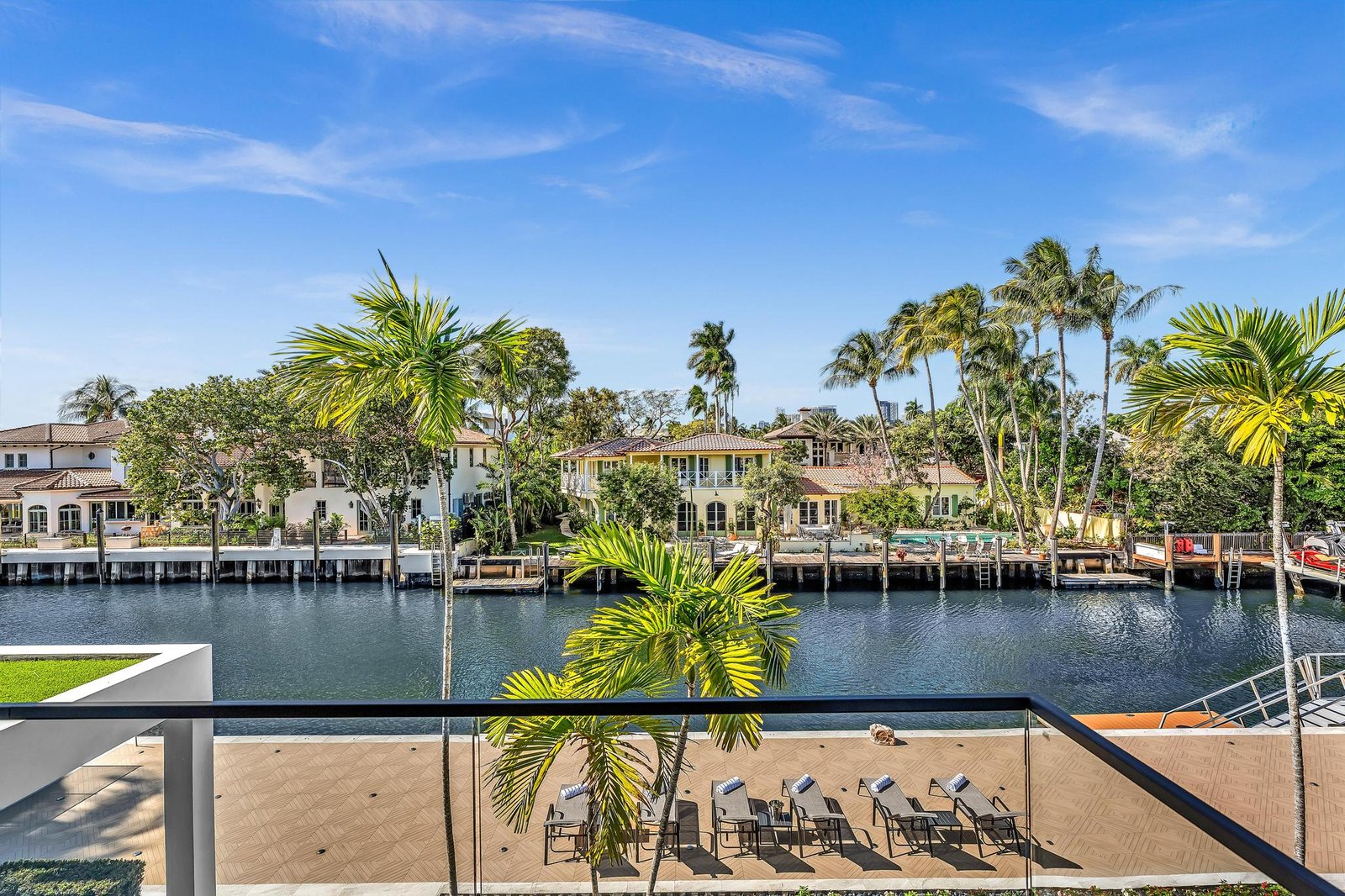
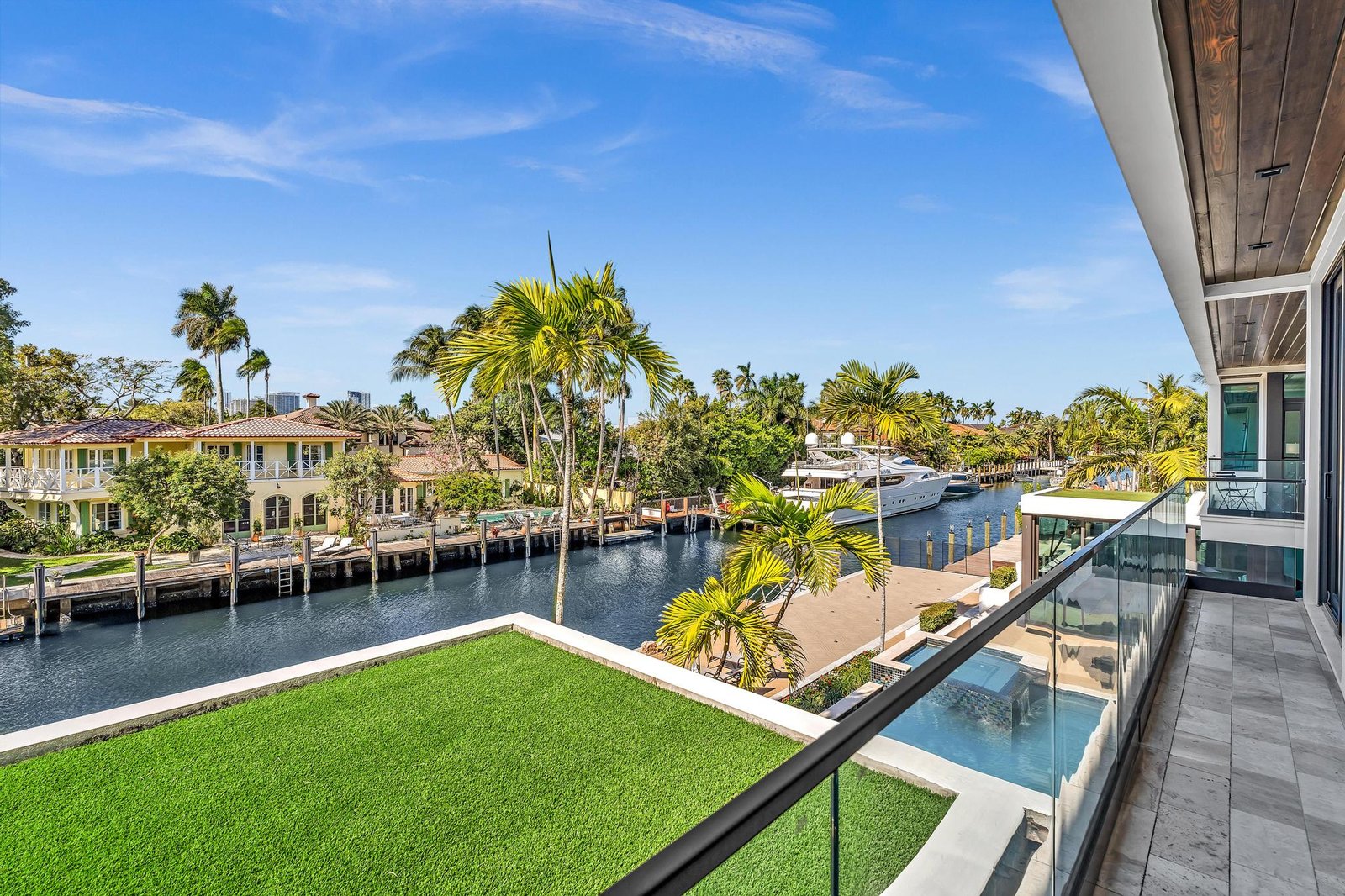
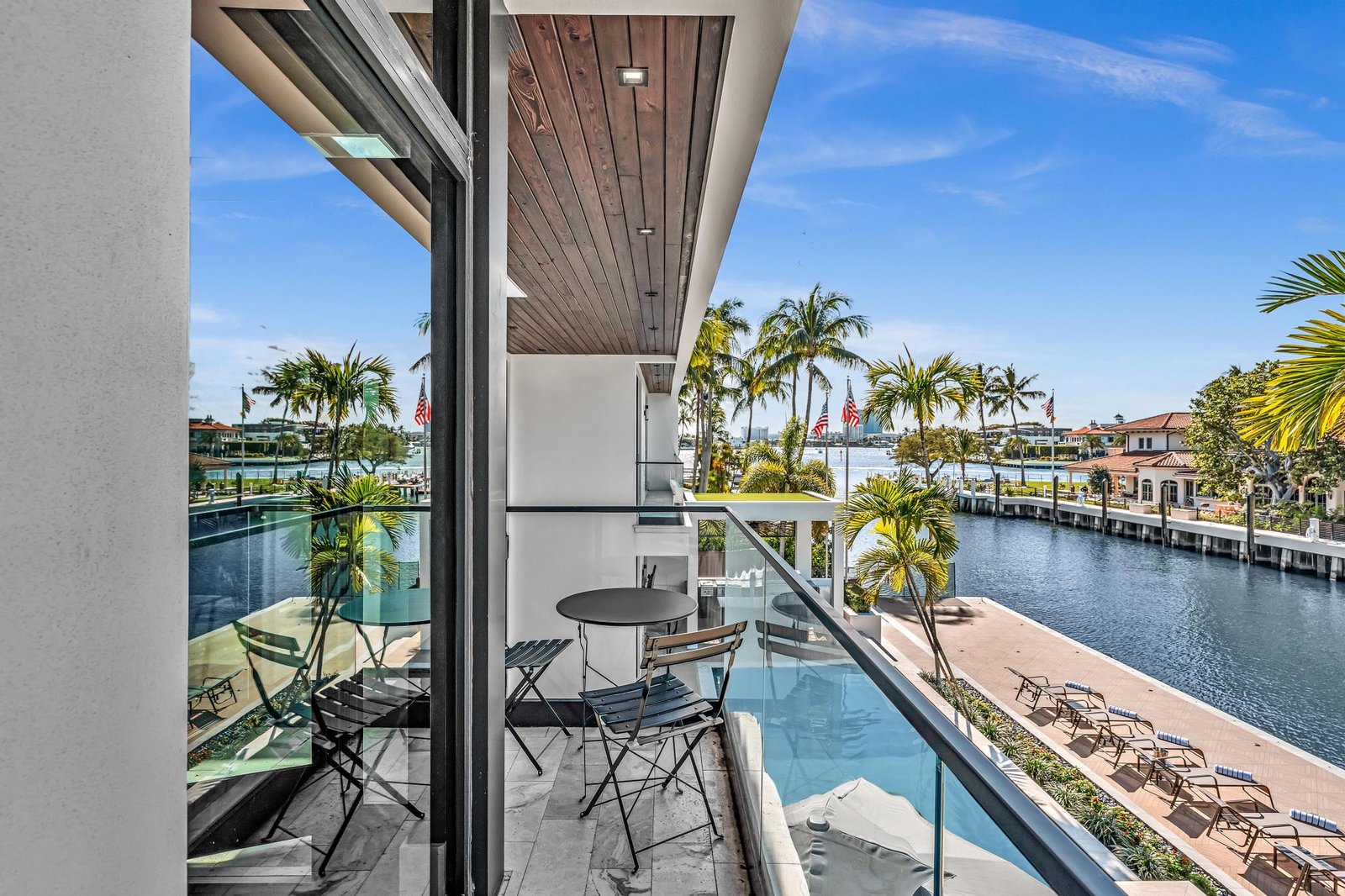
A maintained waterfront property in Miami-Dade -- not a luxury estate, just a well-kept waterfront home -- realistically requires $9,000 or more annually in maintenance spend to protect the asset's condition and market value.
Waterfront-Specific Cost Drivers
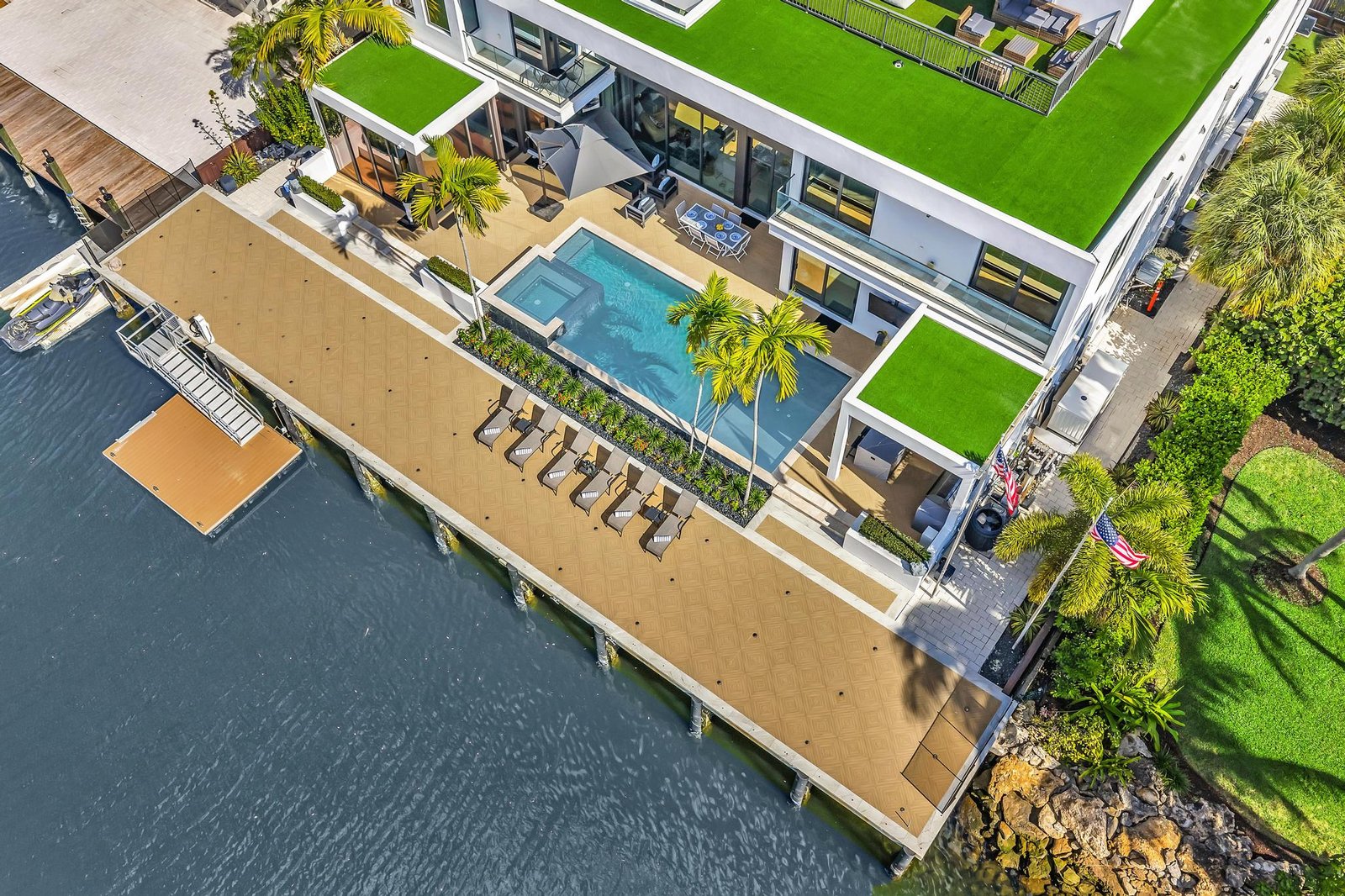
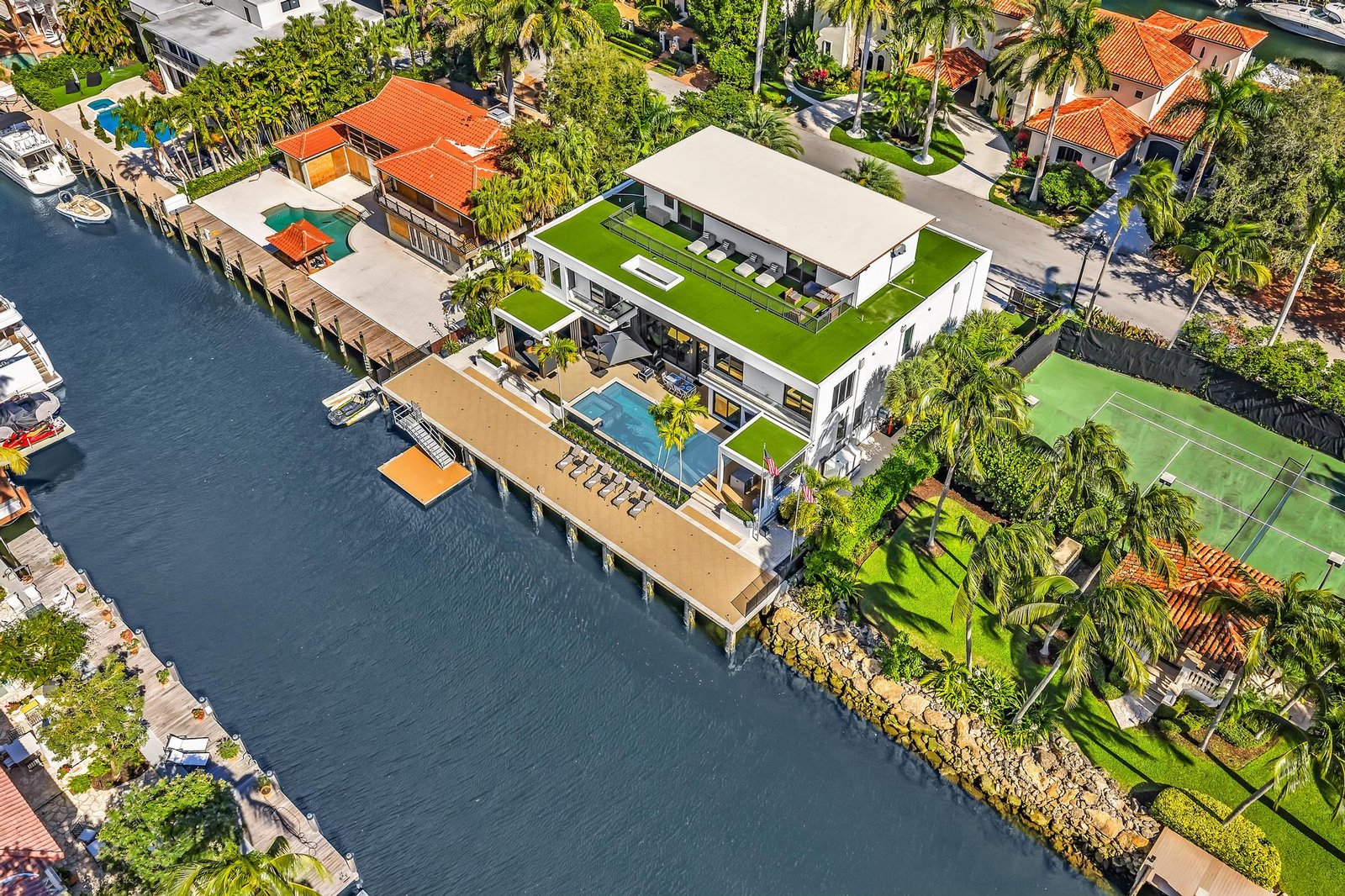
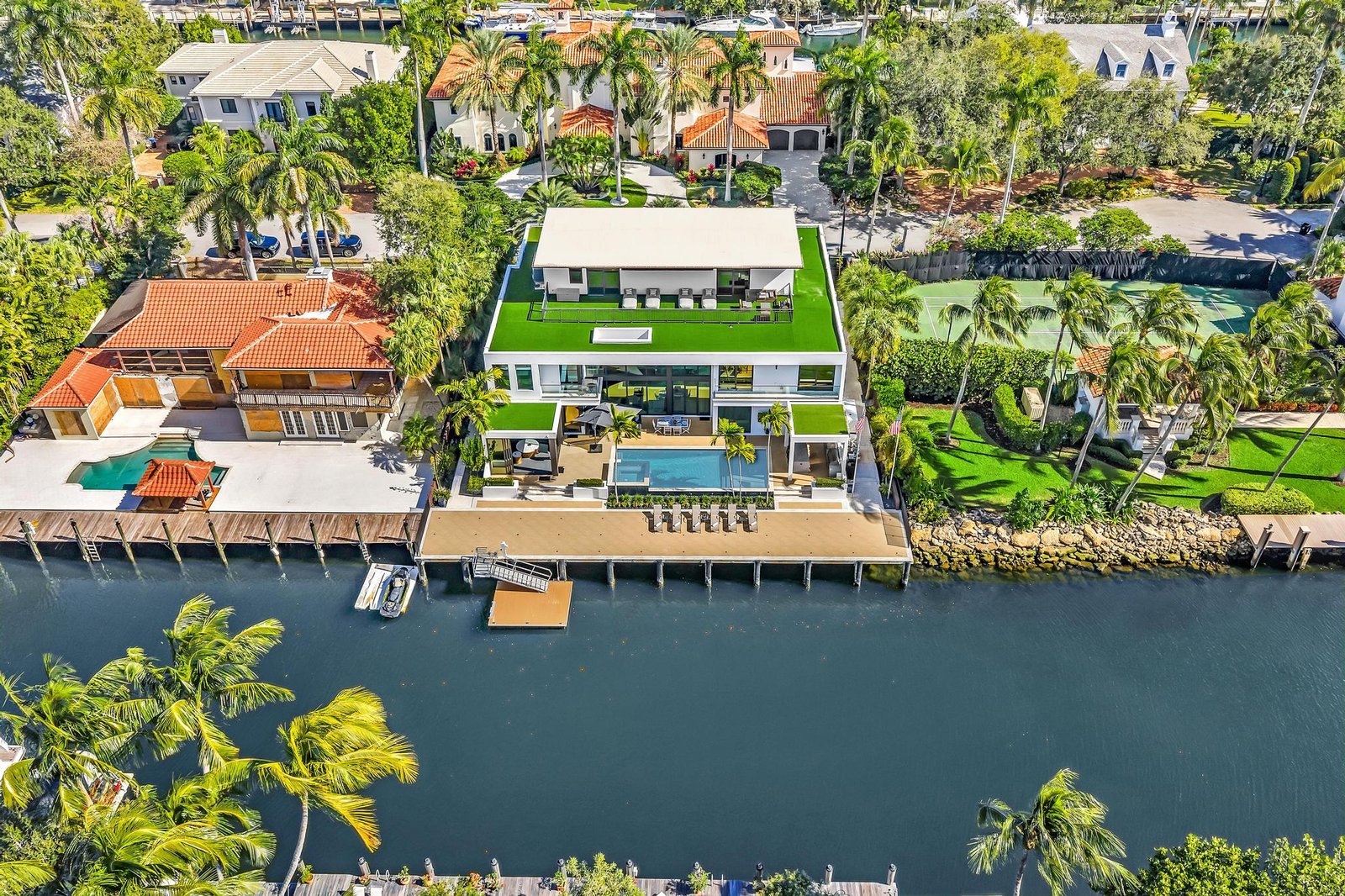
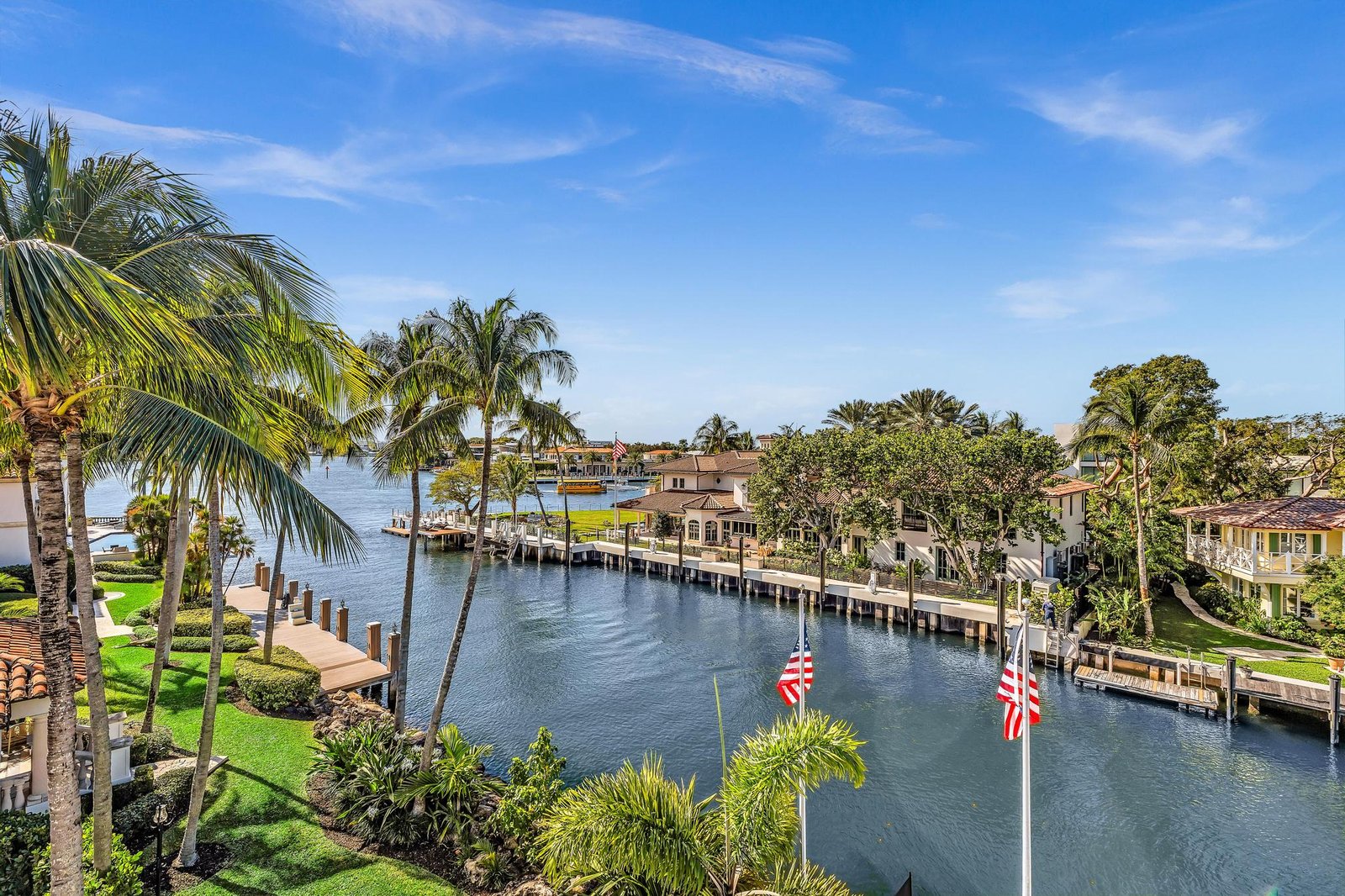
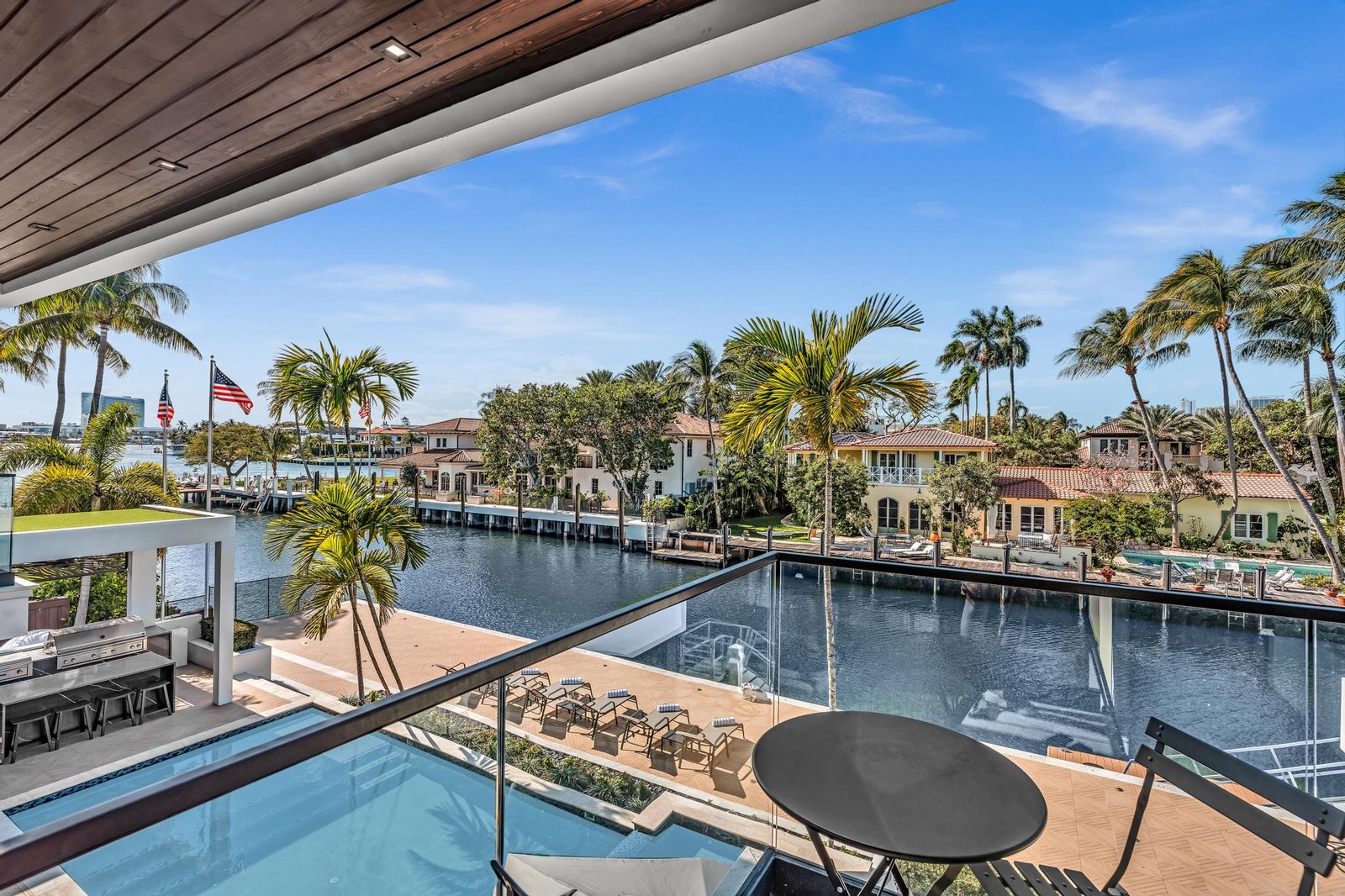
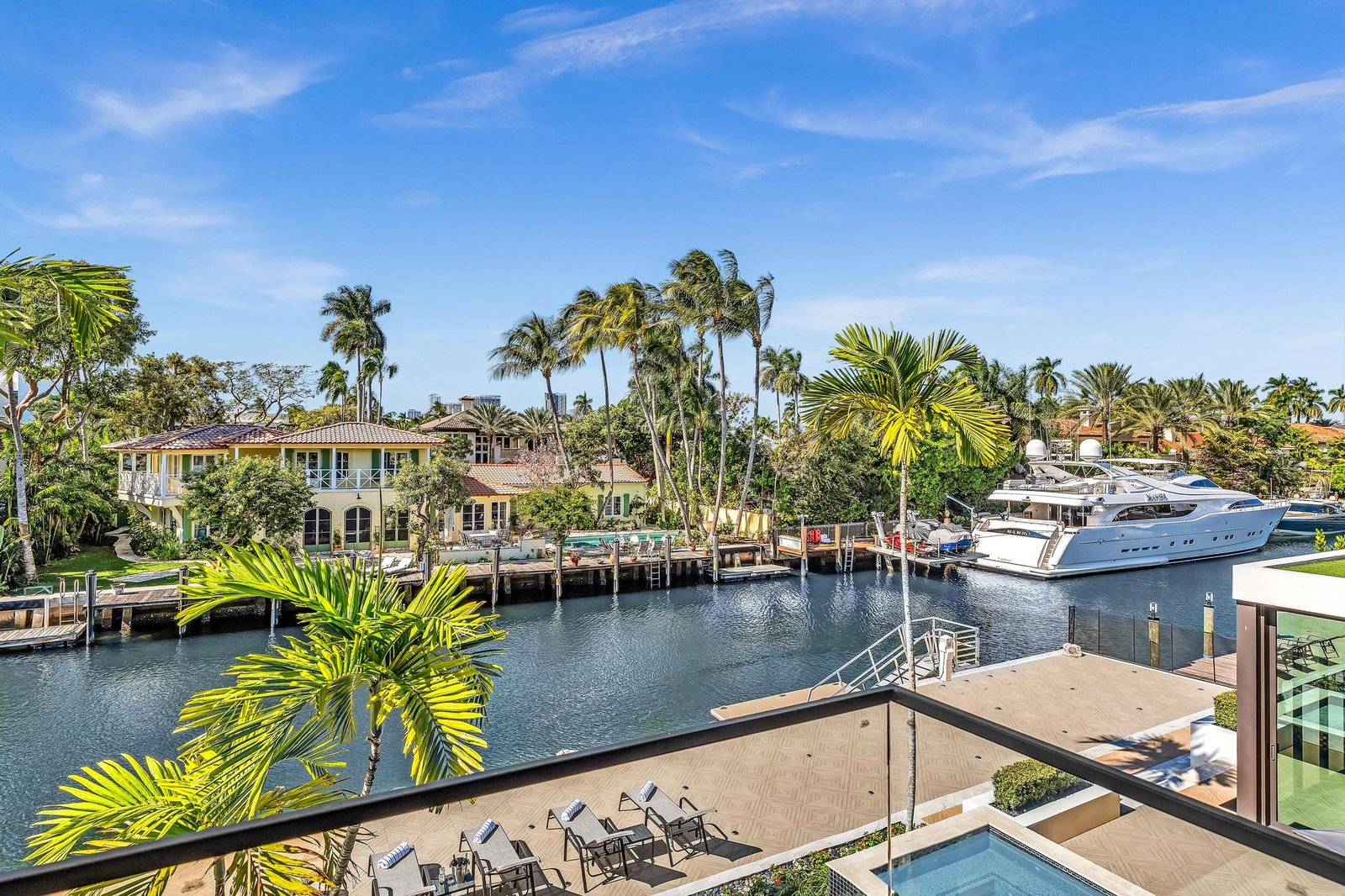
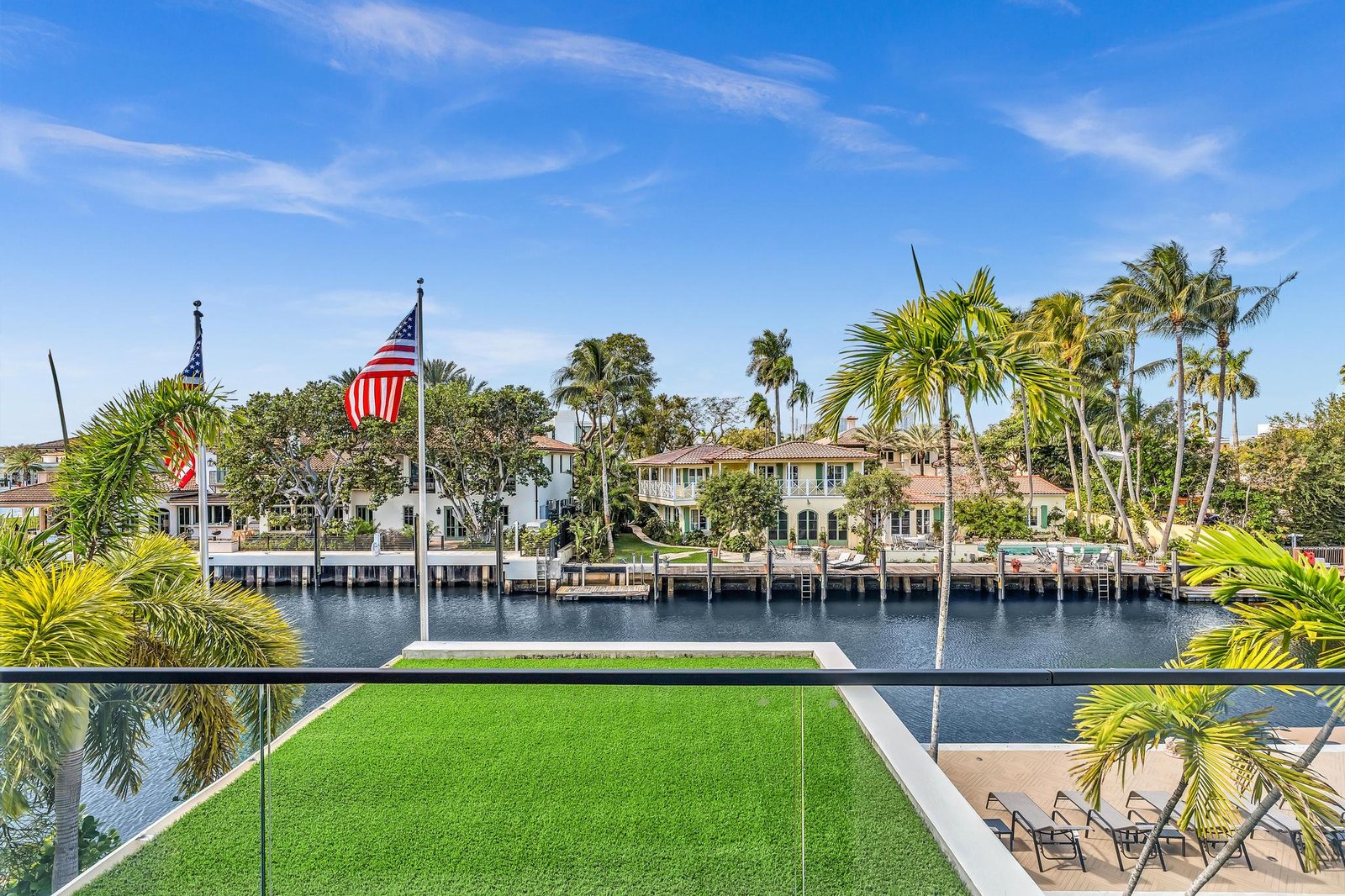
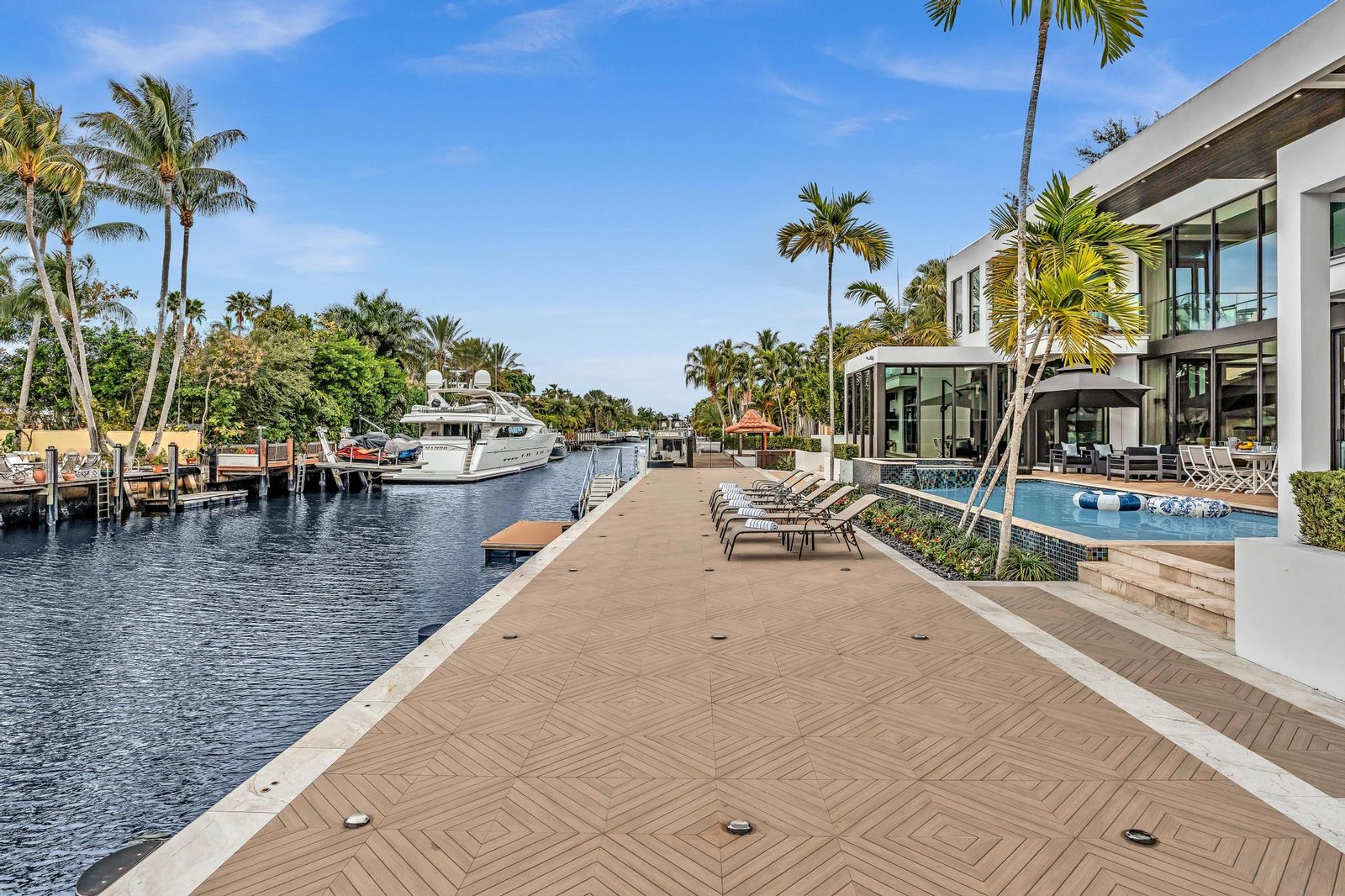
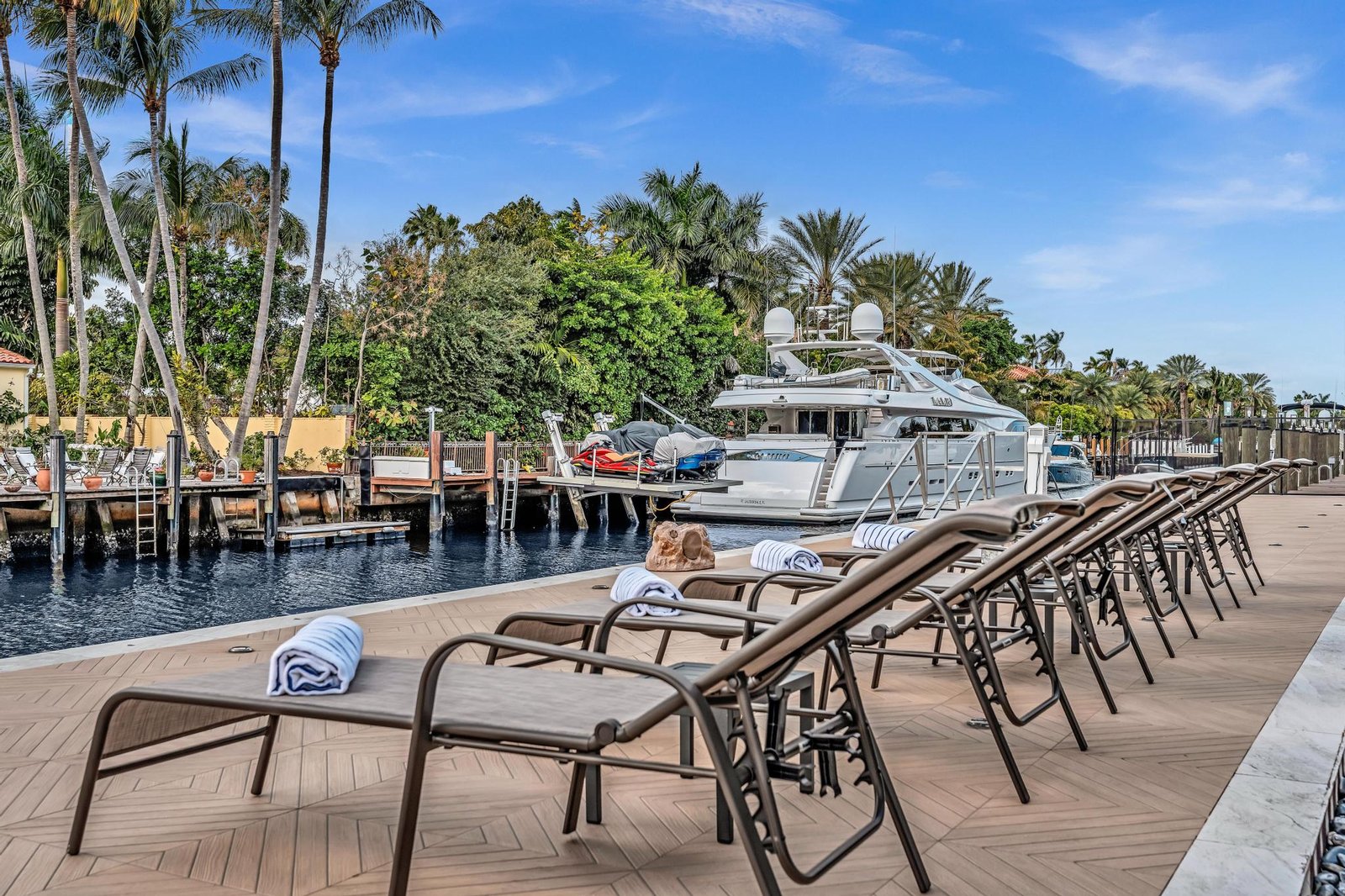
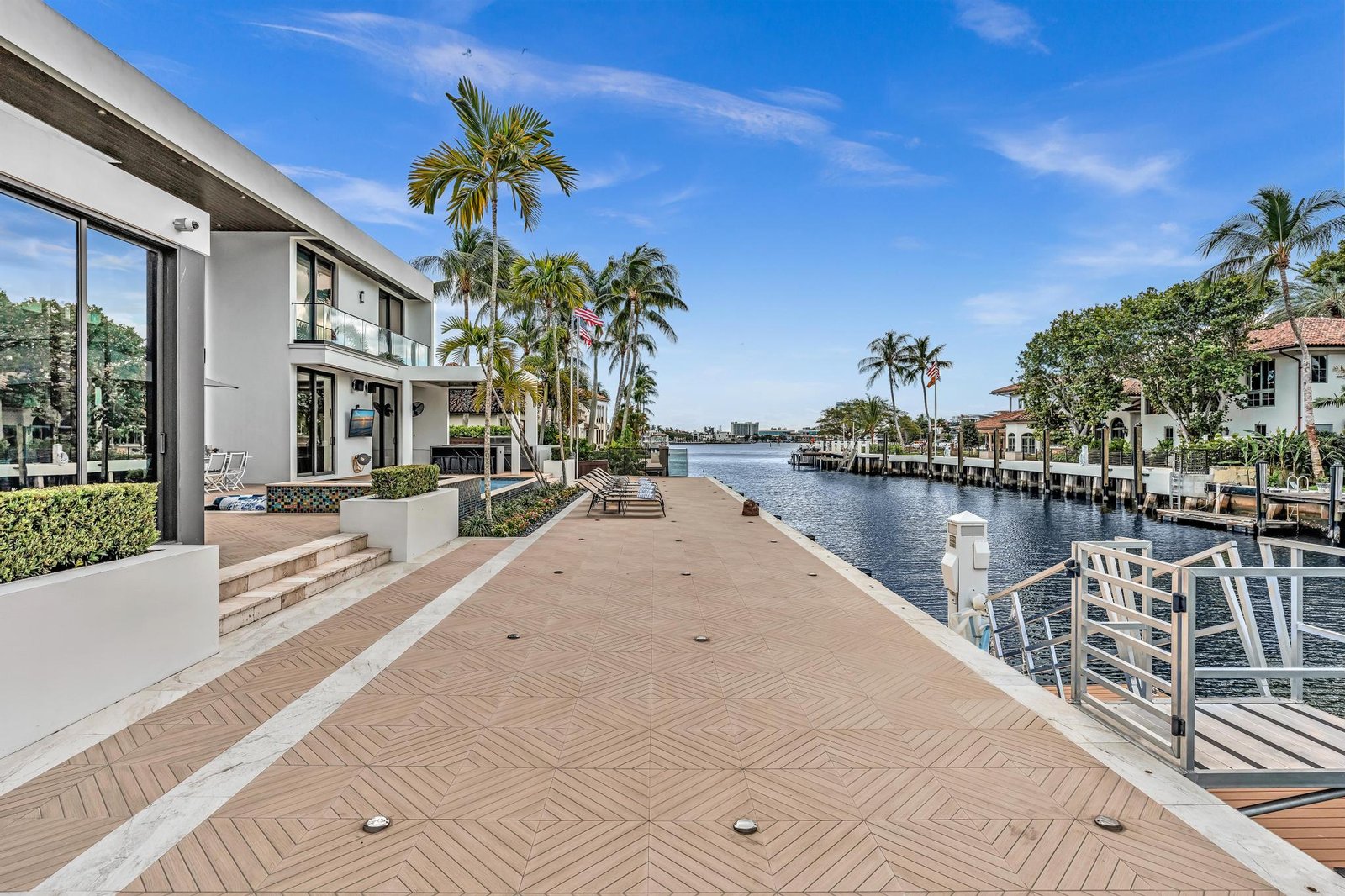
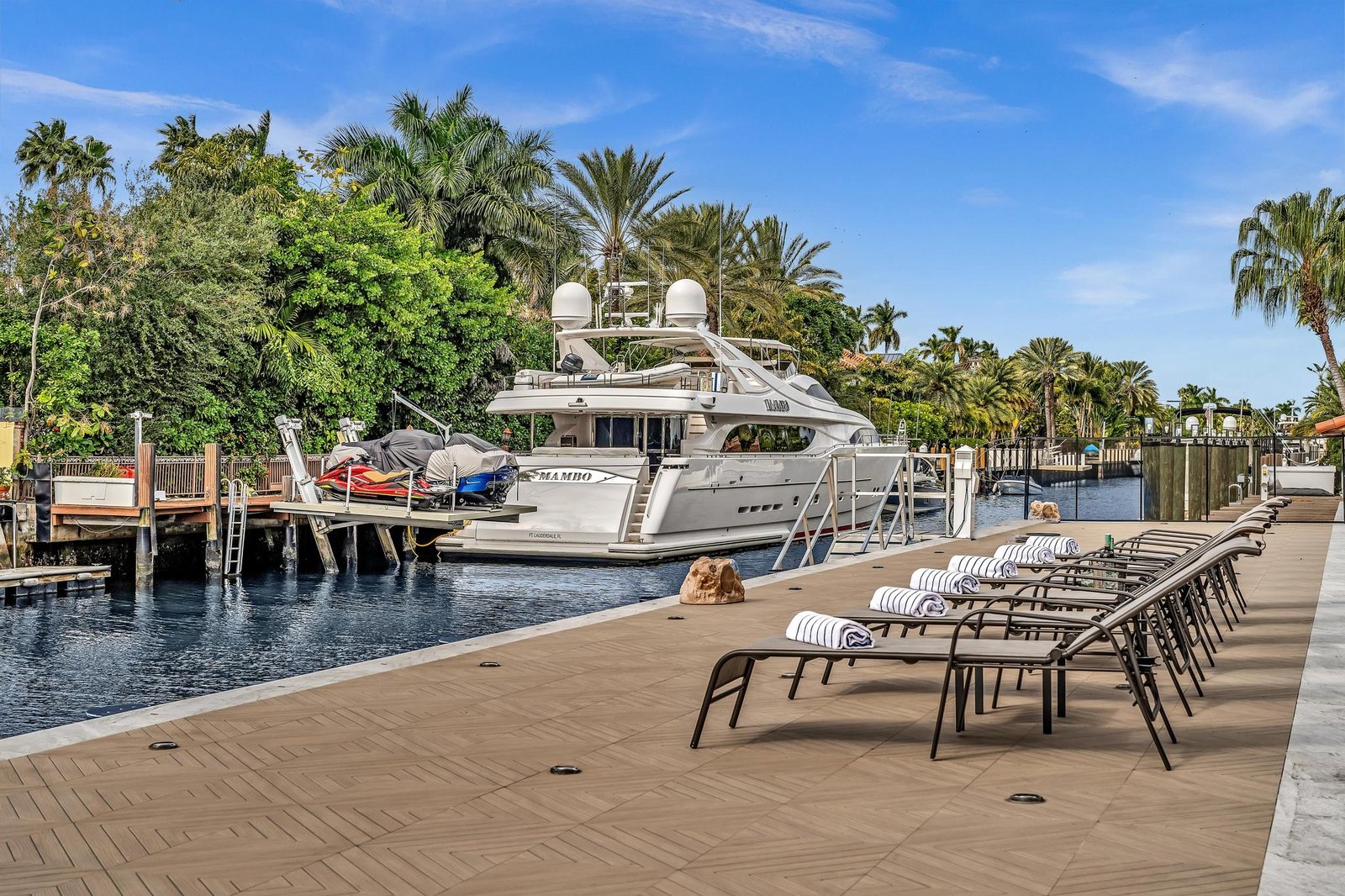
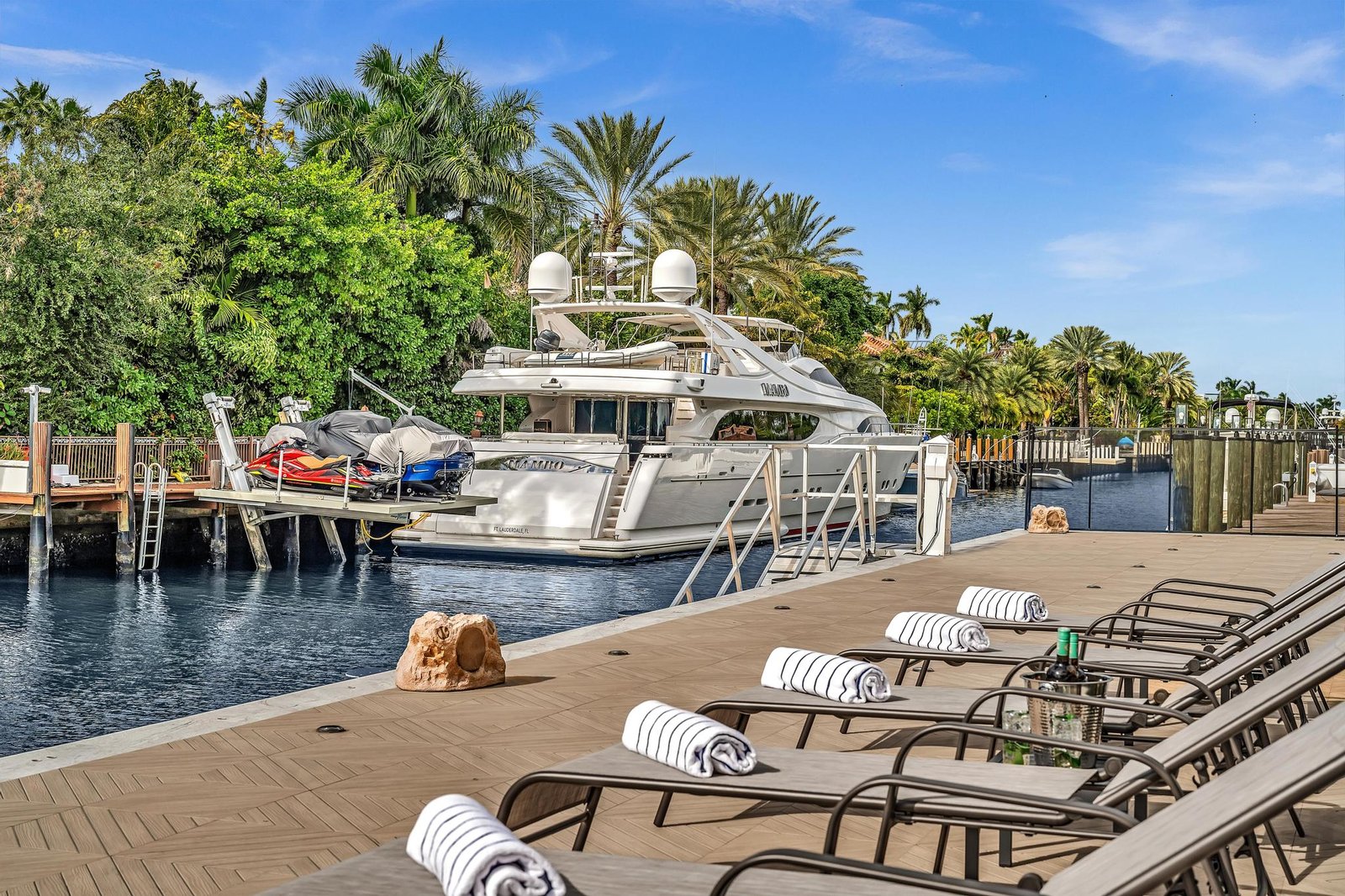
Dock and seawall maintenance is a cost that inland owners don't carry at all. Dock inspection and minor repairs run $500 to $1,500 annually for a standard residential dock. Seawall inspection costs $300 to $600. Seawall repair or partial reconstruction is a major capital expense -- $10,000 to $50,000 or more depending on length and condition. The Florida Department of Environmental Protection regulates seawall work and requires permits, which add time and cost to any significant repair.
Marine-grade finishes, impact-rated windows with salt exposure, and exterior paint formulated for coastal environments all cost more than standard materials. That premium exists for a reason -- using standard-grade materials in a waterfront environment accelerates deterioration and increases total long-term spend.
Seasonal Demand Spikes That Hit Every Owner
Two seasons drive maintenance cost spikes in Miami-Dade: hurricane prep (April through May) and snowbird arrival (October through December). During hurricane prep season, licensed shutter contractors, generator service companies, and roofing inspectors see demand surge. Pricing for the same job in May versus February can differ by 20 to 35 percent.
Snowbird season creates a different pressure. Properties that have sat lightly used through summer need to be fully guest-ready when demand picks up in late October and November. AC systems that weren't serviced in summer, pools with equipment issues, and deferred landscaping all need attention simultaneously. Owners who address these proactively in September pay standard rates. Those who wait until November, when every other owner is doing the same, pay premium rates and sometimes wait two to three weeks for service.
What Miami Property Owners Ask About Maintenance Costs
These are the questions that come up in almost every first conversation with a Miami-Dade owner. Straight answers, no hedging.
Same-Day Maintenance Dispatch →What's the difference between a maintenance contract and on-call service?
A maintenance contract covers scheduled, recurring services at a fixed or discounted rate -- typically AC servicing twice a year, monthly pool service, biweekly landscaping, and an annual shutter inspection. The contract defines exactly what's included, how often, and what the response time is for covered repairs. You pay a predictable monthly or annual fee regardless of whether repairs occur.
On-call service means you pay per incident. When something breaks, you call, and the company dispatches at standard or after-hours rates. There is no standing relationship, no priority dispatch, and no guaranteed response time. For a vacant property or one with low usage, on-call can work. For an occupied luxury rental or a property with guests, on-call means a broken AC on a Saturday night turns into a two-hour wait at emergency rates -- which in Miami summer is not an acceptable outcome.
Most owners with properties above $1.5 million in value or with active rental income should be on a maintenance contract, not on-call service. The cost difference is real but small compared to the liability of an unmanaged equipment failure during an occupied stay.
Why does same-day dispatch matter for luxury properties specifically?
A guest paying $800 to $2,500 per night for a Miami luxury property expects hotel-level response to any issue. An AC that fails at 9 p.m. on a Friday needs a technician on site within two hours, not the next business morning. A pool that turns cloudy before a weekend stay needs same-day chemical correction. These are not edge cases -- they happen regularly.
Same-day dispatch requires having vendor relationships already in place. Companies that can call a trusted HVAC tech at 8 p.m. and get a confirmed arrival time have those relationships because they maintain large enough portfolios to be prioritized. An individual owner calling the same company cold during peak summer heat will be told the next available slot is Tuesday.
The dollar cost of a single failed luxury stay -- refund, platform penalty, negative review impact on future bookings -- typically exceeds an entire year of maintenance contract fees. That is the honest case for maintaining premium vendor access.
How do maintenance costs differ for condos vs. single-family homes in Miami-Dade?
Condos in Miami-Dade transfer most structural maintenance responsibility to the HOA. Unit owners pay monthly fees that cover roof, common areas, exterior, and building systems. Inside the unit, owners are still responsible for their own HVAC air handler, interior plumbing, electrical, appliances, and finishes. That narrows the maintenance scope but does not eliminate it.
Single-family home owners carry the full stack -- roof, HVAC, pool, irrigation, landscaping, exterior, and all interior systems. The annual budget is higher and the management complexity is greater. A condo owner with a well-run HOA might spend $1,500 to $3,500 annually on unit-interior maintenance. A single-family home owner with a pool and full landscaping is typically at $5,000 minimum and often significantly more.
What does a full hurricane prep service cost for a Miami property?
A complete hurricane preparedness service from a professional property manager or contractor -- shutter inspection and operation, securing outdoor furniture and equipment, generator testing, drain clearing, and pre-storm documentation -- typically runs $400 to $900 for a standard residential property. Larger estates or properties with extensive outdoor areas, multiple structures, or complex shutter systems can run $1,200 to $2,500.
That cost is paid before a storm. The cost of not doing it properly -- storm damage from improperly secured shutters, water intrusion through an unaddressed roof penetration, or an insurance claim denied because pre-storm documentation is missing -- is orders of magnitude higher. Miami-Dade County publishes storm preparation resources through its Office of Emergency Management that outline minimum preparation standards for residential properties.
Should I budget differently for a property that's rented short-term vs. long-term?
Yes. Short-term rentals accumulate wear significantly faster than long-term occupied properties. High guest turnover means HVAC filters need replacement every four to six weeks instead of quarterly. Pool chemical demand increases with frequent use by multiple rotating guests. Appliances, door hardware, and plumbing fixtures wear faster. Landscaping may need more frequent service to maintain curb appeal between bookings.
A reasonable rule of thumb: budget 20 to 30 percent more annually for a short-term rental than a comparable long-term rental. The revenue premium from short-term rental usually justifies this, but owners who budget for long-term maintenance intensity on a short-term property will find themselves behind on upkeep within the first year.
How do I know if my maintenance vendor is overcharging me?
The clearest signal is being billed at retail on every service with no volume relationship. If your HVAC vendor charges you the same rate for a service call that they charge a first-time customer who found them on a search engine, you have no managed relationship -- you have a transactional one. A management company with vendor contracts negotiates standardized pricing across their portfolio, and that savings passes to owners.
The second signal is after-hours markup on work that could have been scheduled. Good preventive maintenance schedules almost eliminate emergency after-hours calls. If you're paying emergency rates multiple times per year on the same property, the maintenance plan is not working. Track it: note every repair, the cost, and whether it was preventive or reactive. After 12 months, the ratio tells you whether your current approach is worth keeping.
Want a Realistic Maintenance Budget for Your Miami Property?
The first step is a direct conversation about your property type, location, and current vendor setup. We'll tell you what a realistic annual budget looks like for your specific situation and where your current spend is likely out of line.
- Assess waterfront vs. inland maintenance exposure for your address
- Identify AC, pool, and shutter gaps before hurricane season
- Build a seasonal maintenance calendar that avoids peak-pricing windows
- Connect you with vetted Miami-Dade vendors in our existing network
Managing Multiple Miami-Dade Properties?
Portfolio owners get consolidated maintenance tracking, unified vendor relationships, and cross-property scheduling that eliminates the coordination overhead of managing each property separately. The larger the portfolio, the more the vendor access matters.
- Centralized maintenance records and repair history per property
- Priority dispatch across all managed units simultaneously
- Pre-season bulk scheduling to avoid demand-spike pricing
More Resources for Miami-Dade Property Owners
Whether you're building a maintenance budget for the first time or auditing an existing one, these guides cover the decisions that affect cost and asset protection in South Florida.