
Section 8 Real Estate Investing in South Florida.
3L Management Group breaks down how the Housing Choice Voucher program actually works in South Florida -- covering county-by-county inspection timelines, guaranteed rent mechanics, and which asset classes make sense for Section 8. Local expertise. 10+ years in the market.
Section 8 Investing in South Florida: The Real Process
The Housing Choice Voucher program -- commonly called Section 8 -- is administered locally in South Florida by three separate housing authorities: Miami-Dade Public Housing and Community Development, the Housing Authority of Broward County, and the Palm Beach County Housing Authority. Each has its own landlord registration process, inspection standards, and payment timelines. What works in one county does not automatically transfer to another.
How the Voucher System Actually Works
A tenant with a Housing Choice Voucher pays a portion of the rent directly to you. The housing authority pays the remainder -- called the Housing Assistance Payment (HAP) -- via direct deposit, typically on the first business day of each month. The split depends on the tenant's income relative to the area median and the payment standard set by the local housing authority.
The landlord does not collect both payments from a single source. You receive two separate payments: one from the tenant, one from the agency. If the tenant stops paying their share, you still have exposure. That distinction matters more than most investors realize going in. For a deeper look at how this fits into a South Florida portfolio strategy, our South Florida real estate consulting and investment strategy work covers these scenarios in detail.
Miami-Dade County Process
Miami-Dade Public Housing administers one of the largest voucher programs in Florida. Landlord registration requires a completed landlord packet, a W-9, and proof of ownership. After a tenant with a voucher selects your unit, the agency schedules a Housing Quality Standards (HQS) inspection. In Miami-Dade, that inspection appointment typically comes within 10 to 21 business days of the request, though wait times have stretched longer during high-volume periods.
Broward County Process
The Housing Authority of Broward County follows the same federal HQS framework but manages its own inspection queue. First-time inspections in Broward generally take 2 to 4 weeks to schedule from the date the Request for Tenancy Approval (RFTA) is submitted. Failed inspections require a re-inspection, adding another 1 to 2 weeks. Budget 30 to 60 days from RFTA submission to your first HAP payment in a best-case scenario.
Palm Beach County Process
Palm Beach County Housing Authority covers a geographically large service area and has a waitlist for vouchers that has historically been closed for years at a time. As a landlord, your entry point is accepting a tenant who already holds a voucher. The RFTA and inspection process mirrors the federal model, and Palm Beach County has added its own landlord incentive programs periodically -- worth confirming directly with the agency at any given time.
HQS Inspection: What Gets Flagged
Federal Housing Quality Standards cover 13 performance areas: sanitary facilities, food preparation, space and security, thermal environment, illumination and electricity, structure and materials, interior air quality, water supply, lead-based paint, access, site and neighborhood, sanitary conditions, and smoke detectors. Inspectors will flag missing GFCI outlets near water sources, inoperable windows that serve as emergency egress, water heater temperature-pressure relief valves without proper discharge pipes, and evidence of pest infestation. These are the most common fail points in South Florida units.
How Long Does Full Approval Actually Take?
From the moment a voucher-holding tenant finds your unit to the date you receive your first HAP payment: expect 45 to 90 days in Miami-Dade and Broward under normal operating conditions. Palm Beach County timelines are comparable. That window includes RFTA submission, inspection scheduling, any failed-inspection corrections, HAP contract execution, and payment processing. Plan for 60 days of carrying costs with no rent income before the program kicks in. Investors who don't model that gap correctly often get frustrated with Section 8 before the program has a fair chance to stabilize.
2026 South Florida Rental Investment Guide →Guaranteed Payments vs. Market-Rate Rent: What the Numbers Mean
The HAP payment from the housing authority does not bounce. That reliability has real value in a market where evictions are time-consuming and costly. Florida's eviction process, even for nonpayment, takes 3 to 5 weeks minimum with no contested filings -- longer if the tenant responds. Guaranteed government payment eliminates the most common trigger for that process.
However, Section 8 rents are tied to the payment standard set by the local housing authority, which is calculated as a percentage of the area's Fair Market Rent (FMR) as determined annually by HUD. In South Florida, payment standards in recent years have tracked below actual market rents in competitive neighborhoods. That gap is the core trade-off.
A two-bedroom unit in parts of Miami-Dade or Broward might command $2,200 to $2,600 per month on the open market. The payment standard for a comparable unit in the same area may sit at $1,900 to $2,100. You can sometimes negotiate above the payment standard if your unit passes a rent reasonableness test, but there are limits to how far that flexibility extends.
The net result: Section 8 cash flow tends to be more predictable but often slightly lower than peak market-rate performance. For investors who prioritize stability and long average tenancy over maximum gross rent, that trade-off works. For investors chasing top-of-market rents in appreciating neighborhoods, it usually doesn't.
You can verify current payment standards directly through HUD's website and cross-reference local FMR data by county before running your numbers.
Which Properties Work for Section 8 -- and Which Don't
Section 8 is not a universal strategy. The asset class, neighborhood, and your financial goals all determine whether it's the right approach or the wrong one for a specific property.
From RFTA submission to first HAP payment in Miami-Dade and Broward under normal conditions. Model this gap before committing to a Section 8 strategy.
Federal Housing Quality Standards inspect 13 categories. South Florida units most often fail on GFCI outlets, egress windows, and water heater discharge pipes. Know them before inspection day.
Miami-Dade, Broward, and Palm Beach each run independent programs with separate payment standards, inspection queues, and landlord requirements. One strategy does not fit all three counties.
Where Section 8 Makes Sense
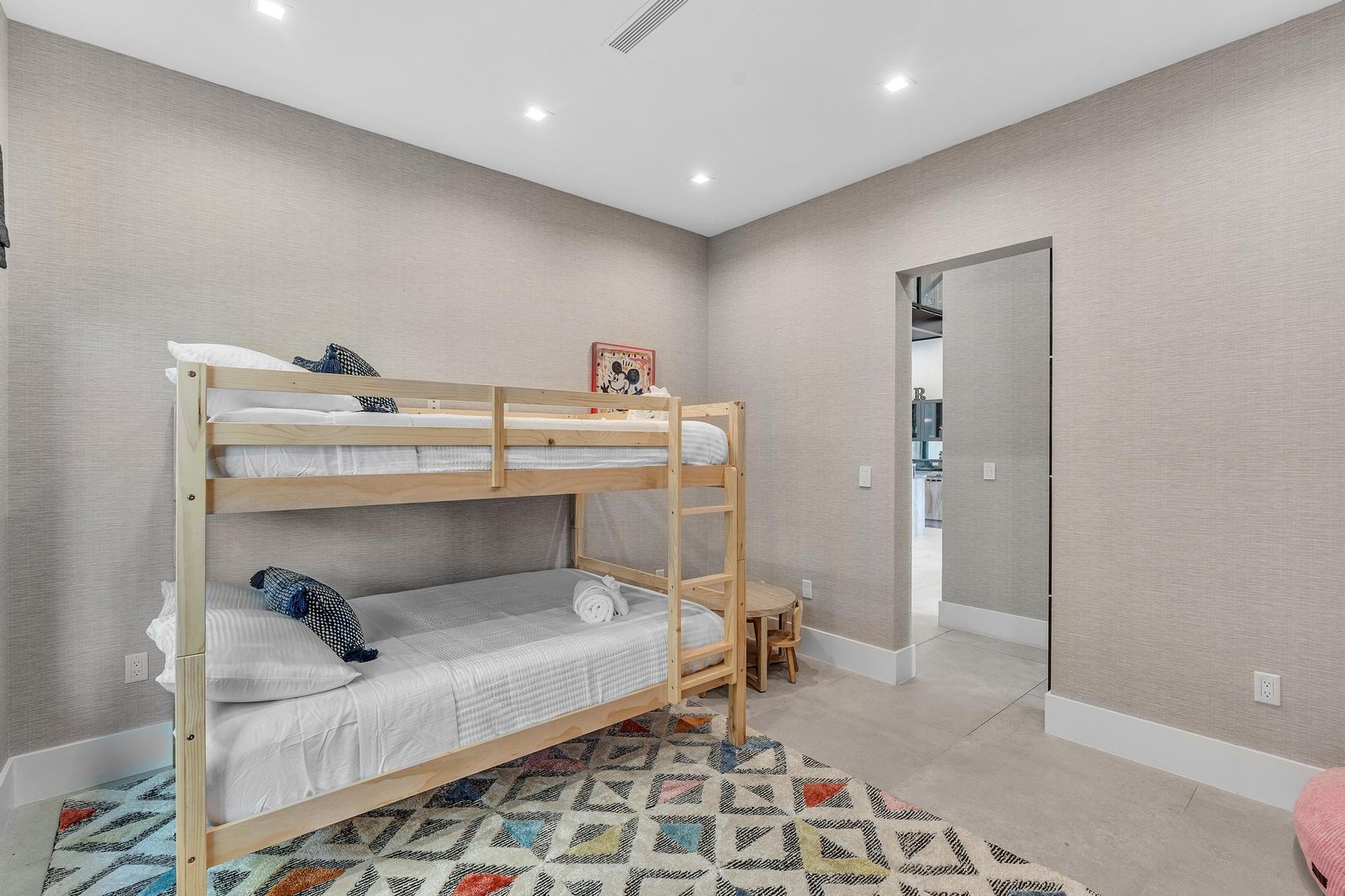
Section 8 performs best on workforce housing in moderate-demand corridors. Think two- and three-bedroom single-family homes or small multifamily in areas like parts of North Miami, Opa-locka, Lauderhill, Margate, or western Boynton Beach -- neighborhoods where market rents and HUD payment standards are close enough that the income gap is small but the tenant stability benefit is significant.
Older concrete block construction from the 1960s through 1980s tends to pass HQS inspections without expensive retrofits because the basics -- solid structure, adequate ventilation, working systems -- are typically in place. Properties with deferred cosmetic issues but sound bones are often good Section 8 candidates.
Long tenancy is another advantage worth quantifying. Section 8 tenants who find a stable unit and pass their annual recertification frequently stay 4 to 7 years or longer. Turnover costs in South Florida -- cleaning, repainting, minor repairs, leasing fees -- can easily run $3,000 to $6,000 per vacancy event. Fewer turnovers matter.
Where Section 8 Creates Problems
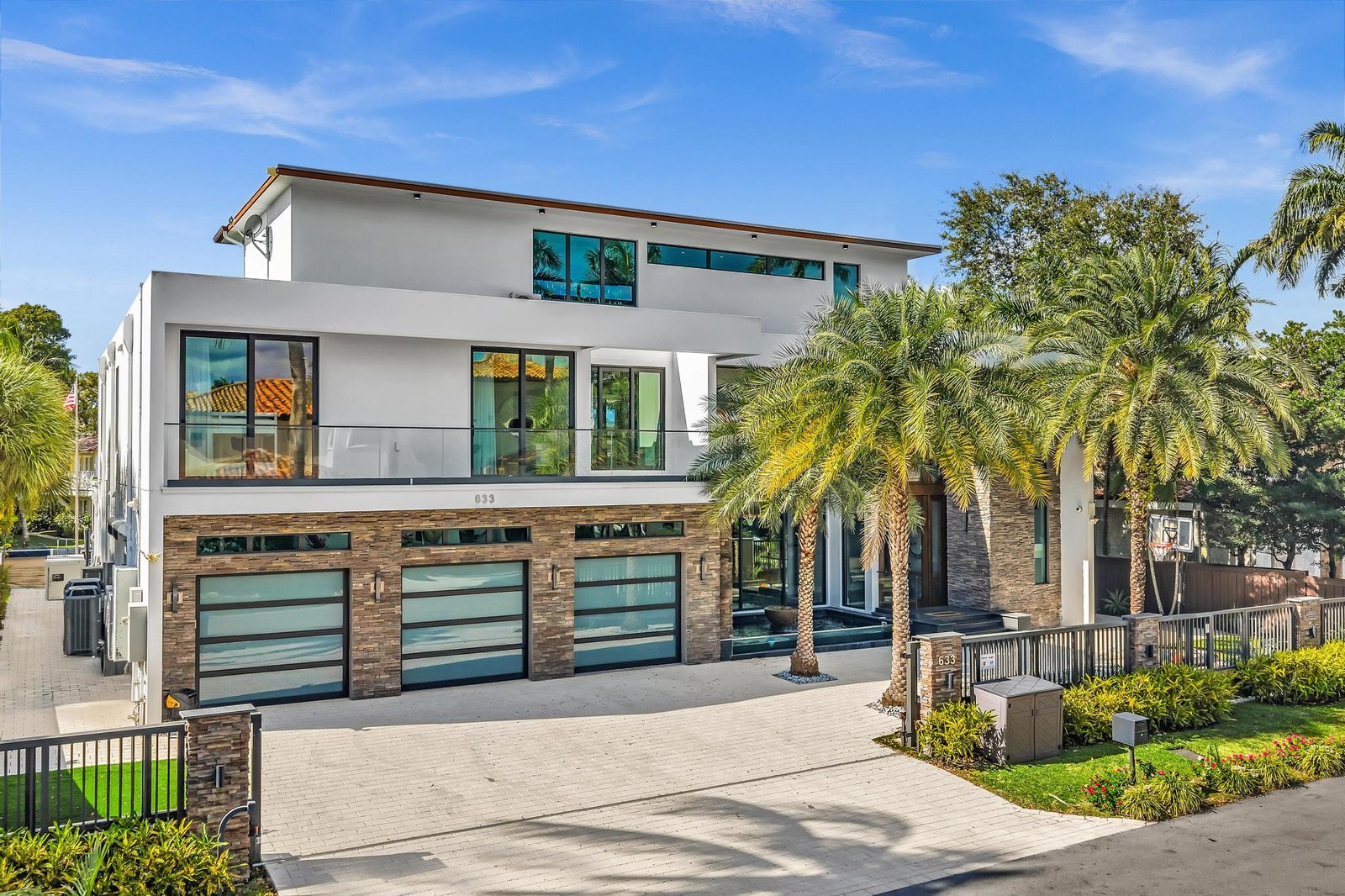
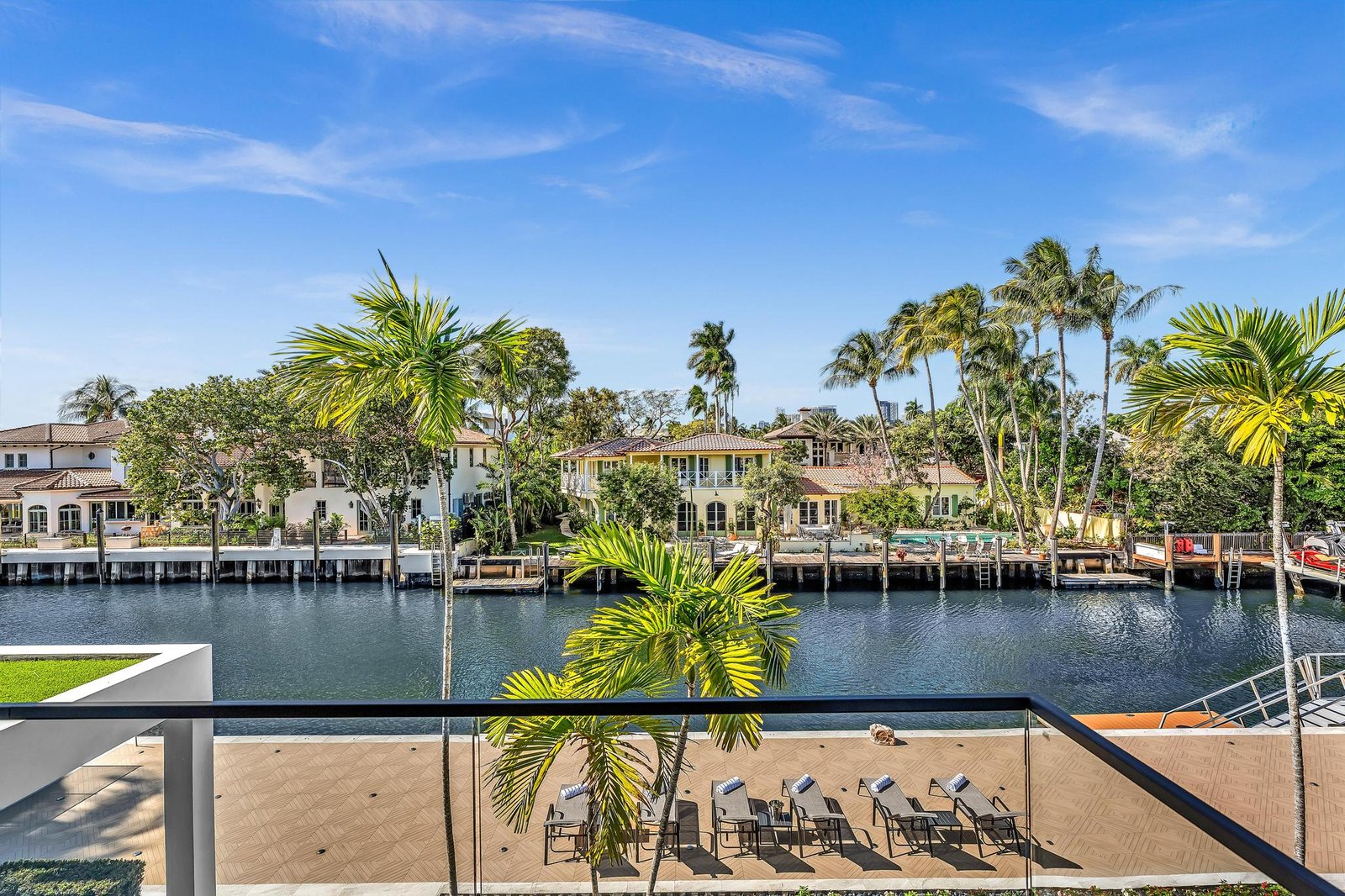
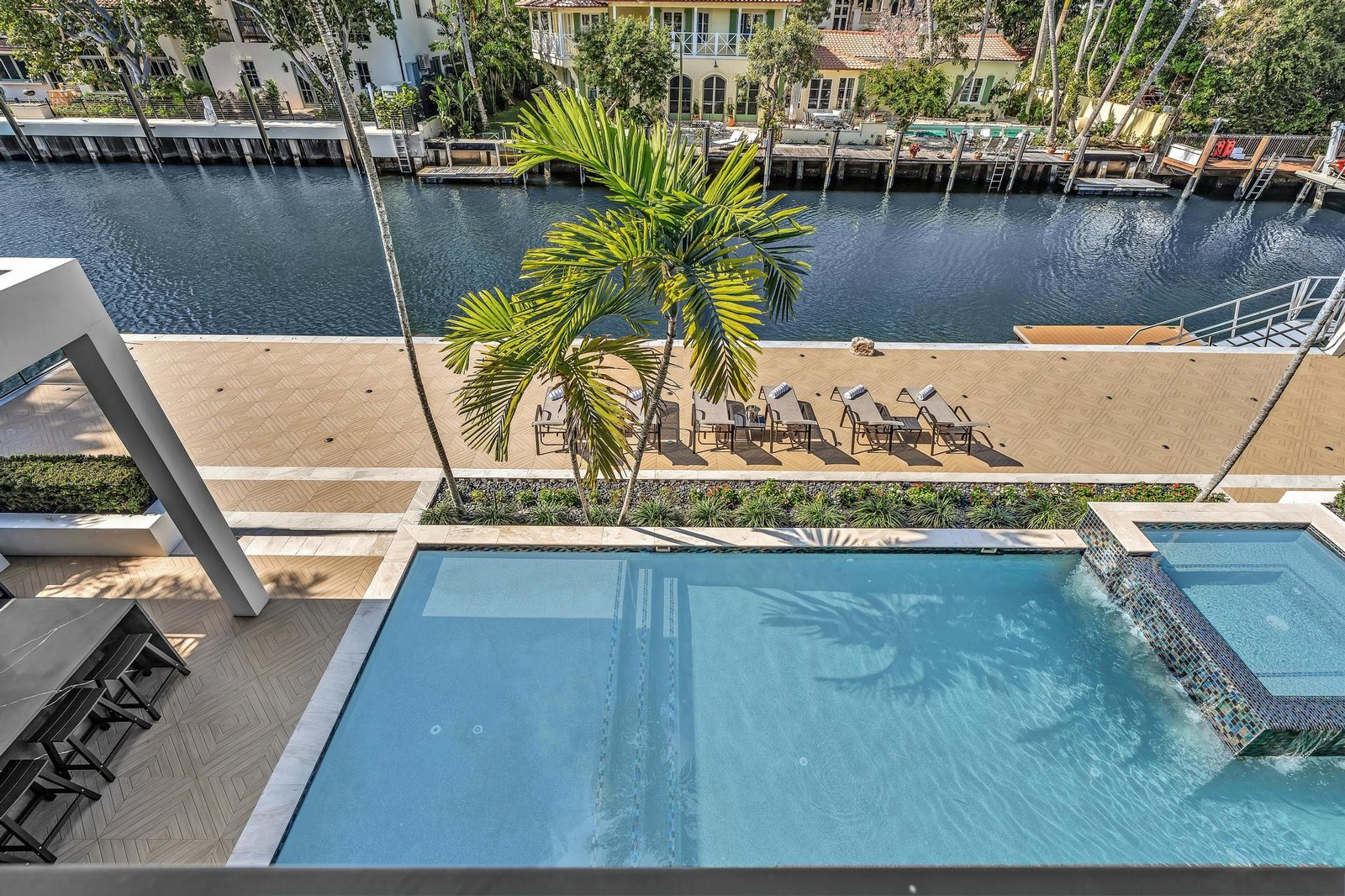
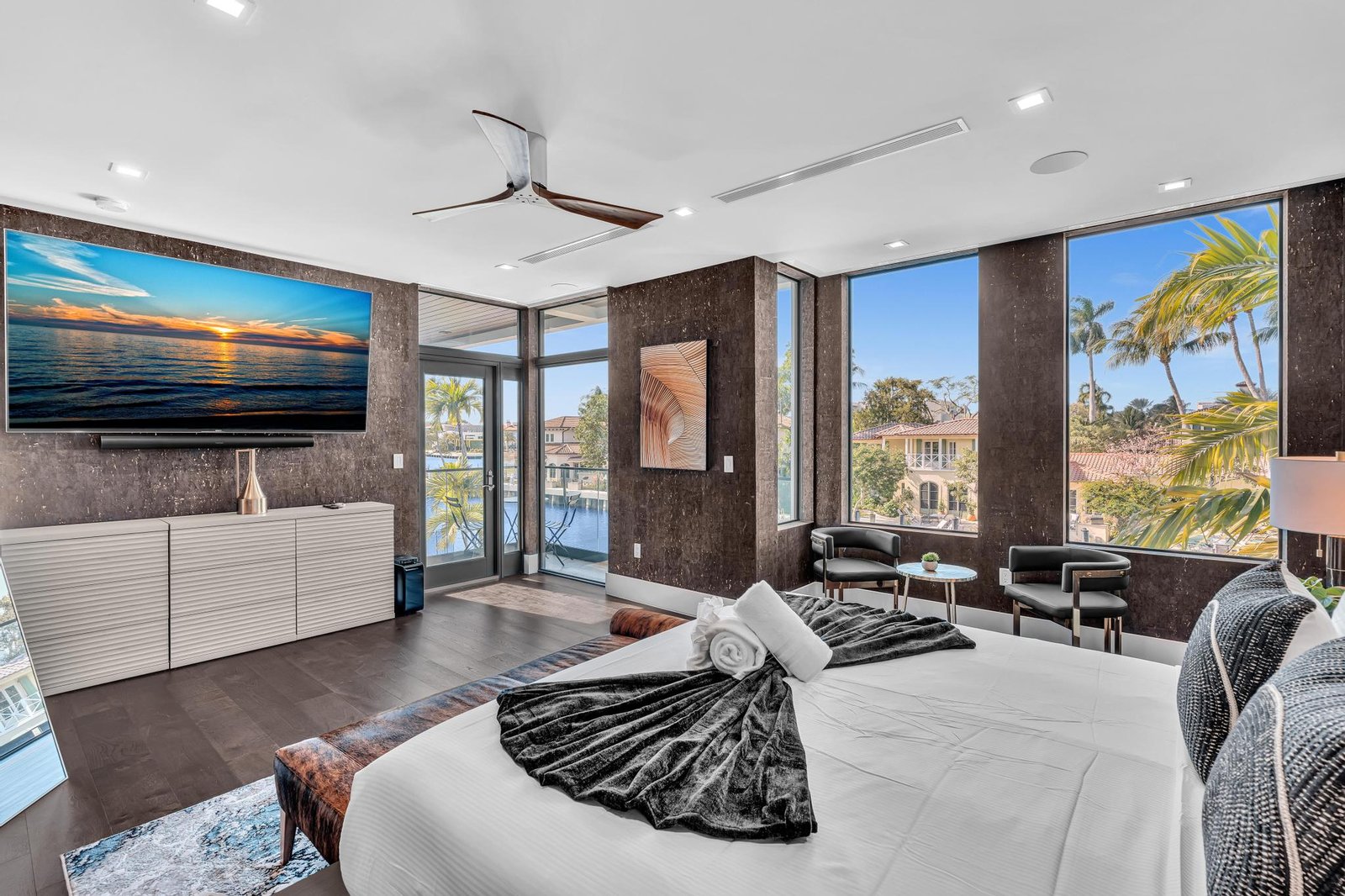
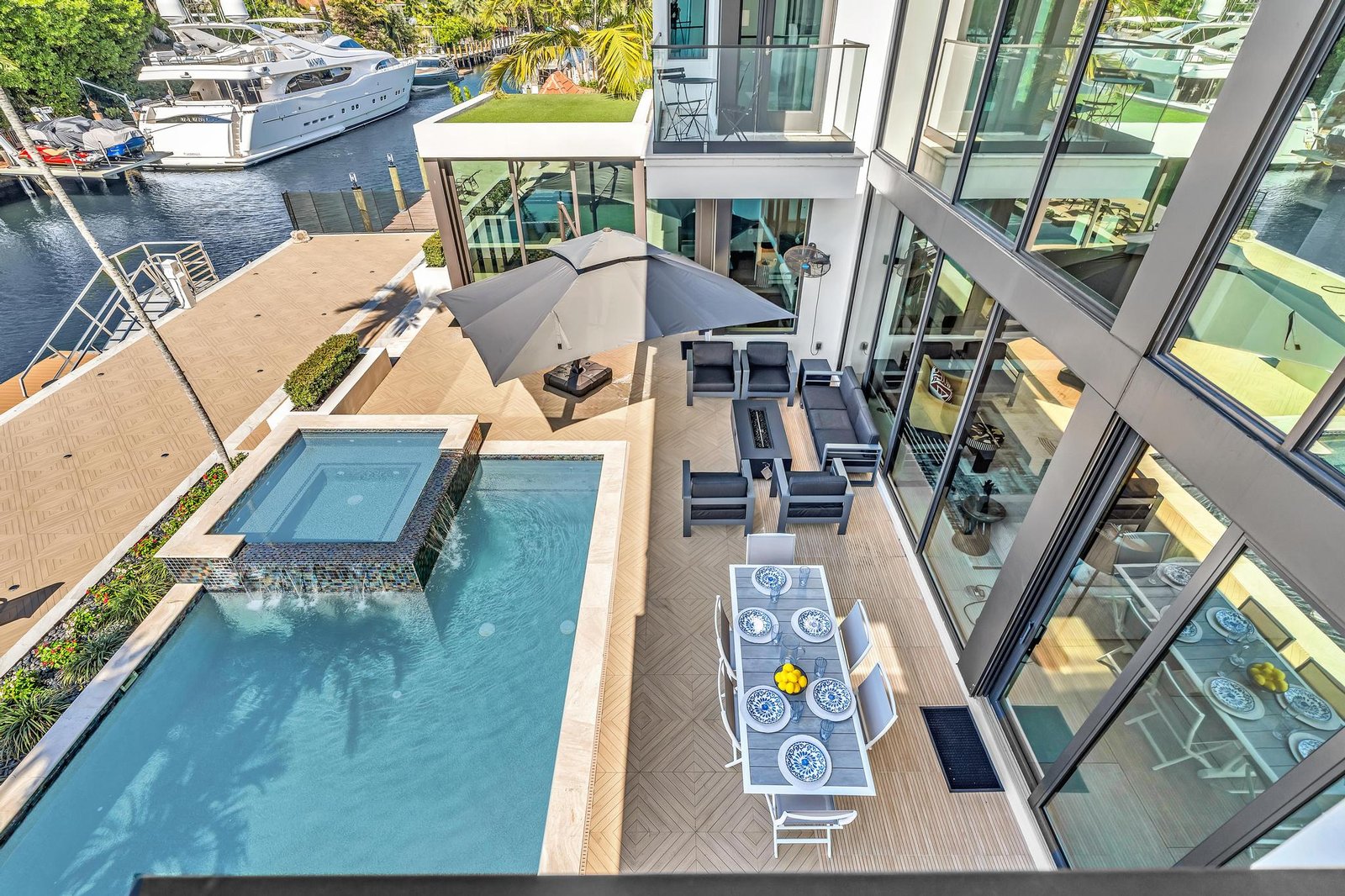
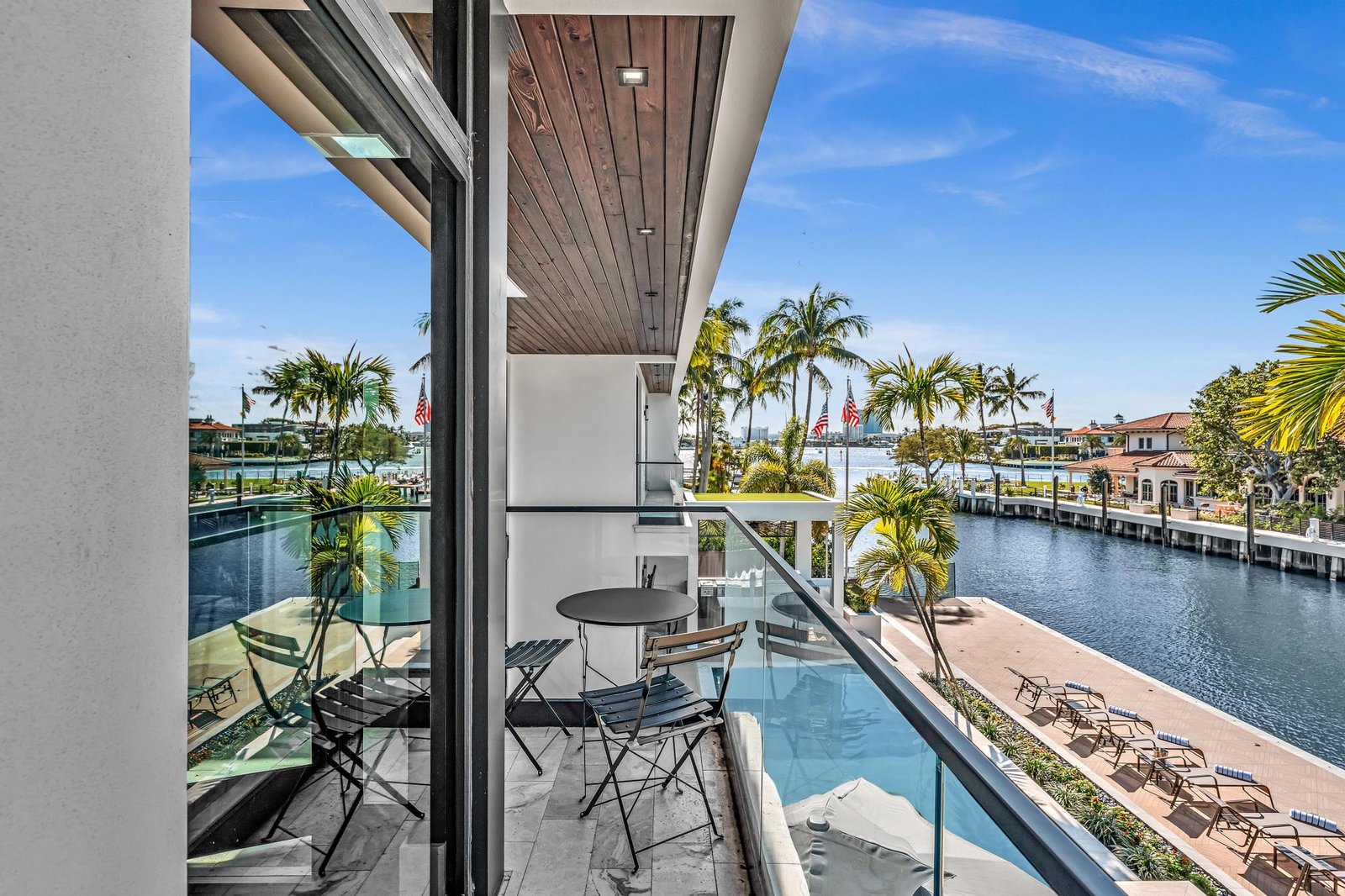
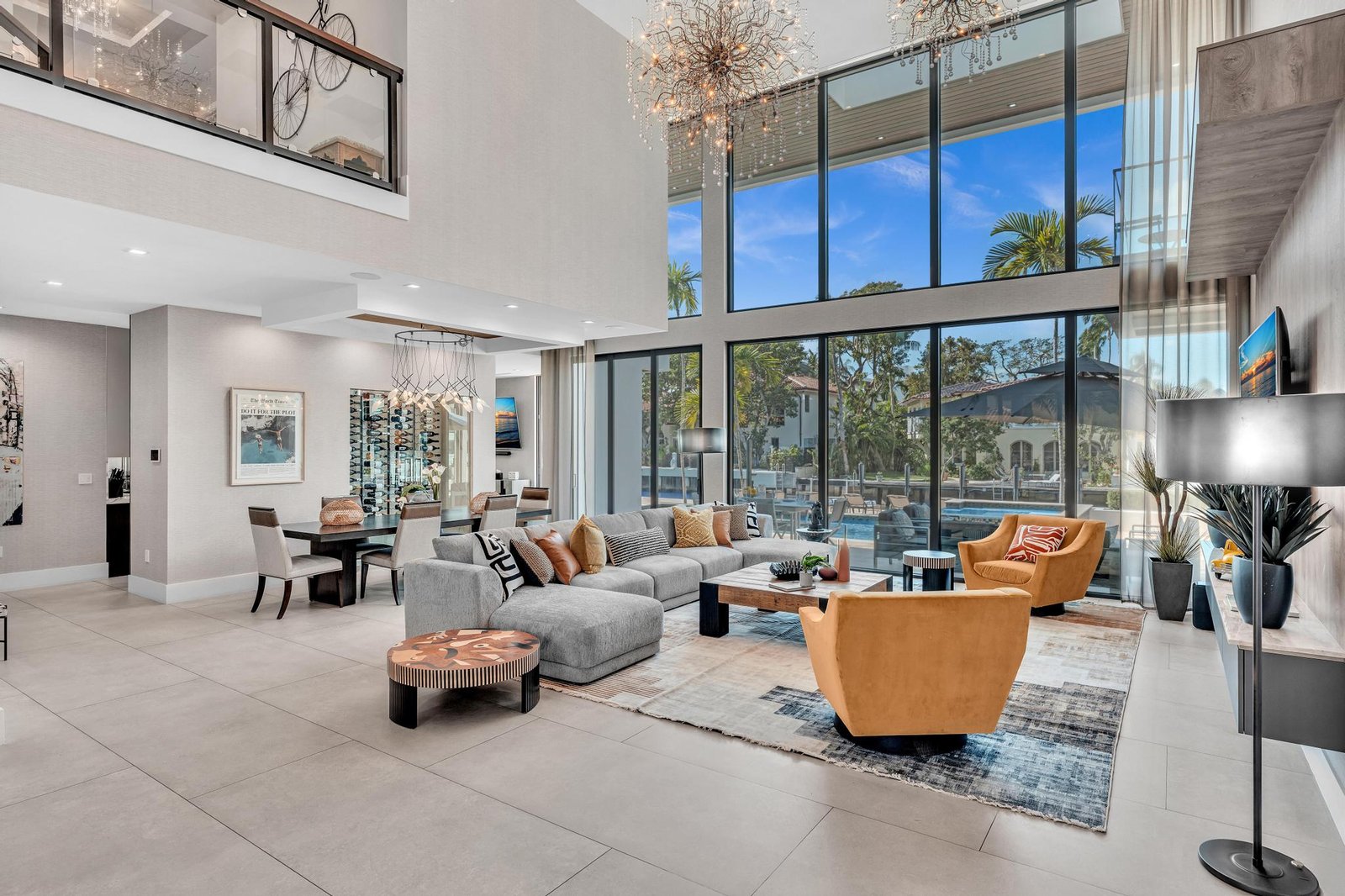
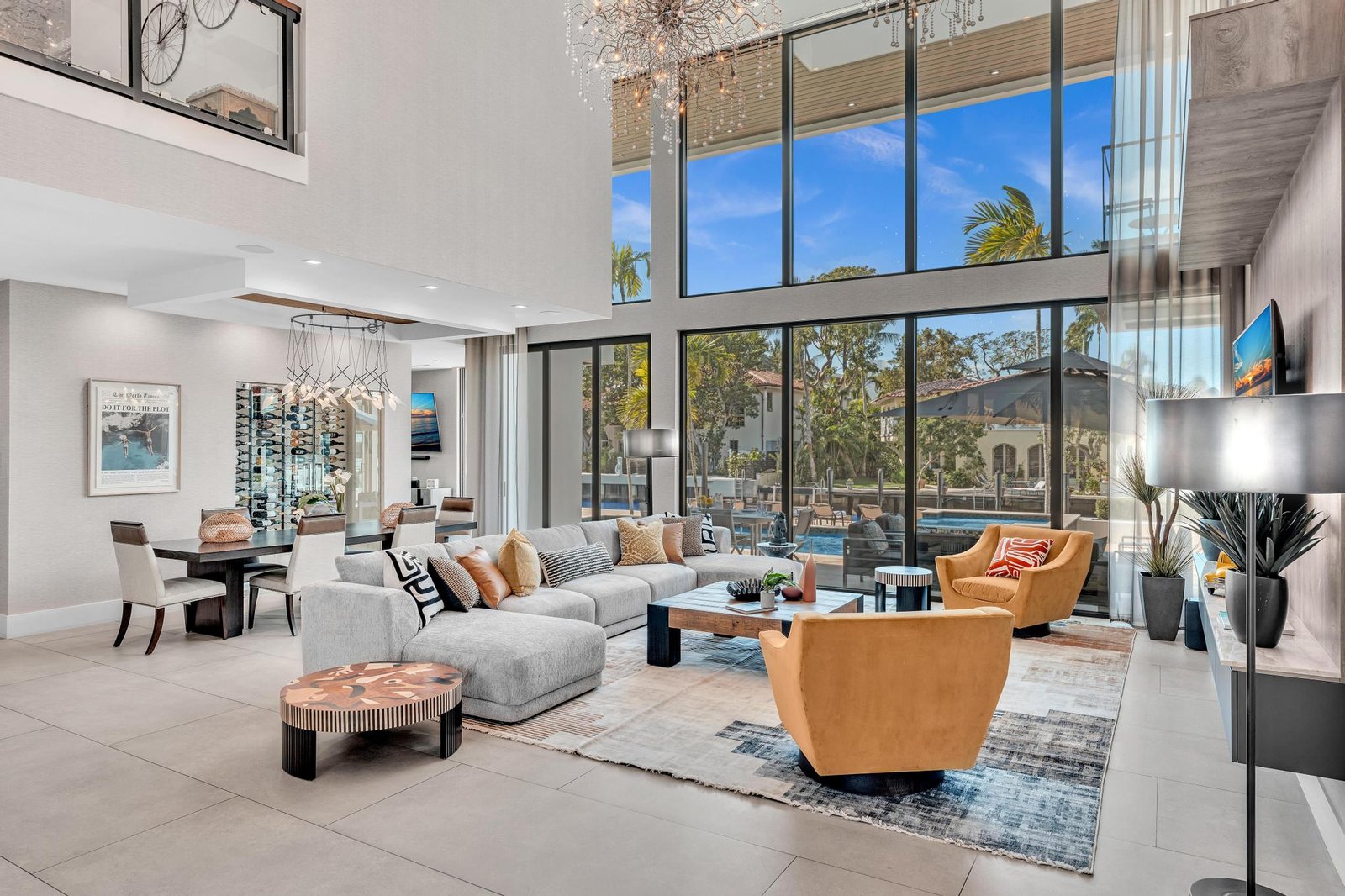
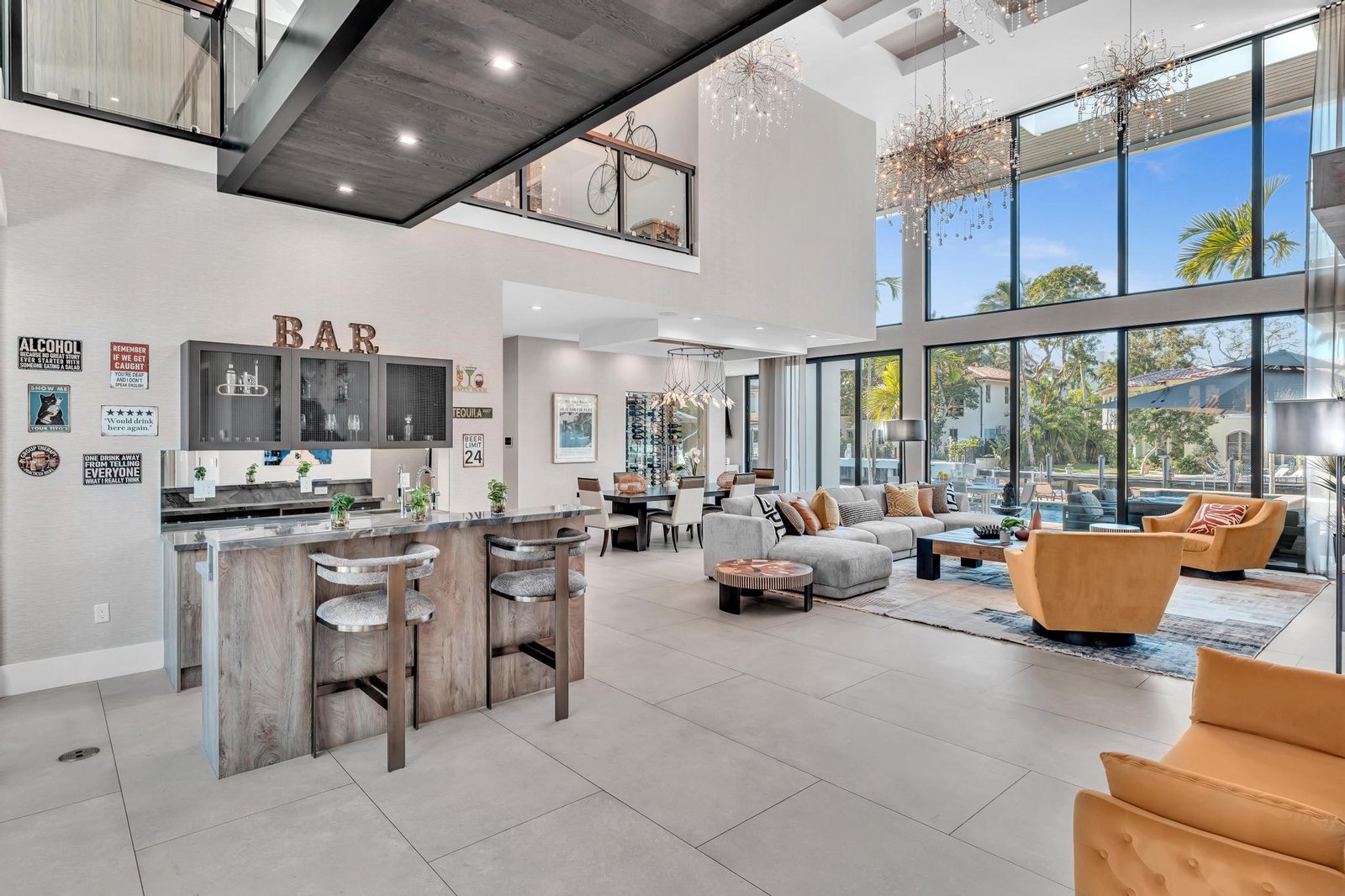
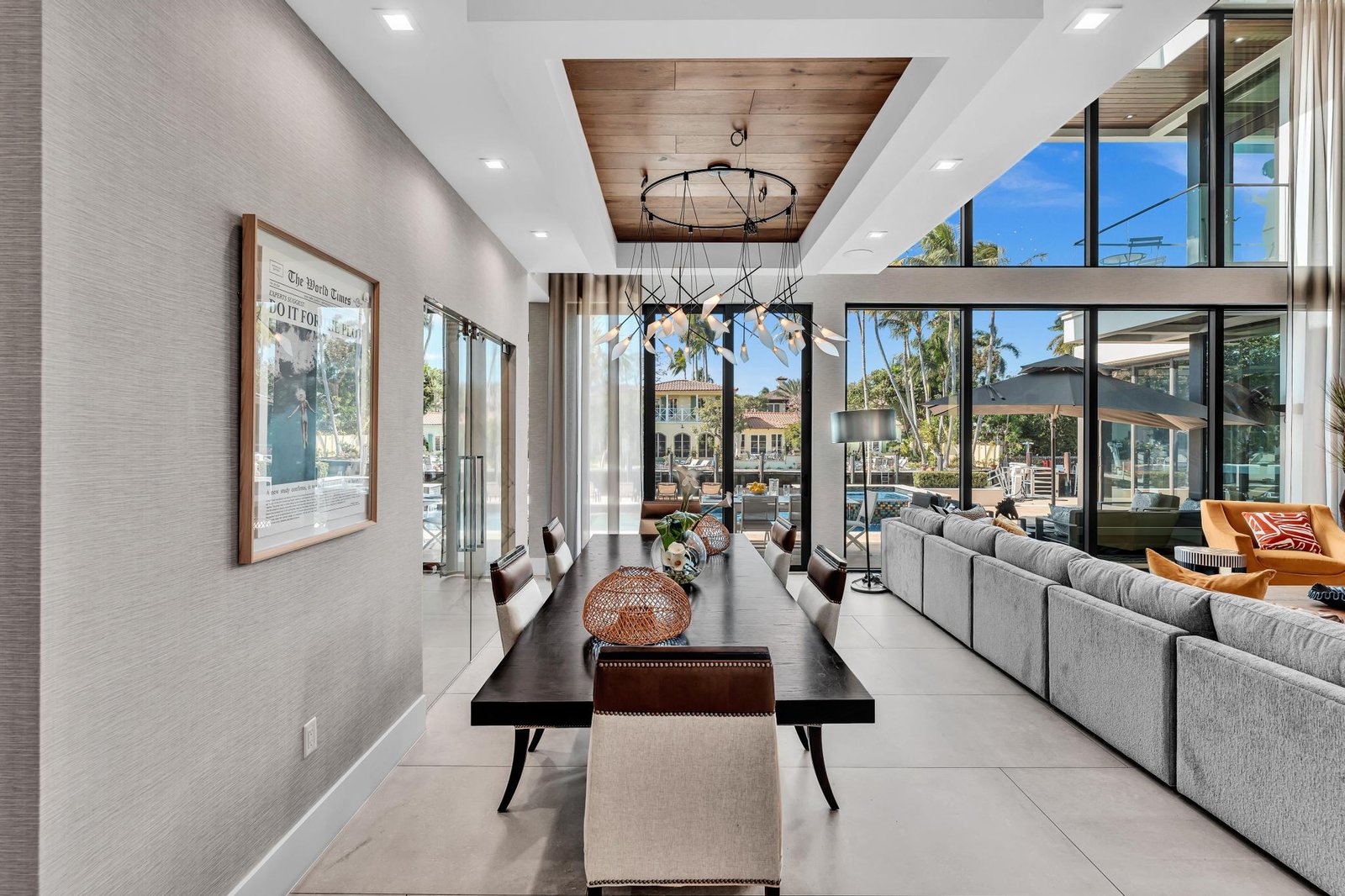
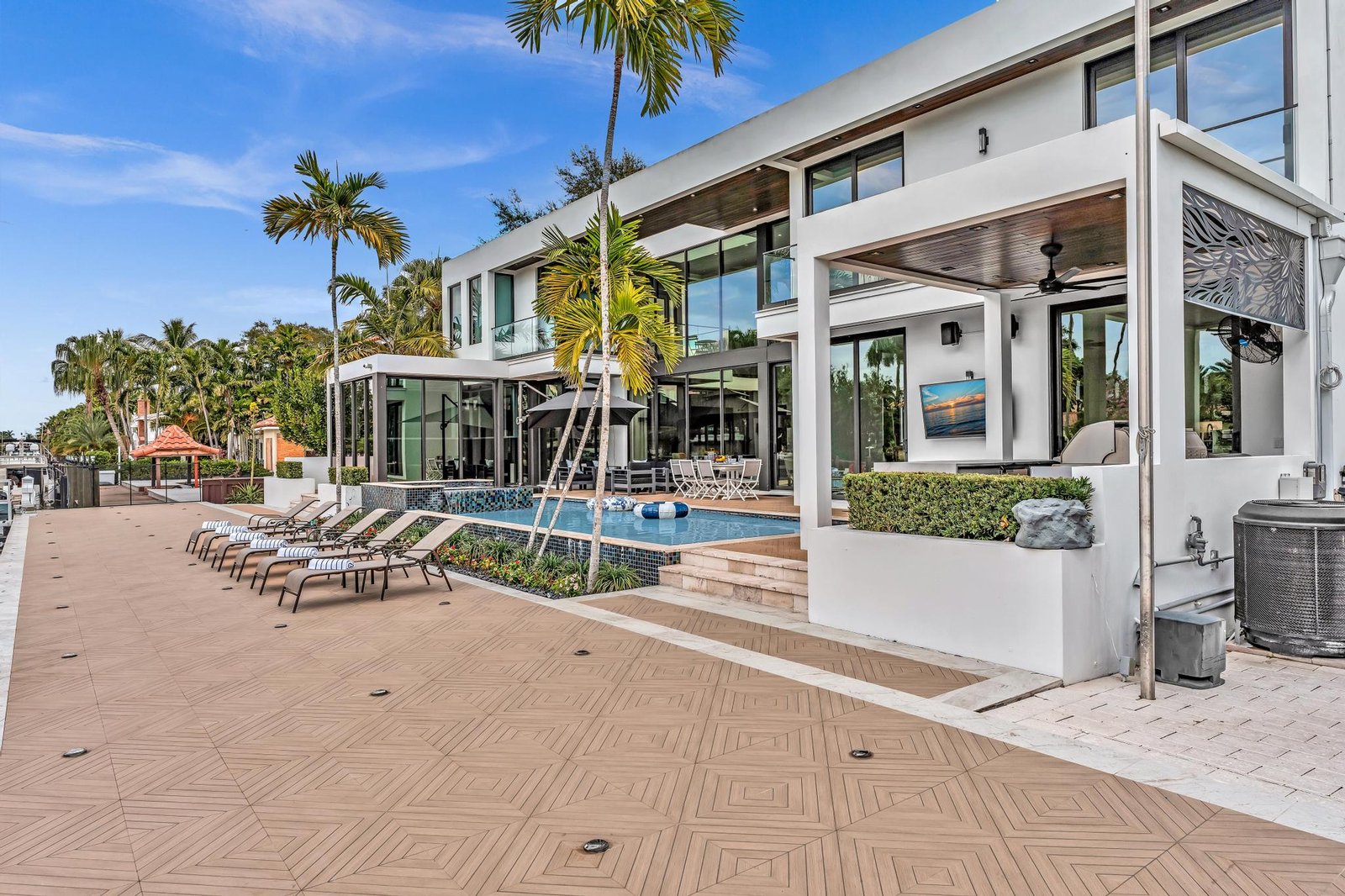
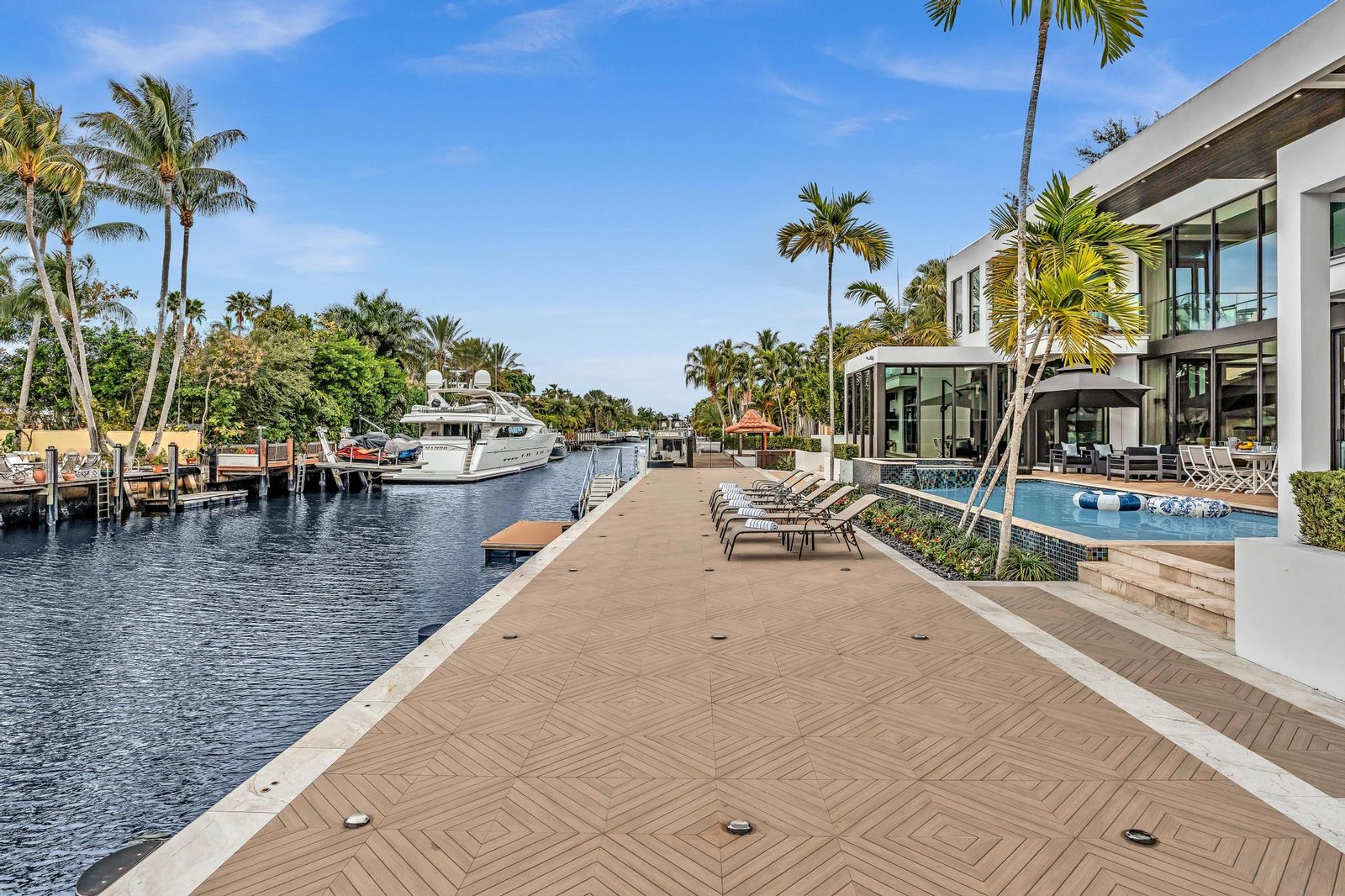
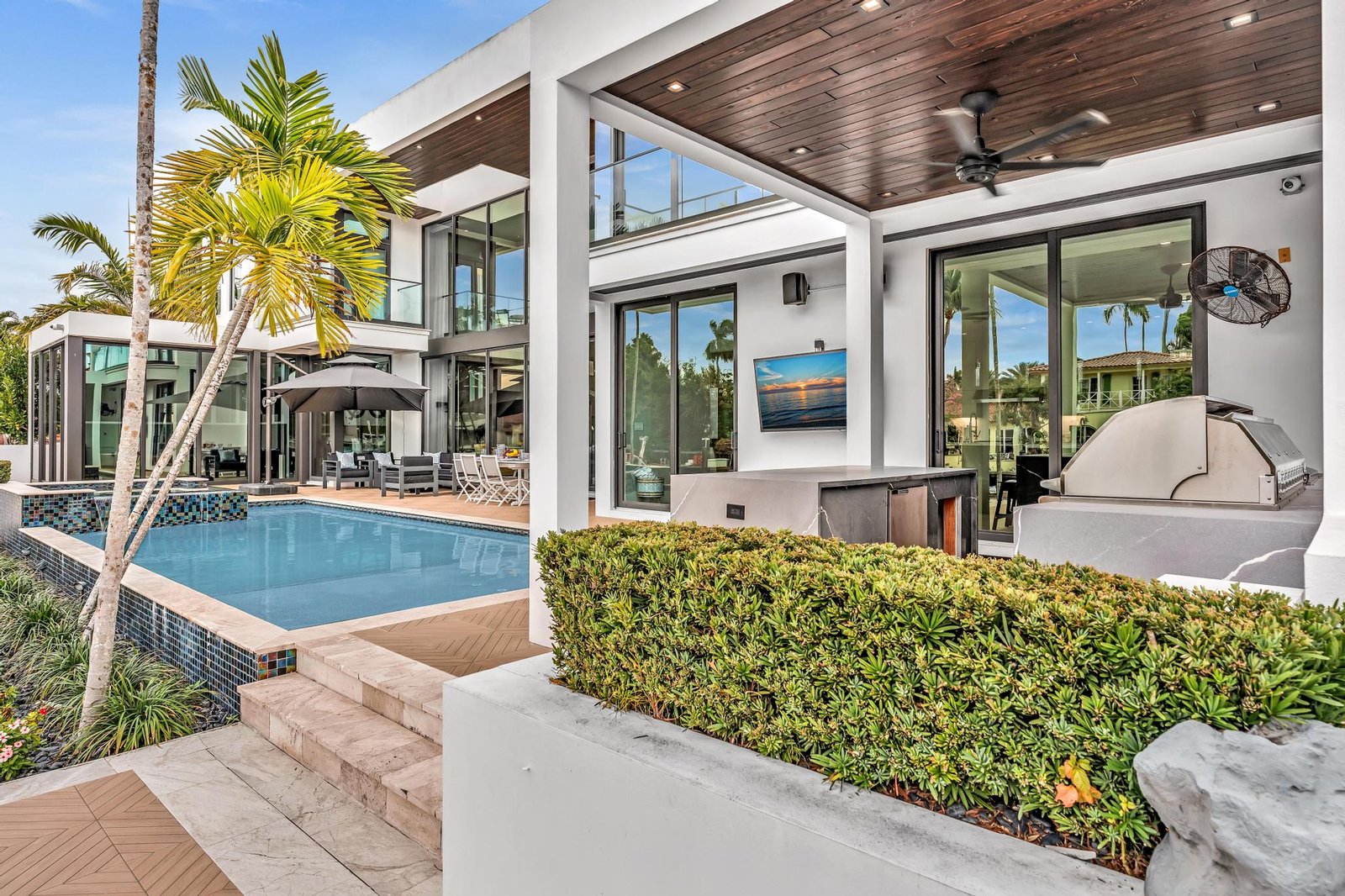
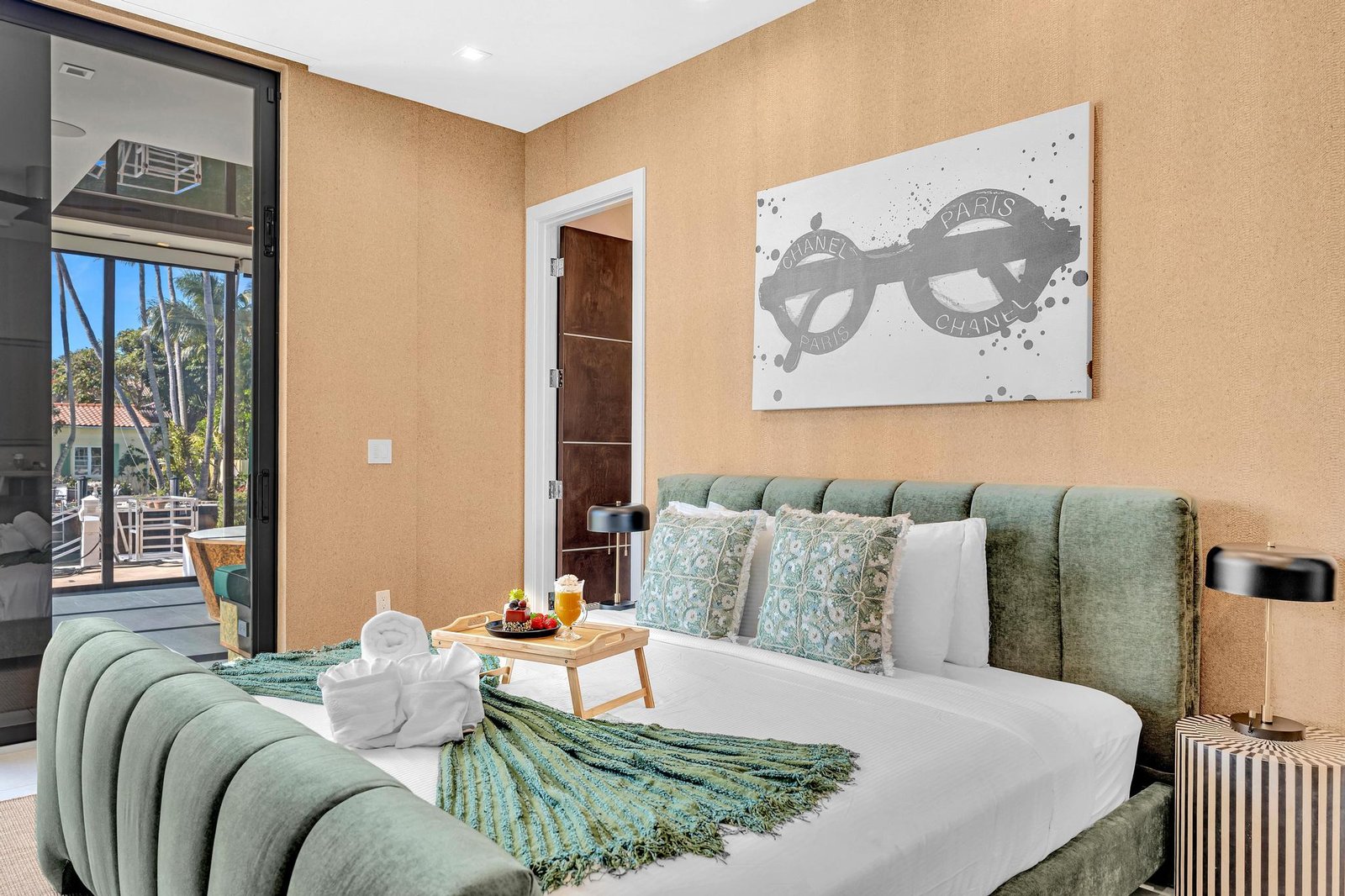
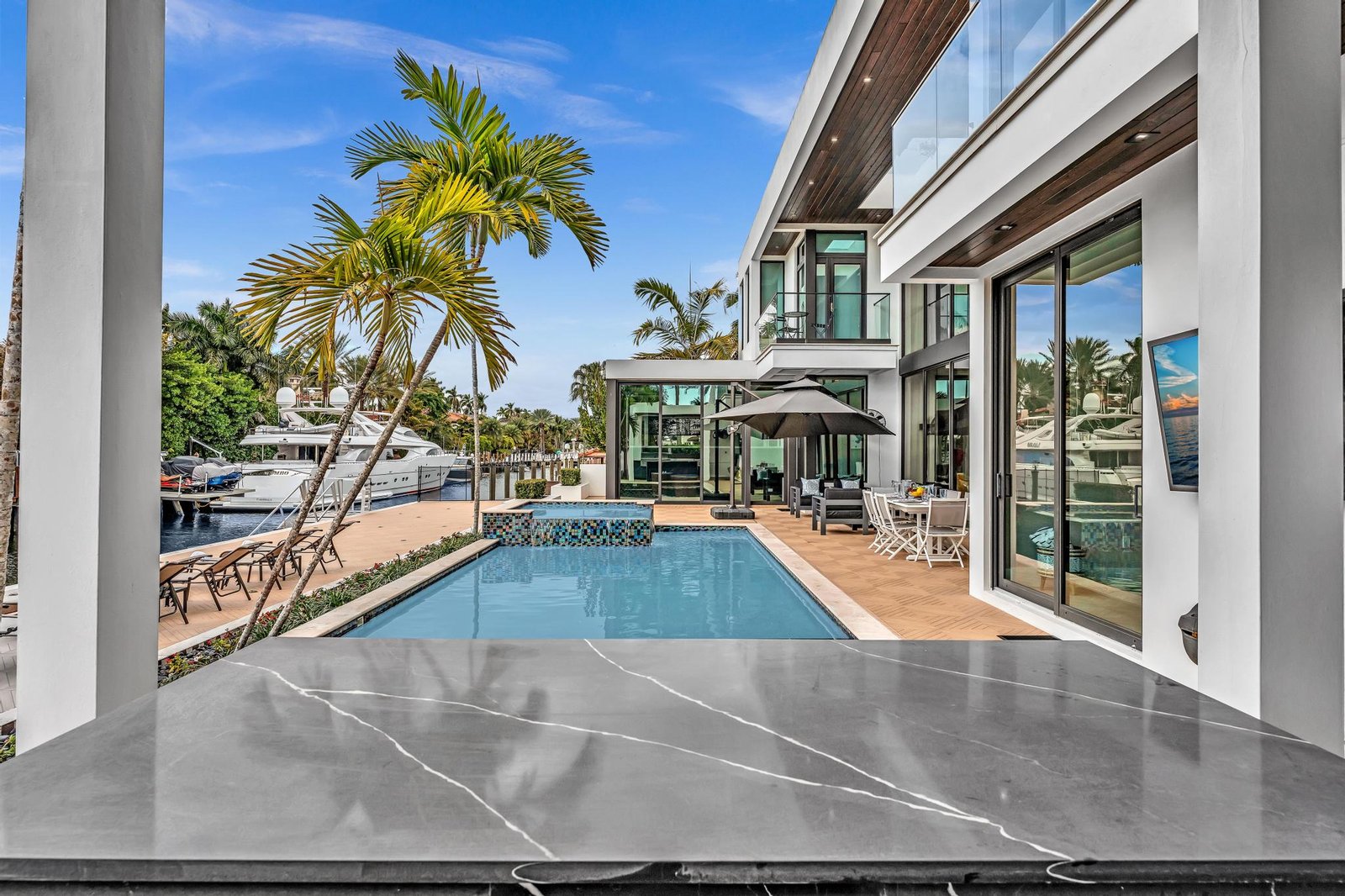
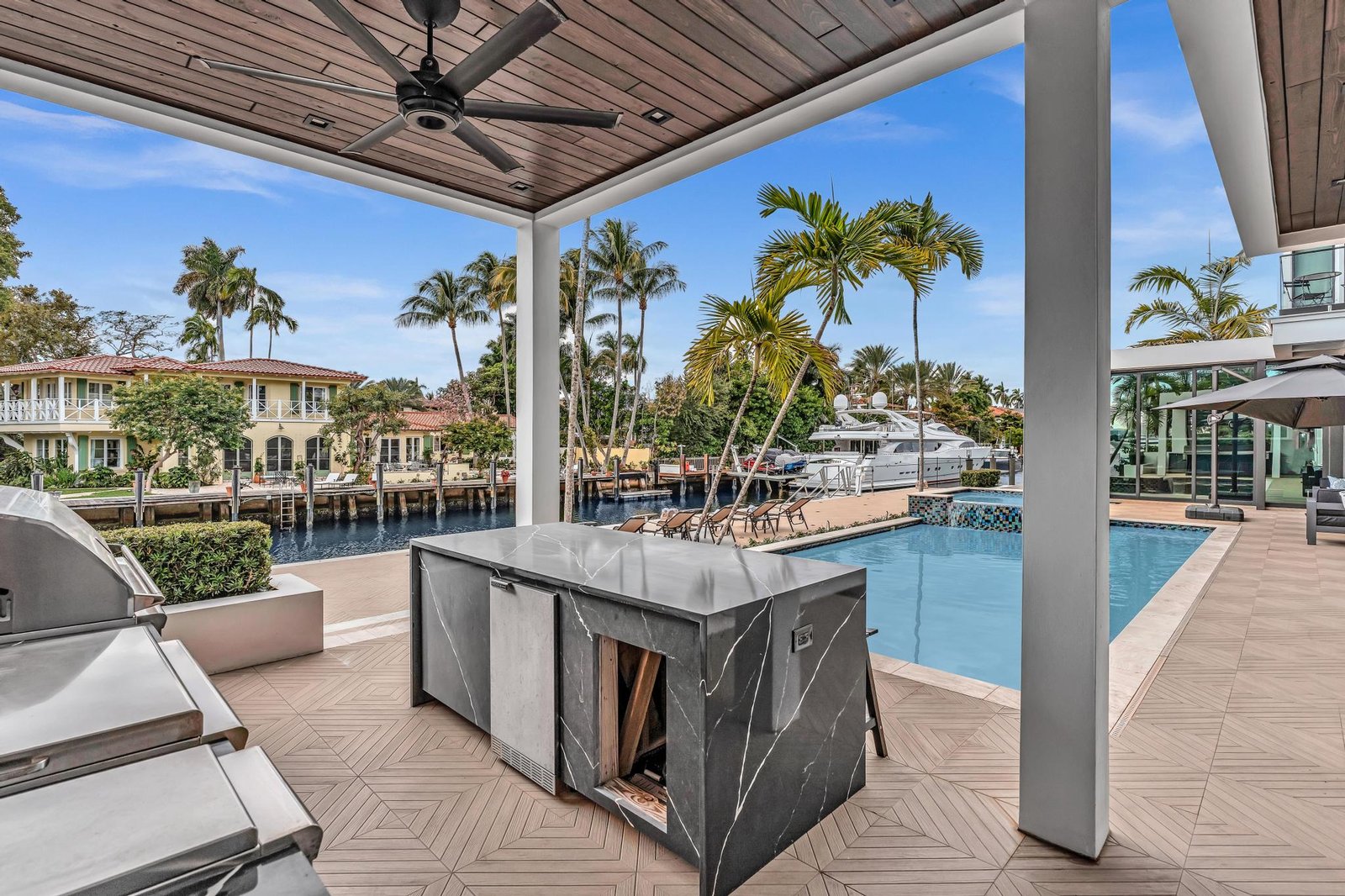
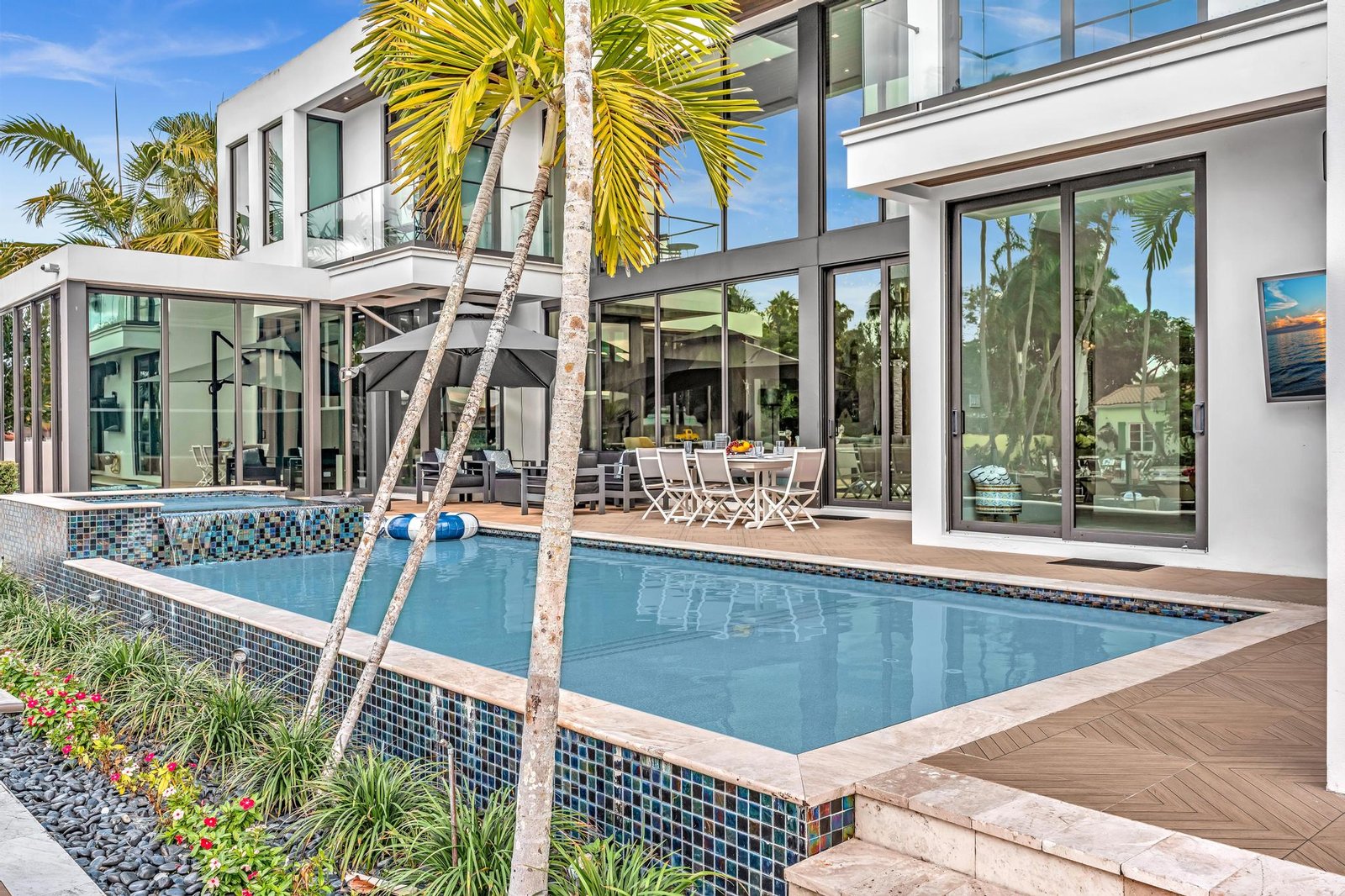
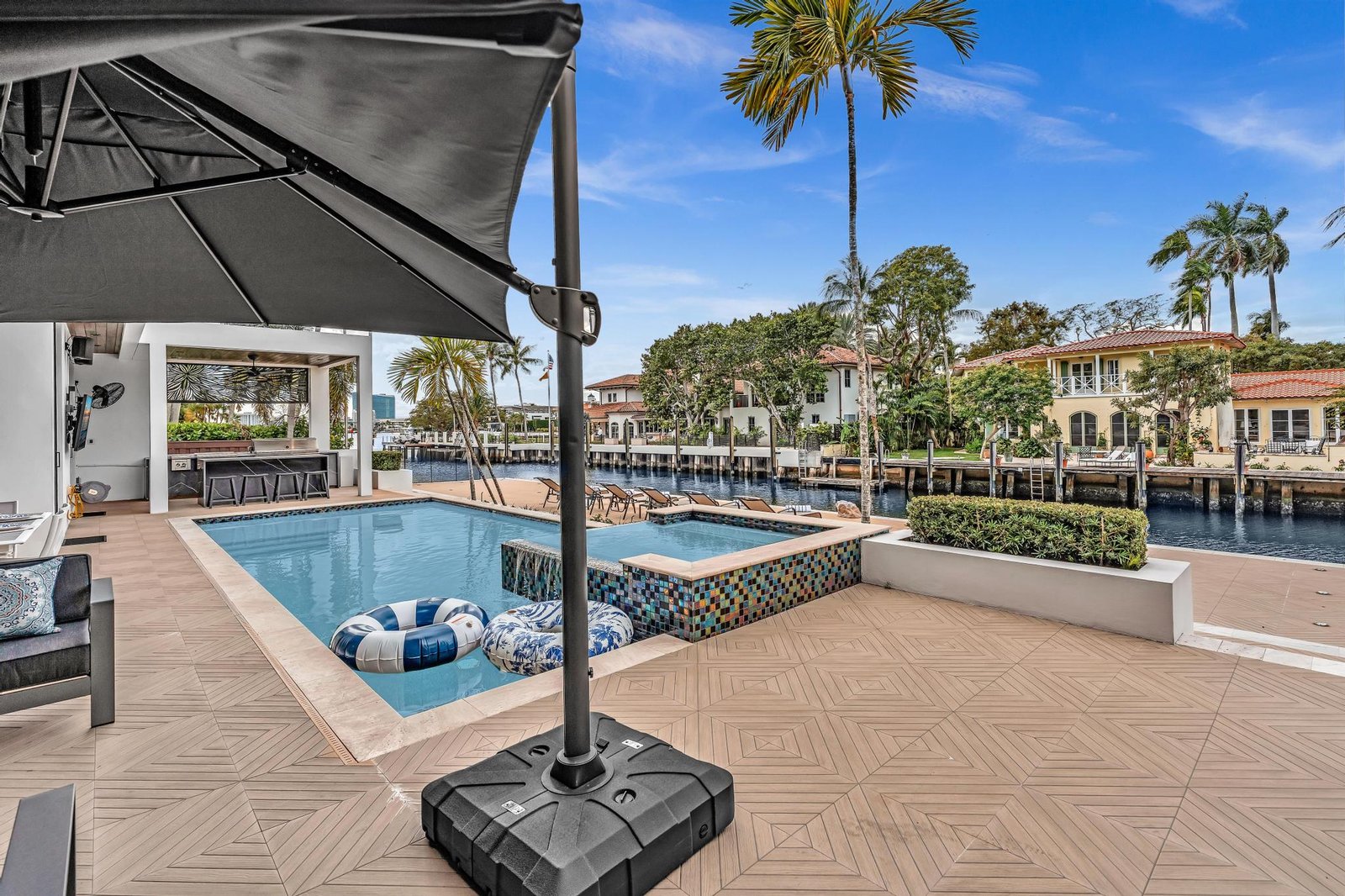
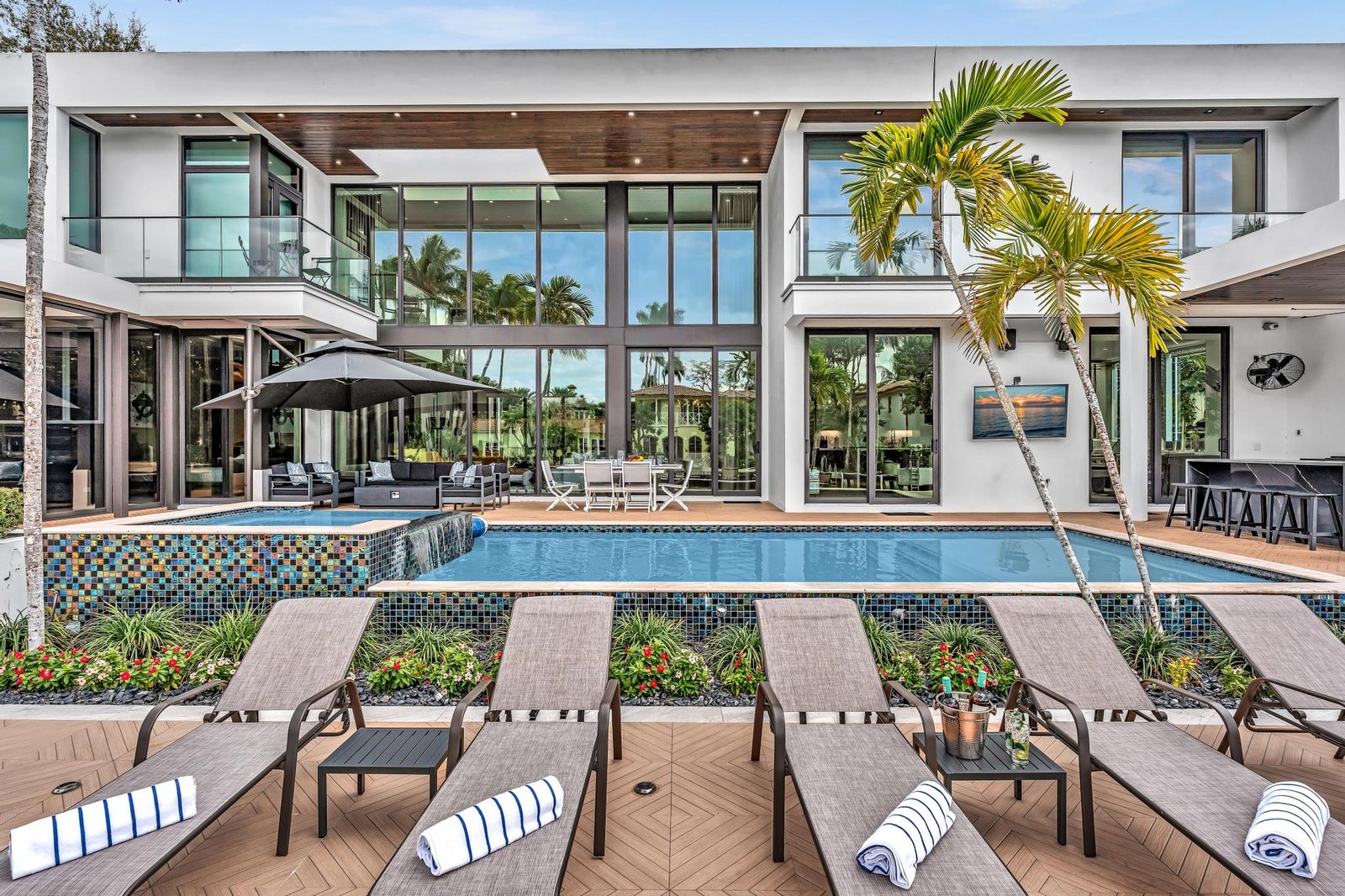
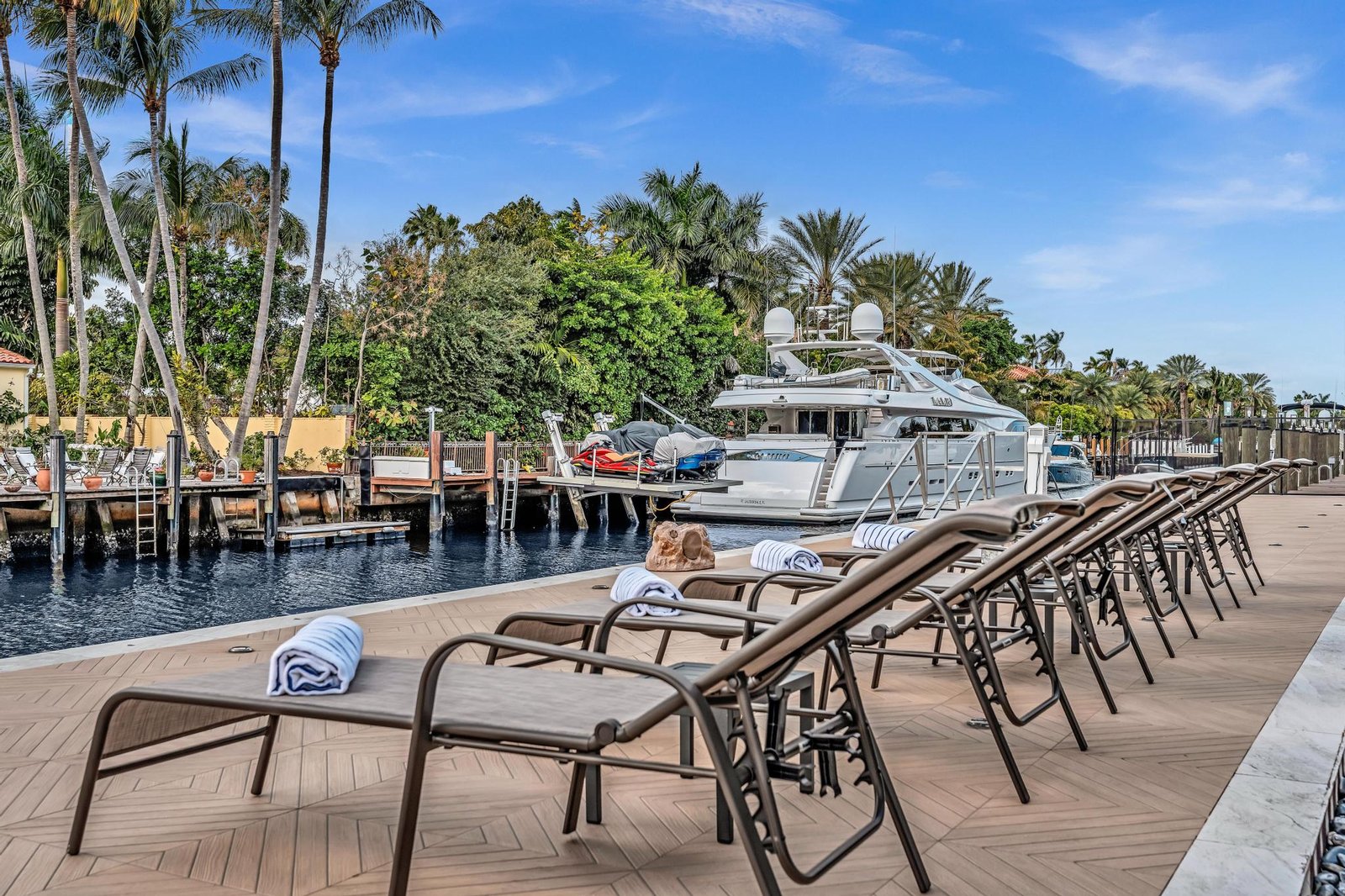
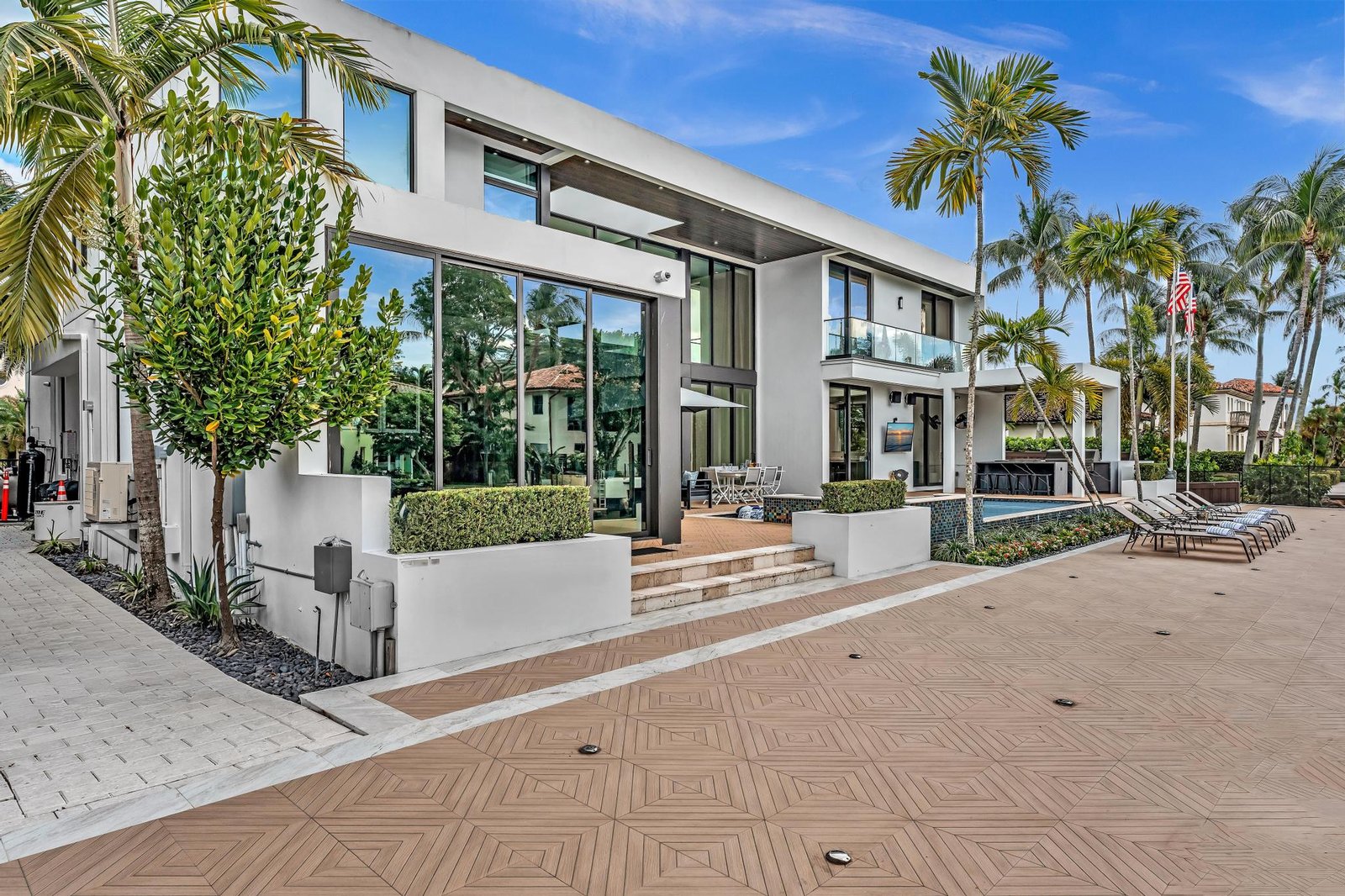
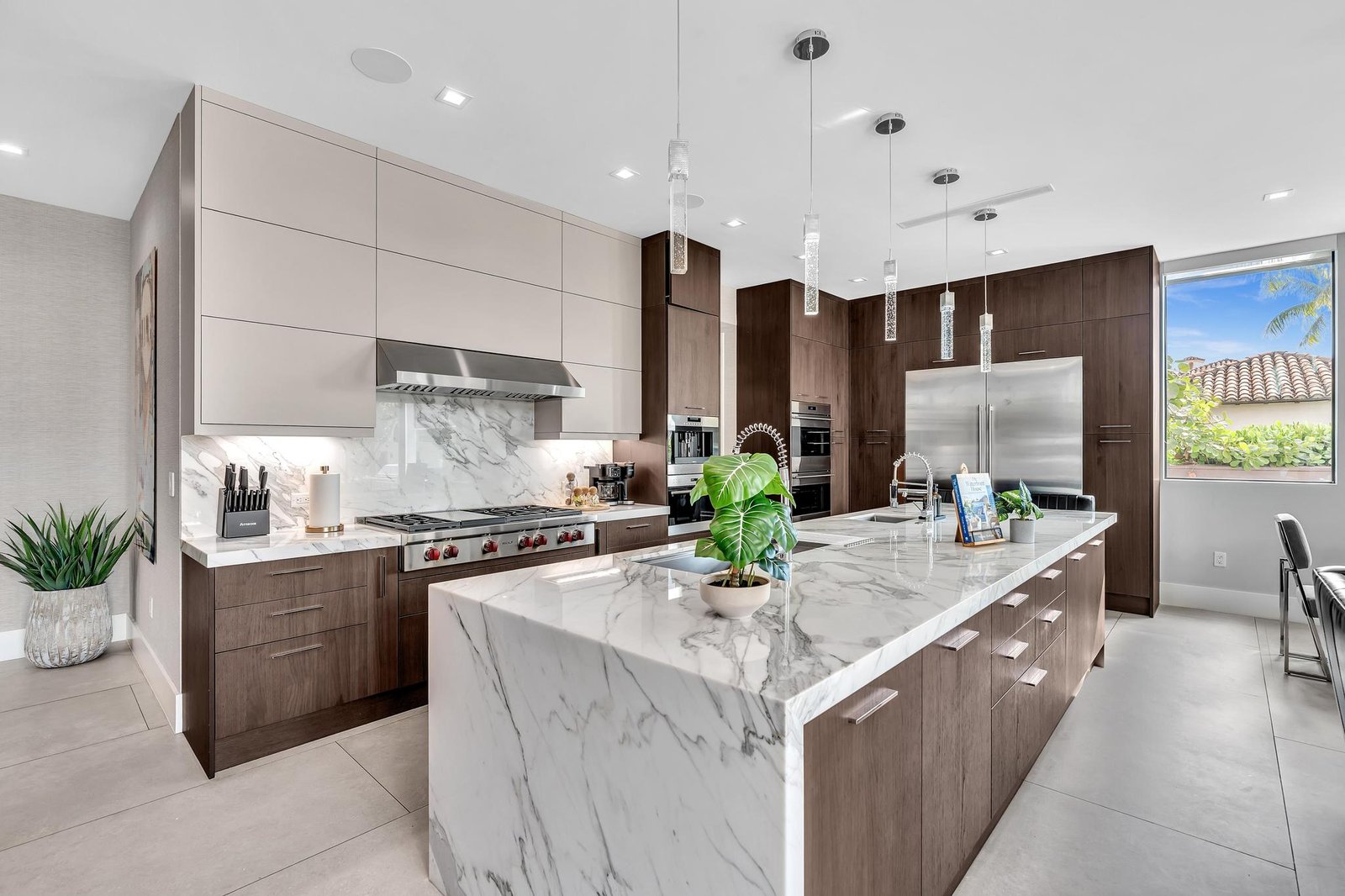
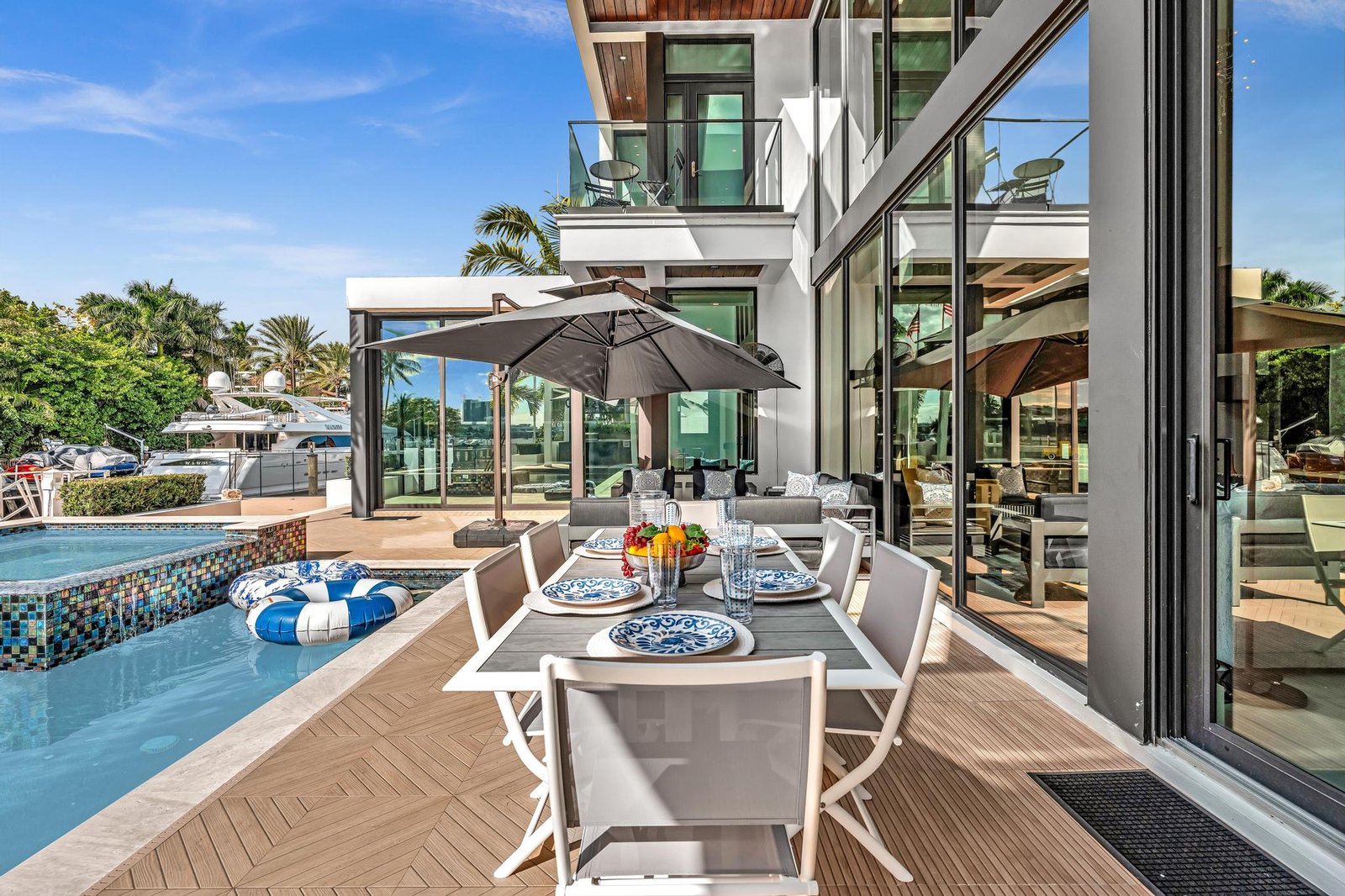
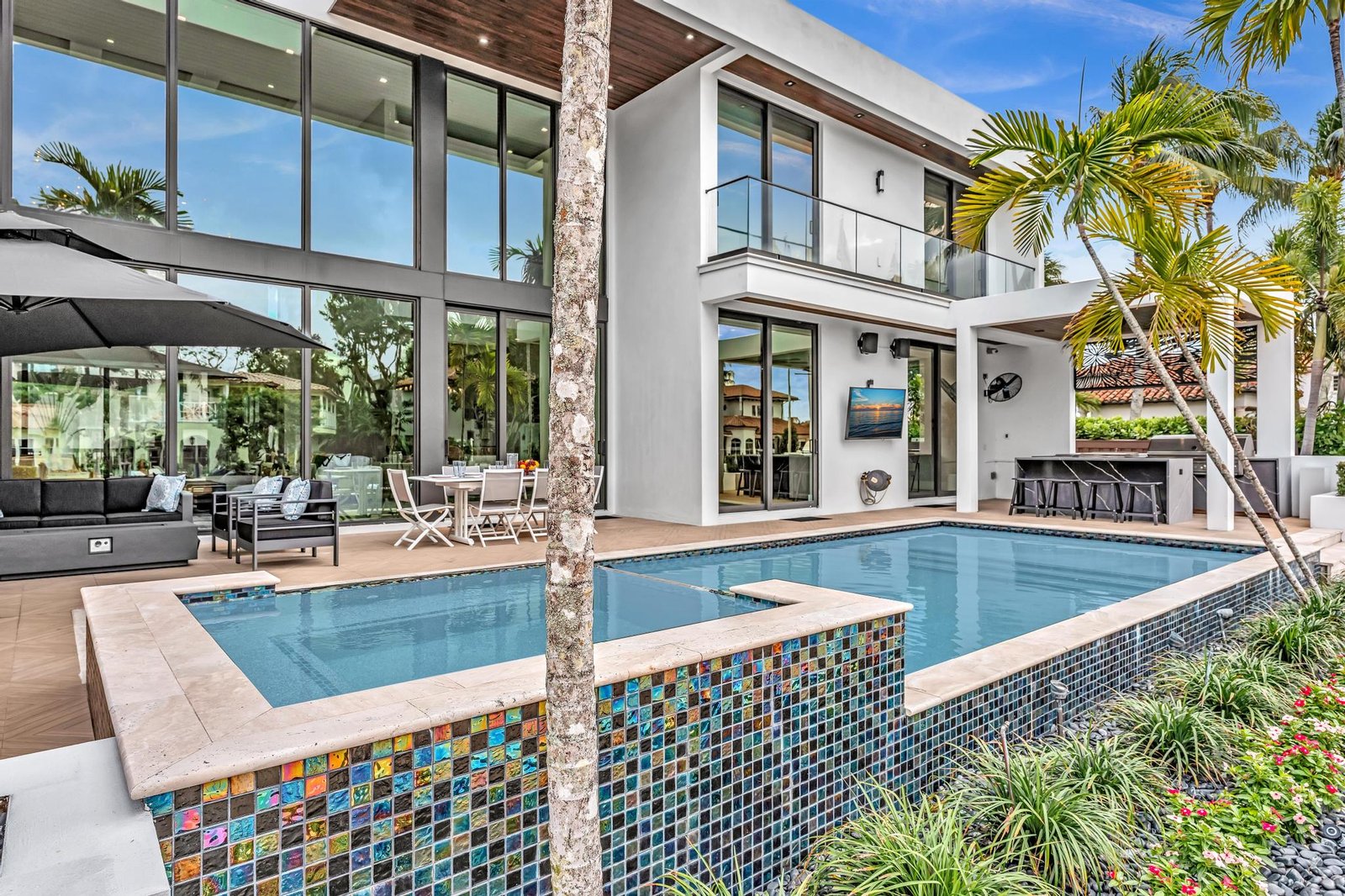
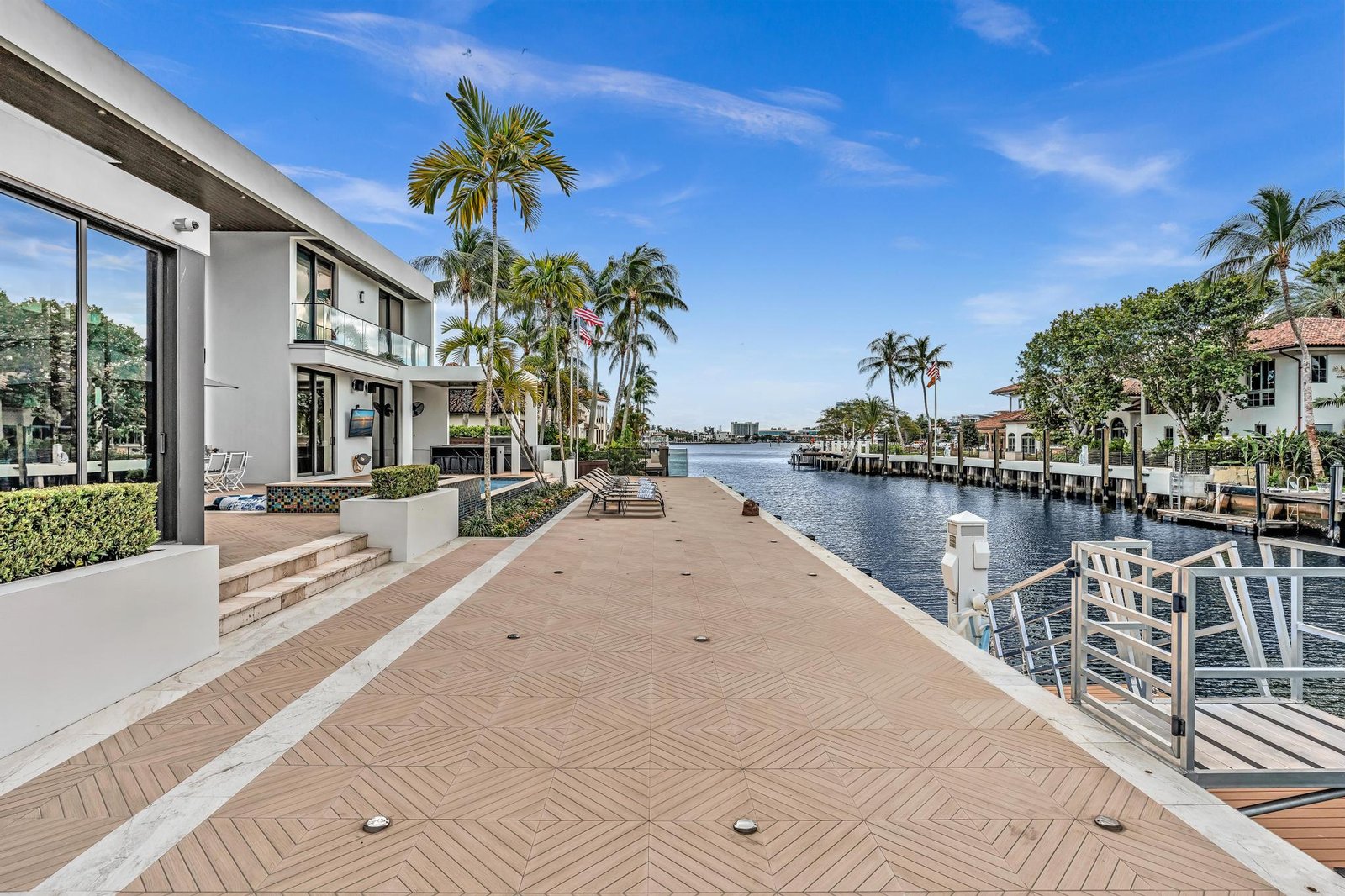
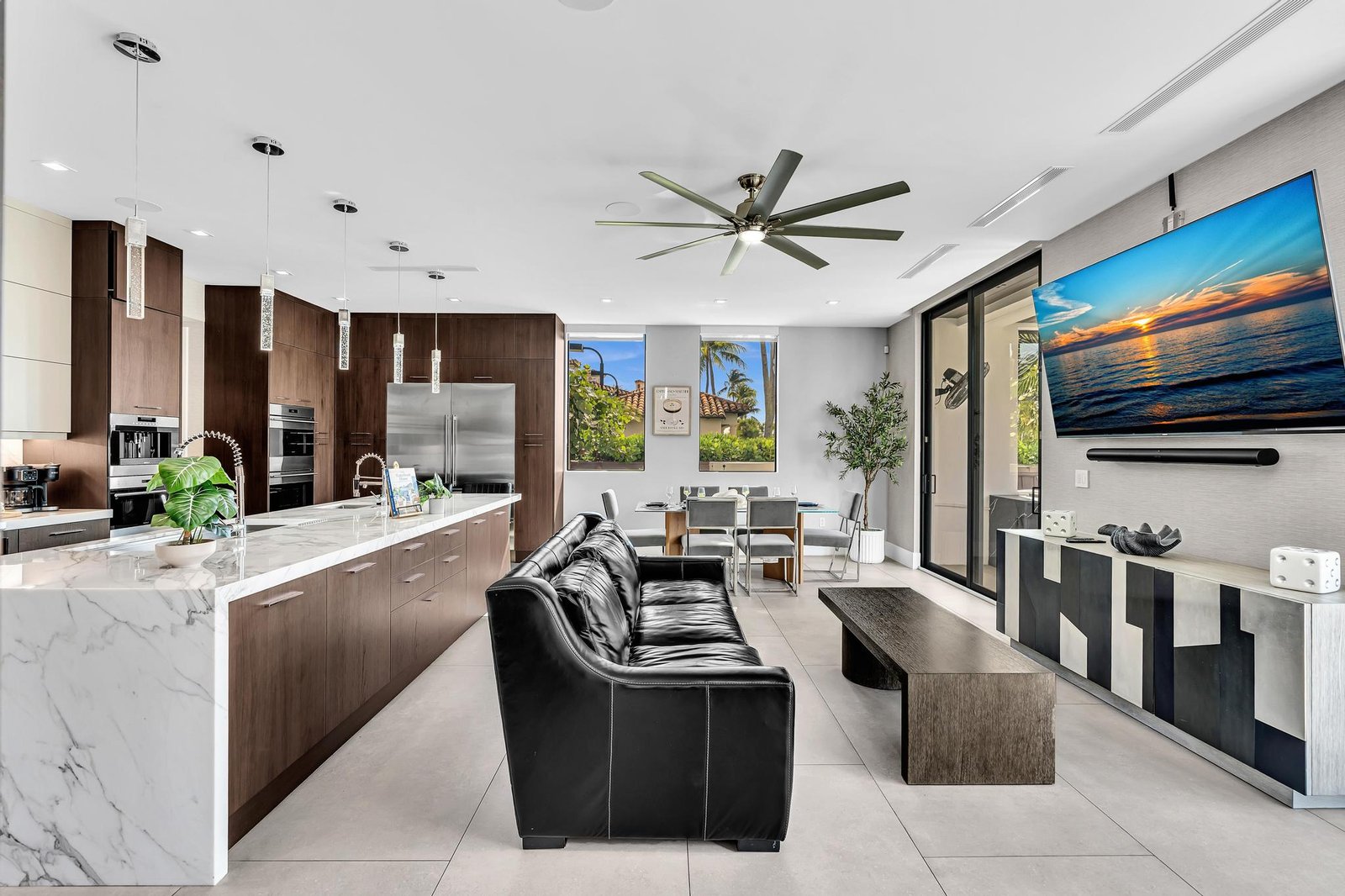
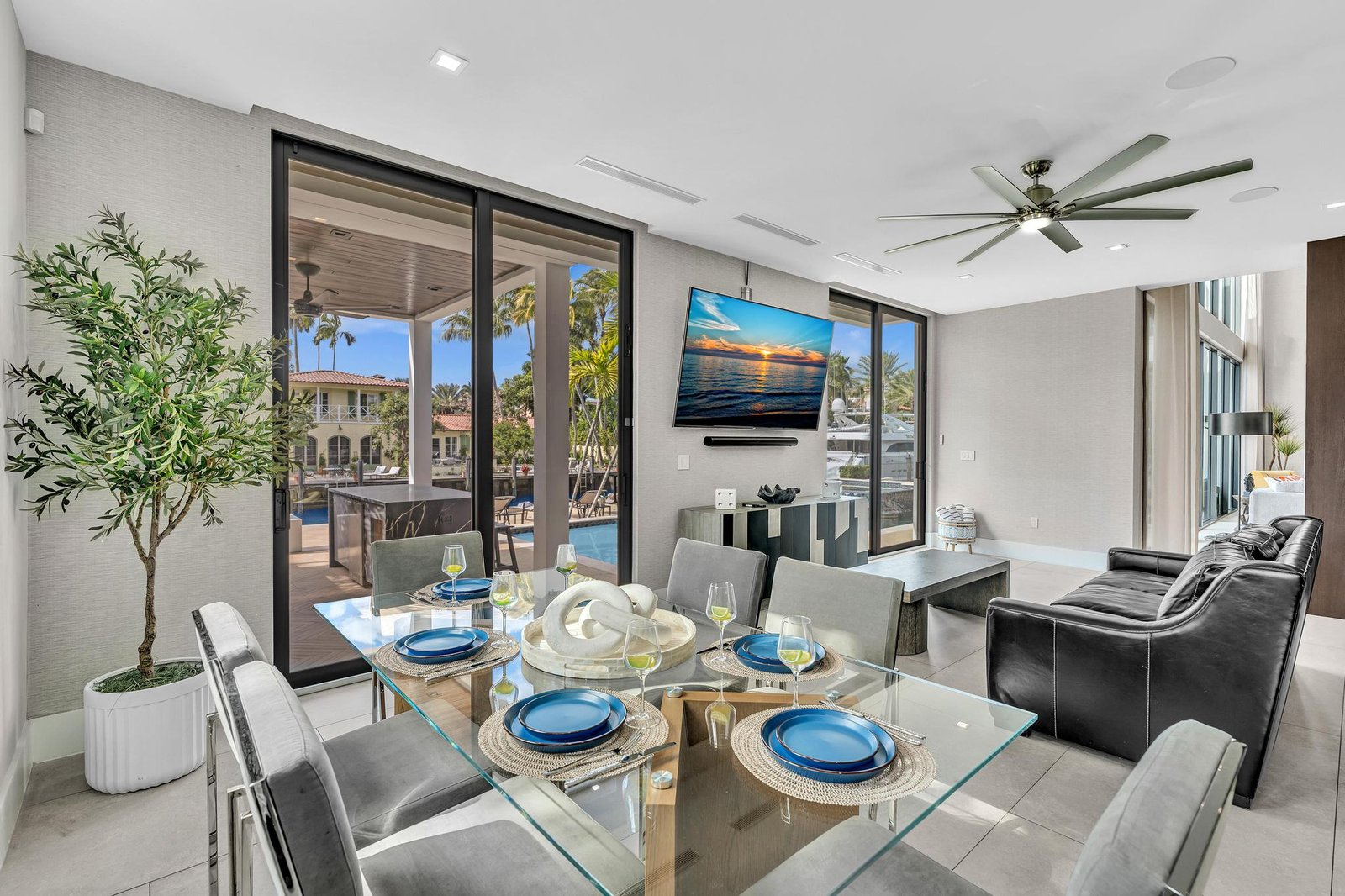
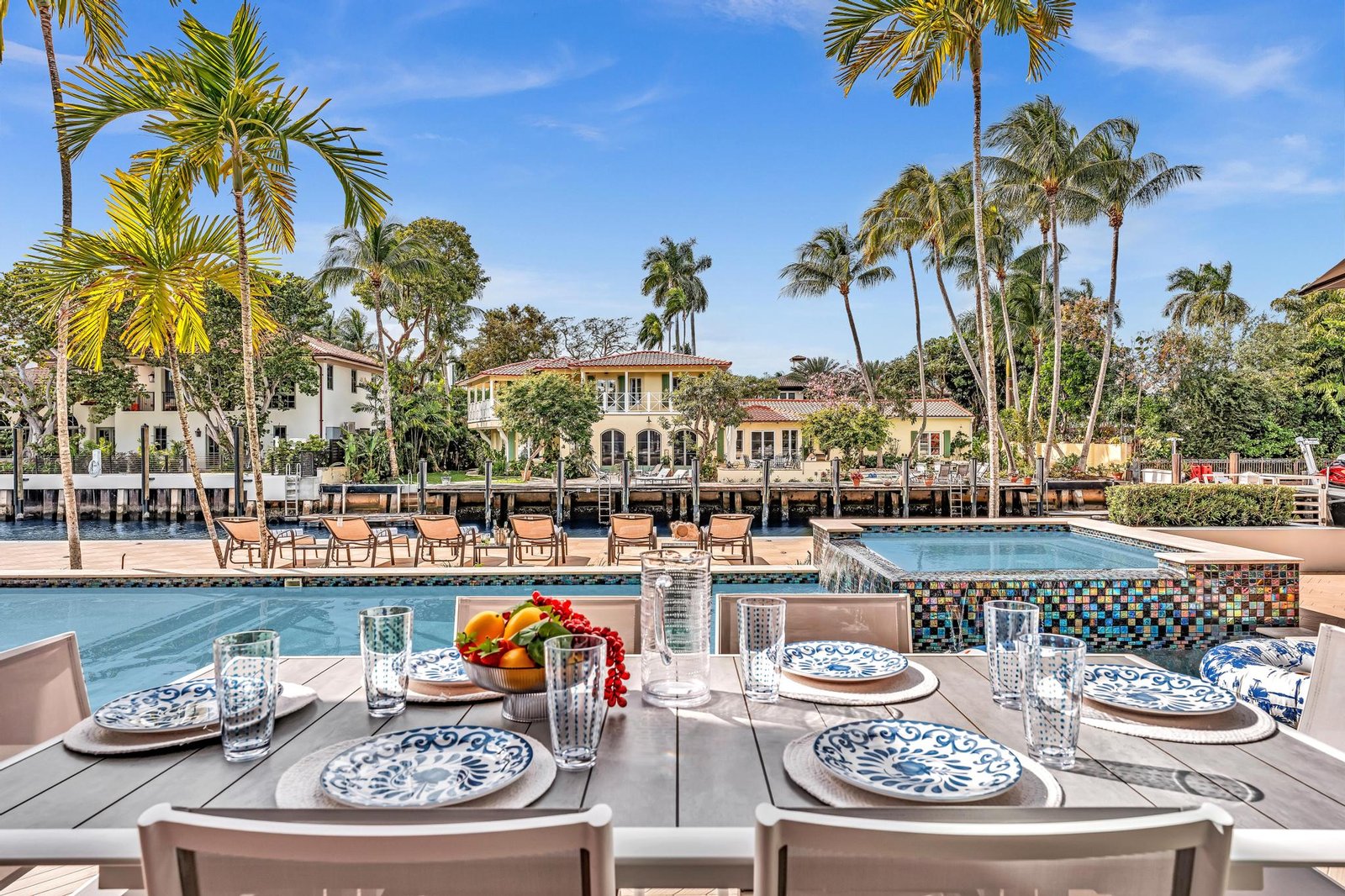
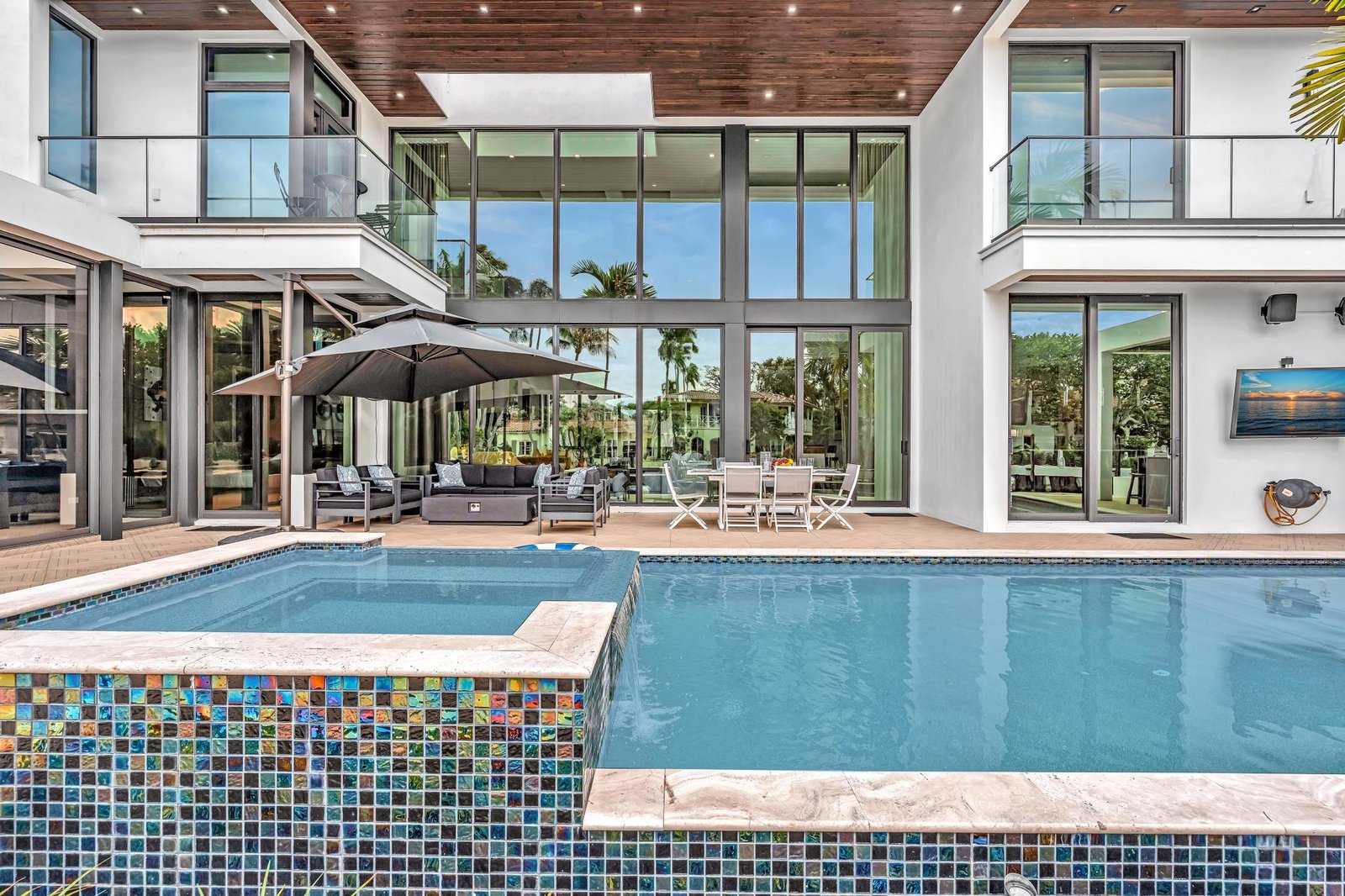
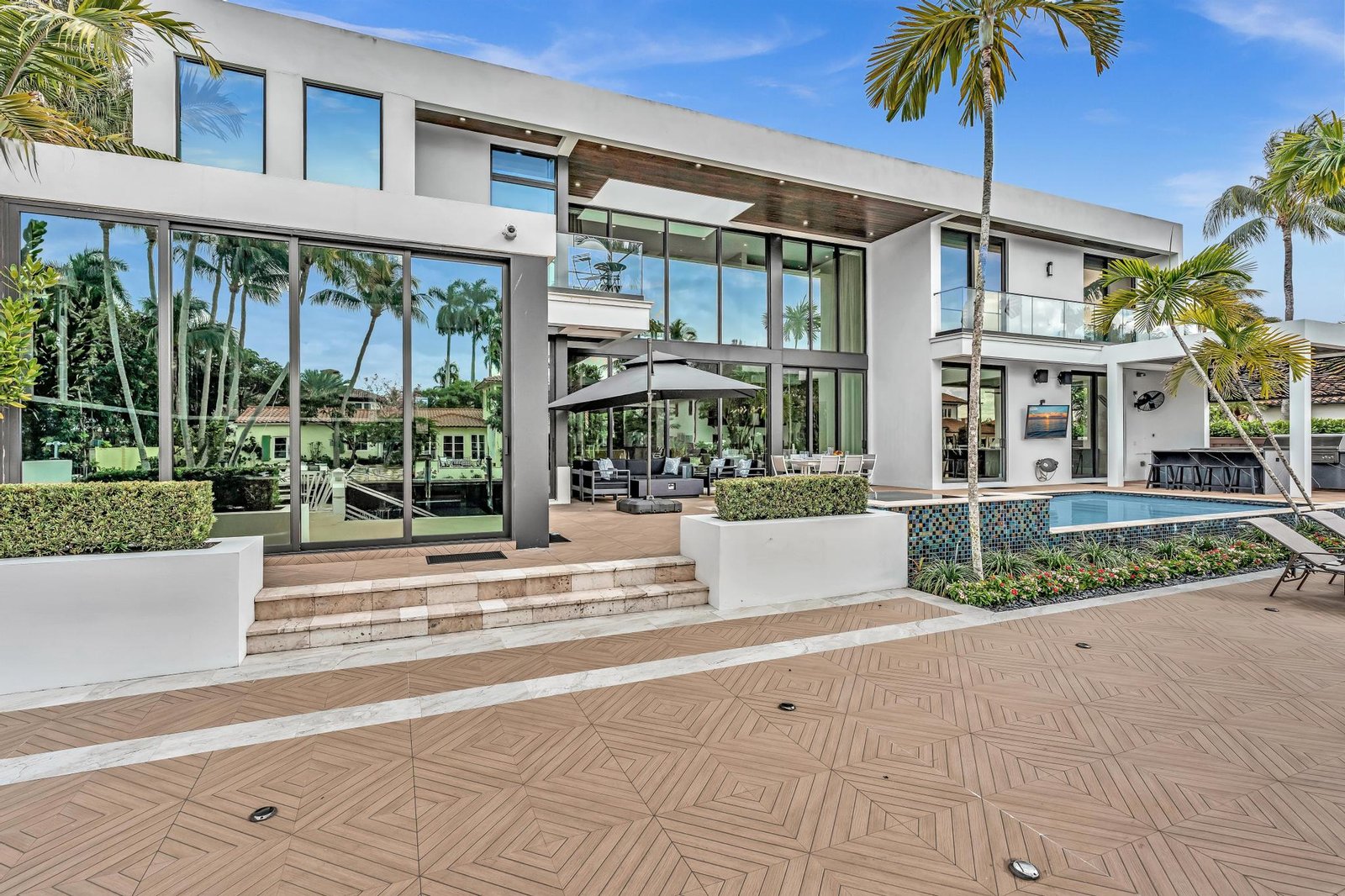
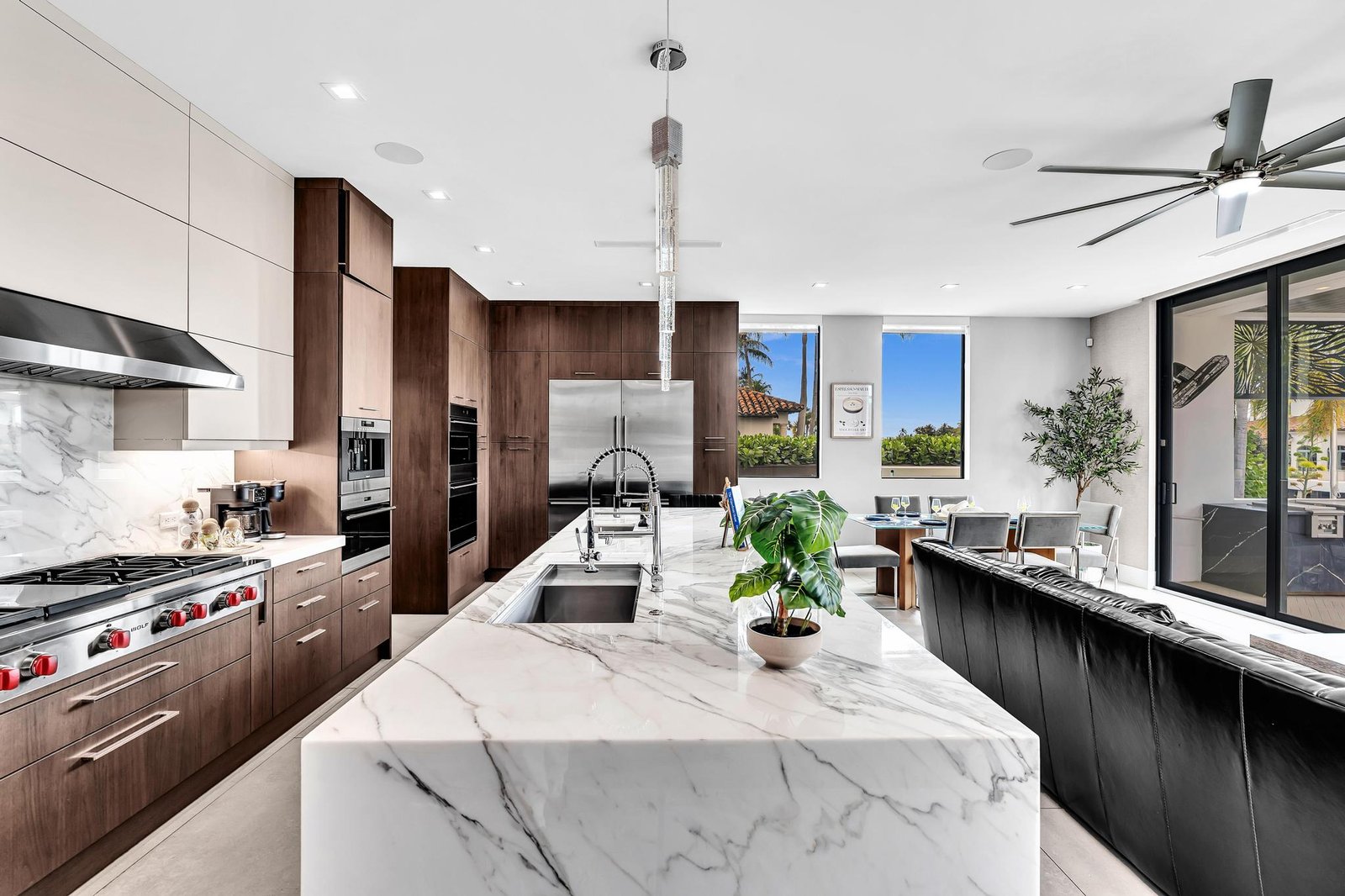
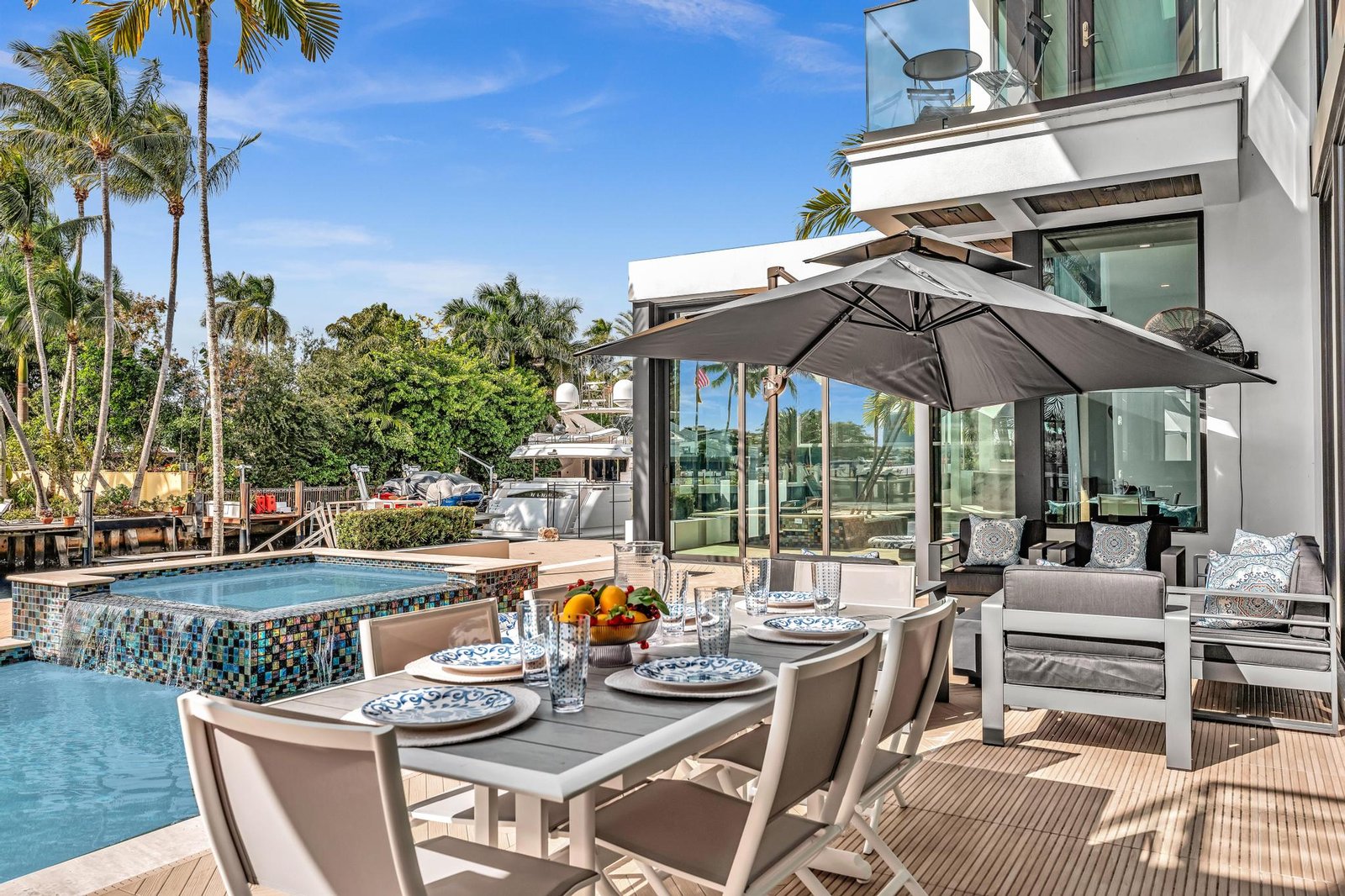
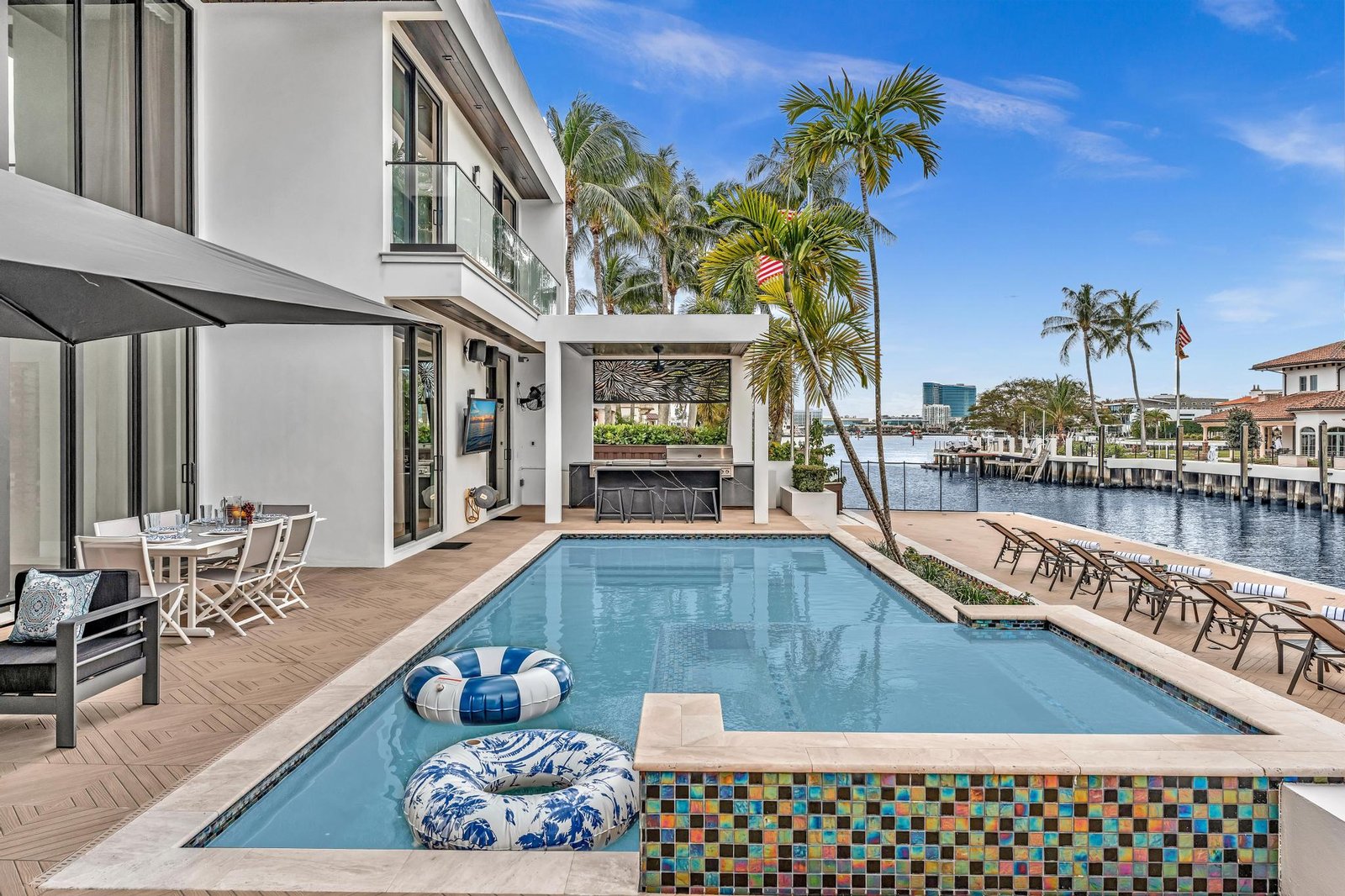
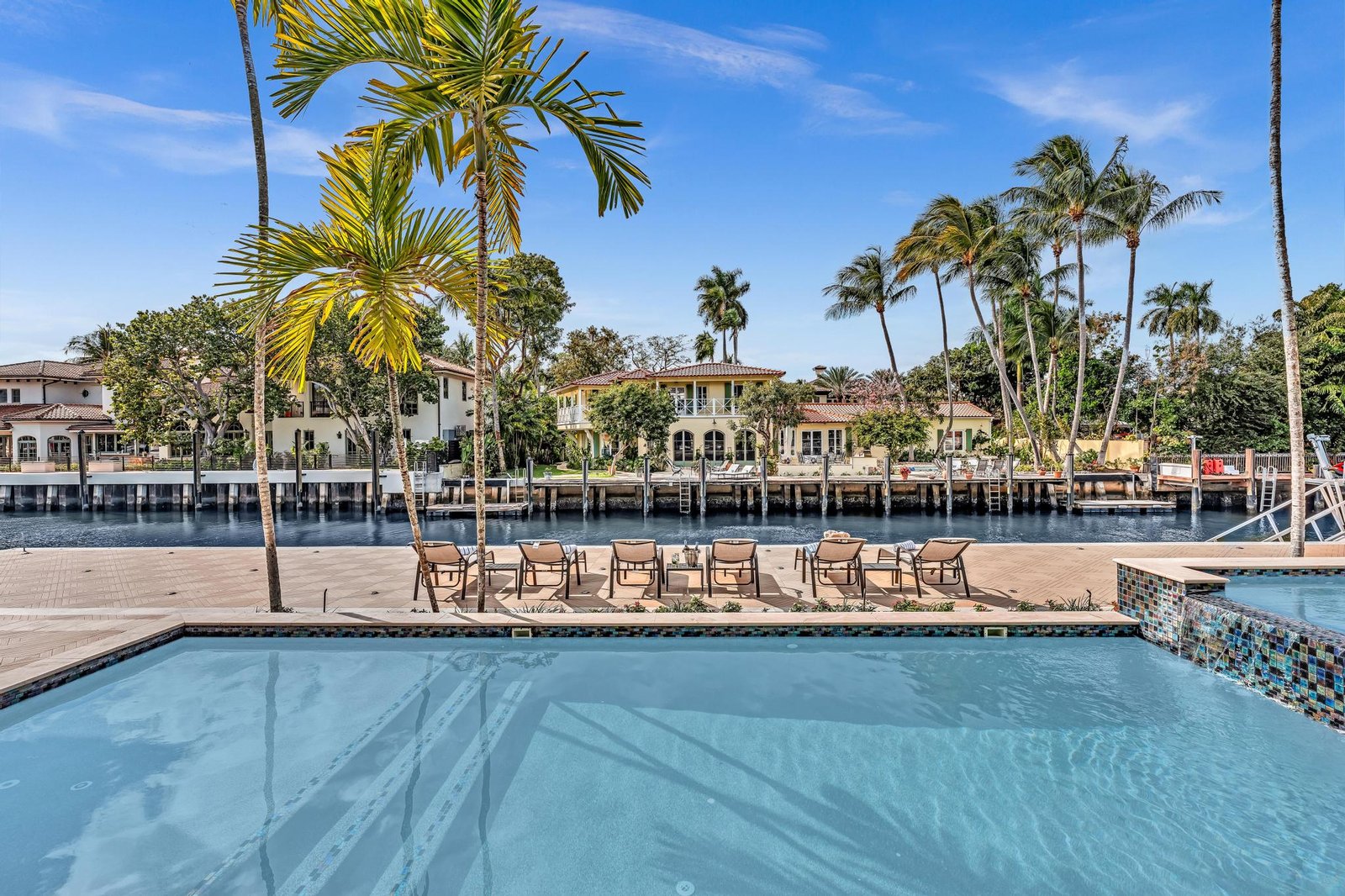
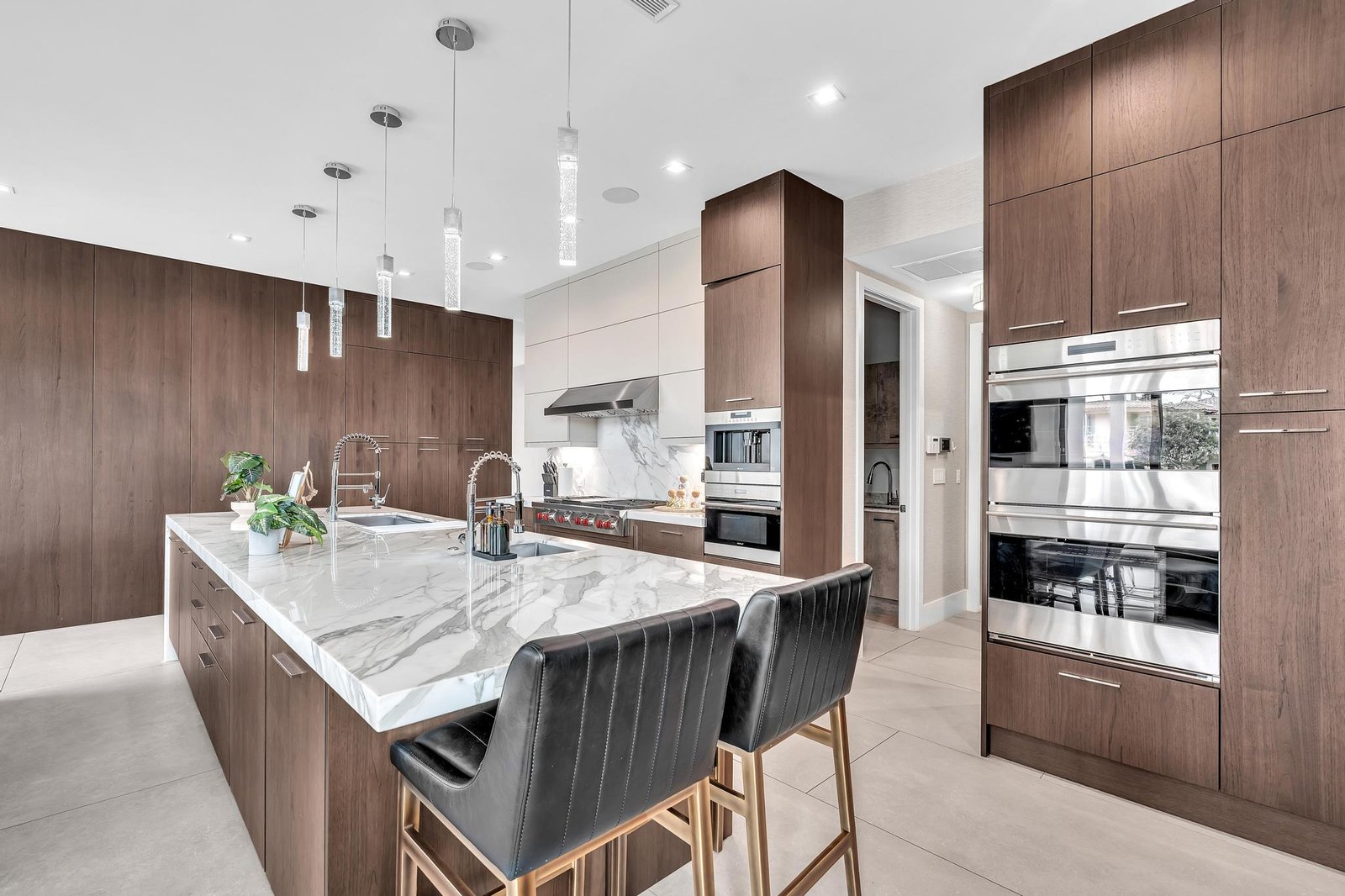
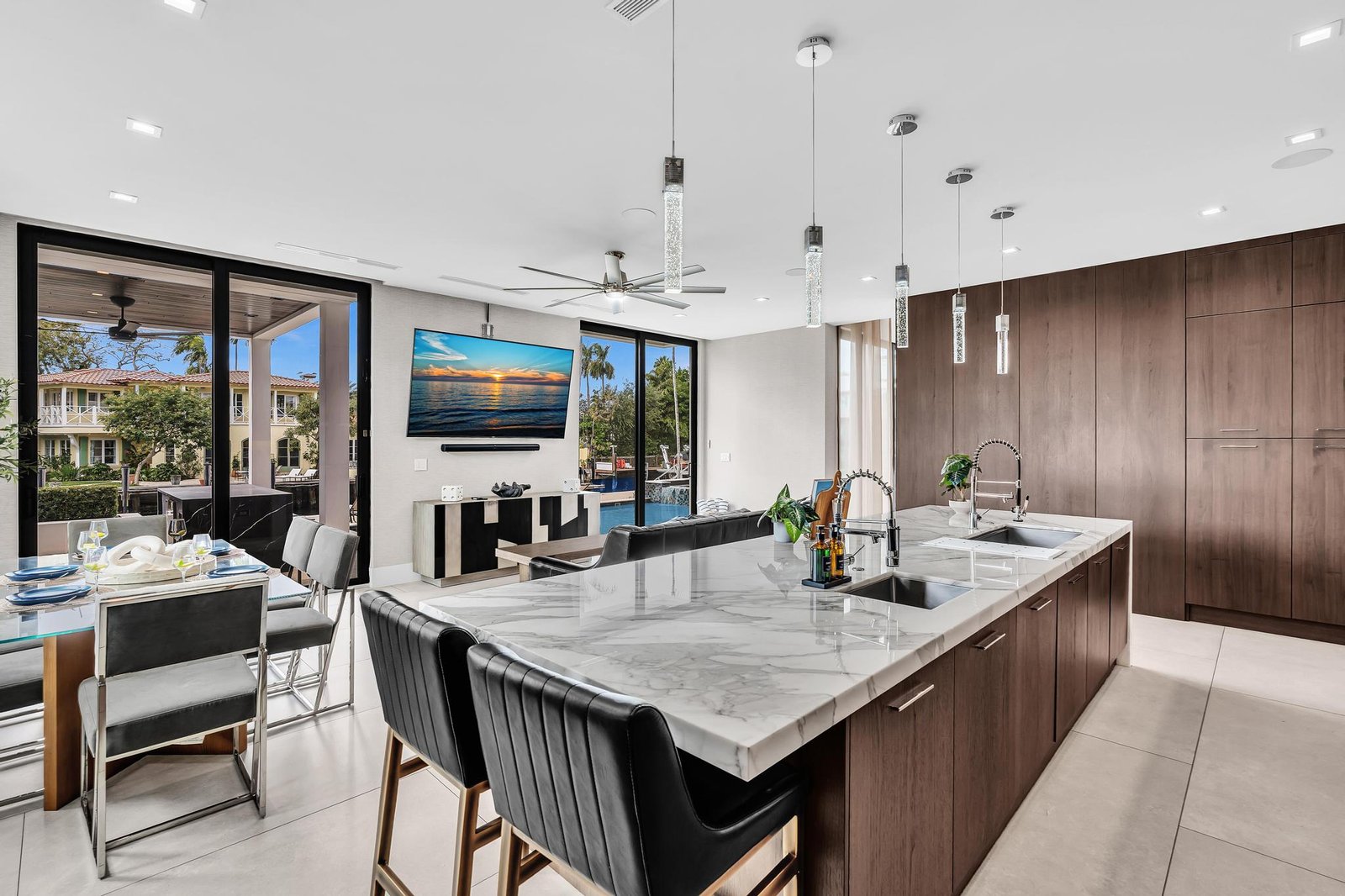
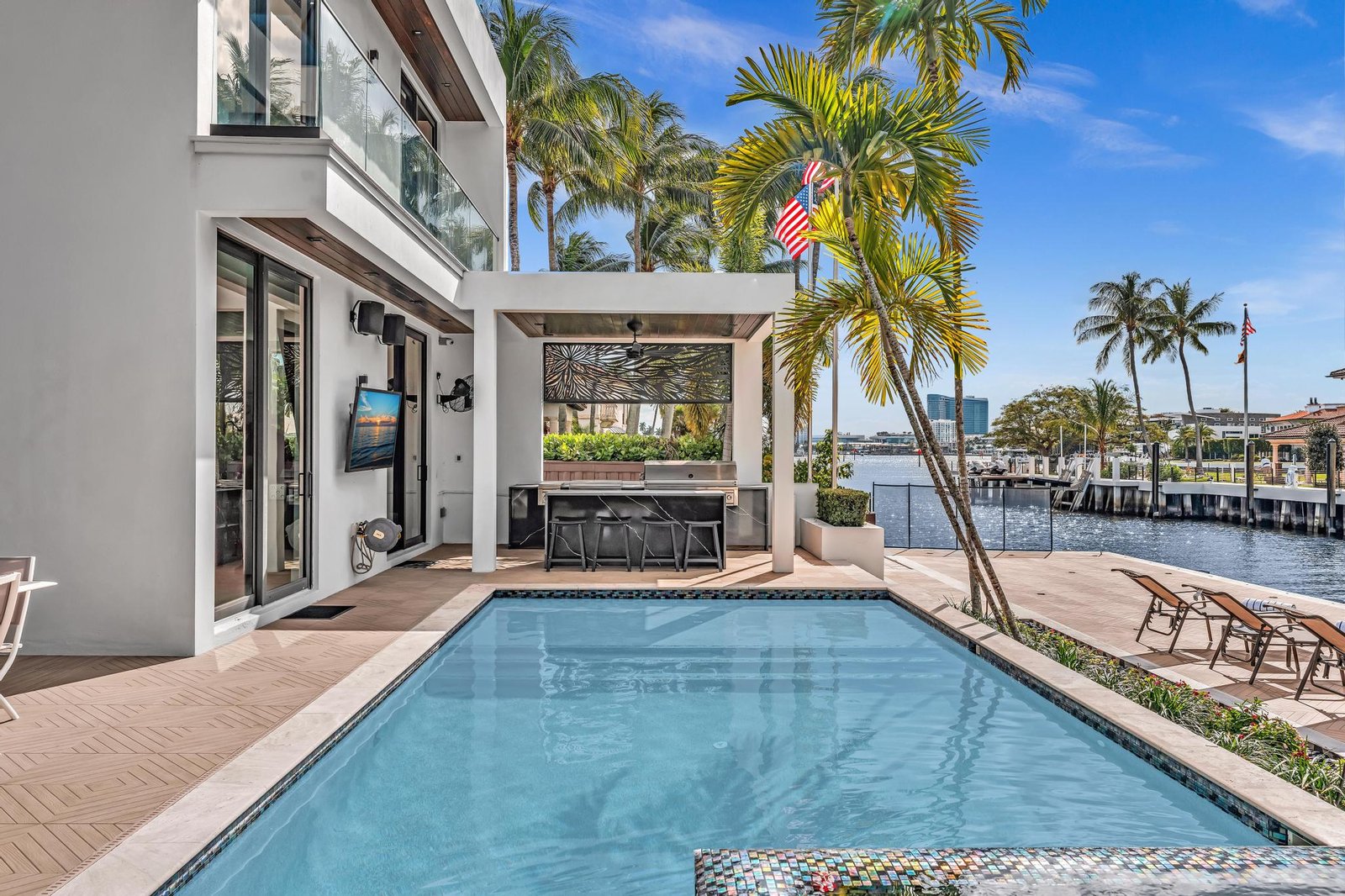
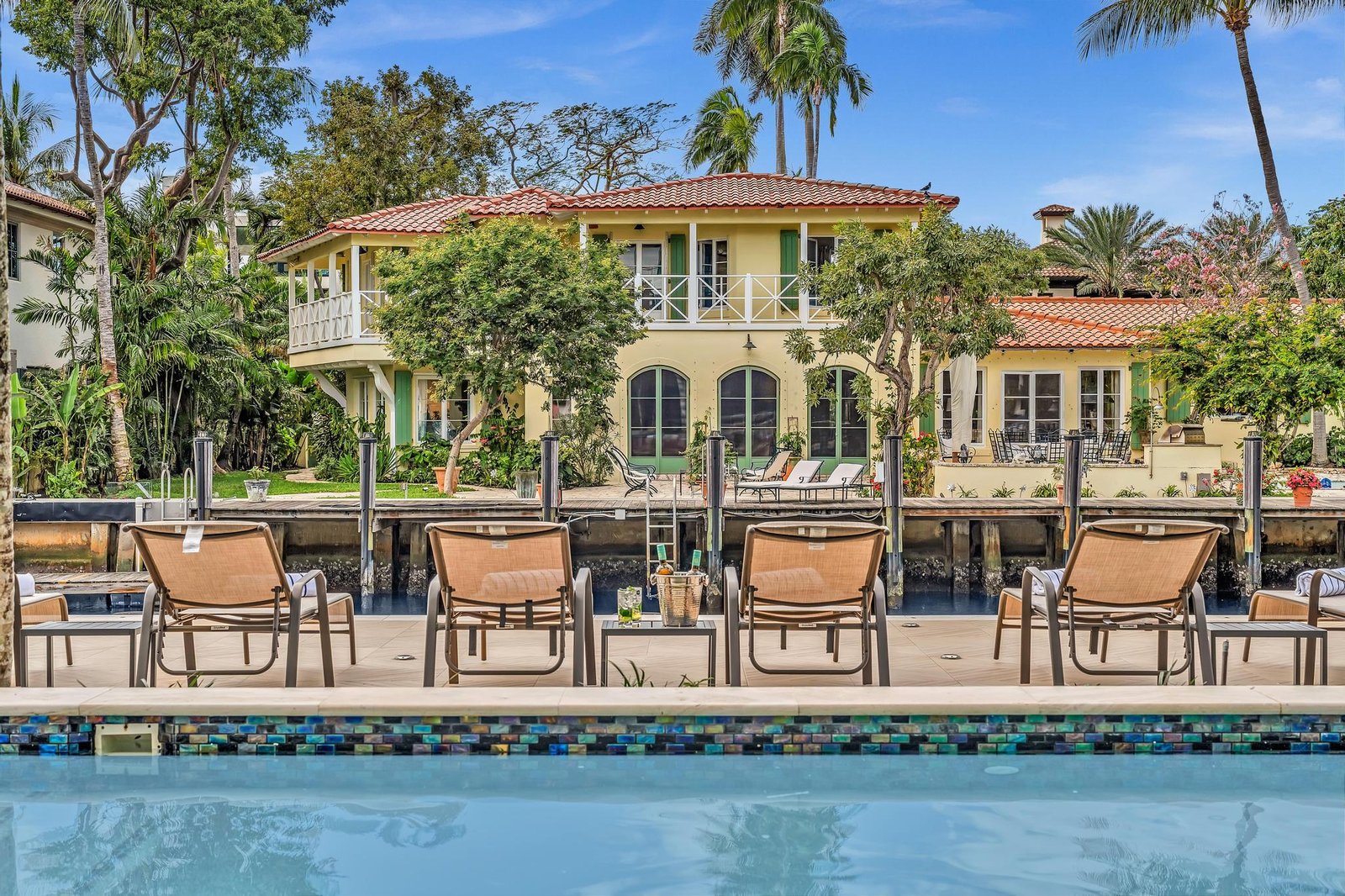
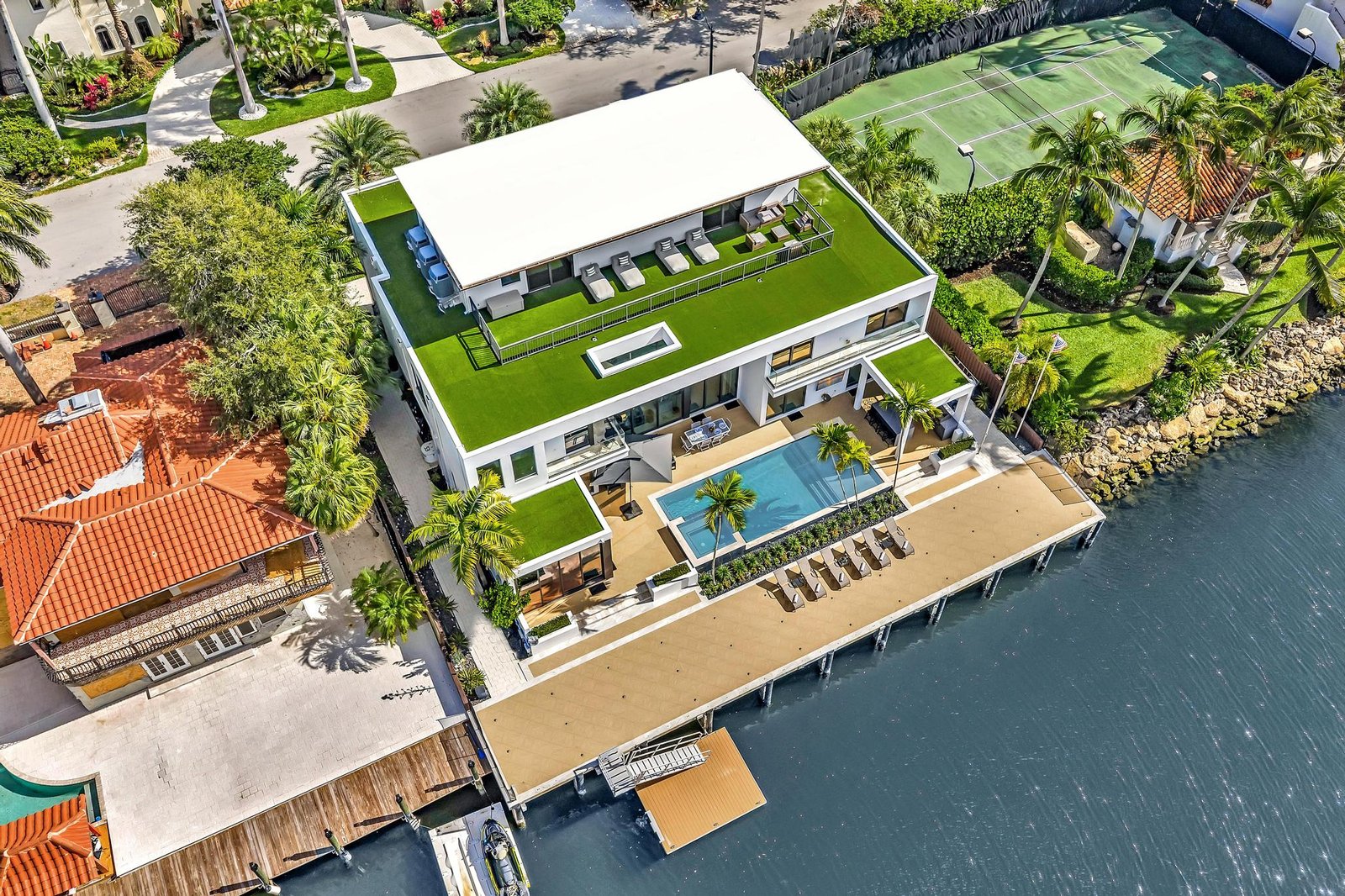
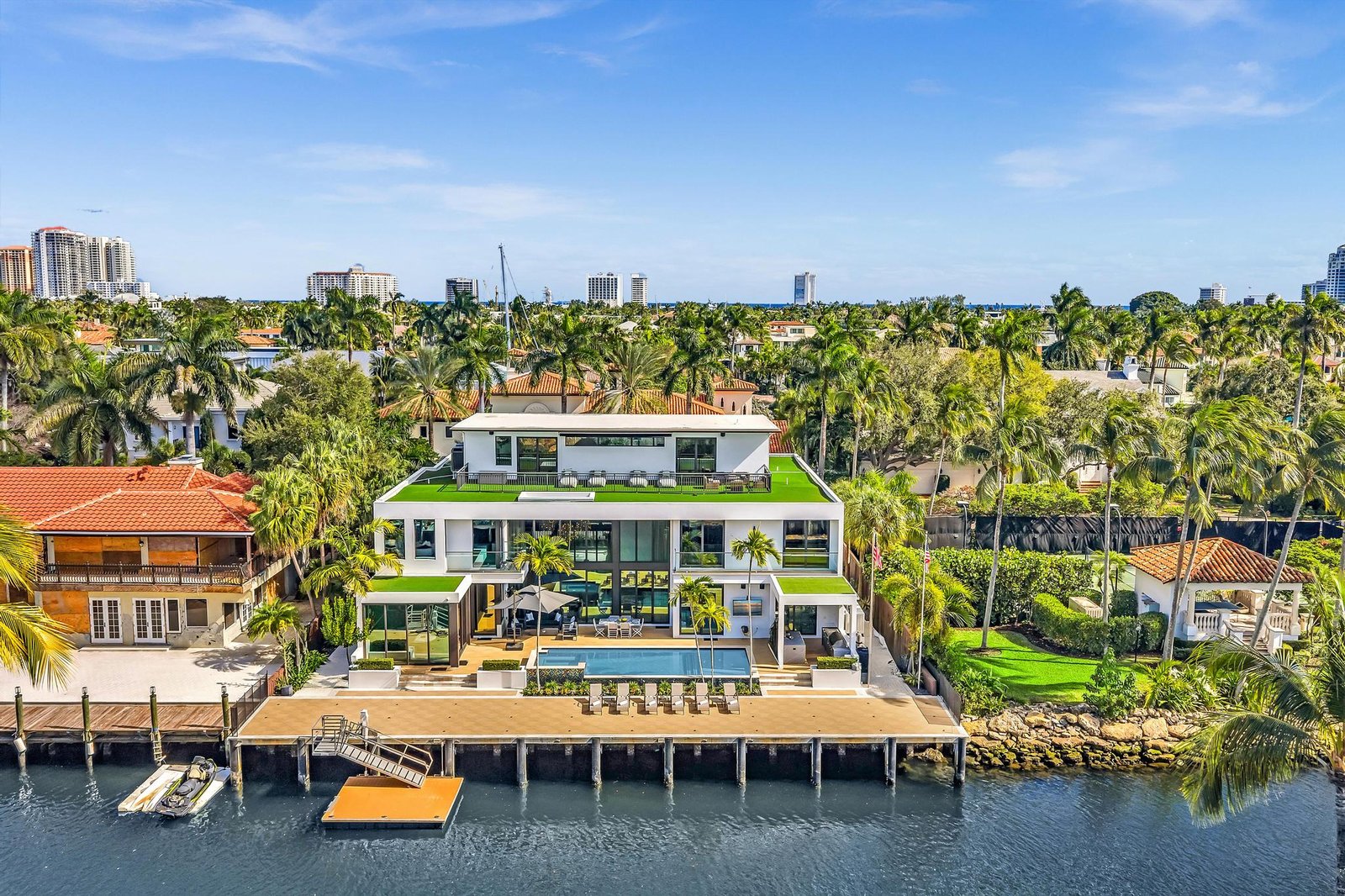
Luxury property owners face a structural mismatch with Section 8 that isn't easily resolved. Payment standards in South Florida are calibrated to moderate market segments, not to waterfront estates, high-rise condos with amenities, or properties in neighborhoods like Brickell, Coconut Grove, or Las Olas. The gap between what a HAP will cover and what those properties command at market rate is too wide to make the program workable.
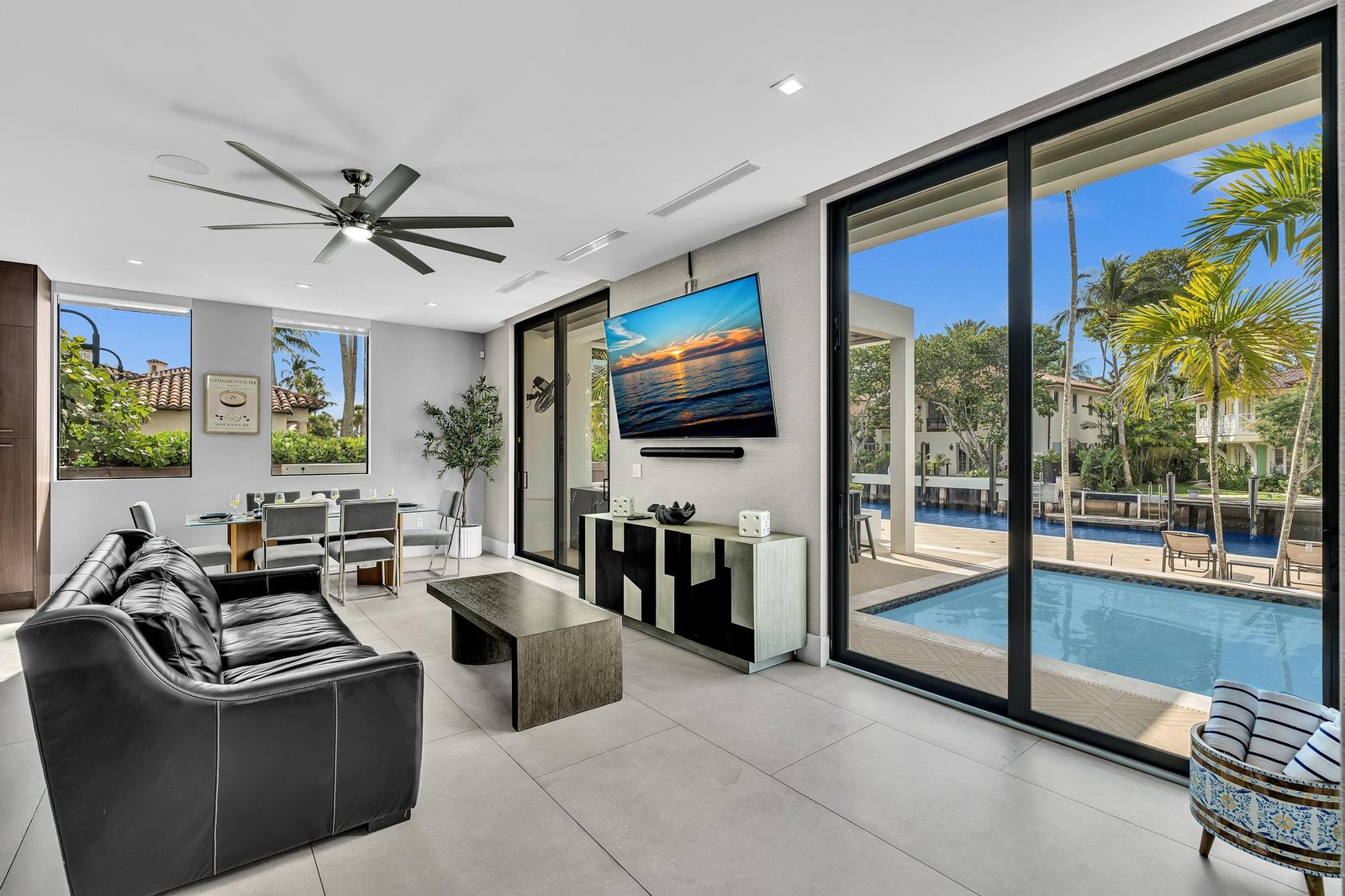
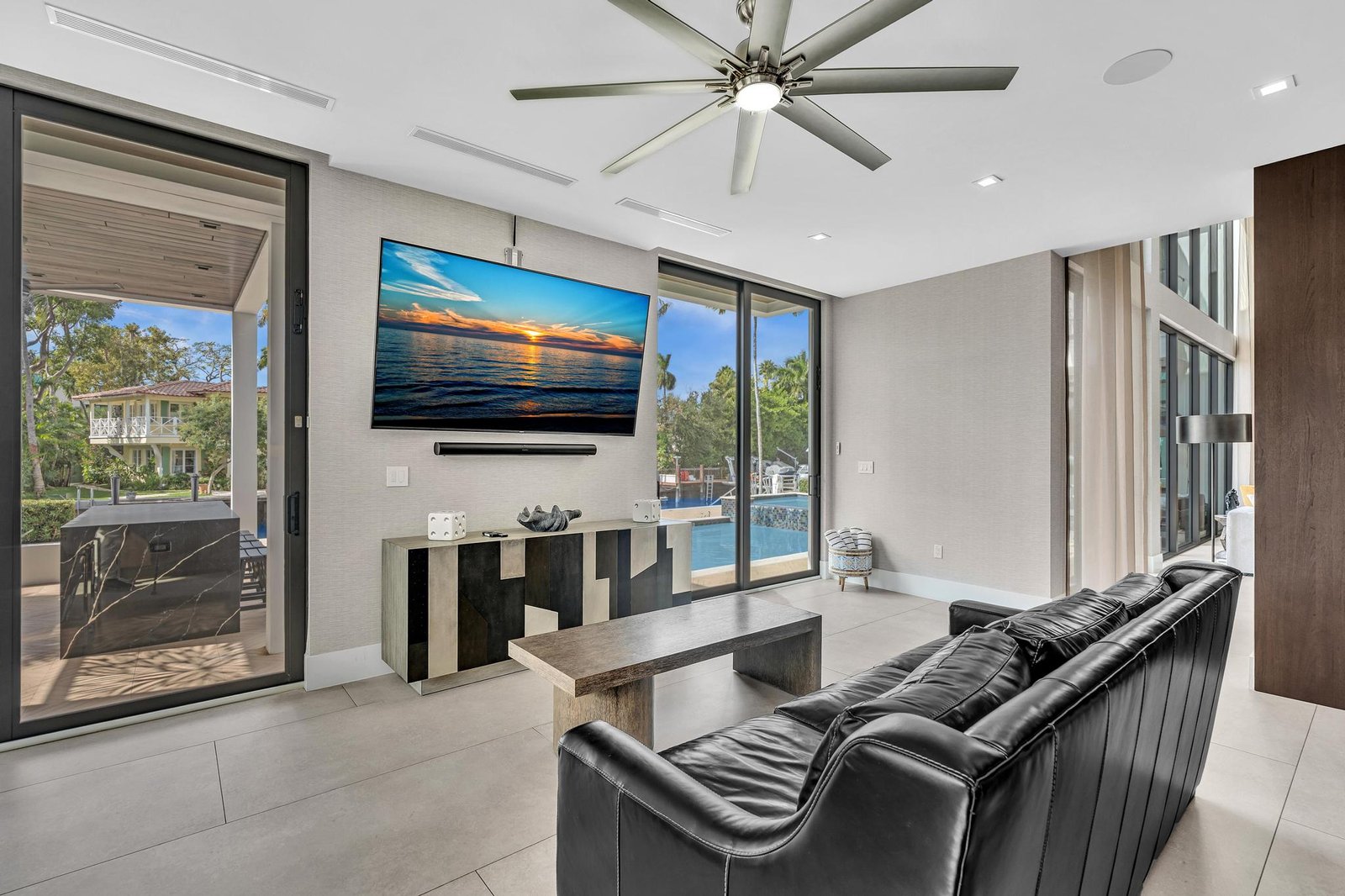
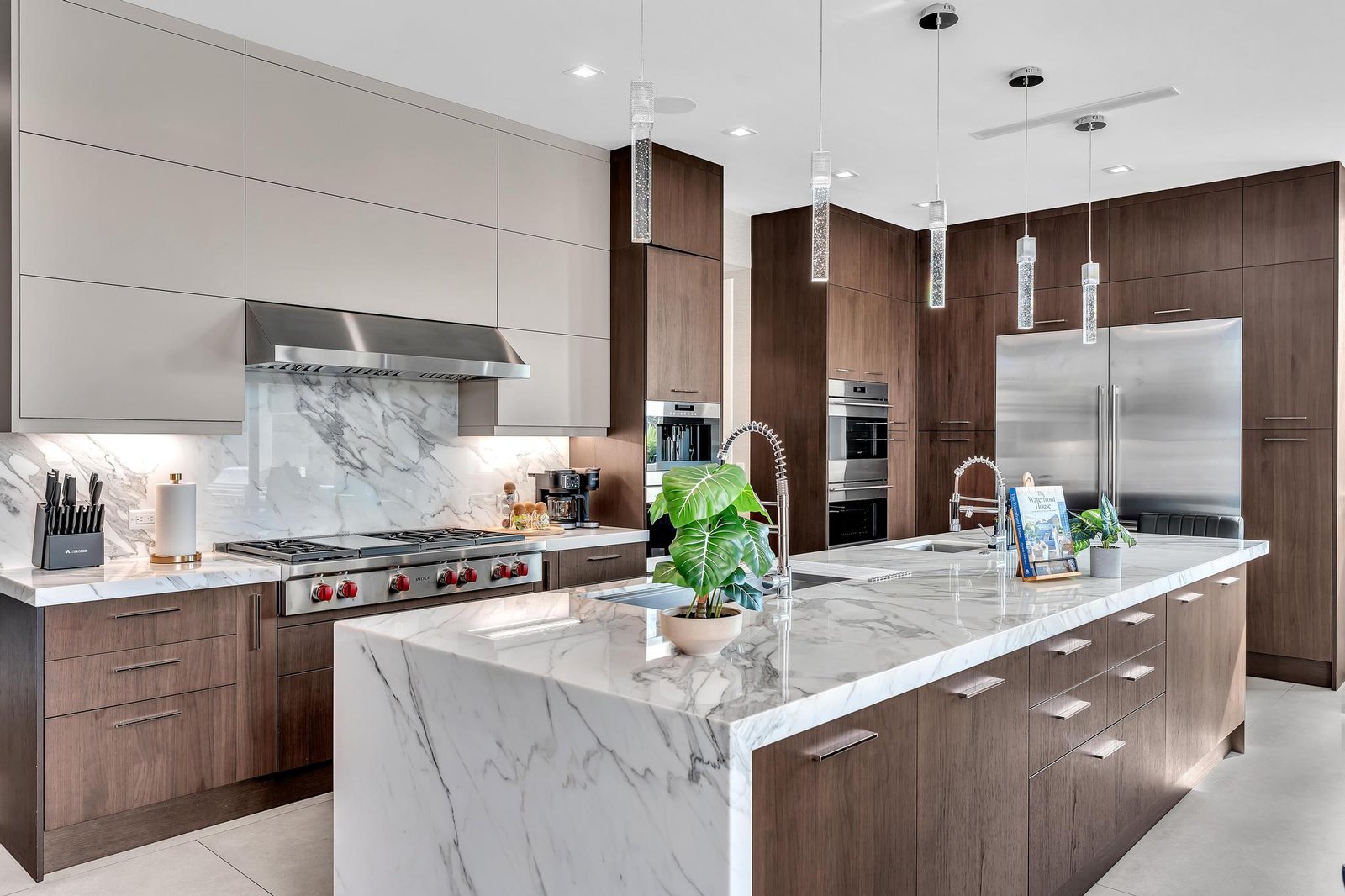
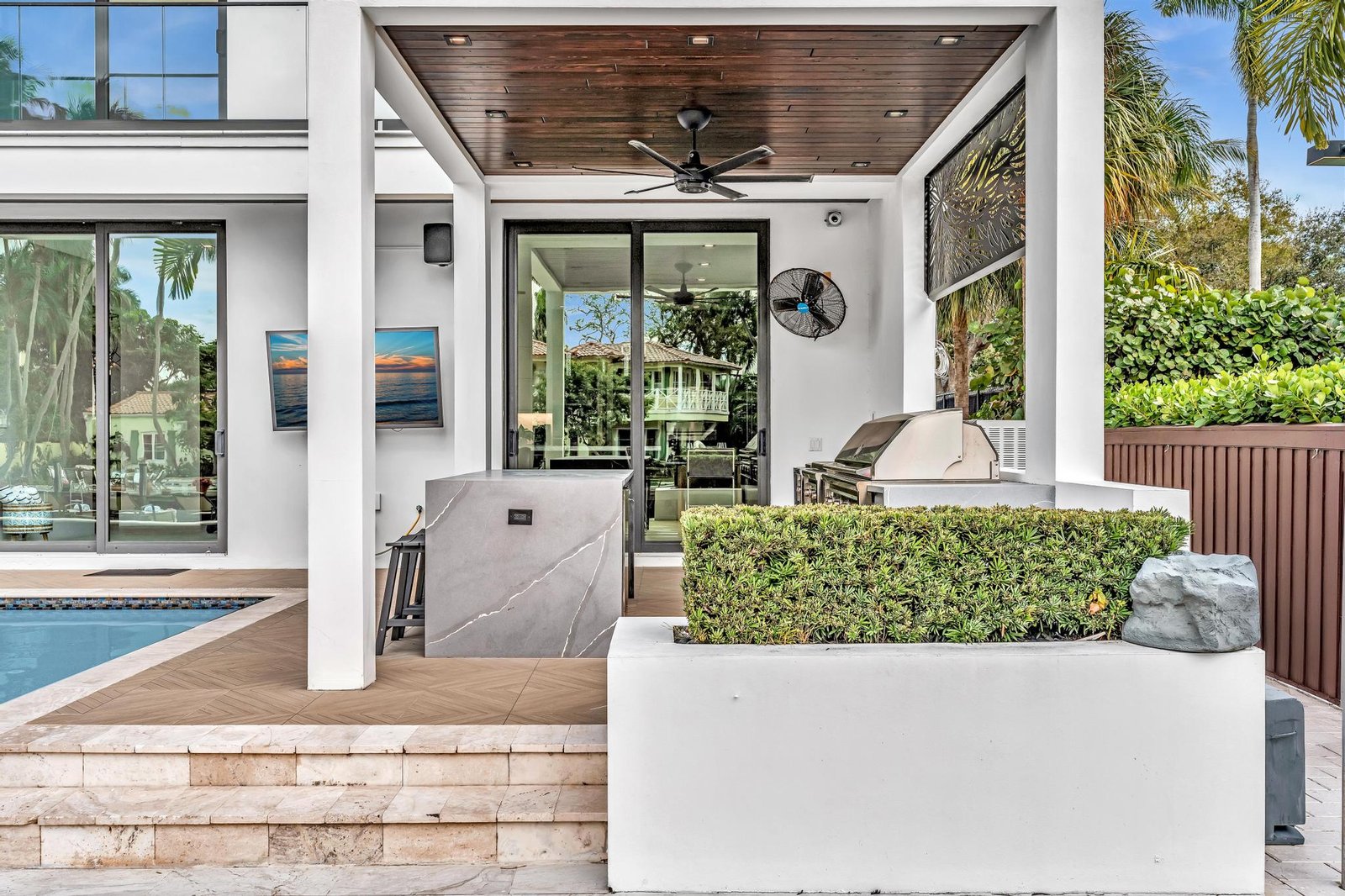
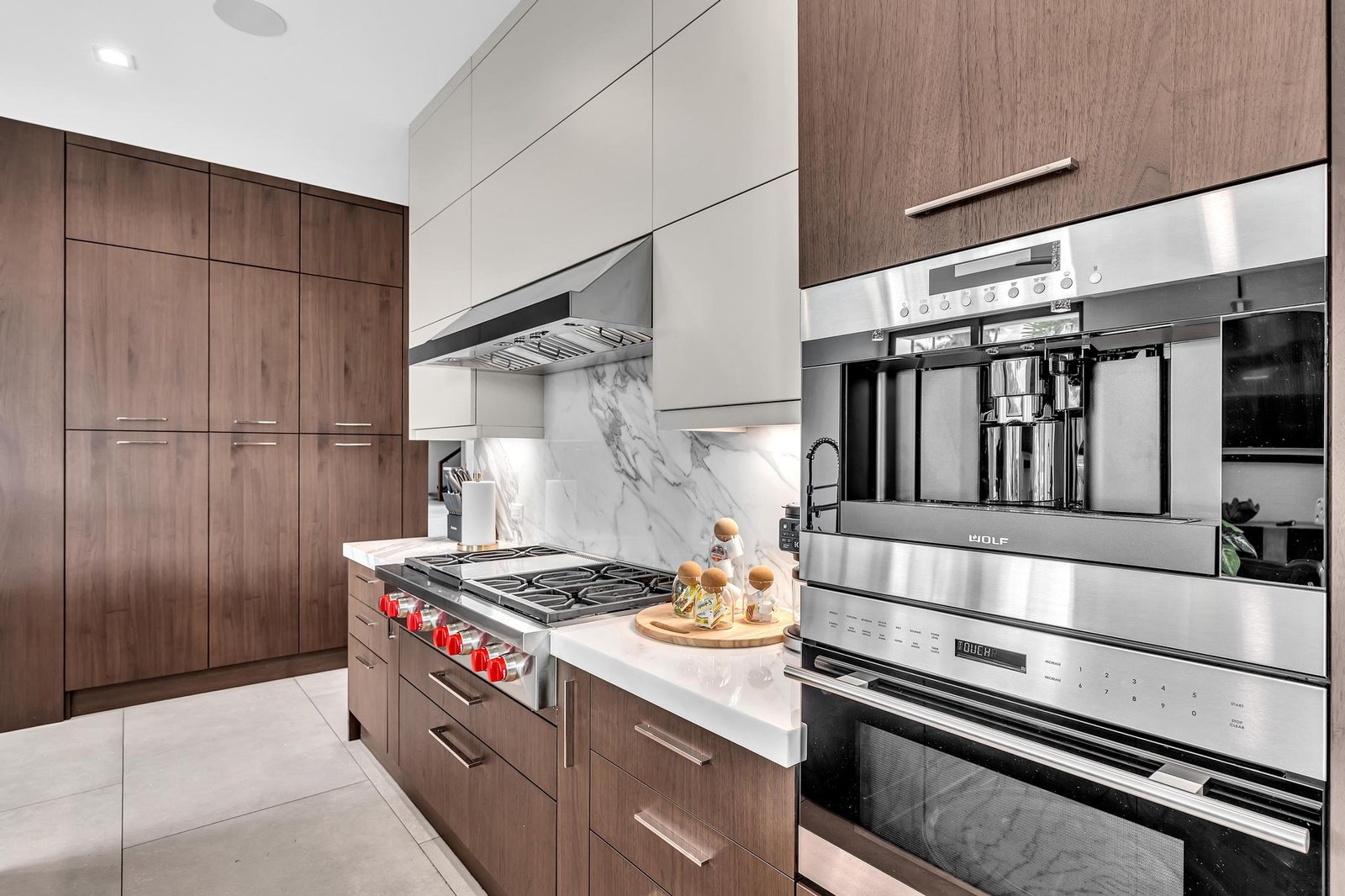
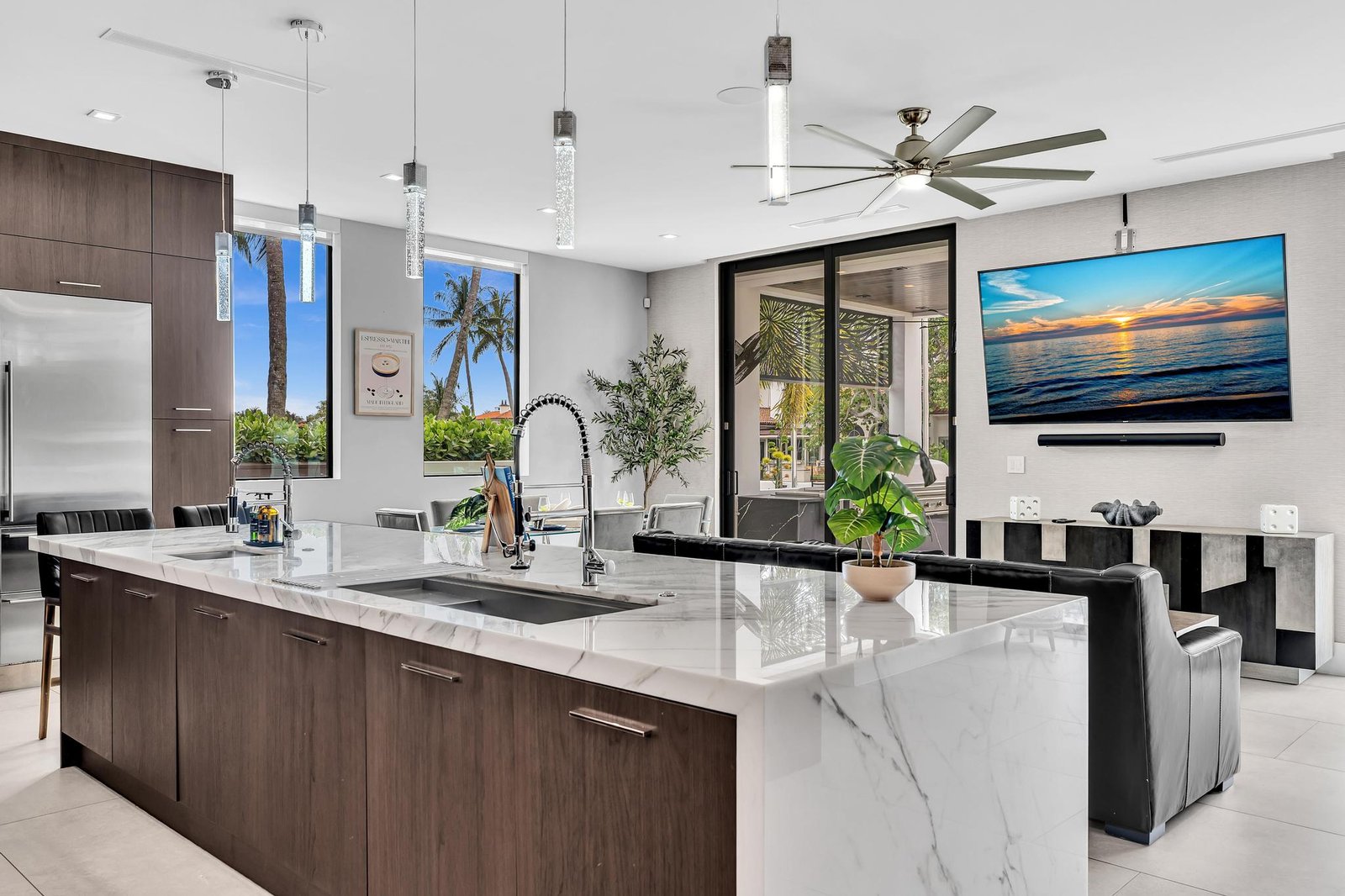
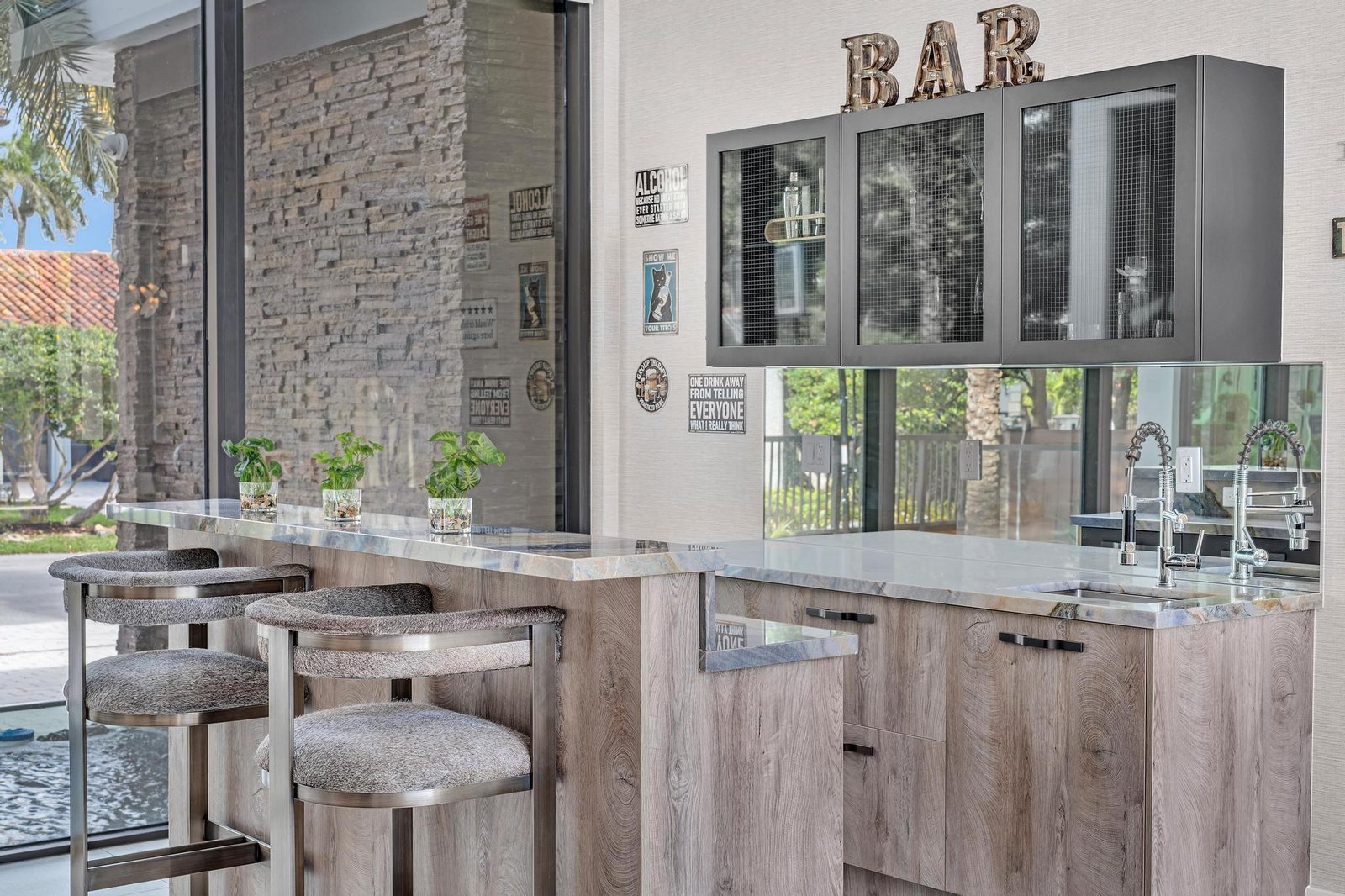
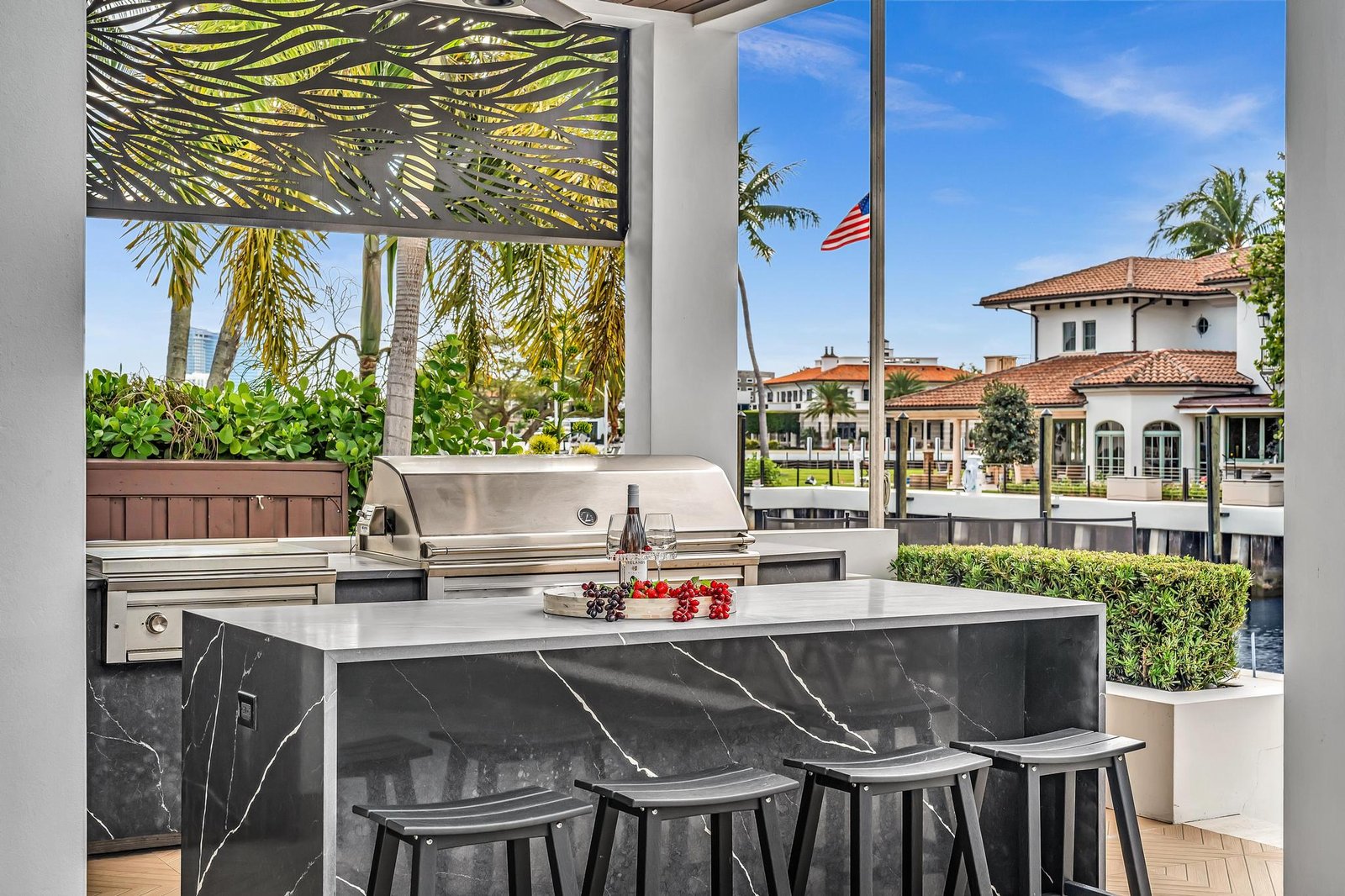
Beyond rent levels, luxury finishes create inspection and liability exposure. High-end appliances, custom millwork, pool equipment, and outdoor kitchens all represent surfaces that can be damaged during a long tenancy and are expensive to restore. HQS inspections focus on habitability, not condition of luxury finishes -- so the inspection process gives you no protection there.
There's also the annual inspection requirement to consider. Every year, the housing authority will reinspect your unit. Any condition issues found must be corrected within a short window or payments are suspended. That recurring obligation creates a management overhead that doesn't exist with a standard market-rate lease. For a luxury property, that oversight layer adds friction without compensating financial benefit. See also: how we approach luxury waterfront asset management for a different context entirely.
What South Florida Investors Ask About Section 8
These are the questions that come up in every honest conversation about Housing Choice Voucher investing in this market. Straight answers, no promotion.
Real Estate Consulting Services →Can a landlord in Florida refuse Section 8 tenants?
Florida does not have a statewide source-of-income discrimination law as of this writing, which means landlords in Florida can legally decline to participate in the Section 8 program. However, some municipalities may have local ordinances that differ. Miami-Dade County and the City of Miami have had evolving fair housing discussions on this issue, so confirm current local law before assuming you have full discretion.
Choosing not to participate is not the same as discriminating against a person based on race, national origin, familial status, or other protected class. The distinction matters legally. Consult a Florida landlord-tenant attorney before making blanket policy decisions on voucher acceptance.
What happens if a Section 8 tenant damages my property beyond normal wear and tear?
The housing authority is not responsible for tenant-caused damage beyond the security deposit. You collect a security deposit from the tenant at move-in, subject to Florida's standard limits (typically one to two months' rent). If damage exceeds the deposit, your recovery options are the same as with any tenant: small claims court or circuit court, depending on the amount.
The misconception that the government guarantees property condition is one of the most common misunderstandings new Section 8 landlords carry in. Document unit condition thoroughly at move-in with dated photographs and a detailed written inventory. This applies to every rental, but it is especially important when you're dealing with a long-tenancy program where years can pass between formal walkthroughs.
How does the annual recertification inspection work?
Each year, the housing authority reinspects your unit while the tenant is in place. The inspector checks the same 13 HQS categories as the initial inspection. If the unit passes, the HAP contract renews. If it fails, you receive a deficiency notice and a correction deadline -- typically 30 days for non-emergency items, 24 hours for life-safety issues.
Payments can be suspended if corrections aren't made within the deadline. In practice, most experienced Section 8 landlords do a self-inspection walk 60 days before the scheduled annual inspection date and address any developing issues proactively. That practice eliminates almost all failed annual inspections.
Can I raise the rent on a Section 8 unit?
Yes, but there's a process. Rent increases must be requested in advance -- typically 60 days before the lease renewal date -- and the new rent is subject to both a rent reasonableness determination and the local payment standard. If your requested rent exceeds what the housing authority determines is reasonable for comparable units in the area, they will not approve the full increase.
In a rising market, this creates a lag effect. Market rents can move faster than the annual FMR adjustments HUD uses to set payment standards. That lag compresses your upside in high-appreciation years and is one reason Section 8 underperforms market rate in hot markets, even if the stability advantage holds.
Is Section 8 worth pursuing in South Florida right now?
It depends entirely on your property type and investment thesis. For a portfolio of workforce-housing units in moderate-demand neighborhoods -- bought at basis where the payment standard covers your debt service and expenses -- Section 8 delivers consistent cash flow and low vacancy. That's a real, defensible strategy.
For owners of higher-value properties in appreciating submarkets, the payment standard gap and management overhead make it a poor fit compared to market-rate long-term or mid-term furnished rentals. The program isn't better or worse in the abstract -- it's better or worse for a specific asset in a specific location. That analysis is exactly what our South Florida real estate consulting and investment strategy process is built around.
Where can I verify current payment standards and FMR data for South Florida?
HUD publishes Fair Market Rents annually for each metropolitan area at hud.gov. The Miami-Dade, Broward, and Palm Beach housing authorities each publish their own payment standards -- which are set at a percentage of the local FMR, typically 90% to 110% -- on their respective agency websites. Payment standards are updated periodically and can differ within a county by zip code or submarket in some programs, so check the specific housing authority's current schedule before running projections. The National Low Income Housing Coalition also publishes useful background on voucher program mechanics for landlords new to the program.
Evaluating Section 8 for Your South Florida Portfolio?
Before committing a property to the Housing Choice Voucher program, it's worth running the actual numbers against your specific unit, location, and debt structure. We help investors make that call clearly -- without pushing a strategy that doesn't fit your asset.
- Compare payment standard against your current market rent
- Assess your property's HQS readiness before inspection day
- Model the 45- to 90-day approval gap against your carrying costs
- Determine whether Section 8, market-rate long-term, or mid-term furnished rental fits your goals
Managing a Mixed Portfolio Across South Florida?
Not every unit in a portfolio belongs in the same strategy. We help owners with multiple properties determine which assets are suited for Section 8, which should run as market-rate rentals, and which perform better as short- or mid-term furnished units. The analysis is different for each property.
- Portfolio-level strategy review by property type and location
- County-by-county housing authority process navigation
- HQS pre-inspection consulting to reduce failed inspection risk
More Resources for South Florida Investors
Whether you're evaluating a first Section 8 acquisition or repositioning an existing portfolio, these guides cover the decisions that actually move the needle in Broward, Miami-Dade, and Palm Beach.